• KGS/USD = 0.01144 0%
  • KZT/USD = 0.00211 0%
  • TJS/USD = 0.10526 0%
  • UZS/USD = 0.00008 0%
  • TMT/USD = 0.28530 0%
  • KGS/USD = 0.01144 0%
  • KZT/USD = 0.00211 0%
  • TJS/USD = 0.10526 0%
  • UZS/USD = 0.00008 0%
  • TMT/USD = 0.28530 0%
  • KGS/USD = 0.01144 0%
  • KZT/USD = 0.00211 0%
  • TJS/USD = 0.10526 0%
  • UZS/USD = 0.00008 0%
  • TMT/USD = 0.28530 0%
  • KGS/USD = 0.01144 0%
  • KZT/USD = 0.00211 0%
  • TJS/USD = 0.10526 0%
  • UZS/USD = 0.00008 0%
  • TMT/USD = 0.28530 0%
  • KGS/USD = 0.01144 0%
  • KZT/USD = 0.00211 0%
  • TJS/USD = 0.10526 0%
  • UZS/USD = 0.00008 0%
  • TMT/USD = 0.28530 0%
  • KGS/USD = 0.01144 0%
  • KZT/USD = 0.00211 0%
  • TJS/USD = 0.10526 0%
  • UZS/USD = 0.00008 0%
  • TMT/USD = 0.28530 0%
  • KGS/USD = 0.01144 0%
  • KZT/USD = 0.00211 0%
  • TJS/USD = 0.10526 0%
  • UZS/USD = 0.00008 0%
  • TMT/USD = 0.28530 0%
  • KGS/USD = 0.01144 0%
  • KZT/USD = 0.00211 0%
  • TJS/USD = 0.10526 0%
  • UZS/USD = 0.00008 0%
  • TMT/USD = 0.28530 0%

Viewing results 1429 - 1434 of 2925

Saudi Islamic Development Bank Increasing Its Presence in Central Asia

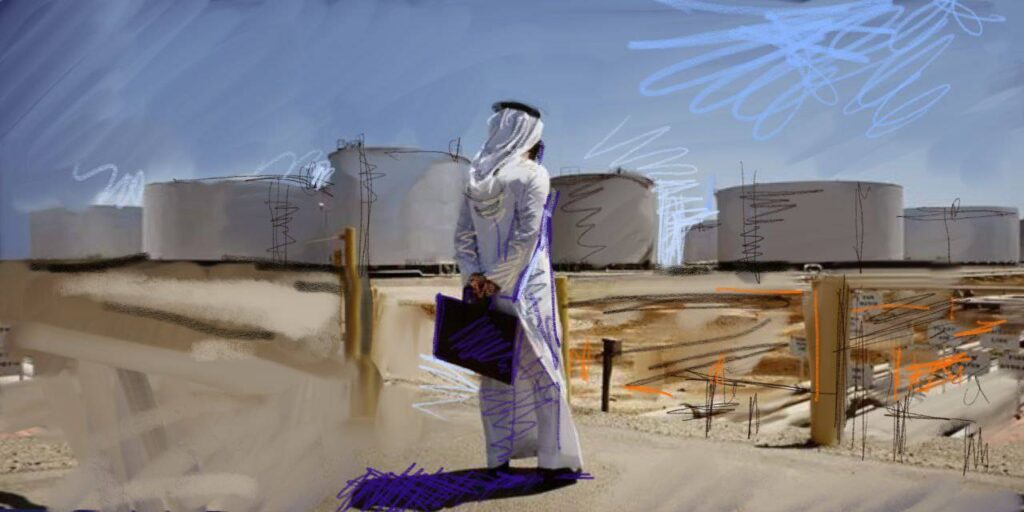
The Saudi-based Islamic Development Bank (IDB) has been particularly active in Central Asia so far in 2024. The growing IDB role is part of Central Asian region’s foreign policy shift toward the Arab world as financial backers to replace Russia, which is devoting huge attention and resources to its war in Ukraine, and China, which is increasingly reluctant to spend large sums of money in Central Asia after pouring in tens of billions of dollars there during the last 25 years. Some of the Central Asian governments owe China substantial amounts of money that they are unlikely to be able to pay for possibly decades. The Central Asian states have been members of the IDB for many years. Kyrgyzstan was first, joining in 1993, followed by Turkmenistan in 1994, Kazakhstan in 1995, Tajikistan in 1996, and Uzbekistan in 2003. One of the IDB’s three regional offices is in Almaty, Kazakhstan (the other two are in Kuala Lumpur, Malaysia and Rabat, Morocco).  The IDB has been dealing individually with the five Central Asian countries on a wide range of projects and programs in recent months. Energy Resources In February, Tajik Minister of Economic Development and Trade Zavqi Zavqizoda announced a deal was reached for the IDB to provide $250 million to Tajikistan. Zavqizoda said $150 million of that would go toward construction of the Rogun hydropower plant (HPP).  The Rogun HPP was a Soviet-era project. Construction started in 1976 but was discontinued shortly after the Soviet Union collapsed. Tajikistan restarted work on the HPP in 2008. Tajik President Emomali Rahmon has repeatedly said that building the HPP with a planned 3600 MW capacity will make the country energy independent and even allow Tajikistan to bring in extra revenue exporting electricity to neighboring countries.  In its 28 years as an IDB member, Tajikistan had received some $620 million from the IDB, so the $250 million announced in February 2024 represents a significant jump in IDB financial help. Not surprisingly, when IDB President Muhammad Al-Jasser visited Kyrgyzstan in June, Kyrgyz President Sadyr Japarov sought IDB investment in the Kambar-Ata-1 HPP, another decades-old project with a multi-billion-dollar price tag that has barely made any progress in being realized during the 33 years Kyrgyzstan has been independent. Al-Jasser did not commit to IDB financing for the Kyrgyz HPP. However, less than a week after Al-Jasser was in Kyrgyzstan, the IDB was one of several international financial organizations that signed on at a conference in Vienna to be a members of a coordination donors’ committee for the Kambar-Ata-1 projects. At a meeting in Istanbul in February, the IDB reaffirmed its support for the Central Asia-South Asia-1000 (CASA-1000) project that aims to export electricity from HPPs in Kyrgyzstan and Tajikistan to Afghanistan and Pakistan. Kyrgyz Energy Minister Taalaybek Ibrayev met with Al-Jasser in June during the latter’s visit to Kyrgyzstan to discuss funding for Kyrgyzstan’s section of CASA-1000. Not Only Energy In June, the IDB pledged up to $2 billion in funding for improvements to water management...
Large-Scale Logistics Center to Open in Samarkand

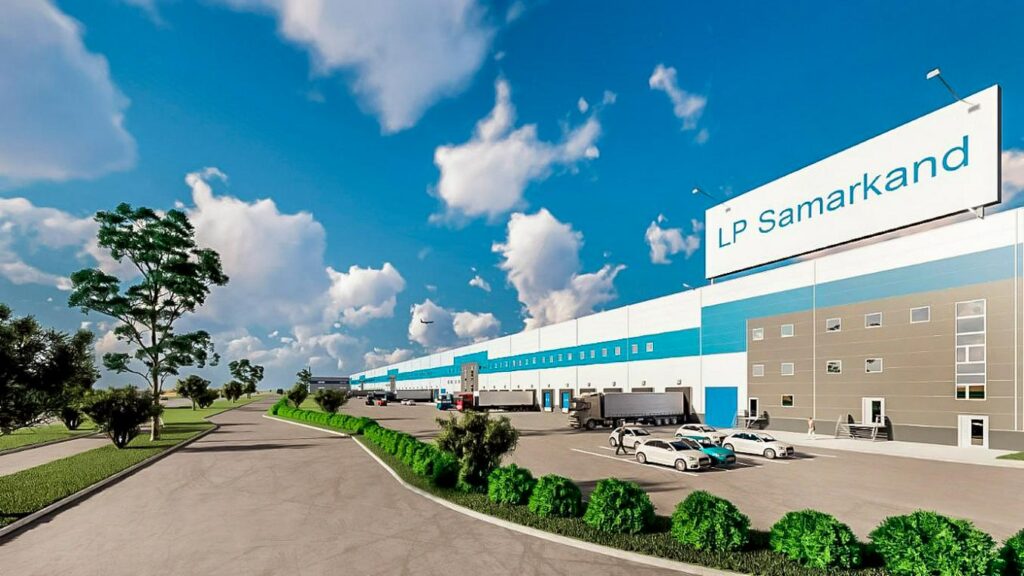
The multimodal transport and logistics center “Logopark Samarkand” will open in 2025 in Uzbekistan's Samarkand region. The center, which covers an area of more than 40,000 square meters, is designed to accommodate the products of leading international and local companies engaged in e-commerce, distribution, manufacturing, and logistics. The new logistics center is expected to significantly shorten supply chains and their timelines and increase cargo transportation maneuverability. It is located on the main M-37 highway near Samarkand airport, which provides convenient access and favorable service conditions. The complex includes premises with different temperature storage modes and a wide range of auxiliary services and facilities. Contracts for organizing warehousing activities and leases have already been signed. Construction of this world-class logomark started in February this year and is scheduled to open in the second quarter of 2025. Marakand Logair is in charge of implementing the project. “We are confident that the center's services will help Uzbekistan's commodity producers to sell their products both within the country and abroad,” Ikrom Yadgarov, General Director of the company, noted.

ADB Allocates $100 Million for Perinatal Care in Uzbekistan

The Asian Development Bank (ADB) has approved a $100 million soft loan to help Uzbekistan improve perinatal health services for pregnant women and newborns. The Integrated Perinatal Care Project will help the government modernize nearly 230 perinatal centers nationwide, equipping them with modern energy-efficient medical equipment, updated clinical standards and protocols, and capacity and quality assurance mechanisms for health workers. The project will also improve the perinatal referral system. Strengthening emergency response teams will help identify health risks early. The project will expand access to appropriate and timely life-saving care by introducing electronic patient records for pregnancy monitoring. “ADB’s support will also help the government implement targeted awareness-raising and behavior-change interventions and training of midwives and nurses to encourage pregnant women and mothers to seek health care services,” said ADB Country Director for Uzbekistan Kanokpan Lao-Araya.

Uzbekistan Opens New Credit Line for Tourism Projects

It is being reported that a separate credit line worth $50 million is being opened from the Uzbekistan Fund for Reconstruction and Development (UFRD) to provide tourism organizations with working capital to attract foreign tourists to the country. This year, 100 billion Uzbek som ($7,948,950) will be allocated from the country's budget to improve the tourist infrastructure in priority regions. Each will also attract an investment of $50 million. Several reliefs are to be provided for entrepreneurs in the tourism field. Among them are measures such as exempting buses and minibuses from customs duties, covering 50% of the expenses of tour operators and craftsmen at international fairs, and reducing the profit tax by 50% for entrepreneurs who organize business events with the participation of foreign guests. Uzbekistan's president Shavkat Mirziyoyev has emphasized the need to create a national tourism brand for Uzbekistan. Accordingly, content about the types of tourism in the country is being created based on the requirements of target markets. These are then promoted on international and social media platforms and at world sports and art events. Foreign journalists, bloggers, and influencers with a large audience are also involved in Uzbekistan's tourism marketing. To make tourism more convenient, a single online platform will be launched to provide information about all air, railway, and bus routes and to purchase tickets for prospective tourists. A system of selling air, railway, and bus tickets at least six months in advance will also be introduced.

Uzbekistan Sends Aid to Kyrgyzstan After Osh Region Floods

Following heavy flooding in Kyrgyzstan's Osh region on July 14, people in Uzbekistan's nearby Andijan region have sent 200 tons humanitarian aid to the people affected. The aid received in Osh includes household goods, construction materials, clothes and food. The flood resulted from torrential rains in the surrounding mountains and hills. Kyrgyzstan has suffered more than usual from extreme weather this summer. Last month nine people were killed by another flood in the Osh region.

Production of Granulated Gold and Silver Launched in Uzbekistan

On July 16, Uzbekistan’s Almalyk Mining and Metallurgical Complex announced it would start producing gold and silver granules. The Almalyk plant will also begin production of granulated copper and plans to produce granules from other non-ferrous metals. The equipment for producing granulated gold, silver, and copper was purchased in Italy. According to the Almalyk Complex’s press service, the new products will prove convenient for jewelers. In jewelry production, losses occur during the re-melting of ingots and other means of mechanically processing metals. Gold and silver granules will reduce the cost of jewelry products and improve their quality. At a government meeting about Uzbekistan’s jewelry industry last month, President Shavkat Mirziyoyev said that just 6% of the gold mined in Uzbekistan is processed within the country, and exports of finished products from gold amount to only $78 million. The president emphasized the importance of creating jewelry zones equipped to attract entrepreneurs and reviewing raw materials that are supplied to the industry. In January-March 2024, Uzbekistan exported gold worth $2.6 billion, with revenue from gold exports comprising 41.7% of the country’s total export revenue.