• KGS/USD = 0.01144 0%
  • KZT/USD = 0.00210 0%
  • TJS/USD = 0.10528 0.19%
  • UZS/USD = 0.00008 0%
  • TMT/USD = 0.28571 0.28%
  • KGS/USD = 0.01144 0%
  • KZT/USD = 0.00210 0%
  • TJS/USD = 0.10528 0.19%
  • UZS/USD = 0.00008 0%
  • TMT/USD = 0.28571 0.28%
  • KGS/USD = 0.01144 0%
  • KZT/USD = 0.00210 0%
  • TJS/USD = 0.10528 0.19%
  • UZS/USD = 0.00008 0%
  • TMT/USD = 0.28571 0.28%
  • KGS/USD = 0.01144 0%
  • KZT/USD = 0.00210 0%
  • TJS/USD = 0.10528 0.19%
  • UZS/USD = 0.00008 0%
  • TMT/USD = 0.28571 0.28%
  • KGS/USD = 0.01144 0%
  • KZT/USD = 0.00210 0%
  • TJS/USD = 0.10528 0.19%
  • UZS/USD = 0.00008 0%
  • TMT/USD = 0.28571 0.28%
  • KGS/USD = 0.01144 0%
  • KZT/USD = 0.00210 0%
  • TJS/USD = 0.10528 0.19%
  • UZS/USD = 0.00008 0%
  • TMT/USD = 0.28571 0.28%
  • KGS/USD = 0.01144 0%
  • KZT/USD = 0.00210 0%
  • TJS/USD = 0.10528 0.19%
  • UZS/USD = 0.00008 0%
  • TMT/USD = 0.28571 0.28%
  • KGS/USD = 0.01144 0%
  • KZT/USD = 0.00210 0%
  • TJS/USD = 0.10528 0.19%
  • UZS/USD = 0.00008 0%
  • TMT/USD = 0.28571 0.28%

Viewing results 1933 - 1938 of 2913

Uzbek Blogger Jailed for 7 1/2 Years

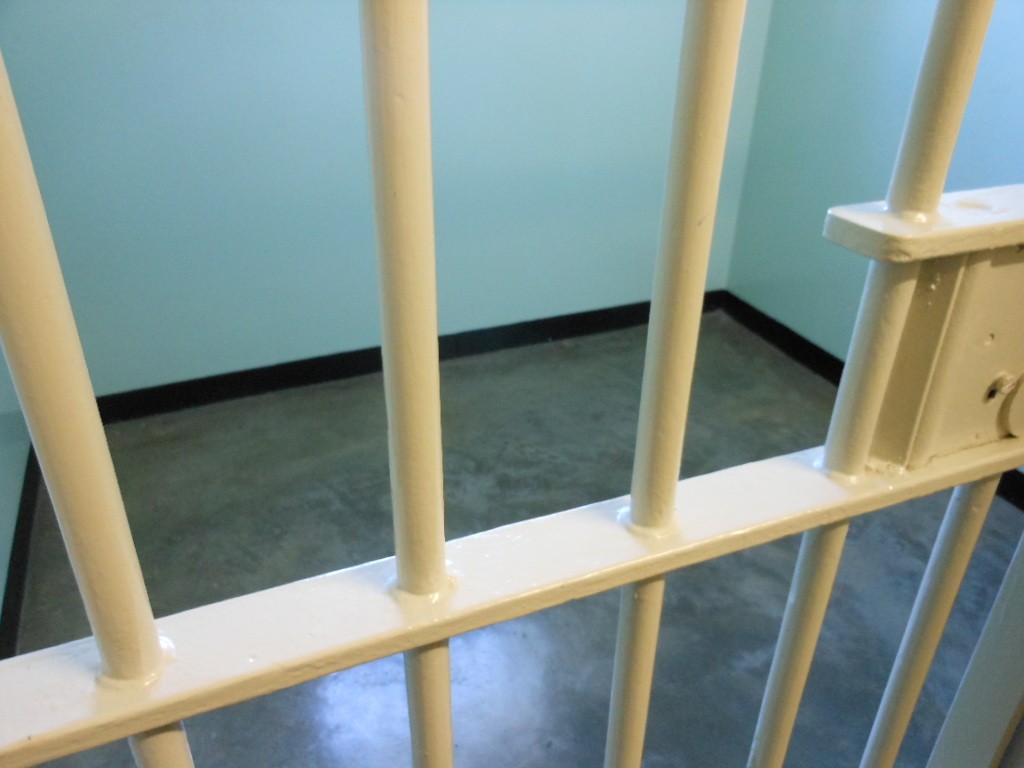
The Tashkent regional court has dismissed an appeal by blogger Lemara Mirzaahmedova on December 13, upholding her 7 1/2-year prison term issued in October, as reported by RFE/RL's Uzbek Service. Her conviction, based on defamation, slander, and extortion charges linked to critical social-media posts about the government, faced staunch opposition from supporters who view it as retribution by authorities. Mirzaahmedova, detained in March, is seen by human rights watchdogs as part of a concerning trend in Tashkent, marked by an uptick in criminal cases targeting independent bloggers.

Consulate General of Uzbekistan Officially Inaugurated in Osh

The Consulate General of Uzbekistan celebrated its official inauguration in Osh city, fostering economic, cultural, and humanitarian ties and offering support to Uzbek citizens in the region. The ceremony drew notable figures like Vice Mayor Nurbek Kadyrov, Presidential Representative Elchibek Zhantaev, and Ambassador Khurshid Mirzakhidov, emphasizing the consulate's role in advancing cooperation. Zafarbek Akhmedov, a seasoned diplomat previously overseeing the Consular and Legal Department at Uzbekistan's Ministry of Foreign Affairs, heads this mission at 54 years old. Established in 2022, the consulate, led by Akhmedov, serves Batken, Jalal-Abad, and Osh regions in Kyrgyzstan.

U.S. and Central Asian Countries Focus on Protecting Rights of People with Disabilities

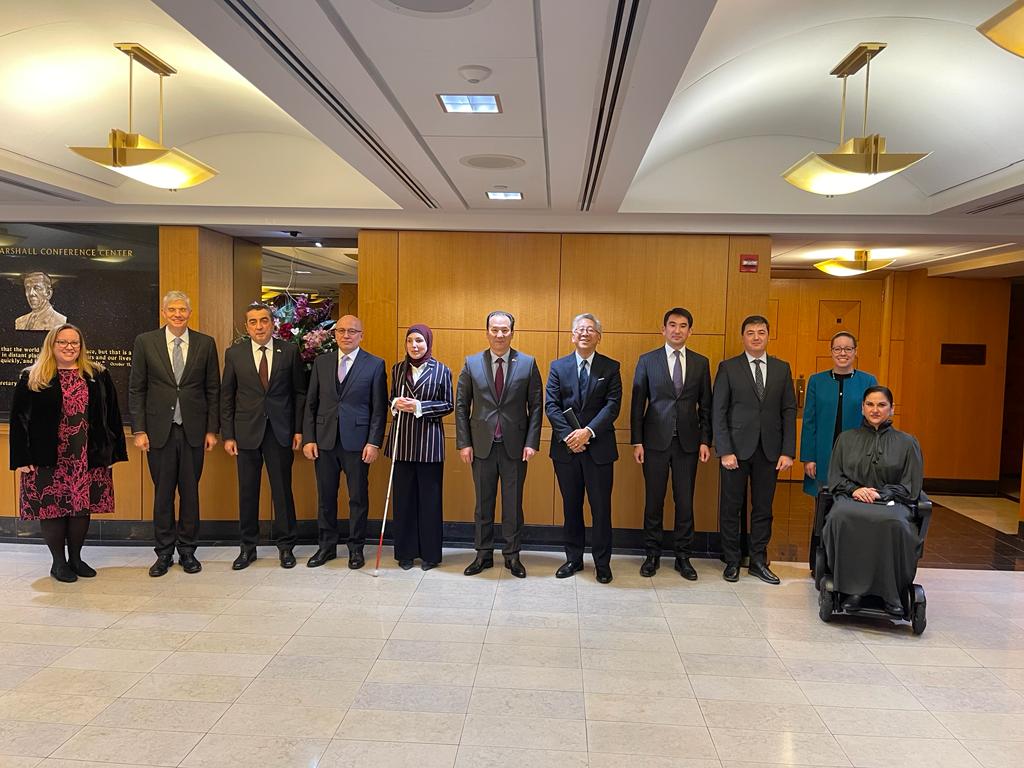
On December 11th, the U.S. Department of State hosted a meeting of representatives of C5+1 countries dedicated to protecting the rights of people with disabilities and finding practical solutions to their problems. The C5+1 diplomatic platform represents the U.S. Government’s holisitc approach to Central Asia, jointly engaging all five Central Asian nations. The meeting was attended by Sara Minkara, Special Adviser to the President of the United States on the International Rights of Persons with Disabilities, Donald Lu, Assistant Secretary of State, Deputy Assistant Secretary John Mark Pommersheim, and representatives of government agencies of the USA. The Ambassadors of Kazakhstan, Kyrgyzstan, Tajikistan, and Uzbekistan to the United States also spoke during the meeting, which was moderated by Minkara, who shared her experience and recommendations on ensuring protection of the rights of persons with disabilities. U.S. Assistant Secretary of State, Donald Lu stressed the importance of increasing cooperation within the C5+1 format on the rights of persons with disabilities in a multilateral format. Following the meeting, the participants agreed on joint actions in this direction.

ADB to Improve 700 km of Rural Roads in Uzbekistan

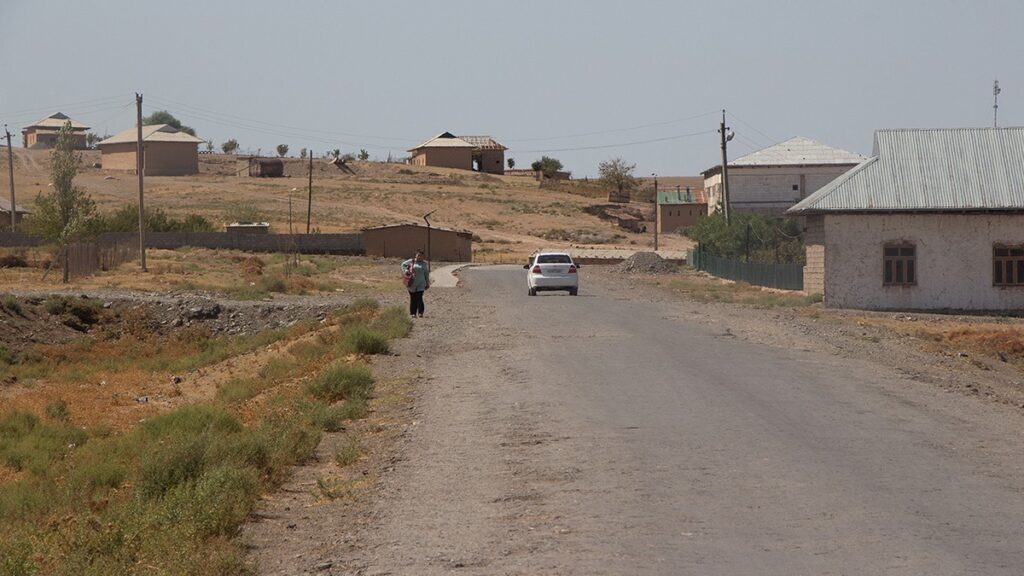
ADB to Improve 700 km of Rural Roads in Uzbekistan The Asian Development Bank (ADB) has approved a $240 million loan to improve 700 kilometers of rural roads in Uzbekistan, making them safer and more climate-resilient in order to enhance connectivity and promote rural development, the Bank said on December 11th. “With almost half of double-landlocked Uzbekistan’s population living in rural areas that rely on agriculture as the main source of livelihood, connectivity is critical,” said ADB Director General for Central and West Asia, Yevgeniy Zhukov. “Keeping rural communities connected to markets and services through safe, reliable, and climate-resilient rural roads is essential to achieve inclusive, sustainable economic development.” Aligned with the government’s National Development Strategy 2030 and the Rural Road Strategy 2035, the project marks a key initiative to kickstart the government’s Rural Road Program. It will focus on local and inter-farm rural roads in twelve regions and the Republic of Karakalpakstan. The improvements aim to enhance capacity, quality, connectivity, ensuring safety and climate resilience through reinforced embankments, bridges, culverts, and drainage systems. As a pioneering effort in Uzbekistan and the Commonwealth of Independent States, the project will provide rural communities and farmers with all-weather access to markets, schools, health services, and district centers. “ADB will help strengthen the operational capacity of both the Committee for Roads and local governments for the sustainable maintenance of rural roads,” said ADB Senior Transport Specialist, Yongkeun Oh. “We will support the implementation of a web and GIS-based rural road asset management system to improve decision-making and planning capabilities, leading to more efficient maintenance and resource allocation.” To capitalize on improved access to markets and economic opportunities, the project also aims to empower rural women through training in sustainable agriculture and climate-resilient practices. Community development facilities will be upgraded to provide entrepreneurship and livelihood skills training, alongside campaigns to raise awareness about gender violence and road safety.

Company in Uzbekistan Sanctioned by UK

British authorities have recently imposed fresh sanctions targeting individuals and entities suspected of aiding the "Russian military apparatus," which notably includes Uzbekistan-based company Mvizion. This expanded sanctions list encompasses 46 entities linked to weapons production or the import of defense goods for Russia, comprising thirty foreign enterprises, among them those from Uzbekistan. A statement from UK authorities outlined, "Today's measures will prevent Putin from outfitting his military through intermediary supply chains in Belarus, China, Serbia, Turkey, the UAE, and Uzbekistan," citing Mvizion's role as an intermediary in supplying spare parts to Russia. Mvizion had previously been sanctioned by the United States in November, linked by the US Department of Commerce to drone production for the Russian armed forces. The Unified State Register of Enterprises and Organizations shows Mvizion's registration on June 14, 2022, with its primary activity listed as the "wholesale of electronic and telecommunication equipment and related spare parts." Igor Nikolaevich Ievlev is identified as the sole founder and director. David O'Sullivan, the EU Special Envoy for Sanctions, addressed Uzbekistan's efforts to counter the re-export of European goods under sanctions to Russia, emphasizing the significance of economic diversification for the country. "We do not intend to disrupt Uzbekistan's traditional trade relations," he emphasized.

Uzbekistan’s Transition to Market Economy to Accelerate

Uzbekistan’s Transition to Market Economy to Accelerate The World Bank’s Board of Executive Directors on December 8th approved a Development Policy Operation to financially support the Government of Uzbekistan in implementing a new generation of economic, social, and climate reforms. The objective of these reforms is to expedite the country’s transition to a market economy, ensuring that economic opportunities are accessible to all citizens and creating a strong foundation for sustained growth. In Uzbekistan, despite significant progress in the transition to a market economy, there is a need to complete this process and to shift urgently towards a greener and more equitable economic model which would help the country achieve its development and environmental goals. The government aims to halve the poverty rate by 2026, and elevate the country to the status of an upper-middle-income economy by 2030. Achieving these objectives requires much faster growth, which is possible through reducing state control over the economy and empowering the private sector to become the primary driver of economic development. “The World Bank’s new operation supports key government priorities, including reducing state dominance in crucial sectors such as agriculture, railway, chemicals, and energy,” said Marco Mantovanelli, World Bank Country Manager for Uzbekistan. “This will allow for greater private sector participation in the given areas. The operation also aims to strengthen social and legal protection for vulnerable groups, and address pressing issues of climate change and environmental protection.” The World Bank will provide financial support to the government through a combination of highly concessional and low-cost loans totaling $800 million. The financing will offer the government a low-cost, long-term repayment option compared to what would be available in international financial markets, resulting in a significantly lower loan repayment cost. This, in turn, will free up more resources for the country’s urgent development priorities. “The Government has a strong commitment to reforms that will transform Uzbekistan into a more open and competitive market economy. The World Bank is supporting the country in achieving this goal by providing the necessary expertise, international experience, and financing,” said Jasur Karshibaev, Deputy Minister of the Economy and Finance of Uzbekistan. The financing from the World Bank operation will support the government’s reforms and actions in a number of critical areas, including: Energy sector: Establishing an independent energy regulator and implementing energy tariff reform to improve the energy sector’s performance, enhance the efficient use of energy resources, attract private investment in modernizing energy infrastructure, and promoting competition and private sector participation in the industry. Railway sector: Undertaking institutional reforms in the railway sector to modernize price setting for passenger and freight transportation and strengthen competition and the institutional environment in the industry. Chemical sector: Establishing a framework for institutional reforms in the chemicals sector and privatizing FerganAzot JSC, a large state-owned chemical plant, to liberalize the sector, attract private investments for its modernization, and enhance competition and efficiency in the industry. Agriculture sector: Abolishing the crop placement system for all crops to promote greater diversity and productivity in crop...