• KGS/USD = 0.01144 0%
  • KZT/USD = 0.00193 -0%
  • TJS/USD = 0.10858 0.09%
  • UZS/USD = 0.00008 0%
  • TMT/USD = 0.28571 0%
  • KGS/USD = 0.01144 0%
  • KZT/USD = 0.00193 -0%
  • TJS/USD = 0.10858 0.09%
  • UZS/USD = 0.00008 0%
  • TMT/USD = 0.28571 0%
  • KGS/USD = 0.01144 0%
  • KZT/USD = 0.00193 -0%
  • TJS/USD = 0.10858 0.09%
  • UZS/USD = 0.00008 0%
  • TMT/USD = 0.28571 0%
  • KGS/USD = 0.01144 0%
  • KZT/USD = 0.00193 -0%
  • TJS/USD = 0.10858 0.09%
  • UZS/USD = 0.00008 0%
  • TMT/USD = 0.28571 0%
  • KGS/USD = 0.01144 0%
  • KZT/USD = 0.00193 -0%
  • TJS/USD = 0.10858 0.09%
  • UZS/USD = 0.00008 0%
  • TMT/USD = 0.28571 0%
  • KGS/USD = 0.01144 0%
  • KZT/USD = 0.00193 -0%
  • TJS/USD = 0.10858 0.09%
  • UZS/USD = 0.00008 0%
  • TMT/USD = 0.28571 0%
  • KGS/USD = 0.01144 0%
  • KZT/USD = 0.00193 -0%
  • TJS/USD = 0.10858 0.09%
  • UZS/USD = 0.00008 0%
  • TMT/USD = 0.28571 0%
  • KGS/USD = 0.01144 0%
  • KZT/USD = 0.00193 -0%
  • TJS/USD = 0.10858 0.09%
  • UZS/USD = 0.00008 0%
  • TMT/USD = 0.28571 0%
22 December 2025

Viewing results 577 - 582 of 812

Uzbekistan Foreign Minister Visits Afghanistan to Boost Economic Ties

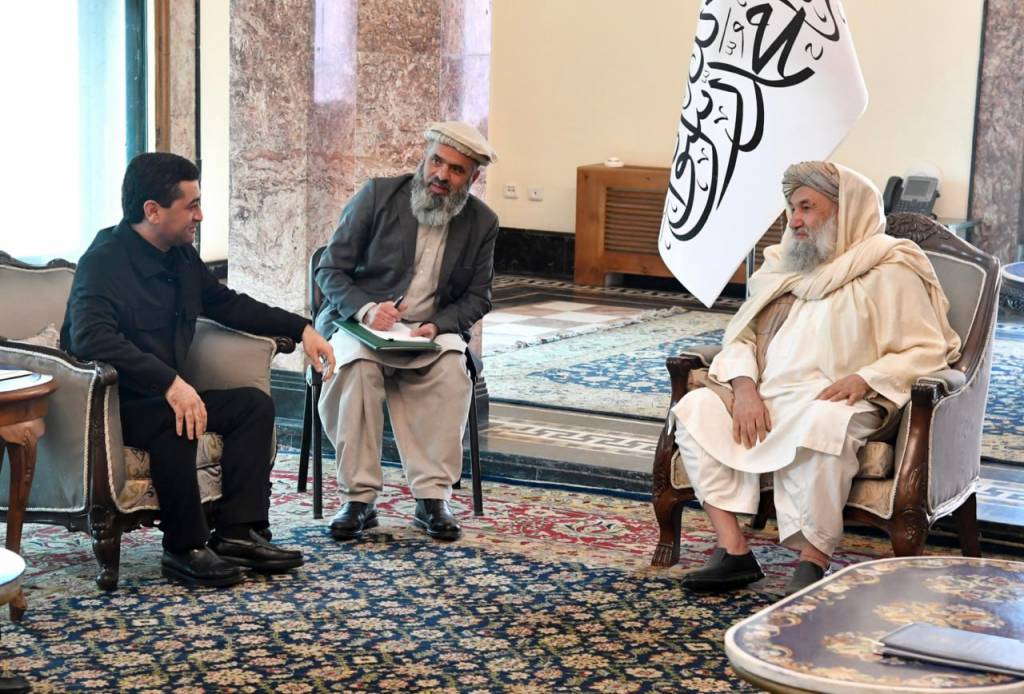
On March 12th, a delegation led by Uzbekistan’s Minister of Foreign Affairs Bakhtiyor Saidov visited Kabul to attend a meeting with officials of Afghanistan’s interim government: Acting Prime Minister Mullah Mohammad Hassan Akhund, Acting Deputy Prime Minister Mawlawi Abdul Salam Hanafi, Acting Deputy Prime Minister Mullah Abdul Ghani Baradar, Acting Foreign Minister Mawlawi Amir Khan Muttaqi, and Acting Minister of Commerce and Industry Nooruddin Azizi. According to the Uzbek Foreign Ministry, discussions focused on boosting economic ties and creating more favourable conditions for both countries’ business sectors. In a broadcast by Afghan TOLOnews, the Afghan government stated that in addition to economic cooperation, regional connectivity and transit through Afghanistan and Uzbekistan, the meeting covered the opening of an Afghan embassy in Uzbekistan. Attention was also paid to the Uzbek delegation’s interest in investment in a cement factory, coal mining, and a project to produce 200 megawatts of electricity from coal in Afghanistan. Referencing the Afghan Ministry of Agriculture, Irrigation and Livestock, TOLOnews reported on a statement by Uzbekistan’s minister of water resources. Having outlined his country’s experience in manufacturing equipment for the construction of dams and canals, as well as water management at a regional level, the minister declared Uzbekistan’s readiness to cooperate with Afghanistan in these fields. The issue of transboundary water use had come to the fore last month following Afghanistan’s announcement that construction has begun on the second phase of the Qosh Tepa Canal.
CIPE’s Inaugural B5+1 Forum Opens in Almaty

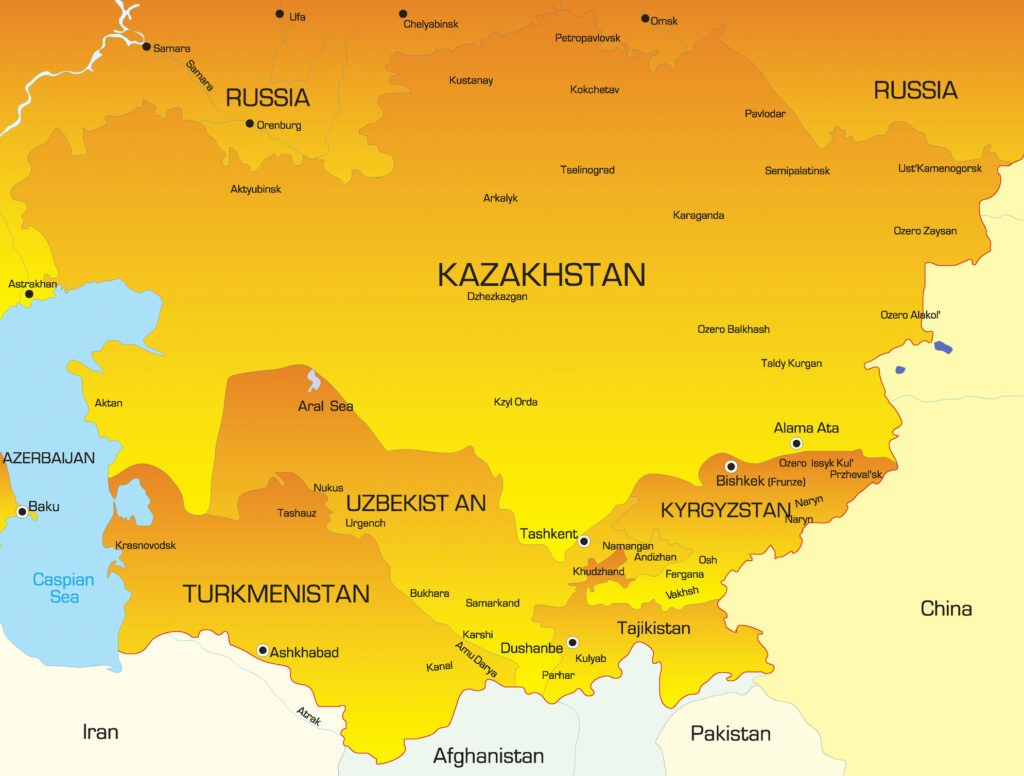
In recent years the countries of Central Asia have taken more confident steps towards working with the United States and Europe, so that both local and international companies and agencies can capitalize on the region’s potential.  Instrumental in this process has been the Center for International Private Enterprise (CIPE), which last year created the diplomatic ‘C5+1’ platform – a group comprising the governments of the five Central Asian republics – Kazakhstan, Uzbekistan, Kyrgyzstan, Tajikistan and Turkmenistan – plus the United States, whose State Department has been integral to the development of the platform. Following the first C5+1 Summit in New York in September 2023, led by the presidents of all six countries, CIPE has now created a dedicated business platform for these nations: ‘B5+1’. The inaugural B5+1 Forum will be held in Kazakhstan’s business capital of Almaty this week, and will bring together policy makers from Central Asia, America and other countries, as well as high-profile private companies working in the region.  At the C5+1 Summit, presidents Biden, Tokayev, Mirziyoyev, Japarov, Rahmon and Berdimuhamedov had committed to the establishment of B5+1 in order to “accelerate regional cooperation and connectivity [and]… advance efforts to create a more favorable business environment for U.S. private sector trade and investment in Central Asia.” The B5+1 event will be divided into two thematic days: “Looking within Central Asia” on Thursday 14 March, where representatives of the US Department of State, Kazakhstan’s Ministry of National Economy, the Caspian Policy Center and others will present their visions for improving Central Asia’s investment climate and economic integration; and “Central Asia’s place in the world economy” on Friday 15 March, where leaders from the US-Kazakhstan Business Council, the American-Uzbekistan Chamber of Commerce, the European Bank for Reconstruction and Development (EBRD) and others will look outwards, to give an international perspective on how the region can grow its trade and investment volumes. At a time of geopolitical upheaval and disruption of existing supply chains, the Almaty forum will also continue the conversation on enhancing regional connectivity via the Trans-Caspian International Transport Route, also known as the Trans-Caspian Corridor. The B5+1 Forum forms part of CIPE’s program called “Improving the Business Environment in Central Asia” (IBECA). CIPE themselves are affiliated to the US Chamber of Commerce – the catalyst behind the B7 and B20 platforms – and receive funding from the US Department of State.  The establishment of B5+1 is closely aligned with commitments made during the September C5+1 Presidential Summit and outlined in a document called the New York Declaration to strengthen their economic relations, and improve the business environment for regional economic integration and investments. The upcoming Forum aims to deliver on two key commitments in the declaration. The Times of Central Asia will be in attendance at the B5+1 Forum on 14-15 March, and will be publishing insight and analysis from the event.

Uzbekistan Ranks Fifth Among Tajikistan’s Bilateral Trade Partners

In a report issued by the Tajik state news outlet Khovar, Tajikistan's and Uzbekistan's intergovernmental commission on trade and economic cooperation met in Dushanbe on March 12th. The Tajik side stated its interest in collaborating with the Uzbek industrial sector to develop sizable industrial parks in Tajikistan. Proposals currently under consideration include production in the fields of building materials, pharmaceuticals, electronics, information technology, food, mining and metallurgy, textiles and clothing, and agricultural machinery and equipment. In addition, representatives from both countries shared perspectives on the the manufacture of tyres in cooperation with OJSC Talko, as well as the joint production of automobiles in Tajikistan. In 2023, bilateral trade between the two countries reached $500 million. With a share of 6.1 percent of Tajikistan's foreign trade total, Uzbekistan ranks fifth among its bilateral trade partners.

Female Entrepreneurs to Expand Mentoring – Great Strides for Uzbekistan

The Association of Business Coaches of Kazakhstan has launched the TalpynUp mentoring program for Central Asian women entrepreneurs. The project will be supported by the USAID Entrepreneurship and Business Environment Development Project at Imperial College, London. The six-month mentoring program will begin on April 20th in Kazakhstan, Uzbekistan, and Kyrgyzstan. It will help Central Asian women improve their business skills, and is aimed at those who have a business that has been operating for one to three years. Also, young businesswomen under the age of 29 who are mothers of children with special developmental needs will be able to gain valuable knowledge completely free of charge. The intensive mentoring program is based on individual training, mentoring and practical sessions with business coaches and experts. It consists of six modules focusing on such areas as sales, taxes and finance, human resources, management, and more. The organizers have emphasized the need for their program by explaining that, in the near future, artificial intelligence (AI) will replace many professions, especially those in which women are currently employed. Therefore, they need to develop and improve their skills and master new digital professions. In total, 190 female entrepreneurs from Kazakhstan have already been trained under the TalpynUp program. Now 60 young women each from Kyrgyzstan and Uzbekistan, and 120 Kazakhstani women will have access to the program. In 2022, the World Bank published comparative data on the earnings of men and women. Experts found that women around the world have, on average, only 77% of the legal rights that men have. However, according to the organization, Uzbekistan has made significant progress in ensuring equal rights for men and women. For example, the country has legislated equal pay regardless of gender, expanded the areas where women can work on an equal basis with men, and criminalized domestic violence. Thanks to these reforms, Uzbekistan has become one of the five countries with the greatest progress in gender equality - along with Jordan, Malaysia, Sierra Leone and Togo - and took first place in Central Asia in the Women, Business and the Law ranking. It's worth noting that the number of women engaged in business in Uzbekistan has doubled over the past five years to 205,000. About 200,000 women have been trained in professions and business, and more than 400,000 women and girls have gained employment.

Turkey to Step up Investment in Uzbekistan’s Production of Footwear

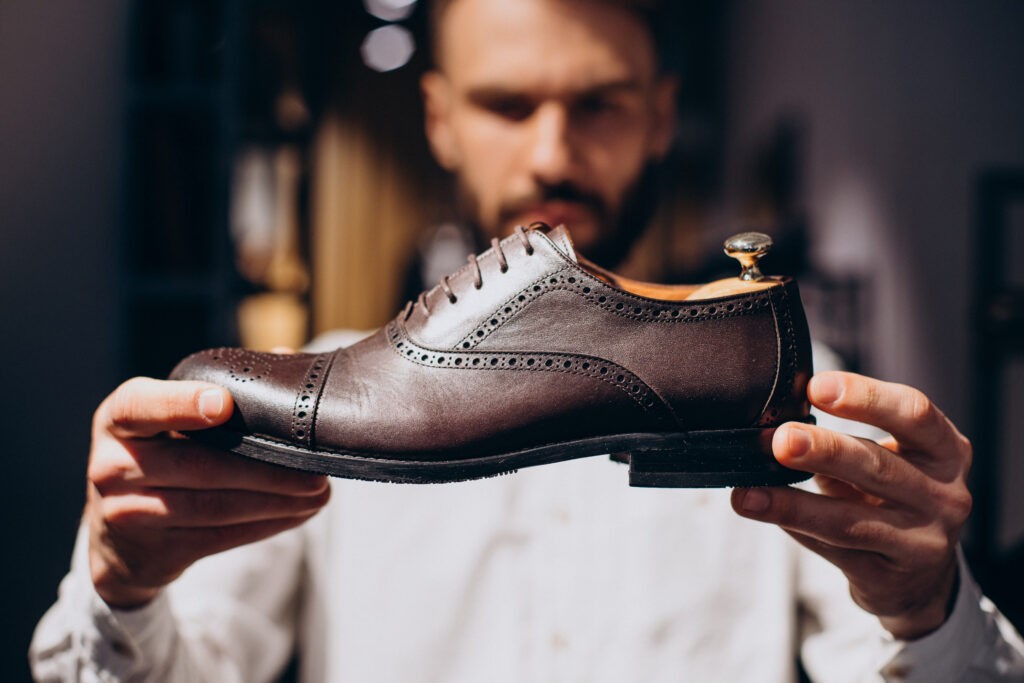
Turkish footwear manufacturers are ready to invest $1 million in the manufacture of leather, footwear and fur goods in Tashkent's Ahangaran district. Discussions between the head of Layki, a leader in the Turkish footwear and textile market, and Fakhriddin Boboevoy, chairman of the Uzcharmsanoat Association, focused on the company's bid for land, the schedule and format of subsequent conferences, technological issues and the exchange of best practices. Previous plans announced by the Uzcharmsanoat Association included the establishment of a leather and footwear production complex in the small industrial zone of Ahangaran comprising 26 projects with a total value of $30 million. The Turkish company Warboots, which has already committed $50 million to an enterprise to produce military footwear, has declared an interest in production at Ahangaran. Through an initial investment of $15 million, the enterprise will create 4,000 jobs for local residents. Other Turkish companies are likewise, keen to set up operations in the Ahangaran zone. The Gratto brand is conducting a feasibilty study for a tannery which will export products to Italy and other Commonwealth of Independent States (CIS) countries, and the Uzbek company Magna Sport is in talks with Turkey's Bursa Eldiven Sanayi to produce industrial gloves. The Turkish brand Myfit is liaising with Uzbek enterprises for the production of its licensed goods under an outsourcing system and preliminary agreements have been reached on the creation of product samples and the supply of raw materials. Uzbek industrialists, together with the Turkish company El Taban are due to begin production of next-generation shoe soles, with the initial cost of the project set at $2.1 million. Given the country's wide availability of raw materials, inexpensive labour and easy access to global markets, players in South Korea, Italy, Russia, China and Germany are also actively interested in embarking on joint projects with Uzbekistan's leather industry.

Uzbekistan’s Gold, Hard Currency Reserves Down by $2.4 Billion in 2024

As of March 1, 2024, the official reserve assets of Uzbekistan amounted to $32.19 billion, having decreased by $2.37 billion in January and February, according to data from the central bank. The regulator indicated that foreign-currency reserves dropped by $381.5 million in February and by $1.44 billion in January, with the combined decline of $1.82 billion reducing the remaining total to $7.55 billion. The price of gold dropped to $2,066 per ounce from $2,076 in January -- and to $2,059 by the end of February. However, in March, the price has set new records and is closing in on $2,200 per ounce. At the end of 2023, Uzbekistan’s so-called financial cushion was $34.56 billion, down $1.2 billion from the previous year. That was the first year-over-year decline in reserves since 2018. Over the course of the year, the physical volume of the country's gold reserves dropped by nearly 25 tons.