• KGS/USD = 0.01144 0%
  • KZT/USD = 0.00194 -0%
  • TJS/USD = 0.10822 -0.18%
  • UZS/USD = 0.00008 0%
  • TMT/USD = 0.28490 -0.28%
  • KGS/USD = 0.01144 0%
  • KZT/USD = 0.00194 -0%
  • TJS/USD = 0.10822 -0.18%
  • UZS/USD = 0.00008 0%
  • TMT/USD = 0.28490 -0.28%
  • KGS/USD = 0.01144 0%
  • KZT/USD = 0.00194 -0%
  • TJS/USD = 0.10822 -0.18%
  • UZS/USD = 0.00008 0%
  • TMT/USD = 0.28490 -0.28%
  • KGS/USD = 0.01144 0%
  • KZT/USD = 0.00194 -0%
  • TJS/USD = 0.10822 -0.18%
  • UZS/USD = 0.00008 0%
  • TMT/USD = 0.28490 -0.28%
  • KGS/USD = 0.01144 0%
  • KZT/USD = 0.00194 -0%
  • TJS/USD = 0.10822 -0.18%
  • UZS/USD = 0.00008 0%
  • TMT/USD = 0.28490 -0.28%
  • KGS/USD = 0.01144 0%
  • KZT/USD = 0.00194 -0%
  • TJS/USD = 0.10822 -0.18%
  • UZS/USD = 0.00008 0%
  • TMT/USD = 0.28490 -0.28%
  • KGS/USD = 0.01144 0%
  • KZT/USD = 0.00194 -0%
  • TJS/USD = 0.10822 -0.18%
  • UZS/USD = 0.00008 0%
  • TMT/USD = 0.28490 -0.28%
  • KGS/USD = 0.01144 0%
  • KZT/USD = 0.00194 -0%
  • TJS/USD = 0.10822 -0.18%
  • UZS/USD = 0.00008 0%
  • TMT/USD = 0.28490 -0.28%
18 December 2025

Viewing results 7909 - 7914 of 11586

Kazakhstan’s returnees frustrated by cold shoulders

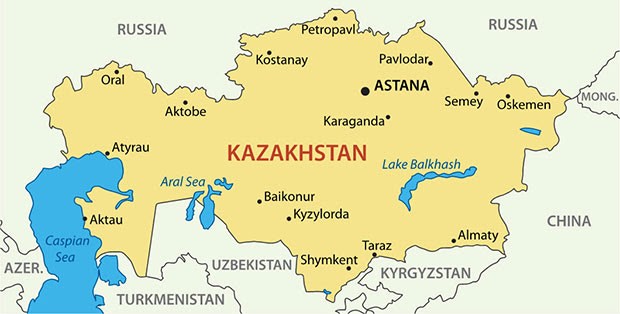
ALMATY (TCA) — Despite the official welcome policy of Kazakhstan’s authorities, ethnic Kazakhs that have returned to their historical homeland from neighboring countries experience hardships and often face unwelcome attitudes from the local population. We are republishing this article on the issue, written by Almaz Kumenov, originally published by Eurasianet: The joy that Tursynzhan Yesenalyuly felt in moving to his ethnic homeland of Kazakhstan from China four years ago wore off pretty quickly. Yesenalyuly, 44, lives with his three-year-old daughter in a cramped rented house in the village of Teskensu, around 80 kilometers east of Almaty, the business capital. “I have no property, no job and no support. I need food and clothing for my child. This wasn’t what I dreamed about when I returned to the land of my forefathers. And this is decidedly not what Kazakhstan’s authorities promised us,” Yesenalyuly told Eurasianet. In the immediate wake of independence, Kazakhstan emulated the experience of countries like Israel by flinging its doors open to ethnic kinfolk dispersed around the surrounding region. Ever since, however, the arriving migrants – known as Oralman, from the Kazakh word for returnees – have faced a battle for acceptance and have often struggled to prosper. But their complaints about lack of support from the government get short shrift from many who feel Oralmans have been given too many handouts. The bulk of ethnic Kazakh communities abroad are the descendants of people who fled their native land around the start of the Soviet experiment, when political unrest, repression, forced collectivization and famine prevailed. The main destinations were China, other republics of Central Asia and Mongolia. When the right-of-return program was enacted in the early 1990s, there were several urgent goals in mind. Anuar Galiyev, a history professor at Al-Farabi Kazakh National University, explained that the dissolution of the Soviet Union sparked a mass flight of ethnic Russians, leading to a demographic collapse. New people were desperately needed to make up the numbers. Another core, if often unspoken, notion was that the proportion of ethnic Kazakhs as a percentage of the broader population should increase. Under the last census to be carried out in Soviet times, ethnic Kazakhs accounted for less than 40 percent of the total population of what was then the Kazakh Soviet Socialist Republic. According to official figures, more than 1 million have to date seized the opportunity to resettle in Kazakhstan, mainly coming from China and Uzbekistan. The thought in the early 1990s was that arriving migrants could be resettled in sparsely populated rural locations and be put to work in underdeveloped sectors of the economy. Another history professor, Gulnara Mendikulova, told Eurasianet that the demand was mainly for people able to work on the land and raise livestock. Yesenalyuly indeed had a background in agriculture, although since moving to Kazakhstan he has made his paltry income mainly from working on building sites and he has been unable to find a permanent position. One major problem is that he is unable to speak...
Uzbekistan to create free tourist zone near Tashkent

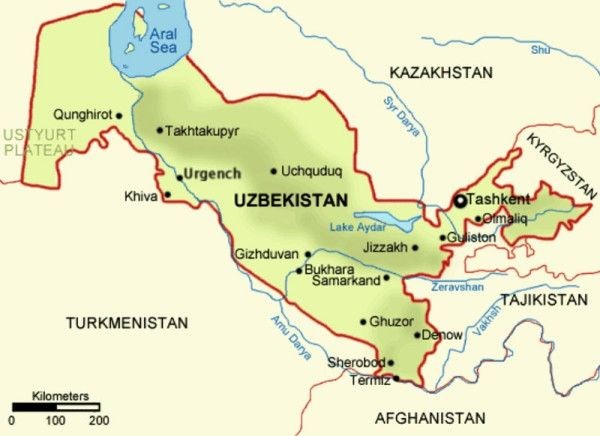
TASHKENT (TCA) — The government of Uzbekistan has approved the concept of development of the free tourist zone (FTZ) Charvak in the country’s Tashkent region, the Jahon information agency reported. Continue reading

FAO, GEF launch project to nurture natural resources in Central Asia, Turkey

ALMATY (TCA) — In the past 50 years, the population of the Central Asia region has tripled. With the need to feed a larger number of people amid increasingly limited water resources and highly vulnerable climatic conditions, the region faces serious food security challenges, the UN Food and Agriculture Organization (FAO) said. A newly launched regional project from FAO and the Global Environment Facility aims to tackle these challenges in Kazakhstan, Kyrgyzstan, Tajikistan, Turkey, Turkmenistan, and Uzbekistan. Continue reading

Kazakhstan presents its investment opportunities in Germany

ASTANA (TCA) — Within the framework of agreements reached during the meeting of the Prime Minister of Kazakhstan Bakytzhan Sagintayev with the leadership of the Eastern Committee of the German Economy at the recent Astana Economic Forum, the Kazakhstan delegation led by the Chairman of the Board of the KAZAKH INVEST National Company for Investment Support and Promotion, Saparbek Tuyakbaev, visited Germany (Cologne, Düsseldorf, Berlin) to participate in the business forum on “Investment Opportunities in Kazakhstan - Chances for German Companies”, organized jointly with the Chamber of Commerce and Industry of Cologne and the Eastern Committee of the German Economy, KAZAKH INVEST reported on June 4. Continue reading

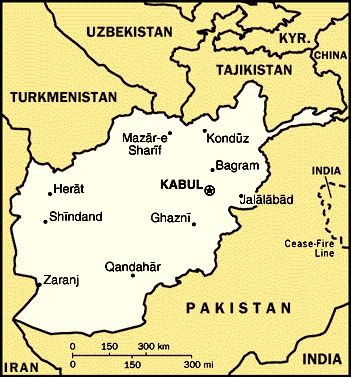
Afghanistan: Muslim clerics declare current war un-Islamic

KABUL (TCA) — More than 2,000 Afghan religious scholars from around the country issued a fatwa, an Islamic directive, on June 4, saying that “the ongoing war in Afghanistan is forbidden under the Islamic law”, Afghan broadcaster TOLOnews reported. Continue reading

India and Kyrgyzstan deepen their military cooperation

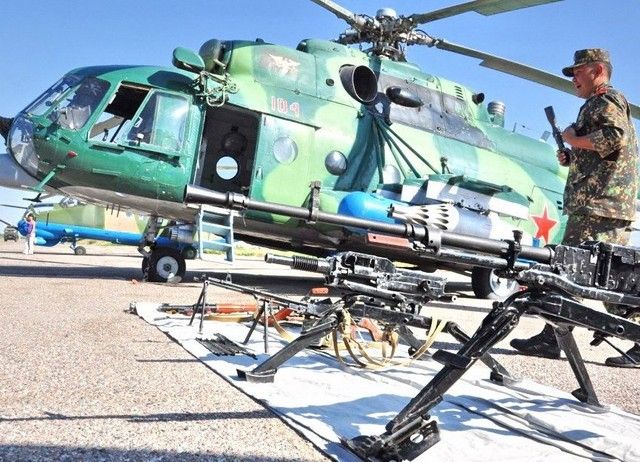
BISHKEK (TCA) — India is making inroads to Central Asia to counterbalance the growing influence of China in the region. India’s military cooperation with Kyrgyzstan can therefore be considered as part of such efforts. We are republishing this article on the issue, written by John C. K. Daly, originally published by The Jamestown Foundation’s Eurasia Daily Monitor: On May 14, Indian and Kyrgyzstani alpine special forces troops began a two-week joint training exercise at Kyrgyzstan’s Military Base 20636. The exercise included both lectures and practical classes on tactical, mountain and fire training, as well as survival techniques in mountainous conditions (AKIPress, May 21). The exercise is the second joint Indian-Kyrgyzstani military drill of 2018 and the latest in a series of discrete increasing bilateral military contacts over the past seven years. A core concern of both militaries is the development of military capabilities to battle terrorist groups in mountainous regions. The recent joint training followed in the wake of the bilateral Khanjar-V (“Blade”) exercise, the fifth iteration of joint training between the two countries’ militaries. The two-week long Khanjar-V drill began on March 16, at the Indian Army’s Counter Insurgency Jungle Warfare School, in Vairengte, Mizoram (India Blooms News Service, March 29). The scenarios included inserting airborne troops from helicopters to destroy a terrorist encampment. The first Khanjar exercise was conducted in December 2011, in Nahan, India. The scope of the operation was extremely modest, with only 20 Kyrgyzstani service members participating (Kant.kg, March 18, 2015). Three years later, the two-week long Khanjar-II joint operation was held at Tokmok, in Kyrgyzstan, on March 10–25, 2015 (Embassyofindia.kg, accessed May 31, 2018). The exercise took place in the Shamsi Gorge region, just outside the Kyrgyz Republic’s capital city of Bishkek. The participants included members of the Kyrgyzstani “Scorpion” special forces alongside servicemen of military unit number 01525 and 50 Indian special-purpose fighters, for a total of roughly 100 service members (K-News, March 11, 2015). Three months after the bilateral exercise in Shamsi Gorge, Indian Prime Minister Narendra Modi visited Kyrgyzstan, on July 11–12, 2015, at the end of an eight-day six-country tour of Central Asia, on his way back from Russia after the BRICS/Shanghai Cooperation Organization (SCO) summits. Speaking to journalists following his talks with then-president of Kyrgyzstan Almazbek Atambayev, Modi emphasized the two countries’ shared concerns about terrorism and extremism, remarking, “We both seek a peaceful and secure neighborhood at a time of challenges in our region. And, we have [a] shared interest in combating extremism and terrorism that has become a threat without borders.” Noting that bilateral defense ties were strong, he continued, “The special forces of the armed forces of the two countries held the ‘Khanjar 2015’ joint exercise in Kyrgyzstan in March, which reflected continuity in exercises held in India in 2011” (Press Trust of India, July 12, 2015). During Modi’s 2015 visit, New Delhi and Bishkek signed four key agreements on cooperation in defense and cultural fields. Modi said that during his discussions with the Kyrgyzstani government,...