• KGS/USD = 0.01144 0%
  • KZT/USD = 0.00215 0%
  • TJS/USD = 0.10641 0%
  • UZS/USD = 0.00008 0%
  • TMT/USD = 0.28530 0%
  • KGS/USD = 0.01144 0%
  • KZT/USD = 0.00215 0%
  • TJS/USD = 0.10641 0%
  • UZS/USD = 0.00008 0%
  • TMT/USD = 0.28530 0%
  • KGS/USD = 0.01144 0%
  • KZT/USD = 0.00215 0%
  • TJS/USD = 0.10641 0%
  • UZS/USD = 0.00008 0%
  • TMT/USD = 0.28530 0%
  • KGS/USD = 0.01144 0%
  • KZT/USD = 0.00215 0%
  • TJS/USD = 0.10641 0%
  • UZS/USD = 0.00008 0%
  • TMT/USD = 0.28530 0%
  • KGS/USD = 0.01144 0%
  • KZT/USD = 0.00215 0%
  • TJS/USD = 0.10641 0%
  • UZS/USD = 0.00008 0%
  • TMT/USD = 0.28530 0%
  • KGS/USD = 0.01144 0%
  • KZT/USD = 0.00215 0%
  • TJS/USD = 0.10641 0%
  • UZS/USD = 0.00008 0%
  • TMT/USD = 0.28530 0%
  • KGS/USD = 0.01144 0%
  • KZT/USD = 0.00215 0%
  • TJS/USD = 0.10641 0%
  • UZS/USD = 0.00008 0%
  • TMT/USD = 0.28530 0%
  • KGS/USD = 0.01144 0%
  • KZT/USD = 0.00215 0%
  • TJS/USD = 0.10641 0%
  • UZS/USD = 0.00008 0%
  • TMT/USD = 0.28530 0%

Our People > Andrei Matveev

Andrei Matveev's Avatar

Journalist

Andrei Matveev is a journalist from Kazakhstan.

Articles

Balancing Secularism and Belief: Central Asia Grapples with Rising Islamization

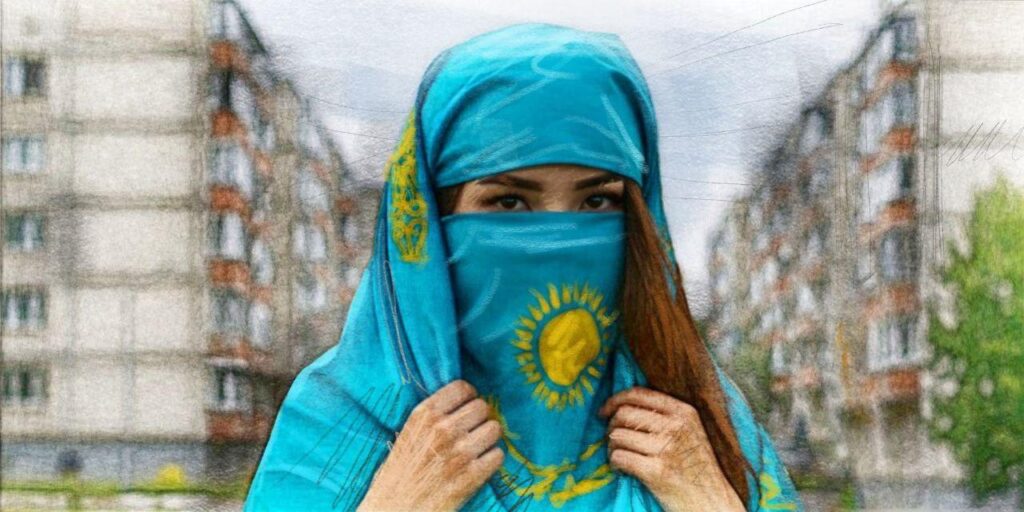
Although the Central Asian republics officially uphold secular governance, they may be experiencing a subtle, creeping Islamization beneath the surface. While state-controlled media across the region maintain that religious movements are well-managed, occasional incidents suggest a growing divergence between official narratives and societal realities. One such incident recently drew attention in Kazakhstan, where a photo circulated online showing girls in burkas holding a Kazakh flag inscribed with Arabic script. The image prompted Mazhilis Deputy Yermurat Bapi to call on the government to intensify efforts against radical religious movements. “Our attention was drawn to the fact that the inscriptions on the flag in Arabic script were produced with a special printing tool. This is not just hooliganism or inappropriate behavior. It is a direct challenge to our society, our statehood, and our national traditions,” Bapi said. Citing "national interests, traditions, and culture," Bapi has previously campaigned for a ban on religious clothing, specifically hijabs and niqabs, in public places. On social media, proponents of a Central Asian caliphate have railed against national traditions, denouncing Nauryz, criticizing local costumes and instruments, and rejecting pre-Islamic cultural heritage. Since President Shavkat Mirziyoyev took office in 2016, Uzbekistan has cautiously liberalized its religious policy. However, strict state control persists. Imams must be approved by the Muftiate, unregistered religious groups are banned, and mosque inspections are routine. The state endorses the Hanafi madhhab as the “national form of Islam” and recognizes Naqshbandi Sufism as part of its cultural heritage. Salafi and extremist movements are actively suppressed, and while former “black lists” of suspected extremists are being revised, some religious prisoners are being rehabilitated. Islamic education is expanding through madrasas, Islamic colleges, and the Islamic Academy of Uzbekistan. Tajikistan has pursued an aggressive campaign to secularize public life. The Islamic Renaissance Party, once a legal political force, was banned in 2015 as “extremist.” The state restricts youth access to mosques, prohibits the hijab in schools and public offices, and has shuttered over 1,500 mosques since 2011. As previously reported by TCA, a 2024 law bans “foreign clothing” - widely interpreted as targeting Arabic attire, including the hijab - to promote national dress. Islam is framed as a cultural element within state ideology, with the Committee on Religious Affairs closely monitoring clerics. Kyrgyzstan is widely viewed as the most religiously open state in the region. Post-Soviet liberalization allowed Islam to grow organically, with little initial oversight. Today, numerous Islamic groups, including Salafis, operate within the country. Rural communities and youth increasingly identify with Islam. Private madrasas and Islamic NGOs are flourishing, and hijab adoption is on the rise. Though the government has begun tightening oversight following incidents of radicalization, Salafi influence continues to grow. By 2023, there were 130 Islamic educational institutions, including 34 madrasas for girls. In Turkmenistan, one of the world’s most closed societies, religious freedom is strictly curtailed. All religious activity is monitored, and Islamic institutions are intertwined with nationalist and presidential cult rhetoric, often referred to as “Turkmen Islam.” Unregulated Islamic movements and foreign...

1 year ago
EU’s Kallas Tours Central Asia Ahead of Landmark Samarkand Summit

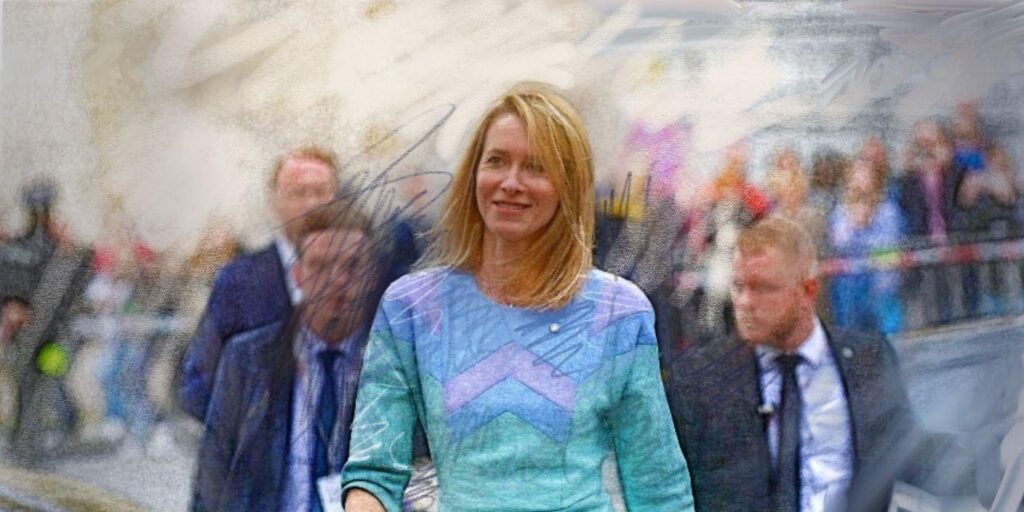
Last week, Kaja Kallas, the European Union's High Representative for Foreign Affairs and Security Policy and Vice-President of the European Commission, toured Central Asia in advance of the first-ever EU-Central Asia Summit. The notable meeting is set to take place in the ancient Uzbek city of Samarkand on April 3-4. EU-Central Asia Summit Samarkand, a city increasingly popular among international travelers, has hosted high-level gatherings before, including the Shanghai Cooperation Organization Summit in September 2022. However, the upcoming summit marks the first time the top leadership of all five post-Soviet Central Asian republics will convene with the EU at this level. Key topics on the agenda include energy cooperation, trade corridors, and climate change. The summit is expected to produce several agreements that will outline the progress of EU-Central Asia relations and establish strategic policy directions for the future. Visit to Turkmenistan Kallas began her tour in Ashgabat, where she chaired the 20th EU-Central Asia Foreign Ministers’ Meeting. There, she addressed the implications of EU sanctions on Russia. “The European Union has enacted 16 sanctions packages and is currently preparing the 17th. I understand these measures impact the region’s economies, but Russian companies must not be allowed to use Central Asia to circumvent them,” Kallas warned. The meeting also focused on the EU-Central Asia roadmap adopted in Luxembourg in October 2023. Discussions centered on deepening trade, economic, and transport ties, along with expanding digital connectivity as part of the EU's Global Gateway initiative. Kallas also met with Turkmen President Serdar Berdimuhamedov, praising Turkmenistan’s development and expressing appreciation for bilateral cooperation. Her remarks drew criticism from some observers. Belarusian political analyst Dzmitry Balkunets criticized Kallas on social media, accusing the EU of compromising its values by praising authoritarian regimes. Uzbekistan Visit In Tashkent, Kallas met with President Shavkat Mirziyoyev. Discussions highlighted the upcoming Samarkand summit and stressed the importance of deepening EU-Uzbek cooperation in trade, logistics, digitalization, green energy, and infrastructure. Both sides also explored steps toward a new enhanced partnership agreement and Uzbekistan’s accession to the World Trade Organization. Visit to Kazakhstan Kallas concluded her tour in Astana, where she met with President Kassym-Jomart Tokayev on March 28. A statement from Tokayev’s office underlined Kazakhstan’s cautious diplomatic approach to global tensions. "President Tokayev emphasized the importance of restraint and responsibility in evaluating complex global developments. Kazakhstan remains committed to resolving international conflicts through diplomacy," the statement read. Analysts suggest Kallas may have encouraged Tokayev to distance Astana from both Moscow and Washington, as Brussels often diverges from Washington on issues like the war in Ukraine. However, Tokayev reiterated Kazakhstan’s multi-vector foreign policy, which avoids aligning with any single global power. In a notable development, Tokayev met with Uzbek President Mirziyoyev last weekend in Almaty. Though unannounced, the working visit suggests that the two leaders were coordinating positions ahead of the Samarkand summit. Whether their joint stance aligns with Brussels' expectations remains to be seen.

1 year ago

Opinion: Kazakhstan Caught in the Crossfire of Caspian Pipeline Strikes

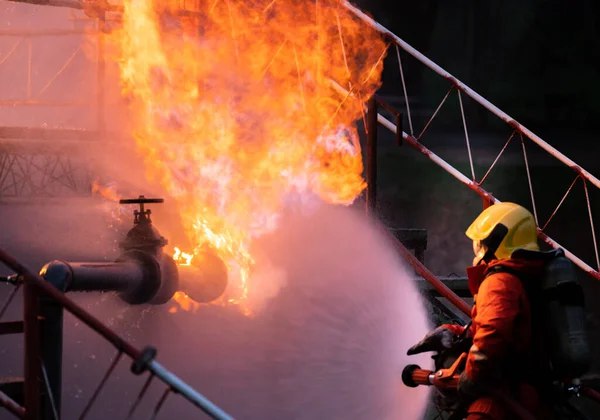
The developing peace process between Russia and Ukraine, initiated by U.S. President Donald Trump, offers a glimmer of hope for stability. Yet Kazakhstan finds itself in a difficult position, caught in the crosshairs of a conflict that continues to spill across its borders, at least economically. Over the past few months, the Caspian Pipeline Consortium (CPC), through which more than 80% of Kazakhstan’s oil is exported, has become the target of repeated drone attacks linked to the war in Ukraine. Despite a tentative ceasefire agreement, damage to CPC infrastructure continues. In mid-March, the Kavkazskaya oil depot in Russia’s Krasnodar region, part of the CPC system, suffered a major fire following a suspected Ukrainian drone attack. According to Reuters, the blaze lasted nearly a week before being extinguished, raising concerns about the vulnerability of energy infrastructure in the region. Western outlets have confirmed that the CPC’s Kropotkinskaya pumping station was targeted around the same period. S&P Global reported that drone strikes on March 18-19 damaged a key facility transferring oil from rail tankers to the pipeline system. Business Insider noted the attack caused serious financial disruption, particularly for CPC shareholders such as Chevron-led Tengizchevroil. Kazakhstani journalist Oleg Chervinsky has stated that the CPC was included in a ceasefire moratorium on mutual strikes, reportedly agreed upon by both sides. If accurate, the March attacks could suggest a violation of those terms. AP News has also highlighted ambiguity in the ceasefire framework, with Russia and Ukraine each accusing the other of non-compliance. The economic stakes for Kazakhstan are high. According to oil and gas analyst Olzhas Baidildinov, the CPC distributed $1.3 billion in dividends in 2024, with KazMunayGas, Kazakhstan’s national oil company, receiving an estimated $250 million, approximately $85 million of which was channeled into the state budget. At a time when Kazakhstan is still recovering from a budget deficit, further disruptions to CPC operations are more than technical, they threaten fiscal stability. Yet the response from Astana has remained subdued. Political analyst Andrei Chebotarev recalled that following an an earlier attack in February, the Kazakh Ministry of Foreign Affairs pledged to engage with its Ukrainian counterparts. What emerged from those talks remains unclear. Chebotarev also noted that Ukraine has yet to appoint a new ambassador to Kazakhstan, despite generally constructive relations. Fellow analyst Daniyar Ashimbayev has speculated that geopolitical rivalries may be at play, including competition with the Baku-Tbilisi-Ceyhan pipeline and Kazakhstan’s recent overproduction within OPEC+, though these claims remain unverified. In a brief official comment, Deputy Foreign Minister Alibek Kuantyrov confirmed that Kazakhstan remains in contact with Ukraine and that discussions are ongoing. Meanwhile, the Ministry of Energy has stated that Kazakh oil continues to flow through the CPC pipeline without restriction. Yet, for many observers, Kazakhstan’s measured diplomacy, perhaps aimed at avoiding antagonism with either side, is beginning to feel inadequate. As key infrastructure remains exposed to cross-border conflict, the case for a firmer and more public diplomatic posture grows stronger.

1 year ago

Power Shifts in Central Asia: The Unpredictable Path of Leadership

European Union Commissioner for International Partnerships Josef Sikela has concluded his tour of Central Asia, a visit conducted against the backdrop of global geopolitical turbulence. Unlike previous engagements, where European officials often criticized the region’s leadership for a lack of democratic progress, Sikela refrained from making demands on local governments. Historically, Europe has accused Central Asian states of authoritarianism and the entrenchment of long-serving leaders. However, the idea that power is uniquely permanent in the region is increasingly questioned. Critics point to Western examples, such as Angela Merkel’s 16-year tenure as Germany’s chancellor, and alleged electoral manipulation within the EU, such as in Romania, where elections were annulled after an undesired candidate’s victory. Meanwhile, in Central Asia, even presidents once considered “eternal” have eventually left office, sometimes peacefully, sometimes under turbulent conditions. Kyrgyzstan: The Unpredictable Outlier Kyrgyzstan is often described as a "democratic exception" within Central Asia, yet its history is marked by political instability and frequent leadership changes, arguably more so than in many of the world’s most conflict-prone regions. The country’s first president, Askar Akayev, held power from 1990 to 2005. Though re-elected three times, his rule ended in March 2005 when protests erupted over parliamentary election results that heavily favored pro-government candidates. Demonstrators stormed the Government House in Bishkek, prompting Akayev to flee. Reports, though unverified, claimed he was smuggled out wrapped in a carpet. Following Akayev’s ouster, Kurmanbek Bakiyev took power, but his rule ended in 2010 after violent unrest. His downfall was allegedly facilitated by Kazakhstan’s intelligence services, and he later found political asylum in Belarus under President Alexander Lukashenko. Since Bakiyev’s departure, Kyrgyzstan has continued to experience political turbulence. Presidents Almazbek Atambayev (2010-2017) and Sooronbai Jeenbekov (2017-2020) both left office under pressure. Atambayev’s tenure saw a diplomatic fallout with Kazakhstan, while Jeenbekov resigned in 2020 amid protests over parliamentary elections. His successor, Sadyr Japarov, remains in office, but whether he will complete his term is an open question. Uzbekistan: Reform Within Limits Islam Karimov, Uzbekistan’s first post-Soviet leader, ruled for over 26 years before his death in 2016. While he maintained a strictly centralized government, his tenure was also marked by violent crackdowns, most notably the Andijan uprising in 2005, which resulted in a Western diplomatic fallout​. His successor, Shavkat Mirziyoyev, has introduced some reforms, loosening restrictions on civil liberties and the economy. However, the fundamental structure of state control remains intact, with opposition movements still tightly monitored. Kazakhstan: From Nazarbayev to Tokayev Kazakhstan’s transition from Nursultan Nazarbayev to Kassym-Jomart Tokayev is often described as managed succession rather than a genuine power shift. Nazarbayev, who led Kazakhstan for nearly three decades, officially stepped down in 2019, yet retained significant influence until the January 2022 unrest, which forced him to relinquish much of his remaining power. These protests, initially sparked by fuel price hikes, rapidly escalated into anti-government riots. While official accounts describe the unrest as an attempted coup orchestrated by figures within Nazarbayev’s inner circle, critics suggest Tokayev used the crisis to consolidate power....

1 year ago

Urban Legends of Central Asia: The Global Allure of Supernatural Tales

Supernatural TV series coming out of the U.S. have captivated audiences with their blend of mystery, horror, and fantasy. Shows like Buffy the Vampire Slayer, and Stranger Things explore themes of good versus evil, the unknown, and human resilience in the face of extraordinary threats. Their storytelling and relatable characters have created devoted fan bases and influenced pop culture. This year marks the 20th anniversary of Supernatural, the television series that evolved into a global cult phenomenon over its 15-season run and was a hit in Kazakhstan. The show followed the Winchester brothers as they hunted ghosts, demons, and other preternatural beings, drawing on local legends and folklore. But tales of the uncanny are not exclusive to the American Midwest. Central Asia - and Almaty in particular - offers a rich tapestry of urban myths that could easily serve as material for a local paranormal series. Recent years have seen an explosion in the horror/paranormal genre across Central Asia, with domestic productions now outperforming foreign blockbusters at the box office in Kazakhstan, something which was unthinkable just a decade ago. The Hitchhiking Ghosts of Almaty One of the earliest episodes of Supernatural features a ghostly hitchhiker, an image that Almaty residents might find eerily familiar. “I often drive the Kapchagay highway past midnight,” said Vadim, a resident of a village north of Almaty. “A couple of times I’ve seen a figure in white, just like the one my grandfather used to talk about, the ghost of a girl thumbing for a ride. If you stop, she asks you to call her parents and gives you a city phone number. But it’s an old Soviet six-digit number. When people called, someone on the other end would say their daughter had died long ago.” In another variation, the phantom begins to flirt with the driver, until he looks down and sees that instead of feet, she has hooves. There are multiple versions of this legend. Another ghostly hitchhiker is said to haunt Zhandosov Street near a former fruit and vegetable factory, reportedly foretelling fatal accidents. A third ghost is rumored to dwell in a bank building at the intersection of Seyfullin and Shevchenko streets, which is allegedly constructed upon the grave of a woman who was murdered. This last tale, however, doesn’t hold up to scrutiny. The building once housed a design institute and later a high-end nightclub, hardly the kind of place a malevolent spirit would haunt. Local students and clubgoers have reported no paranormal activity. The Martyr of Baum Grove Baum Grove in Almaty has long been the subject of ghost stories, many centered on a buried treasure and the murder of an Orthodox bishop during the Russian Civil War. While the Soviet authorities never investigated the legend, literature offers a clue. In his 1925 novel Mutiny, Bolshevik writer Dmitry Furmanov recounted the extrajudicial killing of a bishop outside the city by drunken Red Army soldiers. Historical records confirm that on September 16, 1918, troops from Ivan Mamontov’s punitive detachment abducted Bishop...

1 year ago