• KGS/USD = 0.01144 0%
  • KZT/USD = 0.00210 0%
  • TJS/USD = 0.10563 0%
  • UZS/USD = 0.00008 0%
  • TMT/USD = 0.28530 0%
  • KGS/USD = 0.01144 0%
  • KZT/USD = 0.00210 0%
  • TJS/USD = 0.10563 0%
  • UZS/USD = 0.00008 0%
  • TMT/USD = 0.28530 0%
  • KGS/USD = 0.01144 0%
  • KZT/USD = 0.00210 0%
  • TJS/USD = 0.10563 0%
  • UZS/USD = 0.00008 0%
  • TMT/USD = 0.28530 0%
  • KGS/USD = 0.01144 0%
  • KZT/USD = 0.00210 0%
  • TJS/USD = 0.10563 0%
  • UZS/USD = 0.00008 0%
  • TMT/USD = 0.28530 0%
  • KGS/USD = 0.01144 0%
  • KZT/USD = 0.00210 0%
  • TJS/USD = 0.10563 0%
  • UZS/USD = 0.00008 0%
  • TMT/USD = 0.28530 0%
  • KGS/USD = 0.01144 0%
  • KZT/USD = 0.00210 0%
  • TJS/USD = 0.10563 0%
  • UZS/USD = 0.00008 0%
  • TMT/USD = 0.28530 0%
  • KGS/USD = 0.01144 0%
  • KZT/USD = 0.00210 0%
  • TJS/USD = 0.10563 0%
  • UZS/USD = 0.00008 0%
  • TMT/USD = 0.28530 0%
  • KGS/USD = 0.01144 0%
  • KZT/USD = 0.00210 0%
  • TJS/USD = 0.10563 0%
  • UZS/USD = 0.00008 0%
  • TMT/USD = 0.28530 0%

Our People > Dmitry Pokidaev

Dmitry Pokidaev's Avatar

Dmitry Pokidaev

Journalist

Dmitry Pokidaev is a journalist based in Astana, Kazakhstan, with experience at some of the country's top media outlets. Before his career in journalism, Pokidaev worked as an academic, teaching Russian language and literature.

Articles

Half of Marriages in Kazakhstan End in Divorce; Deputies Propose State Alimony Fund

Nearly half of all marriages in Kazakhstan ended in divorce by the close of 2024, prompting renewed calls for the establishment of a state-backed alimony fund. Justice Minister Yerlan Sarsembayev addressed the issue during a recent speech to members of Parliament, citing the breakdown of family values and widespread failure to support children as key social concerns. “Unwillingness to support their children and evasion from paying alimony are consequences of the crisis in family and marital relations,” Sarsembayev said. “The values that were once inherent to our people are being lost, unfortunately. As a result, families suffer and, above all, the children.” As of early 2024, Kazakhstan recorded over 283,000 enforcement orders related to child support payments, with around 12,000 cases, roughly 4%, categorized as problematic. The main obstacles to enforcement, according to Sarsembayev, include lack of stable income, absence of property, and in some cases, the deliberate concealment of earnings by one parent. To address the issue, the state has attempted to find employment for debtors without permanent income. However, more severe measures have also been implemented: in 2024, 4,642 individuals were held administratively liable, while 461 cases were brought to court under Article 139 of the Criminal Code of the Republic of Kazakhstan. Of these, 391 resulted in convictions. “Nevertheless, we believe that these punitive measures alone cannot fully resolve the issue of non-payment,” Sarsembayev added. “If a person does not understand the value of family and responsibility toward their children, no punishment will help.” Proposal for a State Alimony Fund During the same government session, Mazhilis deputy Magerram Magerramov once again proposed the creation of a state alimony fund to address chronic payment failures. The country’s total child support arrears now exceed 16 billion tenge (approximately $30.5 million), and the amount continues to grow. Magerramov’s proposal has been floated before but failed to gain traction. The Ministry of Justice previously objected to the idea, citing concerns about the financial burden on the state and the risk of encouraging dependency. “This idea has not been supported in the past because it would place a strain on the national budget,” Sarsembayev explained. “Moreover, establishing such a fund could promote a sense of dependency among those obliged to pay alimony, who might assume the state will cover their obligations.” As The Times of Central Asia previously reported, a survey conducted last year revealed that 78% of young Kazakhs believe in the importance of officially registering a marriage, a statistic that reflects a continuing societal emphasis on formal family structures despite rising divorce rates.

12 months ago
Kazakhstan Aims to Double Oil Refining Capacity by 2040

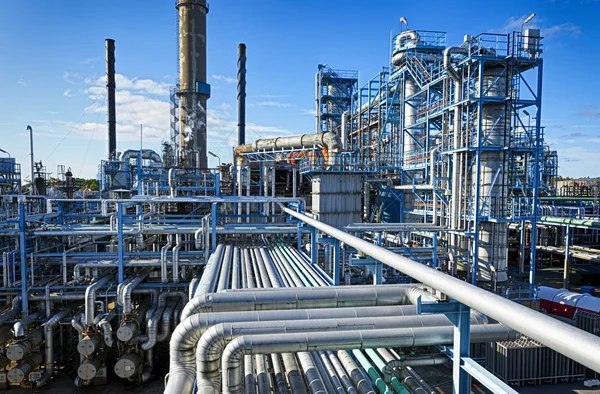
Kazakhstan plans to double its oil refining capacity to 38 million tons by 2040, according to the country’s Minister of Energy, Yerlan Akkenzhenov. The announcement came during a recent meeting with executives from the national oil company KazMunayGas and representatives from the country’s four main refineries: Atyrau, Pavlodar, Shymkent, and the Aktau-based Caspi Bitum plant. Akkenzhenov said the goal is enshrined in Kazakhstan’s new Oil Refining Industry Development Concept for 2025-2040, which aims to significantly boost the share of refined oil, improve resource efficiency, and increase the production of value-added petroleum products. Key objectives of the strategy include: Increasing the depth of refining to 94%, aligning with global best practices; A full transition to high environmental standard fuels, such as K5 gasoline and Jet A-1 jet fuel; Expanding the production of petrochemical products for both domestic and international markets; Enhancing the technological sophistication and operational efficiency of Kazakhstan’s refineries. “We must not just supply the domestic market with fuel today but lay the foundation for technological sovereignty and sustainable development for decades to come,” Akkenzhenov said. “The successful realization of this concept depends on our ability to work efficiently, make bold decisions, and take responsibility for them. There is no time for hesitation, the country expects concrete results: modern plants, quality products, and reliable power supply.” As part of the initiative, the minister urged the accelerated development of a feasibility study to double the capacity of the Shymkent refinery and called for swift agreement signings with potential partners. He also stressed the need for the Pavlodar petrochemical plant to begin work on its next expansion phase. Meanwhile, the Atyrau refinery is to focus on implementing approved projects while preparing for further capacity growth. The Caspi Bitum plant has been tasked with completing post-modernization commissioning and ensuring stable operations. Kazakhstan’s three major oil refineries are located in: Pavlodar (northeast); Atyrau (west); Shymkent (south). As previously reported by The Times of Central Asia, the national antimonopoly agency proposed in March to privatize state stakes in the Pavlodar and Atyrau refineries, a move that could reshape the sector’s ownership landscape.

12 months ago

Kazakhstan to Permit Industrial Hemp Cultivation

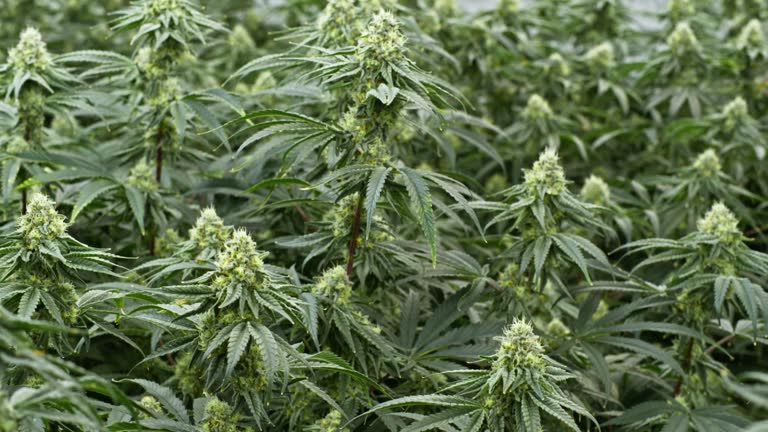
Kazakhstan will legalize the cultivation of industrial hemp, with the measure already approved by the Mazhilis, the lower house of parliament. The provision is part of a draft law aimed at eliminating unnecessary regulation of internal affairs bodies. Vice Minister of Internal Affairs Sanzhar Adilov confirmed the development during a parliamentary session. According to Adilov, the Ministry of Internal Affairs has already issued four licenses for the cultivation of technical cannabis. The new regulation is designed to enable the use of industrial hemp in manufacturing sectors such as paper, textiles, and construction materials. Industrial Use, Not for Intoxication During discussions in the Mazhilis, some deputies raised concerns about whether the cultivation of hemp might attract drug users or traffickers. Addressing these fears, Adilov emphasized the stark chemical differences between industrial and wild cannabis. “Wild-growing marijuana in the Chui Valley contains more than 15% tetrahydrocannabinol (THC), while industrial hemp contains just 0.1% to 0.3% THC,” he explained. “As a police officer, I can say this production holds no interest for drug users or traffickers. Industrial hemp cultivation is not prohibited by law.”  Adilov noted that one farm in the Kostanay region is already engaged in the cultivation and processing of industrial hemp under one of the existing licenses. Revisiting an Old Idea The concept of using hemp for industrial purposes, particularly in paper production, has been circulating in Kazakhstan for more than a decade. However, past initiatives were not government-led. Roughly ten years ago, the National Chamber of Entrepreneurs “Atameken” proposed utilizing hemp to reduce Kazakhstan’s dependency on imported office paper, which costs the country an estimated $100 million annually. Although the proposal was backed by Dariga Nazarbayeva, then Deputy Prime Minister and the eldest daughter of former President Nursultan Nazarbayev, it failed to gain broader government support at the time.  Now, with the government itself spearheading the effort, the project is being revived with stronger institutional backing. The entire cultivation and processing cycle of industrial hemp will be monitored by anti-narcotics authorities to ensure regulatory compliance and security. 

12 months ago

Kazakhstan Bans Use of Public Funds to Pay Foreign Athletes

President Kassym-Jomart Tokayev has signed a new law prohibiting the use of state budget funds and funds from the quasi-governmental sector, to finance the participation of foreign athletes in Kazakh sports clubs. Under the legislation, foreign “legionnaires” may now only be contracted using money from private sponsors. The move aims to refocus state support on domestic talent in professional sports. According to the presidential administration, athletes holding Kazakhstani passports who compete at elite levels, including in Olympic, Paralympic, Deaflympic, Asian, and national sports, will remain eligible for public funding. Funding Priorities and Implementation “The priority sports will be defined based on achievements on the international stage,” Akorda stated. These will include sports featured in the programs of major multi-sport events, along with traditional national disciplines. Budget allocations will also continue for state-run physical culture and sports organizations, grassroots sports initiatives, and the development of sports infrastructure. The final list of high-performance priority sports, along with detailed budget allocation procedures, will be finalized by the Ministry of Tourism and Sports. In addition to the funding changes, the new law introduces unified standards for athlete training and outlines measures to promote traditional values and patriotic education. A new concept, “national standards of sports training”, has been formally introduced into legislation. Financial Impact and Transition Period Deputy Minister of Tourism and Sports Serik Zharasbayev previously estimated that Kazakhstan allocates around 400 billion tenge (approximately $797 million) annually to high-performance sports through national and regional budgets. Currently, football and hockey clubs can receive up to 1.2 billion KZT ($2.4 million) per year, while basketball and volleyball clubs are limited to 450 million KZT ($897,000). The new rules, however, will not affect existing contracts, as Kazakh law is not retroactive. Nevertheless, authorities have advised clubs across all sports not to sign new agreements with foreign athletes in 2025. Potential Legal Challenges Observers note that the restrictions may conflict with Kazakhstan’s obligations under the Eurasian Economic Union (EAEU) Treaty, which guarantees the free movement of labor among member states. The move could impact the future participation of Russian and Belarusian athletes, in particular, in Kazakhstan’s domestic leagues. As previously reported by The Times of Central Asia, legal interpretations of the EAEU Treaty’s provisions may play a decisive role in how these new restrictions are implemented in practice.

12 months ago

Kazakhstan Plans 25% Gas Output Increase by 2030

Kazakhstan aims to significantly increase its natural gas production over the next five years, raising output from 59 billion cubic meters to 74 billion cubic meters by 2030. The announcement was made by Deputy Minister of Energy Alibek Zhamauov during the Energy Trends: Gas & Petrochemicals forum in Astana. Production Growth Driven by Major Fields and New Developments In 2023, Kazakhstan produced 59 billion cubic meters of gas, with output projected to rise to 62.8 billion cubic meters in 2024. This growth will be driven by ongoing production at the country’s largest fields, Tengiz, Karachaganak, and Kashagan, as well as the launch of new sources, including the Rozhkovskoye, Anabai, and Urikhtau fields. “Our goal is to increase gas production to 74 billion cubic meters by 2030,” Zhamauov stated. “But the key task is to process gas within the country as efficiently as possible to supply our citizens and industry, as well as to create a raw material base for gas chemistry.” Currently, over 85% of Kazakhstan’s gas production comes from the Tengiz (26%), Karachaganak (41%), and Kashagan (19%) projects. By the end of 2024, marketable gas output is expected to reach 28.7 billion cubic meters, including Tengiz (8.7 bcm), Karachaganak (7.5 bcm), Kashagan (4.7 bcm), Zhanazhol (3.3 bcm), and other fields (3.6 bcm). Of this, 21.2 billion cubic meters (79%) will be consumed domestically, while 5.6 billion cubic meters (21%) will be exported. Zhamauov noted that gas production will increase by 5.9 billion cubic meters, reaching 34.6 billion cubic meters by 2030, due to the introduction of new gas processing plants (GPPs). Two GPPs, with capacities of 1 billion and 2.5 billion cubic meters respectively, will be built at the Kashagan field. A 4 billion cubic meter facility will be developed at Karachaganak, while a plant in Zhanaozen will add another 900 million cubic meters per year. LNG Plant in Astana A liquefied natural gas (LNG) plant with a capacity of 75,000 tons per year is also planned for Astana. Chingiz Cherniyazdanov, director of the Kazakh Institute of Oil and Gas (KING), shared details of the project during the forum. “The Astana LNG complex will be located in the capital’s industrial zone,” Cherniyazdanov said. “We will build the first stage with a production capacity of 75,000 tons per year, as well as a hub for LNG storage. Commissioning is scheduled for 2027.” The plant will source feedstock from the Saryarka gas trunkline (Kyzylorda-Zhezkazgan-Temirtau-Astana). A storage facility will be constructed to balance seasonal fuel demand during colder months. KING also plans to use the LNG to launch a vehicle conversion service. Cherniyazdanov added that, following completion of the second string of the Beineu-Bozoi-Shymkent gas pipeline, which will double capacity from 15 to 30 billion cubic meters per year, the LNG plant could expand to a second stage, increasing production to 100,000 tons per year. The pipeline expansion will be carried out in two phases: from September 2025 to July 2027, and from August 2027 to January 2029. Expanded Gas Infrastructure and...

1 year ago