• KGS/USD = 0.01144 0%
  • KZT/USD = 0.00208 0%
  • TJS/USD = 0.10442 0.19%
  • UZS/USD = 0.00008 0%
  • TMT/USD = 0.28530 0%
  • KGS/USD = 0.01144 0%
  • KZT/USD = 0.00208 0%
  • TJS/USD = 0.10442 0.19%
  • UZS/USD = 0.00008 0%
  • TMT/USD = 0.28530 0%
  • KGS/USD = 0.01144 0%
  • KZT/USD = 0.00208 0%
  • TJS/USD = 0.10442 0.19%
  • UZS/USD = 0.00008 0%
  • TMT/USD = 0.28530 0%
  • KGS/USD = 0.01144 0%
  • KZT/USD = 0.00208 0%
  • TJS/USD = 0.10442 0.19%
  • UZS/USD = 0.00008 0%
  • TMT/USD = 0.28530 0%
  • KGS/USD = 0.01144 0%
  • KZT/USD = 0.00208 0%
  • TJS/USD = 0.10442 0.19%
  • UZS/USD = 0.00008 0%
  • TMT/USD = 0.28530 0%
  • KGS/USD = 0.01144 0%
  • KZT/USD = 0.00208 0%
  • TJS/USD = 0.10442 0.19%
  • UZS/USD = 0.00008 0%
  • TMT/USD = 0.28530 0%
  • KGS/USD = 0.01144 0%
  • KZT/USD = 0.00208 0%
  • TJS/USD = 0.10442 0.19%
  • UZS/USD = 0.00008 0%
  • TMT/USD = 0.28530 0%
  • KGS/USD = 0.01144 0%
  • KZT/USD = 0.00208 0%
  • TJS/USD = 0.10442 0.19%
  • UZS/USD = 0.00008 0%
  • TMT/USD = 0.28530 0%

Our People > Stephen M. Bland

Stephen M. Bland's Avatar

Stephen M. Bland

Managing Editor and Head of Investigations

Stephen M. Bland is a journalist, author, editor, commentator, and researcher specializing in Central Asia and the Caucasus. Prior to joining The Times of Central Asia, he worked for NGOs, think tanks, as the Central Asia expert on a forthcoming documentary series, for the BBC, The Diplomat, EurasiaNet, and numerous other publications.

His award-winning book on Central Asia was published in 2016, and he is currently putting the finishing touches to a book about the Caucasus.

Articles

President Tokayev Dismisses Ministers of Defense and Transport

Kazakhstan’s political landscape has undergone a significant shift as President Kassym-Jomart Tokayev announced the dismissal of two key cabinet members, Ruslan Zhaksylykov, Minister of Defense, and Marat Karabayev, Minister of Transport. The decision marks a reshuffling within the country’s leadership as the administration seeks to address critical challenges in defense and infrastructure. Defense Minister Zhaksylykov Removed, Kosanov Appointed Ruslan Zhaksylykov’s removal as Minister of Defense comes during a time of heightened scrutiny over Kazakhstan’s military readiness and regional security. While the government has not disclosed specific reasons for the dismissal, defense analysts suggest it is tied to concerns about military efficiency, resource management, and preparedness in a challenging geopolitical environment. Criticism has mounted regarding the state of the country’s defense capabilities, with insiders pointing to inefficiencies in handling resources and gaps in modernization efforts. Zhaksylykov's departure aligns with President Tokayev’s broader drive to reform and modernize the armed forces, aiming for greater accountability and effectiveness. During Zhaksylykov’s time in office, the ministry faced frequent criticism over tragic incidents within the army, including fatal injuries and servicemen suicides, which sparked widespread public outrage. The administration has moved swiftly in appointing Dauren Kosanov as Zhaksylykov’s successor, with the President instructing him to enhance the army’s combat readiness, expand special operations forces, and modernize military infrastructure. A seasoned military leader, Kosanov has previously held key positions including commander of the Air Force and director of the Military Institute of Air Defense Forces. Transport Minister Marat Karabayev Dismissed After Short Tenure Simultaneously, Marat Karabayev has been relieved of his duties as Minister of Transport, a position he had held since September 2023 when the ministry was established. His term was marked by escalating challenges in the transport and logistics sector, culminating in mounting criticism from the President himself. Earlier this year, President Tokayev issued Karabayev an official reprimand for his unsatisfactory performance. The dismissal comes following a Security Council meeting chaired by the President during which Karabayev and other officials faced criticism for the state of the transport sector. Tokayev highlighted systemic issues, including delays in transit projects, bottlenecks at border crossings, and inadequate infrastructure at checkpoints. The President also condemned the lack of progress in fulfilling key plans designed to boost the country’s capabilities as a transit hub. Karabayev’s dismissal underscores the urgent need for reforms in the transport sector. President Tokayev stressed the importance of modernizing infrastructure to position Kazakhstan as a competitive player in international trade. He pointed to strategic initiatives such as establishing "green corridors" for streamlined border trade, improving transit volumes, and ensuring reliable aviation fuel supplies. Implications and Broader Context The twin dismissals demonstrate President Tokayev’s resolve to address inefficiencies and push forward with ambitious reforms. Both defense and transport are critical sectors for Kazakhstan’s future, given the country’s strategic geographical position. The defense ministry is facing growing pressure to modernize in response to regional security tensions, while the transport sector is vital for integrating Kazakhstan into global supply chains.

9 months ago

Turkmenistan Contains ‘Gate to Hell’ Fire After Decades of Inferno

The fiery spectacle of the Darvaza Gas Crater, feared and revered as the 'Gate to Hell,' has dimmed significantly after over fifty years of continuous burning. Turkmenistan’s government announced that the massive blaze, located in the heart of the Karakum Desert, is now largely under control, marking a historic milestone in environmental and resource management efforts for the country. A Fiery Origin The story of the Darvaza Gas Crater began in 1971 when Soviet scientists attempted to study and manage methane leaks in the desert. Digging into what they believed was a minor pocket of natural gas, they inadvertently pierced a massive underground gas field. When the drilling rig and associated equipment suddenly collapsed into the cavern below, toxic gases began escaping uncontrollably. To prevent the spread of noxious fumes, the team decided to ignite the methane, hoping it would burn out in a matter of days. They were wrong. Instead of a quick resolution, the crater transformed into the longest-burning man-made fire, its eerie yellow flames licking at the edges of the 200-meter-wide pit. Visible from miles away, the burning crater became a bizarre and otherworldly landmark, attracting adventurers, scientists, and tourists alike. From 'Gate to Hell' to 'Shining of Karakum' [caption id="attachment_32708" align="aligncenter" width="2560"] Image: TCA, Stephen M. Bland[/caption] Now officially named the 'Shining of Karakum,' the Darvaza Gas Crater has been both a source of national pride and a symbol of environmental mismanagement. The flames and the heat haze rising from the crater have drawn global attention, but they have also brought concerns. Methane seepage from the pit has been a major environmental issue, contributing to greenhouse gas emissions. Furthermore, some locals living in the harsh desert environment have long argued that the crater should be extinguished, citing health risks and economic losses due to the wastage of valuable natural gas. A Turning Point in Fire Containment The efforts to extinguish the 'Gate to Hell' reached a decisive turning point in January 2022, when then-President Gurbanguly Berdimuhamedov ordered action to put out the flames, emphasizing the detrimental effects of the blaze on the environment and the squandered financial potential of the escaping gas. However, earlier attempts over the decades failed to curtail the inferno. This time, Turkmengaz, the state energy company, launched a sustained effort involving drilling additional wells around the crater to capture and divert the methane. According to Irina Luryeva, a director at Turkmengaz, these operations have significantly reduced the volume and intensity of the fire. “Whereas before, a massive glow from the blaze was visible for miles, today only faint combustion remains,” Luryeva stated. Independent satellite data confirmed the success, showing a threefold reduction in methane emissions from the site. Global Collaboration and Environmental Initiatives The containment of the Darvaza blaze is a result not just of national initiative but also of international collaboration. In March 2024, Turkmenistan partnered with the United Nations Environment Programme (UNEP) to address methane emissions comprehensively. The project included advanced monitoring technologies and strategies to manage methane leaks across...

9 months ago

Where East Meets West: Seventh Eurasian Film Festival Celebrates Cinema in London

From May 22 to 27, the seventh Eurasian Film Festival brought a celebration of Eurasian cinema to London. Organized by Silk Road Media and the Eurasian Creative Guild (ECG), the event, held in partnership with the Romford Film Festival, showcased a range of artistic talents while fostering cultural and industry connections. This year’s festival featured submissions from 23 countries, providing a diverse line-up of feature films, shorts, documentaries, animation, music videos, screenplays, and more. The event provided a platform for filmmakers to share stories rooted in Eurasia's cultural heritage. Prize-Winning Films This year’s awards spanned a range of categories, honoring creativity and technical excellence. Highlights included Sirin’s Song by Elena Turova (Belarus) for Best Animation and The Master of the Altai Mountains by Vadim Vitovtsev and Ilya Tsyganov (Russia) as for Best Documentary. The Audience Award in this category went to Baltic Radiation by Aldona Grupas (UK). In the feature film category, Where The White Cranes Dance (Russia) and Aydillar (Uzbekistan) shared the top honor, with Magtymguly Pyragy (Turkmenistan/Uzbekistan) taking the Audience Award. Kazakhstan made a strong showing in the Short Films category, with Poncha by Kaisha Rakhimova taking first place and Call by Asem Kuanishbayeva winning the Audience Award. Several screenplays and productions also received special jury mentions, including Daddy Arrived by Almaz Kossobaev (Kyrgyzstan), emphasizing the festival’s role in highlighting emerging talent. Literature Meets Film A notable theme this year was the dialogue between literature and cinema. Presentations included The Legends of the Great Silk Road: Adventures of the Spirit of Time a children’s book series by Gulchekhra-begim Makhmudova, exploring its adaptation into film. Ukrainian poet Serhii Bely also unveiled a project based on his novel The Maestro and the Muse. Special Recognitions and Events The festival also celebrated cultural contributions, with the Poezija Londyn Foundation presenting honorary medals to individuals such as Zhazira Zhanabayeva (Kazakhstan), whose art exhibition ran concurrently with the festival. A crowdfunding event led by actress Francesca Mepham generated significant interest in new projects, showcasing the event’s collaborative spirit. Submissions are now open for the 2026 season, as the festival continues to spotlight Eurasian cinema on the global stage.

10 months ago

Shifting Populations: The Struggle to Sustain Northern and Eastern Kazakhstan

While Kazakhstan's total population continues to increase, certain regions are facing declines driven by migration and demographic shifts. The birth rate within the nation has also reached its lowest ebb in eleven years, further exacerbating these changes. By 2050, Kazakhstan's population is projected to hit 26.3 million, with much of this growth concentrated in major cities. Currently, the population exceeds 20.2 million, with a net increase of 189,376 people in the first nine months of 2024. However, certain regions - North Kazakhstan, Kostanay, Pavlodar, East Kazakhstan, Karaganda, Abay, and Zhetysu - are seeing decreases due to high migration rates and lower-than-average birth rates. In North Kazakhstan, where mortality rates surpass birth rates, numbers fell by 0.89% in the first six months of 2024 alone, with an overall drop of 23% in the past few years. The regions of North and East Kazakhstan have seen a steady decline in population over the past few decades, a trend influenced by a combination of economic, demographic, and policy-related factors. Historically reliant on industries such as mining, metallurgy, and agriculture, these areas faced severe economic disruption following independence, as state-run enterprises were privatized or shuttered. Many residents found themselves unemployed, with a lack of investment in modernizing industries and an uneven distribution of infrastructure development exacerbating the problem. Without a thriving job market, young professionals and skilled workers migrated in search of better opportunities, creating a brain drain and leaving behind an aging population. Today, insufficient economic diversification continues to make these regions less attractive to younger generations, who are drawn to cities like Almaty, Astana, and Shymkent, which offer employment opportunities, vibrant cultural scenes, and better education and healthcare. Internationally, the proximity of North Kazakhstan to Russia also resulted in substantial cross-border migration, with ethnic Russians and other Slavic minorities leaving Kazakhstan in large numbers, particularly in the years following independence. This trend was partly influenced by policies prioritizing the Kazakh language and identity, which made some minorities feel culturally marginalized or less confident in their long-term prospects in the country. During the Soviet era, regions like North Kazakhstan were agricultural powerhouses, thanks to programs like the Virgin Lands Campaign. However, the ecological degradation and economic mismanagement associated with these projects left lasting scars. Fertile land has become less productive, forcing many farmers to abandon their livelihoods. The decline of ecosystems due to overuse and climate change particularly affects East Kazakhstan, where poorly maintained infrastructure in rural areas has impacted resilience against environmental issues, further encouraging residents to leave. Initiatives it was hoped would encourage relocation from the densely populated south saw limited success. Addressing parliament in February 2024, Senate speaker Maulen Ashimbayev noted that despite programs like Serpin-2050, which provides free education, and Enbek, which offers job placements and rent support, results have been disappointing. Between 2017 and 2021, only 32,000 people relocated, with half unable to work. Population decline in North and East Kazakhstan reflects these regions' reliance on resource-heavy industries, lack of modernization, and uneven infrastructure development, bringing broader challenges...

10 months ago

Rediscovered Correspondence from the Man Behind the “Great Game”

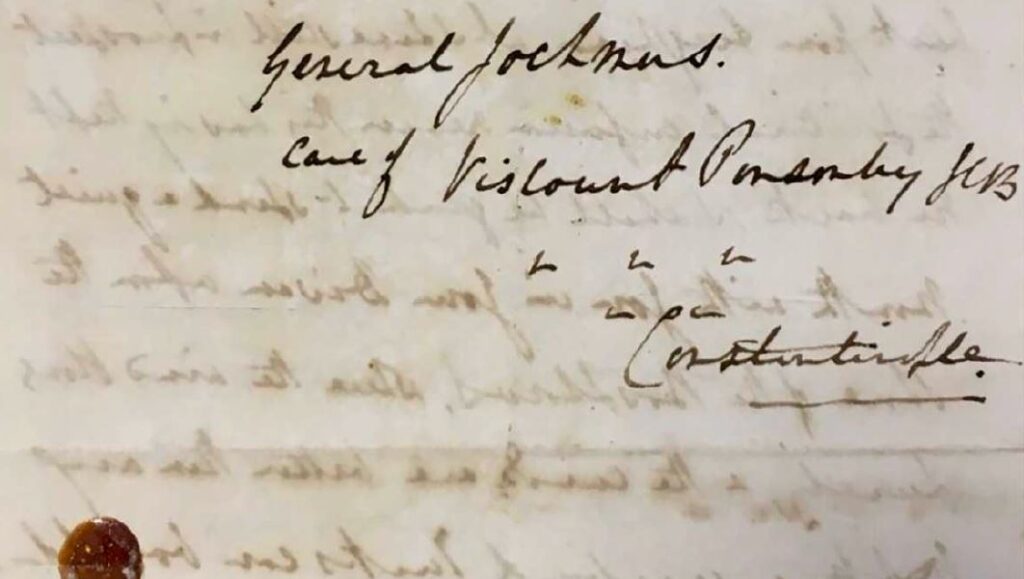
A recently uncovered letter written by Captain Arthur Conolly, the British officer who coined the term "Great Game," has captivated historians and scholars of 19th-century geopolitics. The correspondence offers a rare glimpse into the mind of the officer whose ill-fated expedition to Central Asia would become emblematic of the imperial rivalry between the British and Russian empires. The letter dates from April 1841, when Conolly stopped on the bank of the Amu Darya River, the northern boundary of Afghanistan, en route to Bukhara. Partly written in code, the missive, addressed to the Austrian General, August Giacomo Jochmus, commander of the combined forces of the Ottoman Empire, Britain, and Austria during the Syrian War of 1839–1841, reveals new details about Conolly’s observations regarding Central Asia’s complex power dynamics. The letter was discovered in the Russian State Archive of Literature and Art in Moscow. While the term "Great Game" would only gain prominence much later through Rudyard Kipling’s Kim, Conolly's writings shine a light on the precarious nature of imperial ambitions. His correspondence often reflected a mix of hope and foreboding, as he championed diplomatic engagement to win influence in the region while recognizing the human cost of such rivalry. The newly discovered letter includes remarks on the state of local governance, tribal allegiances, and the risks posed by Russian territorial advances. These insights could reshape the contemporary understanding of British intelligence operations and frontier policies at the height of imperial competition. "Travel has its charms and excitements, but it also has its disenchantment,” Conolly wrote, “and if I get safely back from Peshawar, I shall be glad to spend a quiet month with you in your Divan upon the shore of the Bosporus." Conolly’s fate remains a tragic footnote to his legacy. Captured and executed in 1842 by the Emir of Bukhara while attempting to negotiate the release of fellow British officer, Charles Stoddart, he became both a cautionary tale and a symbol of imperial zeal. This rediscovered letter serves as a poignant reminder of the personal stakes involved in the sprawling global chessboard that defined 19th-century diplomacy.

10 months ago