• KGS/USD = 0.01143 0%
  • KZT/USD = 0.00205 0%
  • TJS/USD = 0.10433 0.1%
  • UZS/USD = 0.00008 0%
  • TMT/USD = 0.28577 0%
  • KGS/USD = 0.01143 0%
  • KZT/USD = 0.00205 0%
  • TJS/USD = 0.10433 0.1%
  • UZS/USD = 0.00008 0%
  • TMT/USD = 0.28577 0%
  • KGS/USD = 0.01143 0%
  • KZT/USD = 0.00205 0%
  • TJS/USD = 0.10433 0.1%
  • UZS/USD = 0.00008 0%
  • TMT/USD = 0.28577 0%
  • KGS/USD = 0.01143 0%
  • KZT/USD = 0.00205 0%
  • TJS/USD = 0.10433 0.1%
  • UZS/USD = 0.00008 0%
  • TMT/USD = 0.28577 0%
  • KGS/USD = 0.01143 0%
  • KZT/USD = 0.00205 0%
  • TJS/USD = 0.10433 0.1%
  • UZS/USD = 0.00008 0%
  • TMT/USD = 0.28577 0%
  • KGS/USD = 0.01143 0%
  • KZT/USD = 0.00205 0%
  • TJS/USD = 0.10433 0.1%
  • UZS/USD = 0.00008 0%
  • TMT/USD = 0.28577 0%
  • KGS/USD = 0.01143 0%
  • KZT/USD = 0.00205 0%
  • TJS/USD = 0.10433 0.1%
  • UZS/USD = 0.00008 0%
  • TMT/USD = 0.28577 0%
  • KGS/USD = 0.01143 0%
  • KZT/USD = 0.00205 0%
  • TJS/USD = 0.10433 0.1%
  • UZS/USD = 0.00008 0%
  • TMT/USD = 0.28577 0%

Our People > Stephen M. Bland

Stephen M. Bland's Avatar

Stephen M. Bland

Managing Editor and Head of Investigations

Stephen M. Bland is a journalist, author, editor, commentator, and researcher specializing in Central Asia and the Caucasus. Prior to joining The Times of Central Asia, he worked for NGOs, think tanks, as the Central Asia expert on a forthcoming documentary series, for the BBC, The Diplomat, EurasiaNet, and numerous other publications.

His award-winning book on Central Asia was published in 2016, and he is currently putting the finishing touches to a book about the Caucasus.

Articles

Bulgarian Spy Ring Sentenced: Questions Linger Over Possible Unprosecuted Crimes and Future Threats

On March 7, 2025, six Bulgarian nationals living in the UK were convicted under the Official Secrets Act 1911 for espionage and the Identity Documents Act 2010 for possessing false identity documents. Following an investigation by the Metropolitan Police Counter Terrorism Command, the Crown Prosecution Service secured sentencing on May 12. Prosecutor Alison Morgan KC argued that lengthy sentences were justified for several defendants, stating that their actions had put lives at risk and compromised national security.  Ultimately, Orlin Roussev (47) received ten years and eight months, Biser Dzhambazov (44) ten years and two months, Ivan Stoyanov (33) five years and three weeks, Katrin Ivanova (33) nine years and eight months, Vanya Gaberova (30) six years and eight months, and Tihomir Ivanchev (39) eight years. While these sentences address their espionage activities, concerns remain over additional fraudulent schemes undertaken by the group. Central to their operations was their use of stolen identities to create companies and bank accounts designed to implicate victims in criminal activities and tarnish their reputations. During the investigation and subsequent raids in early 2023, law enforcement seized as stated in court documents “91 bank and other financial institution cards in 17 different names; 75 passport or identity documents, including those in 55 names other than those legitimately used”. The investigation revealed that the spy ring was allegedly organized at a higher level by fugitive Jan Marsalek who reportedly held a diplomatic passport from Uzbekistan. The spy ring was mercenary in nature, serving a private and public sector clientele to target individuals, organizations, and governments from the UK, Russia, Kazakhstan, the U.S., and Europe with a blend of espionage and fraudulent schemes. A recent report by The Telegraph reveals that Marsalek’s network of spies was far larger than this group of six, with a spy network extending to the UK, U.S., Germany, Austria, Israel, Italy, Switzerland, France, Croatia, Hong Kong, and Turkey. The Bulgarian spy ring’s activities can be traced back as far back as 2015, with Roussev reportedly in contact with Marsalek during this period. By 2016, Roussev, Dzhambazov, and Ivanova were seen participating in a Brexit-related event at the UK Parliament, part of their apparent effort to gain deeper access to information and influential networks. During the three-month-long trial, jurors examined messages and transactions dating back to 2019. While the case primarily focused on espionage, it is possible that broader charges, as well as those extending further back in time, were not fully addressed in court. The sentencing of the Bulgarian spy ring marks a significant step in addressing espionage activities in the UK, but it leaves critical questions unanswered about the full extent of their crimes. Beyond espionage, the group readily achieved identity theft, document forgery, and disinformation campaigns designed to frame individuals, manipulate public opinion, and exploit geopolitical tensions. Their calculated efforts to harm Bellingcat’s investigative journalist Christo Grozev and implicate innocent individuals in fraudulent schemes highlight the broader dangers posed by such operations. The use of front companies like Truth on the...

10 months ago
Victory Day Diplomacy: Central Asia’s Balancing Act and Putin’s Diminished Spotlight

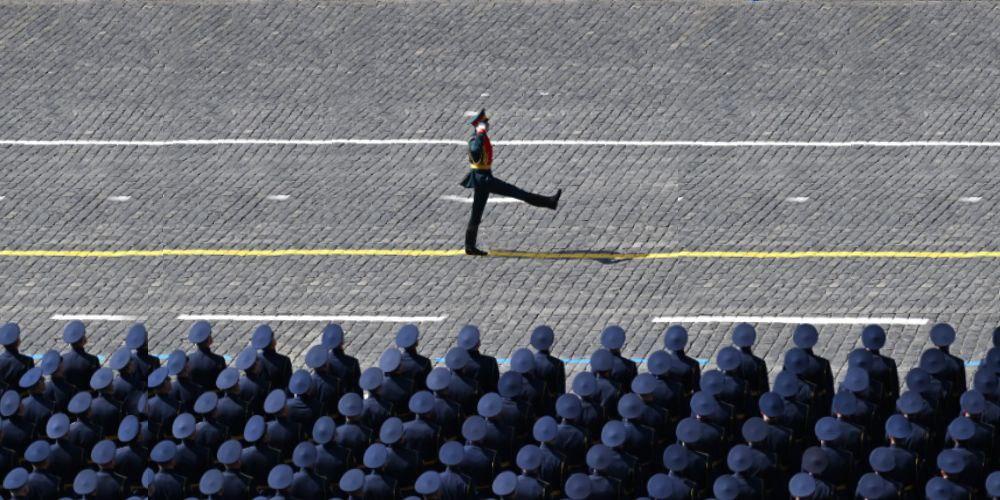
Every year, Moscow’s Red Square transforms into a stage for one of Russia's most celebrated traditions: Victory Day, an event which marks the Soviet Union’s triumph over Nazi Germany in World War II. Yet, as tanks roll through the cobblestone streets and military bands echo under the Kremlin walls, the occasion feels more heavily laden with geopolitical undertones than historical reminiscence these days. Against the backdrop of ongoing conflicts and shifting alliances, the presence of Central Asian leaders at this year’s event speaks to the region’s delicate relationship with the Russian Federation. But the question remains: amidst the pomp and circumstance, is there much for Vladimir Putin to celebrate? Central Asia’s Careful Balancing Act The attendance of Central Asian leaders at the Victory Day parade is a striking show of diplomatic choreography. On the surface, their presence will underscore the shared historical legacy of the Soviet era, when the sacrifices of the Central Asian republics contributed to the Allied victory in the Second World War. However, a more pragmatic lens reveals a balancing act that defines the region’s foreign policy. The region finds itself at the crossroads of global powers vying for influence in Central Asia. While Moscow leans on historical ties and cultural commonalities to retain its sway, Beijing’s economic clout continues to reshape the region’s trade networks and infrastructure projects. Meanwhile, as the inaugural EU-Central Asia Summit attests to, the European Union is eager to expand its reach, whilst hungry for Rare Earth Elements in which the region is rich, the U.S. is waiting in the wings. For Central Asian leaders, participating in Victory Day celebrations signals a nod to Russia’s historic role but also keeps the door open for economic and security cooperation. Amidst the shifting architecture of global politics, their diplomatic strategy remains one of pragmatism, seeking benefits from multiple partners while avoiding any over-alignment. What Does Russia Gain from the Optics? The presence of 29 leaders from across the globe – including Chinese President Xi Jinping - offers Moscow valuable optics at a time when its international relationships face significant strain. Last year, only nine attended. Isolated by Western sanctions over the invasion of Ukraine and with much of the world’s media painting Russia as cut off from the global stage, the impression of a united front with Central Asia helps the Kremlin portray the opposite. Victory Day, therefore, becomes a geopolitical tool, with the attendance of Central Asian leaders enabling Putin to send a message of shared unity within Russia’s historical sphere of influence. It tells both domestic and international audiences that Moscow retains significant allies, reinforcing the image of resilience despite ongoing challenges. How Much Does Moscow Truly Celebrate? The Victory Day parade is an event that is watched by an estimated three-quarters of the Russian public, drumming up patriotism as the state seeks to become the custodian of collective memory. Behind the spectacle, however, signs of disquiet are proving hard to ignore. Russia’s invasion of Ukraine has disrupted trade and migration flows...

10 months ago

Ongoing DDoS Attack Disrupts Kazakhstan’s Digital Infrastructure

Kazakhstan is experiencing a large-scale Distributed Denial of Service (DDoS) attack that is disrupting online services across government portals, banking systems, and telecommunications networks. The attack, which began earlier this week, has overwhelmed servers by bombarding them with excessive traffic, rendering critical digital infrastructure inaccessible for thousands of users. The Impact on National Systems The scope of the attack has significantly hobbled online platforms that citizens and organizations rely on for essential services. Users have reported interruptions when attempting to access online banking, state-run portals for taxes, and public resource management services. Government resources have been severely affected, whilst for businesses the inability to process digital transactions has caused massive delays, leading to e-commerce platforms and retailers that depend on online payment systems facing revenue losses. Financial institutions are working to secure their systems, fearing that the attack may escalate into data breaches or ransomware targeting client information. Potential Sources Behind the Attack While no official statement about the source of the attack has been released, cybersecurity experts are pointing to several possibilities. One theory suggests that the attack may involve political motives, aimed at destabilizing Kazakhstan’s government services and undermining public confidence. Others speculate that the incident may stem from cybercriminal groups seeking financial gain through extortion tactics. Other analysts are not discounting the possibility of foreign state actors. Given increasing geopolitical tensions in the region, such cyberattacks could potentially serve as acts of digital retaliation or covert intervention. Investigations are ongoing to trace the origin of the attack, and no group has publicly claimed responsibility. Official Responses and Mitigation Efforts Kazakhstan’s Ministry of Digital Development, Innovation, and Aerospace Industry has acknowledged the severity of the attack in an official statement. Authorities are currently coordinating with cybersecurity experts to neutralize the attack and minimize public impact. Technical teams have implemented measures such as traffic filtering and rerouting protocols to handle excessive server requests. While some government websites have been partially restored, slow loading speeds and occasional downtime persist. The ministry is urging organizations and individuals to strengthen online security by regularly updating firewalls and staying vigilant against phishing attempts that often accompany large-scale attacks. Additionally, Kazakhstan's cybersecurity response teams are collaborating with international partners to identify vulnerabilities and enhance digital defenses. This incident highlights the growing need for robust cybersecurity frameworks, particularly in an interconnected world increasingly reliant on digital services. Significance of the Attack This ongoing DDoS attack underscores how vulnerable national infrastructure can be to cyber threats. Potentially targeting critical systems like financial networks or telecommunications, these attacks can undermine public trust in a nation’s institutions and disrupt economic stability. Kazakhstan, like many nations, has increased investment in digital technologies, making cybersecurity a top priority. However, the attack reveals gaps in protection and the urgent need for advanced, preemptive measures to safeguard essential systems. With a rising tide of global cyber threats, addressing these vulnerabilities will play a critical role in protecting both national security and the economy going forward. For now, Kazakhstan continues to battle the...

10 months ago

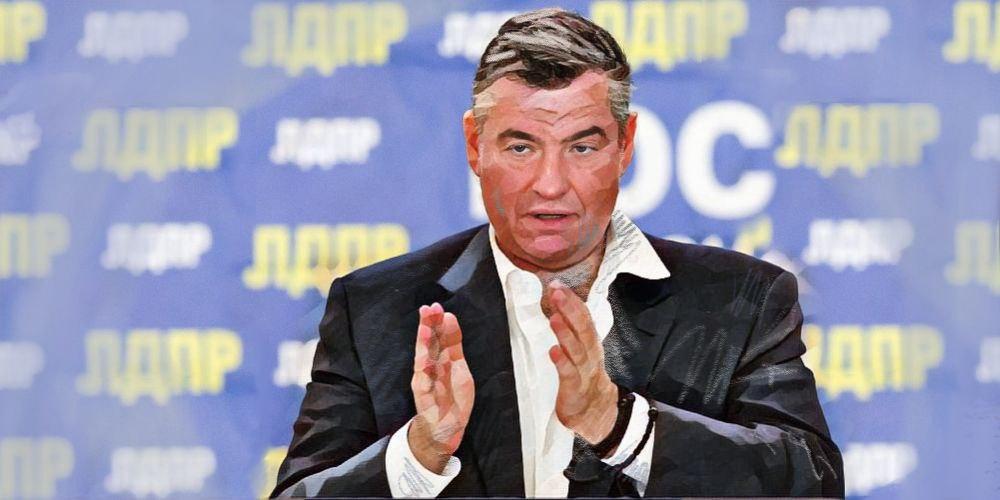
Leonid Slutsky: Scandals, Nationalism, and the Migrant Blame Game

The leader of Russia’s Liberal Democratic Party (LDPR), Leonid Slutsky has long been a figure surrounded by controversy. A hardline nationalist, Slutsky’s career has been marked by allegations of corruption and harassment. Recently, his intensified rhetoric against labor migrants – including proposed restrictions on labor migrants bringing their families into the country, a requirement for foreign workers to learn Russian, and attacks on the former head of the Uzbek National and Cultural Autonomy Council in Moscow - have further spotlighted his controversial political career. “Our people... should not suffer from boors and criminals who consider themselves masters here, gather in packs and attack people,” Slutsky stated regarding migrant workers. “If you want to make money in Russia, learn Russian, and respect our laws and traditions. In any other case, go home. We will not experiment on ourselves or our children. Our great country must be respected.” This shift to the far-right aligns with a broader nationalist trend in Russia and raises questions about Slutsky’s intentions and the potential impact on the country and those working there. Slutsky’s Scandal-Ridden Career Slutsky's political reputation has been marred by allegations of sexual harassment that surfaced in 2018, with multiple female journalists accusing him of inappropriate conduct, including a BBC correspondent whom he reportedly touched inappropriately and whom he was recorded calling a “bunny”. Despite public disquiet, a State Duma ethics panel dismissed the complaints, leading to a media boycott but no political repercussions. This episode, as well as reports of hidden assets and extravagant wealth, including luxury properties and cars, point to a broader culture of impunity within the Russian political elite. Investigations have revealed that Slutsky's family enjoys a lavish lifestyle, including stays at a luxury Turkish villa, private jet travel, and an elite education for his children in Switzerland, despite his declared income in 2020 of $77,000. Additionally, reports link him to high-end vehicles such as Bentleys and a Mercedes-Maybach, often financed through questionable means. To paraphrase a piece by David Szakonyi in the American Political Science Review, in Russia, corrupt politicians work less but support the regime more. A member of the State Duma since 1999, Slutsky succeeded Vladimir Zhirinovsky as head of the LDPR in 2022. Under his leadership, the party has increasingly leaned on ultranationalist rhetoric and populist measures that appeal to disillusioned voters during times of economic strain. His recent attacks on labor migrants echo this strategy. Weaponizing Anti-Migrant Sentiment Slutsky’s outspoken criticism of labor migrants fits into a growing narrative in Russia that blames foreign workers for economic and social problems. Migrants, particularly those from Central Asia and the Caucasus, have been routinely scapegoated in nationalist circles, accused of taking jobs, disrupting social harmony, and contributing to crime. While there is little evidence to support many of these claims, Slutsky is capitalizing on prevailing anxieties as a means to rally support for his party. By portraying himself and the LDPR as defenders of a nostalgia-fueled Russian identity, he hopes to appeal to conservative voters who view...

11 months ago

Adventures of the Spirit of Time: Exploring History and Imagination Through Silk Road Legends

Uzbek author Gulchekhra-begim Makhmudova's four-part children’s book series, Adventures of the Spirit of Time, explores themes of history, legend, and imagination. Published in Russian between 2021 and 2022, the series gained popularity in Uzbekistan and received the Hertfordshire Press Award for Best Adaptation for Children in 2024. This recognition highlighted its creative storytelling, emphasis on cultural heritage, and educational value. The series is now available worldwide in English through Hertfordshire Press. The narrative follows four characters, Amir, Salma, Tohir, and Zuhra, as they uncover a magical well and awaken a mystical entity called the Spirit of Time. Guided by this spirit, the group embarks on adventures through various eras and locations, including historical and mythical settings along the Silk Road and beyond. Combining elements of fantasy, science fiction, and history, the series addresses themes of friendship, bravery, and identity, while introducing readers to Central Asian folklore and cultural traditions. The books feature illustrations by Zilola Khamidova, which depict the Silk Road's cultural and historical richness with vivid detail. The English edition preserves the authenticity of the original work while ensuring accessibility for international readers. Adventures of the Spirit of Time offers an engaging way for young readers to explore Central Asian heritage and timeless stories of human exploration and connection.

11 months ago