• KGS/USD = 0.01144 0%
  • KZT/USD = 0.00216 0%
  • TJS/USD = 0.10698 0%
  • UZS/USD = 0.00008 0%
  • TMT/USD = 0.28530 0%
  • KGS/USD = 0.01144 0%
  • KZT/USD = 0.00216 0%
  • TJS/USD = 0.10698 0%
  • UZS/USD = 0.00008 0%
  • TMT/USD = 0.28530 0%
  • KGS/USD = 0.01144 0%
  • KZT/USD = 0.00216 0%
  • TJS/USD = 0.10698 0%
  • UZS/USD = 0.00008 0%
  • TMT/USD = 0.28530 0%
  • KGS/USD = 0.01144 0%
  • KZT/USD = 0.00216 0%
  • TJS/USD = 0.10698 0%
  • UZS/USD = 0.00008 0%
  • TMT/USD = 0.28530 0%
  • KGS/USD = 0.01144 0%
  • KZT/USD = 0.00216 0%
  • TJS/USD = 0.10698 0%
  • UZS/USD = 0.00008 0%
  • TMT/USD = 0.28530 0%
  • KGS/USD = 0.01144 0%
  • KZT/USD = 0.00216 0%
  • TJS/USD = 0.10698 0%
  • UZS/USD = 0.00008 0%
  • TMT/USD = 0.28530 0%
  • KGS/USD = 0.01144 0%
  • KZT/USD = 0.00216 0%
  • TJS/USD = 0.10698 0%
  • UZS/USD = 0.00008 0%
  • TMT/USD = 0.28530 0%
  • KGS/USD = 0.01144 0%
  • KZT/USD = 0.00216 0%
  • TJS/USD = 0.10698 0%
  • UZS/USD = 0.00008 0%
  • TMT/USD = 0.28530 0%

Viewing results 1 - 6 of 16

Victory, Memory, and Moscow: Central Asia’s Changing May Calendar

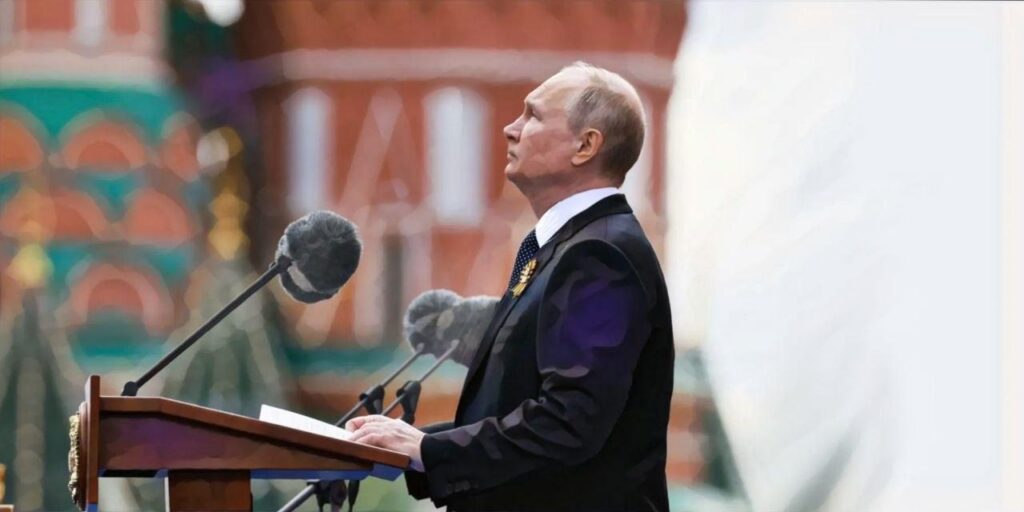
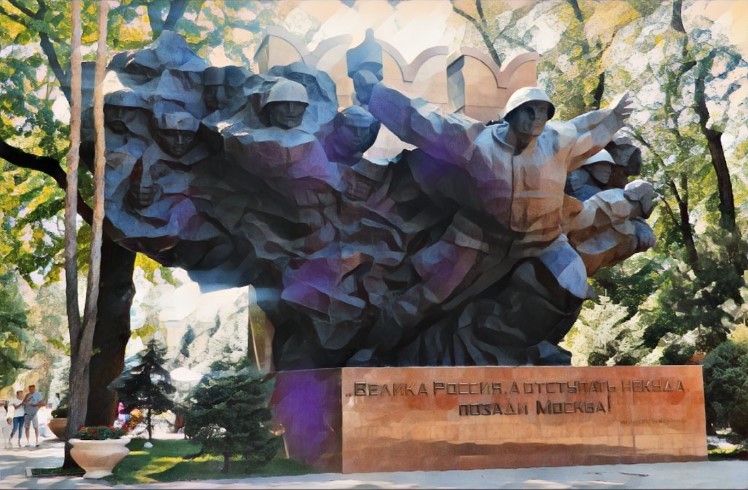
May is when Central Asia’s past crowds into the public square. Workers, soldiers, veterans, constitutions, unity campaigns, and the legacy of World War II all compete for space on the calendar. The dates are familiar across the region, but their meanings are no longer the same. Kazakhstan marks People’s Unity Day on May 1, Defenders’ Day on May 7, and Victory Day on May 9. Kyrgyzstan has a May calendar built around Labor Day, Constitution Day, and Victory Day. Uzbekistan has recast May 9 as the Day of Remembrance and Honor. Turkmenistan lists May 9 as Victory Day of the 1941-1945 Great Patriotic War, but it no longer carries the same public weight as the country’s main state holidays. Those choices show how each state is handling its Soviet past. May 1 can mean labor, unity, or almost nothing. May 9 can mean victory, mourning, family memory, or careful diplomacy. In Central Asia, the politics of memory rarely move through open rejection. It works through renaming, recalibrating, and changing the optics. Russia still treats May 9 as a central ritual of state power. Victory Day marks the Soviet defeat of Nazi Germany in what Russia calls the Great Patriotic War. Under Vladimir Putin, it has become a display of military strength, national sacrifice, and confrontation with the West. Since Russia’s full-scale invasion of Ukraine in 2022, that message has become more direct. This year, the image projected from Moscow will be weaker. Russia is preparing to hold its May 9 parade on Red Square without the usual display of military hardware. Tanks and missile systems, long central to the spectacle, are being kept away. Russia’s Defense Ministry cited the “current operational situation,” while the Kremlin linked the change to Ukrainian attacks. For Central Asian governments, that image will be hard to separate from their own handling of Victory Day. Moscow has long used May 9 to gather friendly leaders and place the post-Soviet region inside a shared wartime story. Attendance in Moscow has become a diplomatic signal. Absence has become one too. In recent years, Victory Day diplomacy has shown how Central Asian governments try to respect wartime memory while avoiding full alignment with Russia’s narrative. This year, at least some Central Asian leaders are again expected in Moscow. Kazakhstan’s Kassym-Jomart Tokayev and Kyrgyzstan’s Sadyr Japarov have been reported among those planning to attend, though the Kremlin has not yet published a full list of foreign guests. Central Asian states cannot simply discard May 9. Millions of people from the region served in the Red Army or worked behind the front during World War II; from Kazakhstan alone, around one million people contributed to the war effort, with nearly 271,000 soldiers still listed as missing. Families still carry those memories. Monuments, veterans’ payments, school events, and wreath-laying ceremonies remain important. For many people, Victory Day is personal before it is geopolitical. Yet governments have changed the tone. Kazakhstan still marks Victory Day as a public holiday, but large military parades...

Turkmenistan to Pay WWII Veterans Around $10, Far Below Regional Levels

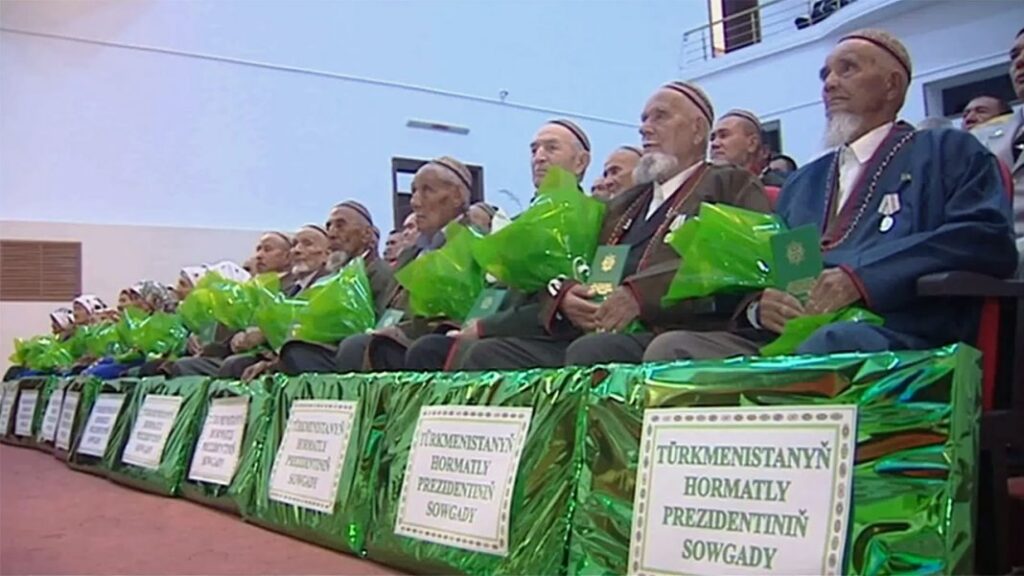
Payments to World War II veterans ahead of Victory Day continue to vary significantly across Central Asia, with Turkmenistan offering one of the lowest levels of support in the region. At a government meeting on April 24, President Serdar Berdimuhamedov, discussing traditional commemorative events for May 9, instructed officials to organize the distribution of commemorative gifts to veterans and women who worked on the home front during the war. A cash payment is also expected. According to available information, as in previous years, it may amount to 200 manats, approximately $57 at the official exchange rate or about $10 at the unofficial rate. The latter figure is more commonly used for cross-country comparisons. Against this backdrop, support levels in neighboring countries appear significantly higher. In Kyrgyzstan, veterans are set to receive a one-time payment of around $2,300. In Uzbekistan, payments will amount to approximately $2,400. Kazakhstan offers the highest payments in the region, with veterans set to receive about $10,500 each. Final figures for Tajikistan have not yet been announced, although last year veterans received around 4,810 somoni (approximately $440-$480, depending on the exchange rate).

Marking Victory Day: When Kazakh WWII Snipers Made the News in Australia

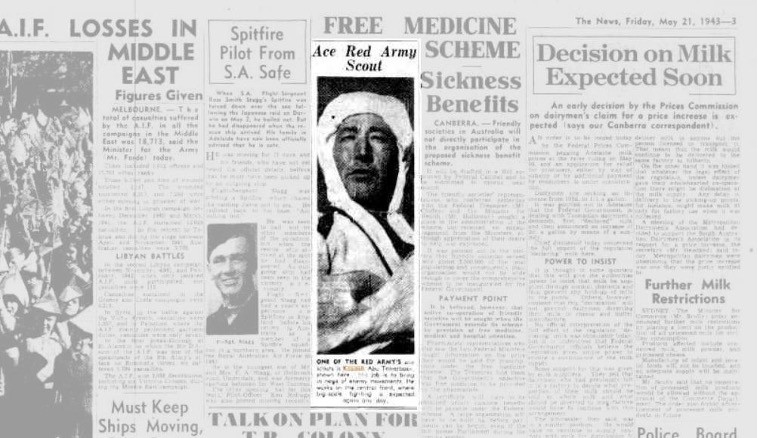
When we speak of the Second World War, Kazakhstan has never wavered in honoring the bravery of those who went to the front lines eight decades ago. Historical records show that more than 1.2 million people from the Kazakh Soviet Socialist Republic took part in the war. Over 500 of them were awarded the title of Hero of the Soviet Union. Among these valiant fighters was Kazakh lieutenant Rakhimzhan Koshkarbayev, one of the first soldiers to raise the Soviet flag over the Reichstag in Berlin. On the home front, Kazakhstan played a vital role in supplying the war effort with food, clothing, and military equipment. But this article sheds light on a lesser-known chapter: how newspapers in far-off Australia once reported on Kazakhs fighting on the Eastern Front. The Two Snipers On October 19, 1943, a brief story appeared in The Mirror, a Sydney-based newspaper, highlighting Kazakh snipers serving in the Red Army. The article titled Red Snipers’ Grim Harvest reads: "Grim-faced sniper, Siyazbekov, a Kazakh, kills four to five fascists every day. This photograph, taken during actual fighting scenes on the Russian front, shows Siyazbekov (right) well-hidden in a snow-covered Russian field, with Red Army man Djakeyev, who is also a sniper." Curious after reading this, we searched online for more information about these Kazakh marksmen. Unfortunately, the trail runs cold, suggesting this may be a topic worthy of deeper historical research. The newspaper’s accompanying image shows the two soldiers locked in focus behind their sniper rifles, stern, battle-hardened, and fearless. Behind Enemy Lines Another mention of a Kazakh soldier appeared in an Australian daily published in Adelaide, dated May 21, 1943. The story, found on page three, spotlighted a reconnaissance scout: "One of the Red Army’s ace scouts is Kazakh Abu Temerbaev, shown here. His job is to bring in news of enemy movements. He works on the central front, where big-scale fighting is expected again any day." Once again, we attempted to uncover more about this soldier. Yet, aside from this single article and one wartime photo showing him in winter camouflage, history offers no further trace. These brief mentions in Australian newspapers, now yellowed with age, hint at a vast and mostly forgotten archive of Kazakh valor. Their stories, still waiting to be told, echo across continents and urge us not to forget.

Victory Day in Central Asia: Honoring Sacrifice Amid Shifting Narratives

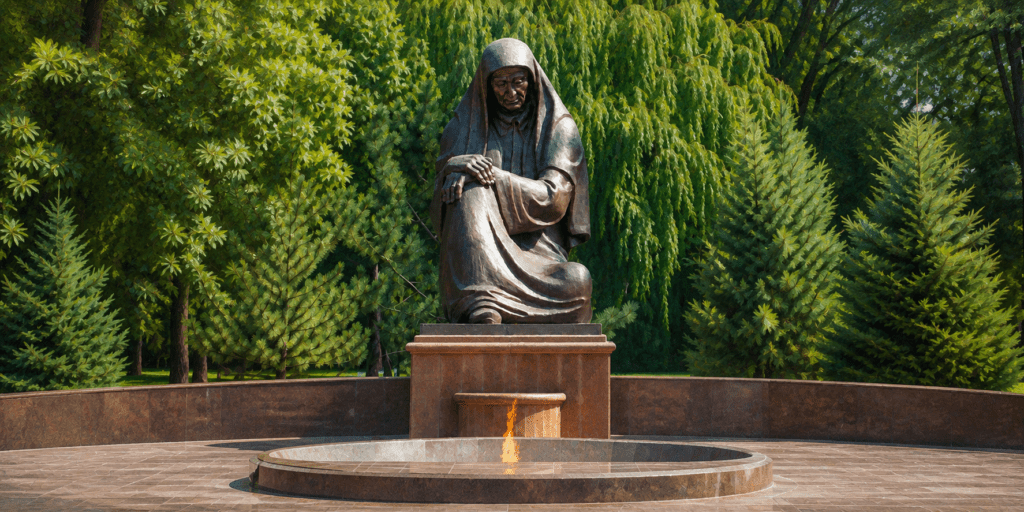
For the countries of Central Asia, Victory Day holds a deep significance. Although debates over the nature of the May 9 commemorations have intensified in recent years, the importance of the holiday remains unchallenged. A War That Touched Every Family Attitudes toward the celebration marking the defeat of Nazi Germany are largely shaped by each nation's level of participation in the war effort. Kazakhstan mobilized over 1.2 million people, nearly 20% of its pre-war population of 6.5 million. Of these, more than 600,000 perished at the front, with an additional 300,000 dying in the rear due to malnutrition, forced labor, and inadequate medical care. With a similar sized population, Uzbekistan sent approximately 1.95 million people to the front - or one in every three residents. Around 400,000 Uzbeks did not return home. Over 500 Kazakhstani and more than 300 Uzbekistani soldiers were awarded the title Hero of the Soviet Union. [caption id="attachment_31602" align="aligncenter" width="2560"] Eternal flame and Crying Mother Monument, Tashkent; image: TCA, Stephen M. Bland[/caption] Kyrgyzstan, home to just 1.5 million people at the time, sent over 363,000 to the front. Approximately 100,000 perished, and 73 received the Hero of the Soviet Union medal. Tajikistan mobilized more than 300,000 troops, with over 100,000 never returning. Fifty-five Tajiks received Hero of the Soviet Union honors. Turkmenistan, with a population of 1.3 million, sent around 200,000 soldiers and officers; 16 received Hero status. Central Asian soldiers played vital roles in major battles, including the defense of Moscow. They helped liberate territories across the Soviet Union and Eastern Europe. The region also contributed 20-30% of its horse population, then a central component of local economies, for military use. The war profoundly reshaped Central Asia. Thousands of Soviet enterprises were relocated to the region, fueling industrialization. Millions of refugees from Nazi-occupied zones found sanctuary in Central Asian republics. Many children were taken in by local families and raised as their own. Today, many in Central Asia feel that outsiders fail to grasp the weight of Victory Day. While countries like the UK, U.S., Italy, and France recorded wartime deaths of 380,000, 417,000, 479,000, and 665,000 respectively, the USSR suffered over 26 million losses. German losses are estimated at 8.4 million. Celebrating Amid Controversy Recent years have brought a shift in how Victory Day is perceived in Central Asia. Symbols such as the Guards ribbon, criticized for echoing imperial Russian motifs, have sparked debate. Some argue that the holiday reflects colonial oppression, as the peoples of Soviet Asia were conscripted into a foreign war. These debates have grown louder since Russia annexed Crimea in 2014, with some now viewing the May 9 celebrations as a tool of Russian influence in the region. Nonetheless, Central Asian leaders have rejected efforts to "cancel" Victory Day, reaffirming its deep personal and national resonance. Efforts to distinguish the celebration from Russian state narratives are evident. Many events now emphasize patriotism rather than Soviet nostalgia. On May 7, Kazakhstan held its first military parade in Astana in seven years,...

Victory Day Diplomacy: Central Asia’s Balancing Act and Putin’s Diminished Spotlight

Every year, Moscow’s Red Square transforms into a stage for one of Russia's most celebrated traditions: Victory Day, an event which marks the Soviet Union’s triumph over Nazi Germany in World War II. Yet, as tanks roll through the cobblestone streets and military bands echo under the Kremlin walls, the occasion feels more heavily laden with geopolitical undertones than historical reminiscence these days. Against the backdrop of ongoing conflicts and shifting alliances, the presence of Central Asian leaders at this year’s event speaks to the region’s delicate relationship with the Russian Federation. But the question remains: amidst the pomp and circumstance, is there much for Vladimir Putin to celebrate? Central Asia’s Careful Balancing Act The attendance of Central Asian leaders at the Victory Day parade is a striking show of diplomatic choreography. On the surface, their presence will underscore the shared historical legacy of the Soviet era, when the sacrifices of the Central Asian republics contributed to the Allied victory in the Second World War. However, a more pragmatic lens reveals a balancing act that defines the region’s foreign policy. The region finds itself at the crossroads of global powers vying for influence in Central Asia. While Moscow leans on historical ties and cultural commonalities to retain its sway, Beijing’s economic clout continues to reshape the region’s trade networks and infrastructure projects. Meanwhile, as the inaugural EU-Central Asia Summit attests to, the European Union is eager to expand its reach, whilst hungry for Rare Earth Elements in which the region is rich, the U.S. is waiting in the wings. For Central Asian leaders, participating in Victory Day celebrations signals a nod to Russia’s historic role but also keeps the door open for economic and security cooperation. Amidst the shifting architecture of global politics, their diplomatic strategy remains one of pragmatism, seeking benefits from multiple partners while avoiding any over-alignment. What Does Russia Gain from the Optics? The presence of 29 leaders from across the globe – including Chinese President Xi Jinping - offers Moscow valuable optics at a time when its international relationships face significant strain. Last year, only nine attended. Isolated by Western sanctions over the invasion of Ukraine and with much of the world’s media painting Russia as cut off from the global stage, the impression of a united front with Central Asia helps the Kremlin portray the opposite. Victory Day, therefore, becomes a geopolitical tool, with the attendance of Central Asian leaders enabling Putin to send a message of shared unity within Russia’s historical sphere of influence. It tells both domestic and international audiences that Moscow retains significant allies, reinforcing the image of resilience despite ongoing challenges. How Much Does Moscow Truly Celebrate? The Victory Day parade is an event that is watched by an estimated three-quarters of the Russian public, drumming up patriotism as the state seeks to become the custodian of collective memory. Behind the spectacle, however, signs of disquiet are proving hard to ignore. Russia’s invasion of Ukraine has disrupted trade and migration flows...

Drone Attacks Intensify Security Worries Over Moscow Anniversary Event

Concerns about the security of dignitaries are circulating ahead of Russia’s plans for May 9 celebrations in Moscow of the 80th anniversary of the victory over Nazi Germany, an event that leaders from Central Asia are expected to attend as the Russo-Ukrainian war continues. The unease relates to Ukraine’s growing capacity in drone warfare, a dominant feature of the battlefield after years of war between Ukrainian troops and invading Russian forces. On Sunday, Moscow Mayor Sergei Sobyanin said air defense forces in the urban area of Podolsk, on the outskirts of Moscow, “repelled an attack” by four drones flying toward the capital. “According to preliminary data, there is no damage or casualties at the site of the fall of the debris. Emergency services specialists are working at the scene,” Sobyanin said on Telegram. Overnight, Ukrainian drones targeted Moscow again, disrupting operations at four of the city's airports. Sobyanin announced on Telegram that at least 19 Ukrainian drones were intercepted. Although no significant damage or injuries were immediately reported, debris from the intercepted drones landed on a major highway. On April 28, Russian President Vladimir Putin unilaterally declared a three-day ceasefire in the war with Ukraine from May 8 – 11 to coincide with the celebrations of victory in the Great Patriotic War, as the Soviet experience in World War II is called. But Ukraine rejected the proposal, saying it seems mainly designed to create a safe environment for its guests in Moscow and that a U.S-backed plan for a 30-day unconditional ceasefire would instead represent a serious step toward peace. Ukrainian President Volodymyr Zelenskyy has said Ukraine isn’t responsible for anyone’s safety on Russian territory on the day of the anniversary celebrations. Dmitry Medvedev, deputy chairman of Russia's Security Council, has warned of massive retaliation if Ukraine strikes Moscow during the May 9 event, saying on Telegram that “in the event of a real provocation on Victory Day, no one can guarantee that May 10 will come in Kyiv.” An analyst who tracks drone technology, Russian military weapons development and related issues said Russia’s concern about the May 9 parade stems from Ukraine’s growing expertise in drones. “Ukrainian long-range drones can already strike across the entire [of] Russia's European (west of Urals) territory,” Samuel Bendett, a researcher at the Center for Naval Analyses, said on X. The city of Sevastopol in Russia-controlled Crimea won’t hold a Victory Day parade for security reasons, said city Gov. Mikhail Razvozhayev, according to Russia’s state-run news agency TASS. Sevastopol hasn’t held a parade in the last couple of years because of similar concerns. In 2014, Russian forces occupied and annexed the Ukrainian territory of Crimea, where Ukraine has conducted periodic attacks with drones and other weapons since Russia’s full-scale invasion in 2022. The Kremlin says Chinese President Xi Jinping will visit Russia at Putin’s invitation on May 7-10 and will attend the Victory Day celebrations. Russian state media have reported that the leaders of the Commonwealth of Independent States, or CIS, will also attend....