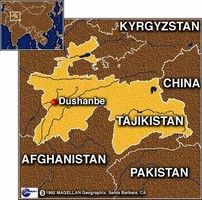
DUSHANBE (TCA) — Tajikistan aims to achieve sustained economic growth, boost exports, and create more and better jobs for its citizens, through enhanced private-sector development and greater investment in human capital and public services. The World Bank Group will support Tajikistan in achieving these goals through its new Country Partnership Framework for the period 2019–23, endorsed on May 9 by the Group’s Board of Executive Directors, the Bank said.
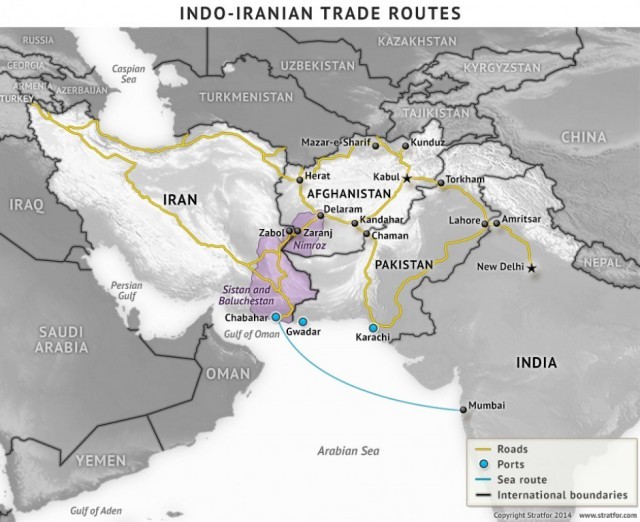
The Country Partnership Framework supports Tajikistan’s efforts to complement its remittance-financed, import-reliant economic model with a focus on boosting private-sector development and exports. Tajikistan has an opportunity to reconnect to the legacy of the ancient Silk Road and capitalize on its resources, including abundant water and hydro-energy supplies, agriculture and food processing, minerals, and tourism. By improving the business environment and confidence among enterprises, Tajikistan can encourage private investments which would create greater opportunities for its young and growing population.
“Tajikistan has a window of opportunity to start transitioning toward becoming a continental energy and trade hub, with access to huge markets in South, East and Central Asia. This could help the country build the foundation of a modern economy that can generate wealth and employment to benefit all of its citizens,” said Jan-Peter Olters, World Bank Country Manager for Tajikistan. “At this stage of Tajikistan’s development, the country needs to expand contributions from a viable private sector, effective public institutions, and a healthy and productive population to reach its development goals in a changing global environment. The new Country Partnership Framework will provide support in these critical areas.”
Over the past decade, Tajikistan has made steady progress reducing poverty and growing its economy. Between 2000 and 2017, the poverty rate fell from 83 percent of the population to 29.5 percent, while the economy grew at an average rate of 7 percent per year.
However, the rate of job creation has not kept pace with the growing population, leaving the economy vulnerable to external shocks, while the role of the private sector in the economy remains limited, contributing to only 13 percent of formal employment and 15 percent of total investments. Non-monetary poverty indicators in rural areas remain high, with only 36 percent of the population in rural regions having access to safe drinking water.
Tajikistan’s high vulnerability to climate change and natural disasters represents an additional challenge to successful economic management. Between 1992 and 2016, natural and climate-related disasters caused GDP losses of around US$ 1.8 billion, affecting almost 7 million people.
To help Tajikistan address the challenges and capitalize on the opportunities, the new Country Partnership Framework aims to:
1. Build human capital, by investing in early childhood development programs, clean water, electricity supply, and employment and education opportunities for youth and women;
2. Improve the effectiveness of public institutions by increasing efficiency in the energy and water sectors, supporting financial stability; and
3. Foster private sector growth, boosting export potential and improving regional integration.
Tajikistan is a recipient of additional financing under the Risk Mitigation Regime (RMR), with which it seeks to strengthen resilience against risks of fragility. As part of the new Country Partnership Framework, activities funded by the Risk Mitigation Regime in Tajikistan will focus on creating better economic and employment opportunities for particularly vulnerable people in the most-at-risk regions of the country.
The five-year Country Partnership Framework will benefit from the three institutions of the World Bank Group—the World Bank, the International Finance Corporation (IFC), and the Multilateral Investment Guarantee Agency (MIGA)—and will be implemented in close coordination with local and international development partners.
IFC, with its focus on private sector development, will explore possibilities to improve the investment climate by addressing gaps in business related regulations and trade. As part of the new Country Partnership Framework, IFC will also support financial intermediaries in Tajikistan to boost their capacity to finance small and medium enterprises, while also exploring opportunities in the energy, transport and telecom sectors.
“With a key focus on improving the business environment so as to accelerate private sector-led growth, IFC is committed to creating markets and opportunities for private sector investments in Tajikistan,” said Manizha Mamadnabieva, IFC Tajikistan Country Officer.
The new strategy was prepared in close collaboration with the Government of Tajikistan and involved consultations with the private sector, civil society, academia, local experts, and development partners. It drew from critical analytical work, such as the Systematic Country Diagnostic, the Country Economic Memorandum, the Risk and Resilience Assessment Report, the Job Diagnostic and Strategy for Tajikistan, and other studies and reports. It is closely aligned with the goals of the 2030 National Development Strategy.



 TCA
TCA