• KGS/USD = 0.01144 0%
  • KZT/USD = 0.00196 -0%
  • TJS/USD = 0.10899 -0%
  • UZS/USD = 0.00008 -0%
  • TMT/USD = 0.28490 0%
  • KGS/USD = 0.01144 0%
  • KZT/USD = 0.00196 -0%
  • TJS/USD = 0.10899 -0%
  • UZS/USD = 0.00008 -0%
  • TMT/USD = 0.28490 0%
  • KGS/USD = 0.01144 0%
  • KZT/USD = 0.00196 -0%
  • TJS/USD = 0.10899 -0%
  • UZS/USD = 0.00008 -0%
  • TMT/USD = 0.28490 0%
  • KGS/USD = 0.01144 0%
  • KZT/USD = 0.00196 -0%
  • TJS/USD = 0.10899 -0%
  • UZS/USD = 0.00008 -0%
  • TMT/USD = 0.28490 0%
  • KGS/USD = 0.01144 0%
  • KZT/USD = 0.00196 -0%
  • TJS/USD = 0.10899 -0%
  • UZS/USD = 0.00008 -0%
  • TMT/USD = 0.28490 0%
  • KGS/USD = 0.01144 0%
  • KZT/USD = 0.00196 -0%
  • TJS/USD = 0.10899 -0%
  • UZS/USD = 0.00008 -0%
  • TMT/USD = 0.28490 0%
  • KGS/USD = 0.01144 0%
  • KZT/USD = 0.00196 -0%
  • TJS/USD = 0.10899 -0%
  • UZS/USD = 0.00008 -0%
  • TMT/USD = 0.28490 0%
  • KGS/USD = 0.01144 0%
  • KZT/USD = 0.00196 -0%
  • TJS/USD = 0.10899 -0%
  • UZS/USD = 0.00008 -0%
  • TMT/USD = 0.28490 0%
08 December 2025

Tajikistan: Caritas Germany launches project to improve the lives of persons with disabilities

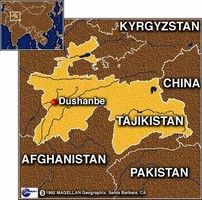
DUSHANBE (TCA) — The Branch of the German Caritas Association in Tajikistan (CARITAS), with financial support of the United Nations Children’s Fund (UNICEF), has announced the launch of a new one-year Community Mobilization and Community-Based Rehabilitation project that will operate in 8 selected jamoats (Gharm, Qal’ai Surkh, Qal’anak, Navdi, Nusratullo Makhsum, Navobod, Jafr and Tagoba) of Tajikistan’s Rasht district.

Continue reading

Turkmenistan redirects its oil exports from Azerbaijan to Russia

ASHGABAT (TCA) — Russia seeks to maintain and strengthen its influence on former Soviet republics — including Turkmenistan and Azerbaijan — in the oil and gas sphere. This gives Ashgabat an opportunity to resume natural-gas export to Russia. We are republishing the following article on the issue, written by Rahim Rahimov:

Swiss firm Vitol and Azerbaijan’s state oil company SOCAR have been embroiled in a quarrel over the transportation of crude oil from Turkmenistan. While the respective companies and government officials from Azerbaijan, Russia and Turkmenistan have kept silent on the matter, media outlets tend to suggest that the dispute was sparked by commercial concerns (Report.az, February 9, 12, 13; EurAsia Daily, February 15). Nevertheless, the preceding and ongoing developments surrounding the oil transit disagreement suggest that the issue has a considerable political dimension.

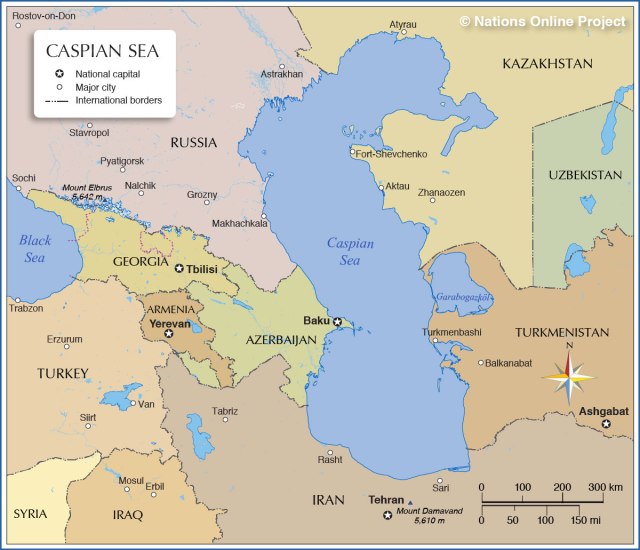
The Dragon Oil firm, which operates the Cheleken oilfield in Turkmenistan, granted an oil shipping contract to Vitol in January 2019 to transport locally produced petroleum by tankers to Russia’s Caspian Sea port of Makhachkala, from where it comes under control of the Russian pipeline monopoly Transneft. However, Vitol lacks the tankers to deliver the contract. Azerbaijan’s SOCAR, which has built the largest fleet of small- and medium-sized vessels in the Caspian, categorically refused to rent its tankers to Vitol. Subsequently, Turkmenistani oil exports have dropped during January–February 2019, hence leading to accretion of oil in the country’s storage sites. If the problem remains unsettled, Turkmenistan may need to slash its oil production levels (Hronikat.com, Regnum, February 15). Incidentally or accidentally, in early February, the European Bank for Reconstruction and Development also canceled a loan intended to support maritime transportation for Turkmenistan because the funds were found to be “servicing Dragon Oil offshore oil development” (Gundogar.org, February 4; Crudeaccountability.org February 7).

Oil produced in Turkmenistan had been shipped to international markets via the Russian route until 2016, when Ashgabat abandoned it amidst a natural gas price dispute with Moscow. At that point, Ashgabat granted the oil transport contract to SOCAR, which had, since July 2010, already been shipping some Turkmenistani crude by tankers to Azerbaijan across the Caspian Sea to fill the Baku–Tbilisi–Ceyhan (BTC) pipeline (Orient.tm, April 5, 2018; Oilgas.gov.tm, April 6, 2018; Vestifinance.ru, Meduza.io, January 4, 2016; Azernews.az, July 25, 2012).

In November 2018, SOCAR announced that it was supplying the high-quality Turkmenistani oil to its newly inaugurated Star refinery in Turkey (Sng.today, November 10, 2018). Azerbaijani President Ilham Aliyev paid a rare official visit to Ashgabat on November 22, 2018, to sign various documents on transportation and energy transit. However, no concrete statement nor document was released specifically concerning the transit of Turkmenistani oil or gas via Azerbaijan (President.az, Nezavisimaya Gazeta, November 22, 2018; Moscow-baku.ru, November 23, 2018).

Meanwhile, the president of Russia’s energy giant Gazprom, Alexei Miller, paid two visits to Turkmenistan in October and November 2018 to discuss gas issues (see EDM October 22, 2018; Gazprom.com, October 9, 2018 and November 28, 2018). This month (February 6), Russian Foreign Minister Sergei Lavrov also visited Ashgabat. He stated that the two sides discussed “oil and gas issues” and “cooperation in the Caspian Sea.” Despite some early characterizations of Lavrov’s Ashgabat visit as an exchange of “hackneyed,” “throwaway” lines and criticism for the trip’s alleged “lack of purpose” (EurasiaNet, February 11), these assessments proved premature and superficial. According to Lavrov, Turkmenistan’s President Gurbanguly Berdimuhamedov voiced satisfaction with the way the gas problems were being treated now by Moscow and Ashgabat “with a focus on far-reaching major agreements” (TASS, February 6).

Indeed, Russia and Turkmenistan have reportedly reached a preliminary consensus to resume Gazprom’s purchases of Turkmenistani gas, and the two sides are close to settling their gas dispute with the Stockholm arbitrage court through a reconciliation agreement (1prime.ru, November 12, 2018; Infoshos.ru, November 14, 2018; Turkmenportal.com, October 9, 2018). As noted above, Ashgabat had originally stopped oil shipments to Russia in response to Gazprom’s earlier cancelation of Turkmenistani gas purchases. So in this light, the transportation of Turkmenistani oil via Russia (through the intermediary Vitol) is likely be part of a wider bilateral agreement.

Another factor that further politicizes the Swiss-Azerbaijani row is that Vitol is reported to have chartered tankers from Russian companies under United States sanctions for oil delivery to Crimea and Syria. Vitol has reportedly also been in negotiations with the US-sanctioned Russian firm Trans-Flot JSC to rent two tankers that have been in operation for more than 45 years and fail to meet environmental standards (Report.az, February 9, 12, 13; News.ru, February 11, 12). Moreover, two top managers of Vitol are implicated in a US Federal Bureau of Investigation (FBI) probe regarding a bribery case involving Brazil’s oil company Petrobas (Rambler.ru, News.ru, February 11, 14).

Finally, the Vitol-SOCAR story is developing against the background of the recent signing of the treaty on the Legal Status of the Caspian Sea, in August 2018. The five-party (Azerbaijan, Russia, Kazakhstan, Turkmenistan and Iran) agreement initially gave rise to some cautious optimism about the possibility of finally realizing the long-proposed Trans-Caspian gas pipeline and underwater cable projects as well as settlement of Azerbaijan and Turkmenistan’s dispute over important offshore oil fields. Gazprom’s sudden intended resumption of Turkmenistani gas purchases and Ashgabat’s redirection of its oil exports via Russia are thus likely a signal that Moscow is still quite sensitive about the prospects of the aforementioned trans-Caspian projects (Milli-firka.org, October 11, 2018; Hronikat.com, October 25, 2018).

Interestingly, Russian oil has also flowed through the BTC since 2014, and a new contract was signed on August 23, 2018, to supply Russian oil to SOCAR’s Star refinery in Turkey (see EDM May 30, 2014; Report.az, February 13, 2019). This fact raises a logical question as to why Russian oil is flowing via the BTC while Turkmenistani oil is being redirected away from the BTC to the Russian route. The answer is geopolitical. By doing this, Russia seeks a presence in Azerbaijan’s BTC pipeline, which is meant to bolster European energy security; whereas, by purchasing oil from Turkmenistan, Russia seeks to similarly maintain its influence over other energy sources for Europe. Thus, Moscow gains further leverage over Turkmenistan and Azerbaijan—two former Soviet countries that have, to date, refrained from joining Russia-led regional integrationist structures such as the Eurasian Economic Union and the Collective Security Treaty Organization (CSTO).

This article was originally published by The Jamestown Foundation’s Eurasia Daily Monitor

Uzbekistan opens bicycle plant with Chinese company

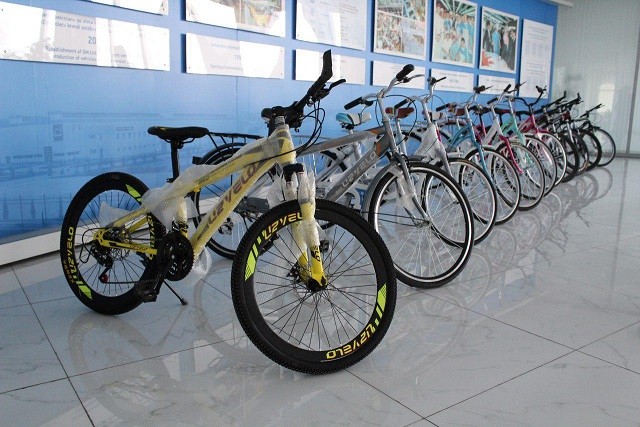
TASHKENT (TCA) — Uzbekistan’s state-owned automotive company Uzavtosanoat on February 27 opened a new plant in the country’s Namangan region to produce bikes and motorbikes in cooperation with China’s Lifan Group Co. Ltd, China’s Xinhua news agency reported.

The plant, Norin moto bike, was a result of cooperation between Uzavtosanoat JSC and Lifan Group Co. Ltd, which will supply the components for the assembly of bicycles, Uzavtosanoat said in a statement.

The plant, located in the Norin district of the Namangan region, is expected to produce 150,000 bikes per year at the initial stages and also plans to produce motorcycles, tricycles, scooters and mopeds in the future.

The launch of the new plant has allowed the employment of more than 150 local people and in the future the number of employees may reach 500, according to the Uzbek company.

The employees will also do an internship in China before starting to work at the plant.

In August 2018, Uzbek President Shavkat Mirziyoyev spoke for the necessity of increasing bicycle production and popularization of bicycle use in Uzbekistan, which contributed to the creation of this Uzbek-Chinese project, Uzavtosanoat said.

Uzavtosanoat is the largest automobile manufacturer in Uzbekistan. The company includes more than 85 enterprises and partners with more than 200 foreign enterprises and organizations.

Today, Uzbekistan is a unique producer of total spectrum of light vehicles and commercial vehicles in Central Asia.

World Bank supports access to clean water, sanitation in Tajikistan’s remote regions

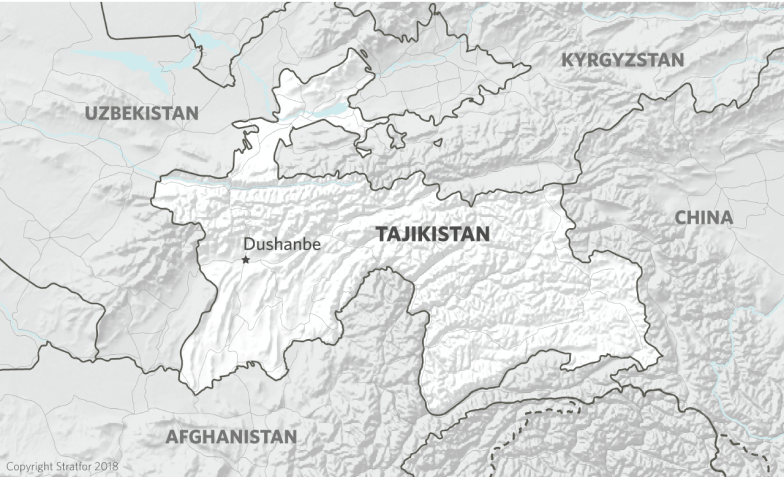
DUSHANBE (TCA) — Households, schools and health clinics in the poorest regions of southern Tajikistan will gain access to improved water supply and sanitation services, thanks to the Rural Water Supply and Sanitation Project. The World Bank’s Board of Executive Directors on February 28 approved $58 million in grant financing for the project from the International Development Association.

Continue reading

Kyrgyzstan: Preferential mortgage lending not affordable for state employees

BISHKEK (TCA) — Parliament deputies and experts are dissatisfied with the results of the state mortgage program in Kyrgyzstan because it is not affordable for state employees.

The monthly salary of a teacher with three years of experience is about 6,500 soms ($93), and with 30 years of experience — about 15,000 soms. With such salaries, they cannot afford a state mortgage loan, MPs said.

The State Affordable Housing program started in March 2016 to improve the issuance of preferential mortgage loans to state employees. Loans are provided by banks, which are compensated for the difference between market and preferential loan rates.

Since November 1, 2018, the rates on newly issued loans under the program have been reduced to 7-9% per annum. Previously, they were from 8% to 12%. The State Mortgage Company OJSC (SMC) is the program operator.

According to the SMC head Baktybek Shamkeev, if a citizen wants to obtain a 1 million soms loan, the total family income should be 22-24 thousand soms (around $330) per month. If a person receives a loan of 2 million soms, the total monthly income should be 45-50 thousand soms. Most civil servants in the country do not have such an income, MPs said.

Poor program implementation

The State Mortgage Company is working poorly on the implementation of the Affordable Housing program because only a limited part of solvent citizens who work in the public sector have received mortgage loans, concluded the Accounting Chamber following the results of the company’s audit.

The unavailability of state mortgage for the public sector was affected by the high interest rate resulting from the conclusion of agreements with partner banks with the provision of an added 5% annual rate along with a 3% rate (previously 5%) of a budget loan received from the Finance Ministry.

The auditors advised to reduce the cost of state mortgage by reducing the income of the State Mortgage Company and commercial partner banks.

Overpriced loans

The Affordable Housing program may become unavailable, MP Marlen Mamataliev said. The State Mortgage Company has not achieved good performance due to very high down payment amount and interest rates, he explained.

The SMC says that loans are issued at 9%, but in reality people get loans at 14-16%. In addition, the cost of apartments in the houses the company provides is very high, which does not comply with the principles of the Affordable Housing program. For instance, an apartment in a house built in Naryn costs $34.8 thousand. If a teacher or doctor receives it at 9%, he will have to pay 12 thousand soms per month for 15 years. After 15 years, the apartment will cost him $67 thousand.

Shamkeev told MPs about the SMC plans to create its own housing stock. Replenishment of capital is planned due to the Government’s contribution, he added.

According to the program, it was planned that construction companies would build housing at their own expense, and SMC would redeem. However, not all companies can afford building of social housing, since it is more profitable for them to build luxury homes.

Therefore, the State Mortgage Company began to build pilot houses in Naryn and Bishkek as part of a lease mechanism with subsequent purchase, which will be completed in April-May 2019.

According to the Government, the price of state mortgage should not exceed 40 thousand soms per square meter. If this price excessed, losses should be assumed by the State Mortgage Company.

A construction company undertook to build a five-story house in Naryn for 93 million soms, but after making changes, the construction cost increased to 172 million soms. Program participants refused from housing due to the high cost and unsuccessful planning of apartments.

Deputies asked to review the rate and conditions of the state mortgage housing program, as well as to cancel the mortgage down payment.

New program

Kyrgyzstan’s Government intends to create “a company that will help citizens save for a down payment and get a mortgage at 8-9% per annum for up to 13 years”. Such a company may be established before the end of 2019.

To solve the housing problems of citizens, the Economy Ministry proposed to create a Savings and Loan Company in Kyrgyzstan. The Ministry has submitted amendments to the Law “On Collateral” for public discussion. The new program will be funded by citizens who want to get a mortgage.

“Given the lack of access to long money, existing financial institutions offer mortgage lending services for a short time and with high interest rates. These financial services are not available to all segments of the population. The existing State Mortgage Company will not be able to satisfy all the population’s demand for mortgage loans. Therefore, it is necessary to create a housing savings company,” the bill says.

According to the new program, each citizen can buy housing now but not just government employees as the State Affordable Housing program requires.

To purchase housing, a citizen of Kyrgyzstan will save a down payment in the housing insurance complex (30% of the loan amount), and this money will be kept as a deposit with an annual rate from 3% to 4.5%. As soon as the citizen accumulates the initial amount, the State Mortgage Company will issue a mortgage loan to him for the purchase of an apartment. If a person does not save enough money for a certain period of time, the money will be returned to him.

Official data

The housing stock area is growing rather slowly in Kyrgyzstan. There were 13 square meters per citizen of Kyrgyzstan in 2005, compared to 13.2 square meters in 2017. For instance, the area of housing per person has increased from 17.5 square meters to 21.4 square meters in Kazakhstan over this period.

According to the State Mortgage Company, 3.8 thousand mortgage loans were issued for 4.2 billion soms over the company’s work, of which 30% were loans for teachers, 30% — for municipal employees, and 17% — for doctors. More than 14 thousand citizens have been provided with accommodation.

The SMC intends to issue 1.5 billion soms of loans in 2019. By the end of the year, the interest rate will drop to 6-8%.

The company is attracting non-budgetary funds. The German Development Bank will allocate 11 million euros, according to the agreement between the governments of Kyrgyzstan and Germany.