BISHKEK (TCA) — The Publisher’s note: Throughout the 19th and 20th centuries, Central Asia was the scene of intense geopolitical struggle and the Great Game between the British and Russian Empires, and later between the Soviet Union and the West, over Afghanistan and neighboring territories. Into the 21st century, Central Asia has become the area of a renewed geopolitical interest, dubbed the New Great Game, largely based on the region’s hydrocarbon and mineral wealth. On top of that, the region now is perhaps the most important node in the implementation of China’s One Belt, One Road initiative through which Beijing aims to get direct access to Western markets. Every week thousands of news appears in the world’s printed and online media and many of them may escape the attention of busy readers. At The Times of Central Asia, we strongly believe that more information can better contribute to peaceful development and better knowledge of this unique region. So we are presenting this Weekly Digest which compiles what other media have reported on Central Asia over the past week.
KAZAKHSTAN
Oil-rich Kazakhstan’s green transition
Kazakhstan pursues a strategy to help the country become more environmentally friendly and move away from its oil dependency
Dec 17 — “Nursultan Nazarbayev has been Kazakhstan’s one and only president since the country gained independence from the Soviet Union in 1991. Described by the leader as “a democracy that kept electing the same leader”, the country is guided by the principle of “economy first and then politics”. READ MORE: https://www.theneweconomy.com/strategy/oil-rich-kazakhstans-green-transition
Book Review | A long-awaited account of Kazakhstan’s famine
At least a quarter of Kazakhstan’s population died when Stalin decided the nomads must be settled in the 1930s
Dec 18 — ““Can you get to socialism by camel?” This question is chosen by academic Sarah Cameron as a chapter title in her newly published book on the famine that devastated Soviet Kazakhstan in the early 1930s. Sultanbek Khodzhanov, a Soviet Kazakh official later shot in Stalin’s purges, quipped during heated debates about how communism was to be implanted in a land roamed by nomads and their herds that “you can’t get to socialism by camel!” READ MORE: https://eurasianet.org/book-review-a-long-awaited-account-of-kazakhstans-famine
Has Kazakhstan forgotten about its Polygon test survivors?
The Kazakh government officially recognized 1,323,000 people as being negatively affected by Soviet-era nuclear tests at the Semipalatinsk Test Site
Dec 20 — “On a bright, bitterly cold day in early November, Aigul Suleimenova went home during her lunch break to check up on her daughter, Assee, who has a condition that weakens her nervous system. “She was born like that,” Aigul said. Assee, now 29, spends her days in a wheelchair and is under constant supervision.” READ MORE: http://www.wvxu.org/post/has-kazakhstan-forgotten-about-its-polygon-test-survivors#stream/0
Over 400 Kazakh Muslim Students Refused to Eat Pork in China, Get Locked in Freezer with Pig Carcasses
Authorities in China press on Uighur and other Muslim minorities in their country to denounce their religion
Dec 20 — “An independent US-based news site just revealed some shocking details about the condition more than 400 Kazakh Muslim students in Habahe and Burqin of Xinjiang, China were subjected to. According to Radio Free Asia (RFA), many of these poor students were detained by the Chinese authorities after staging a protest against a government order which required them to eat pork. Following that, the students’ whereabouts remained a mystery because the Chinese education ministry didn’t reveal the location of these students.” READ MORE: https://www.worldofbuzz.com/over-400-kazakh-muslim-students-refused-to-eat-pork-china-get-locked-in-freezer-with-pig-carcasses/
KYRGYZSTAN
Rough justice in Kyrgyzstan
96% of people who find themselves before a Kyrgyz court receive a guilty verdict and more than 75% of sentences in Kyrgyzstan involve real prison time or suspended sentences
Dec 18 — “Over New Year 2018, Rustam, 42, was arrested in south-east Bishkek by two police officers, who searched him in the presence of two witnesses and found a bag containing four grammes of hashish on him. In court, Rustam admitted to buying the drugs for personal use, but asked the judge not to give him a custodial sentence, as he was the sole breadwinner in his family — a married man with two children. He had no previous convictions and his colleagues and neighbours spoke well of him.” READ MORE: https://www.opendemocracy.net/od-russia/anna-kapushenko-savia-hasanova/rough-justice-in-kyrgyzstan
How Muslim-Chinese Food Became a Culinary Star in Kyrgyzstan
Despite its enthusiastic consumption by locals, Ashlan Fu was brought to Kyrgyzstan by the Dungans, exiled Chinese Muslims who fled over the Tien Shan Mountains after a failed rebellion in 1877
Dec 18 — “Have you ever eaten Ashlan Fu?” Aman Janserkeev, a young Kyrgyz student, asks as he guides me through the city of Karakol. “It’s the best cure for a hangover.” Ashlan Fu, a soup mixed with Laghman and starch noodles, is one of the most popular dishes in Kyrgyzstan. Prepared with copious quantities of vinegar and chilli, alongside egg and diced vegetables, it’s extremely spicy and best served cold. Kyrgyz students love it for its low cost, and almost everyone else appreciates its supposed restorative qualities.” READ MORE: https://www.atlasobscura.com/articles/what-to-eat-kyrgyzstan
Kyrgyzstan: Low-energy president ducks responsibilities
Jeenbekov is struggling to convince many he is the solution to Kyrgyzstan’s problems rather than part of them
Dec 20 — “The annual marathon end-of-year press conference with Kyrgyzstan’s president can normally be relied upon to produce useful news tidbits. Sooronbai Jeenbekov is no showman, however, so the December 19 event proved a low-wattage affair. The report for Jeenbekov’s first year in office is a mixed bag.” READ MORE: https://eurasianet.org/kyrgyzstan-low-energy-president-ducks-responsibilities
To Empower Women in Kyrgyzstan, Address Masculinity
In Kyrgyz society, women are often subject to domestic violence and the practice of bride kidnapping
Dec 21 — “Gender violence is a pervasive problem in Kyrgyzstan. A local NGO is trying to address it by working with men.” READ MORE: https://thediplomat.com/2018/12/to-empower-women-in-kyrgyzstan-address-masculinity/
TAJIKISTAN
Beaten But Not Broken: Tajik Bride Loses A Husband Over Impurity Allegations, Gains A Cause
In Tajikistan, a purity test is optional, but many future brides opt for it either at the groom’s behest or voluntarily to avoid potential scandal
Dec 15 — “Mastona Ato moved out of her village of Baljuvon in southern Tajikistan shortly after her new husband threw her out just two days after their wedding, accusing her of not being a virgin, a claim she vehemently rejects. “I felt like everybody was judging me,” Aso says. “My mother didn’t leave home for two months because she couldn’t face the gossip and neighbors’ disapproving looks.” READ MORE: https://www.rferl.org/a/tajik-bride-loses-a-husband-over-impurity-allegations-gains-a-cause/29658217.html
Central Asia’s largest mosque expected to open in Dushanbe in August next year
The mosque will be able to accommodate up to 120,000 worshipers and will dwarf the Turkmenbashi mosque in neighboring Turkmenistan which can hold 10,000 people
Dec 20 — “Dushanbe’s Central Cathedral Mosque, which will be Central Asia’s largest mosque, is expected to officially open in August next year, Trend reports referring to news.tj. This US$100 million project has been implemented under direct control of Tajik President Emomali Rahmon. The Persian Gulf kingdom of Qatar has reportedly put up 70 percent of the cost of the project, with Tajikistan raising the rest.” READ MORE: https://en.trend.az/casia/tajikistan/2996421.html
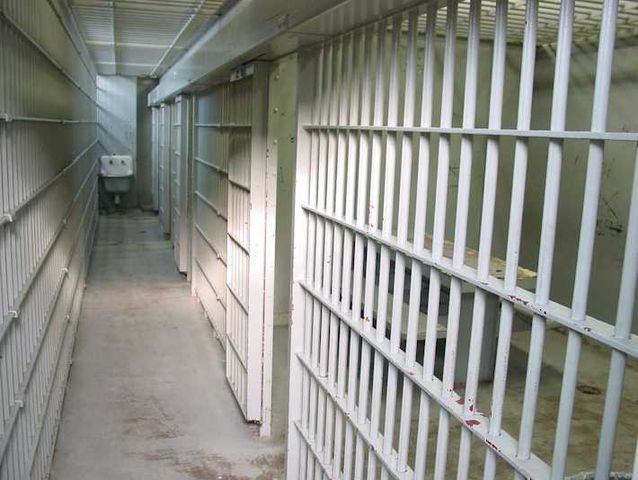
Tajikistan: Authorities double down on jihadist link to prison riot
There are still many uncertainties concerning a deadly riot that occurred in a Tajik prison last month
Dec 21 — “Officials in Tajikistan have divulged only the scantiest of details about what happened during a deadly prison riot last month, but the intent appears to be to write off the incident as a burst of jihadist-led violence. On December 21, Asia-Plus news agency cited an unnamed official with the prosecutor’s office in the northern Sughd region as saying that inmates at the Khujand prison performed Islamic funeral prayers before rising up against guards.” READ MORE: https://eurasianet.org/tajikistan-authorities-double-down-on-jihadist-link-to-prison-riot
TURKMENISTAN
Turkmenistan opens new front on alcohol in health drive
The need to uphold health is a relentless mantra of President Gurbanguly Berdymukhamedov, who has sought to set the example through his own sporting interests
Dec 14 — “Turkmenistan has adopted strict new rules on where and when alcohol can be sold as part of what the government says is an attempt to promote healthy living. The legislation, which was published in state newspaper Neutral Turkmenistan on December 10, details a long list of places in which it will from January be illegal to sell and consume beer, wine and spirits. Sale of the intoxicating goods will be forbidden altogether on national holidays.” READ MORE: https://eurasianet.org/turkmenistan-opens-new-front-on-alcohol-in-health-drive
German engineering company files a lawsuit against Turkmenistan
International arbitration lawsuits have haunted Turkmenistan in recent years
Dec 17 — “The Turkmen Initiative for Human Rights (TIHR) reports the most recent information about the contracts for construction projects in Turkmenistan, which were concluded between the German Chemnitz-based engineering company Unionmatex Industrieanlagen GmbH and Turkmengallaonumleri Grain Products Association (GALLA) in 2008. The projects were to include the turnkey construction of five flourmills and two small shopping centers with integrated bakeries in several Turkmen localities.” READ MORE: https://en.hronikatm.com/2018/12/german-engineering-company-files-a-lawsuit-against-turkmenistan/
Turkmenistan: The weight of this sad time we must obey
In its ‘Akhal-Teke: A Turkmenistan Bulletin’, Eurasianet reviews the main news and events in the Central Asian country for the previous week
Dec 18 — “Turkmenistan’s official government website this week featured an article about a deluded leader whose demise is brought about by a sequence of capricious and arbitrary decisions. The piece describes this ruler as “drunk with illusions of omnipotence” and “expectant of submission and flattery.” READ MORE: https://eurasianet.org/turkmenistan-the-weight-of-this-sad-time-we-must-obey
UZBEKISTAN
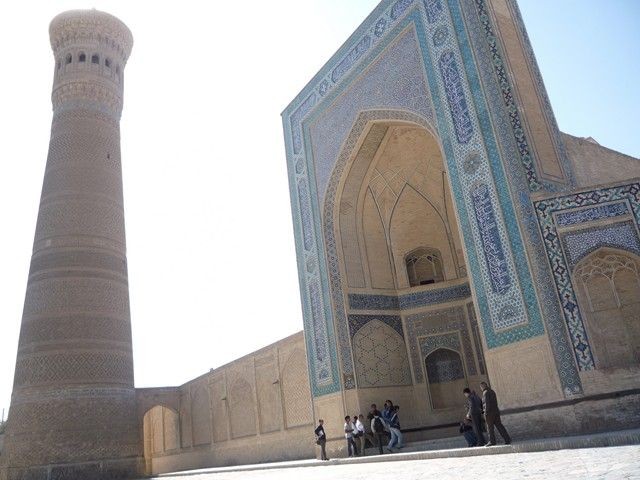
Bukhara: Spiritual crossroads of history and architecture
Bukhara features the most beautiful examples of Turkish-Islamic architecture with its magnificent mosques, high minarets, and caravanserais
Dec 15 — “Located in a large oasis in the Zarafshan River basin, Bukhara fascinates visitors with its deep-rooted history as well as its spiritual atmosphere. As you walk through the streets of the city that carry the traces of the past, it is possible to come across a precious piece of Islamic history and culture.” READ MORE: https://www.dailysabah.com/travel/2018/12/15/bukhara-spiritual-crossroads-of-history-and-architecture
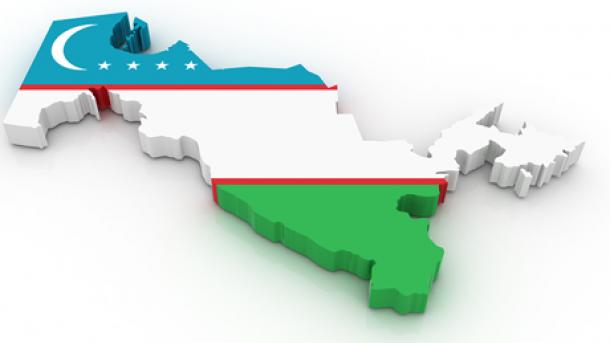
How Uzbekistan is transforming into an open economy
World Bank and IFC executives on Uzbekistan’s reforms and economic development
Dec 20 — “Uzbekistan is in its second year of a wide-ranging market-oriented program of reforms. The government is making three fundamental shifts to the economy: from a command-and-control to a market-based economy; from a public sector-dominated to a private sector-driven economy; and from being inward-looking and isolationist to outward looking and open. These reforms are taking place amid growing external imbalances and a youth bulge that cannot be tackled without more jobs from the private sector.” READ MORE: https://www.brookings.edu/blog/future-development/2018/12/20/how-uzbekistan-is-transforming-into-an-open-economy/
Migrant workers’ struggles push Uzbekistan to open up
Between two and three million of Uzbekistan’s more than 33 million people work abroad, mostly in Russia, to provide for their families back home
Dec 21 — “Maksud Mahmudov was among millions of Uzbeks who left their impoverished homeland as soon as they finished school to find work in Russia. In 2014, he and others came back as the Russian economy floundered, but it took two more years to find work. The 27-year-old now runs teams of builders for hire, taking advantage of a construction boom in his home city of Samarkand following a 2016 change of leadership in the Central Asian state, one of the world’s most tightly controlled countries.” READ MORE: https://www.reuters.com/article/us-uzbekistan-economy-migrants/migrant-workers-struggles-push-uzbekistan-to-open-up-idUSKCN1OK0EX
Can Uzbekistan Become a Model Secular, Muslim-Majority State?
Uzbekistan has taken steps to liberalize the government’s policies concerning religion and the freedom of faith
Dec 21 — “Uzbekistan’s efforts to expand religious freedoms in the country have not gone unnoticed, but challenges remain.” READ MORE: https://thediplomat.com/2018/12/can-uzbekistan-become-a-model-secular-muslim-majority-state/
AFGHANISTAN
The Forgotten Afghan Province That Is A Key Taliban Stronghold
The Taliban contest or control most of Zabul province in Afghanistan, where government forces are under constant attack
Dec 16 — “The ancient fortress towering above Qalat, the capital of Afghanistan’s southern province of Zabul, overlooks swaths of desert and scrubland that stretch to the rugged mountains straddling the border with Pakistan. This barren, sparsely populated land has long been a backwater. But under the unwatchful eyes of the government and U.S.-led international forces, Zabul has become a major hub of Taliban support in Afghanistan, where the militants are waging a deadly 17-year insurgency.” READ MORE: https://www.rferl.org/a/the-forgotten-afghan-province-that-became-taliban-country/29659327.html
Afghanistan and Pakistan clash over border fence
Kabul has long opposed Pakistan’s unilateral construction of a fence along the Durand Line along the country’s border with Afghanistan, rejecting Pakistan’s claims that the fence prevents militants and smugglers from slipping across the border
Dec 19 — “On October 15, Afghan and Pakistani security forces exchanged fire. Such incidents, which have claimed the lives of hundreds of border security personnel and others on both sides, have grown in frequency in recent years. The clashes are over Pakistan’s unilateral construction of a fence along the Durand Line. Pakistan says the fence will check armed militants moving between the two countries. Afghanistan, which has not accepted the Durand Line as its border with Pakistan, disagrees. The controversial fence is adding tension to an already fraught bilateral relationship.” READ MORE: https://timesca.com/index.php/news/26-opinion-head/20626-afghanistan-and-pakistan-clash-over-border-fence
The war in Afghanistan isn’t a ‘stalemate.’ The U.S. has lost
The most significant indicator of a war gone badly is that the U.S. has now quietly opened negotiations with the enemy, the op-ed author believes
Dec 19 — “With the sole exception of Vietnam, the ongoing Afghanistan war represents the greatest failure in U.S. military history. Today, all but a few diehards understand that Vietnam was a debacle of epic proportions. With Afghanistan, it’s different: In both political and military circles, the urge to dodge the truth remains strong.” READ MORE: https://www.latimes.com/opinion/op-ed/la-oe-bacevich-afghanistan-20181219-story.html
The Road towards Peace and Stability of Afghanistan
The new era of peace talks has been initiated after a violent period of war. The Taliban is in a strong position and bends US Grand Strategy in Afghanistan to be flexible for peace talks, a researcher says
Dec 20 — “Afghanistan is a state which is viciously suffering from Chaos and Instability. The people of Afghanistan have been in the anguish of Wars since long, in a recent decade, it is being estimated that around more than 10,000 innocent people have been killed. Consequently, religious and ethnic hatred has been increased. Adding more to injury, corrupt regimes has become the very reason for unemployment. The precious natural resources are being plundered by the external forces.” READ MORE: https://moderndiplomacy.eu/2018/12/20/the-road-towards-peace-and-stability-of-afghanistan/
WORLD
Central Asia: Who benefits from labor migration?
Labor migration benefits both Central Asian countries whose economies are dependent on migrants’ remittances and the recipient countries — mainly Russia
Dec 16 — “External labor migration in general is beneficial to Central Asia countries, because it contributes to the solution of many acute social and economic problems. Labor migration is beneficial both to host countries, such as Kazakhstan, and to Uzbekistan, Kyrgyzstan, Tajikistan, and Turkmenistan, the main suppliers of labor force.” READ MORE: https://timesca.com/index.php/news/26-opinion-head/20615-central-asia-who-benefits-from-labor-migration
A mortal threat to Asia’s rise
The air pollution problem poses a potent threat to Asia’s future
Dec 21 — “Many Asian cities will ring in the New Year with high levels of air pollution, which contributes to potentially life-shortening health problems, from heart disease to severe asthma. Seasonal cold weather impedes dispersal of pollutants in the air, and so tends to increase levels of carbon monoxide and particulates, including tiny particles that can find their way into human lungs.” READ MORE: https://asia.nikkei.com/Opinion/A-mortal-threat-to-Asia-s-rise



 TCA
TCA