• KGS/USD = 0.01144 0%
  • KZT/USD = 0.00193 -0%
  • TJS/USD = 0.10811 -0.28%
  • UZS/USD = 0.00008 0%
  • TMT/USD = 0.28490 0%
  • KGS/USD = 0.01144 0%
  • KZT/USD = 0.00193 -0%
  • TJS/USD = 0.10811 -0.28%
  • UZS/USD = 0.00008 0%
  • TMT/USD = 0.28490 0%
  • KGS/USD = 0.01144 0%
  • KZT/USD = 0.00193 -0%
  • TJS/USD = 0.10811 -0.28%
  • UZS/USD = 0.00008 0%
  • TMT/USD = 0.28490 0%
  • KGS/USD = 0.01144 0%
  • KZT/USD = 0.00193 -0%
  • TJS/USD = 0.10811 -0.28%
  • UZS/USD = 0.00008 0%
  • TMT/USD = 0.28490 0%
  • KGS/USD = 0.01144 0%
  • KZT/USD = 0.00193 -0%
  • TJS/USD = 0.10811 -0.28%
  • UZS/USD = 0.00008 0%
  • TMT/USD = 0.28490 0%
  • KGS/USD = 0.01144 0%
  • KZT/USD = 0.00193 -0%
  • TJS/USD = 0.10811 -0.28%
  • UZS/USD = 0.00008 0%
  • TMT/USD = 0.28490 0%
  • KGS/USD = 0.01144 0%
  • KZT/USD = 0.00193 -0%
  • TJS/USD = 0.10811 -0.28%
  • UZS/USD = 0.00008 0%
  • TMT/USD = 0.28490 0%
  • KGS/USD = 0.01144 0%
  • KZT/USD = 0.00193 -0%
  • TJS/USD = 0.10811 -0.28%
  • UZS/USD = 0.00008 0%
  • TMT/USD = 0.28490 0%
10 December 2025

Kyrgyzstan: Parliament approves bill to strip ex-presidents’ immunity

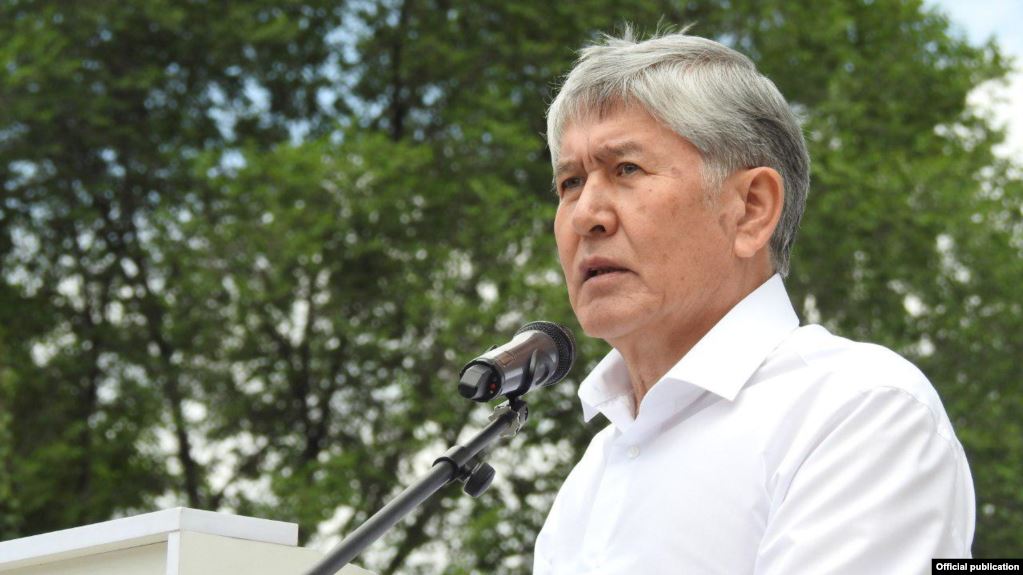
BISHKEK (TCA) — The parliament in Kyrgyzstan has approved in first reading a bill that would eliminate immunity for ex-presidents, potentially opening the path for the prosecution of the country’s former President Almazbek Atambayev, RFE/RL’s Kyrgyz Service reports.

A total of 100 lawmakers in the 120-seat chamber voted for the bill on December 13. Two voted against it, and 18 lawmakers were not present.

The parliamentary committee for legislation, state structures, and judicial issues approved the bill in late November.

The bill needs to be approved in two more readings by the lawmakers before President Sooronbai Jeenbekov can sign it into the law.

The vote comes amid persistent tension between Jeenbekov and his predecessor Atambayev — two politicians who used to be known as close allies.

In October, Kyrgyzstan’s Supreme Court ruled that the immunity enjoyed by the country’s former presidents is unconstitutional.

In recent months, some politicians and lawmakers have called for the investigation of some of Atambayev’s decisions while in office.

Several of his close allies have been arrested on charges of corruption in recent months.

Atambayev helped steer Jeenbekov, who had been his prime minister, into the presidency in an October 2017 election.

Atambayev has criticized Jeenbekov since March for sacking or arresting a number of his close allies in what he called a “pseudo-anticorruption” campaign.

Two Atambayev allies who served as prime ministers when he was president, Sapar Isakov and Jantoro Satybaldiev, were arrested in June on corruption charges.

In October, Atambayev’s former adviser Ikramjan Ilmiyanov was detained in Russia and brought by Kyrgyz authorities to Bishkek where he was arrested on corruption charges.

Afghanistan: President inaugurates Lapis Lazuli transport corridor

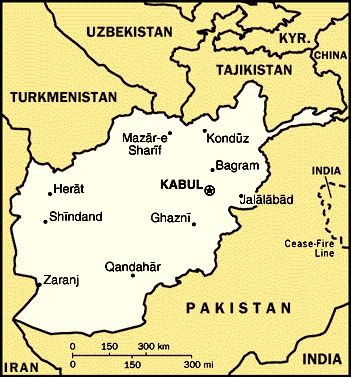
KABUL (TCA) — Afghan President Ashraf Ghani at a ceremony in Herat on December 13 inaugurated the Lapis Lazuli Corridor, saying that the route enables Afghanistan to send its products to Europe and other parts of the world, Afghan broadcaster TOLOnews reported.

The president said Afghanistan is in favor of connectivity policy and that the inauguration of the Lapis Lazuli Corridor is a milestone in this regard.

He said that he appreciates the efforts by Afghanistan’s international partners including Turkmenistan, Turkey and Azerbaijan for the project.

The Lapis Lazuli Route agreement was signed in October 2017 between Afghanistan, Turkey, Turkmenistan, Azerbaijan and Georgia.

The route begins in Afghanistan’s northern Aqina port in Faryab province and Torghandi in western Herat province and will run through to Turkmenbashi in Turkmenistan. From there it will cross the Caspian Sea and will link the Azerbaijani capital Baku to Tbilisi and Georgia’s Black Sea ports of Batumi and Poti. It will then connect with Kars in eastern Turkey before linking to Istanbul and Europe.

The Lapis Lazuli Route agreement was finalized after three years of talks and was signed during the 7th Regional Economic Cooperation Conference on Afghanistan (RECCA VII) in Ashgabat, Turkmenistan.

The first shipment sent through the route yesterday includes more than 175 tons of cotton, dried fruit and sesame.

The Lapis Lazuli corridor connects Afghanistan through Turkmenistan, Azerbaijan, Georgia to the Black Sea and ultimately through Turkey to the Mediterranean Sea and Europe. The Lapis Lazuli corridor is a historic corridor. Almost 2,000 years ago, lapis lazuli stone was exported from Badakhshan in northeastern Afghanistan through this route to Europe.

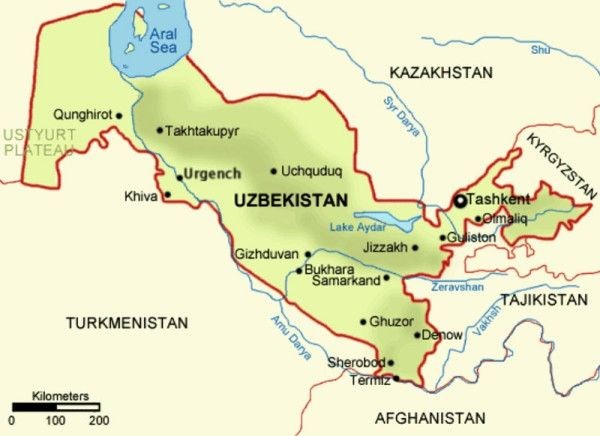
Uzbekistan wins its long fight against malaria

TASHKENT (TCA) — Uzbekistan’s success in becoming recognized as a malaria-free country by the World Health Organization (WHO) is an “extraordinary outcome,” said the Executive Director of the Global Fund on December 11, a UN-backed partnership to end malaria epidemics, UN News service reported.

Continue reading

Kyrgyzstan: Whimpering ex-president clutches at straws in political showdown

BISHKEK (TCA) — As Kyrgyzstan’s ex-President is losing loyalists due to his standoff with the incumbent head of state, he now tries to get new allies. We are republishing this article on the issue, originally published by Eurasianet:

The political drama that has gripped Kyrgyzstan over the past few months increasingly looks like it will end in a whimper instead of a bang.

The nation’s once-combative former president is doing much of the whimpering.

In a roundly mocked December 11 television interview, Almazbek Atambayev spoke of his regrets over how he left things before concluding his single permitted term in office late last year.

He picked the wrong man to succeed him, he moaned. And he unjustly hounded that man’s opponent, he lamented.

There was a time last year when it seemed a reasonable bet that businessman Omurbek Babanov might win the October presidential election. But Atambayev, eager to help his then-ally Sooronbai Jeenbekov secure the vote, threw every obstacle possible in Babanov’s way.

Babanov was thoroughly trashed by pro-government media. State television and dubious pop-up news websites put it about that he was ethnically less than fully Kyrgyz. For safe measure, security services then opened a criminal investigation against Babanov on the grounds that innocuous remarks he had made on the campaign stump were actually incitements to inter-ethnic hatred.

Facing likely imprisonment on that count, as well as an additional extravagant charge of coup-plotting, Babanov left the country immediately after the election.

The received wisdom is that Atambayev’s plan was to install Jeenbekov as a puppet president and to continue running things from behind the scenes. Much to Atambayev’s dismay, Jeenbekov turned out to have a mind of his own and has easily cowed his predecessor into submission.

This has prompted a rethink and self-pitying introspection from Atambayev.

“The [criminal cases] against Babanov should be closed. We need to thank him,” he said in a rambling interview with the April television channel, which he owns.

The ex-president now even claims that he asked Jeenbekov and two holdover appointees to close the cases against Babanov in the months after he left office. But to no avail.

“In the last year did [Babanov] really say something, do something? Did he do anything to disrupt the peace?” Atambayev continued. “On the contrary, it turns out he was deceived by Jeenbekov and I. I feel uncomfortable over this.”

This has all generated much snorting derision among the public.

Independent outlet Kaktus Media produced a helpful rundown of all the insults Atambayev had hurled at Babanov during the testy political season of 2017.

Babanov was a God-cursed provocateur “groveling before money.” He had been “infected by the bacteria” of Kyrgyzstan’s hated and deposed ex-ruling families. And so on and so forth.

The change of tack is clearly a remarkably clumsy act of plotting. Atambayev has watched whatever political influence he once had whither away to almost nothing. Since his bust-up with Jeenbekov, he has seen one ally after another slung into jail on corruption charges. His most ardent cheerleaders have now spurned him or slunk away. If the hope is that a forgiving Babanov might return to the political scene, what are the prospects?

He is certainly one of only a few figures with enough political heft to slow Jeenbekov’s ominous momentum. Plenty of people disillusioned with the current stagnating scene would welcome his return.

But Babanov, a businessman first and politician second, likely has little interest in performing the role of counterweight.

Time and time again he has chosen safety over real opposition politics. That was shown most clearly after his defeat in October, when he promptly disavowed his key political assets — notably, the parliamentary party he once controlled — in the apparent hope of keeping his financial ones intact.

Atambayev can plead all he likes, but he is on his own.