• KGS/USD = 0.01144 0%
  • KZT/USD = 0.00196 -0%
  • TJS/USD = 0.10899 -0%
  • UZS/USD = 0.00008 -0%
  • TMT/USD = 0.28490 0%
  • KGS/USD = 0.01144 0%
  • KZT/USD = 0.00196 -0%
  • TJS/USD = 0.10899 -0%
  • UZS/USD = 0.00008 -0%
  • TMT/USD = 0.28490 0%
  • KGS/USD = 0.01144 0%
  • KZT/USD = 0.00196 -0%
  • TJS/USD = 0.10899 -0%
  • UZS/USD = 0.00008 -0%
  • TMT/USD = 0.28490 0%
  • KGS/USD = 0.01144 0%
  • KZT/USD = 0.00196 -0%
  • TJS/USD = 0.10899 -0%
  • UZS/USD = 0.00008 -0%
  • TMT/USD = 0.28490 0%
  • KGS/USD = 0.01144 0%
  • KZT/USD = 0.00196 -0%
  • TJS/USD = 0.10899 -0%
  • UZS/USD = 0.00008 -0%
  • TMT/USD = 0.28490 0%
  • KGS/USD = 0.01144 0%
  • KZT/USD = 0.00196 -0%
  • TJS/USD = 0.10899 -0%
  • UZS/USD = 0.00008 -0%
  • TMT/USD = 0.28490 0%
  • KGS/USD = 0.01144 0%
  • KZT/USD = 0.00196 -0%
  • TJS/USD = 0.10899 -0%
  • UZS/USD = 0.00008 -0%
  • TMT/USD = 0.28490 0%
  • KGS/USD = 0.01144 0%
  • KZT/USD = 0.00196 -0%
  • TJS/USD = 0.10899 -0%
  • UZS/USD = 0.00008 -0%
  • TMT/USD = 0.28490 0%
08 December 2025

Russia to resume natural gas import from Turkmenistan

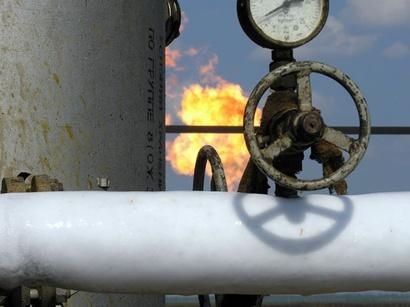
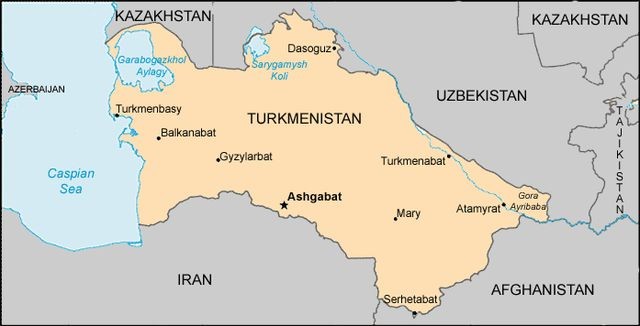
ASHGABAT (TCA) — Next year, Russia’s natural-gas giant Gazprom is going to resume imports of natural gas from Turkmenistan, the company’s chief executive has said.

In an interview with Turkmenistan’s state television channel during a visit to Ashgabat on October 9, Gazprom’s Chief Executive Aleksey Miller said he expects purchases which had been suspended three years ago due to price disputes to resume starting from January 1, 2019.

“We are talking about the resumption of purchases of Turkmen gas by Gazprom in the very near future — from January 1, 2019,” Miller said, adding that details of the new deal still must be finalized.

Russia was once the leading importer of Turkmen gas until it was displaced by China around the beginning of the decade, RFE/RL reported.

Relatively cheap imports of gas from Turkmenistan and other Central Asian countries enabled Russia to boost its exports to Europe.

In 2015, Gazprom announced its intention to cut imports of Turkmen gas to 4 billion cubic meters per year, down from the 10 billion level that it had been importing since 2010.

The move was followed by a complete cessation of purchases announced at the beginning of 2016, putting significant pressure on Turkmenistan’s economy, which is highly dependent on hydrocarbons as a source of hard currency.

Gas deliveries to China from Turkmenistan along the Central Asia-China pipeline are currently between 30 and 40 billion cubic meters a year.

A large part of the revenues from Turkmenistan’s sales to China are believed to be used to pay off debt on the pipeline link, which also traverses neighboring Uzbekistan and Kazakhstan and was financed by Beijing.

Turkmenistan sits on the world’s fourth largest reserves of natural gas.

UK to invest in Kazakhstan projects

ASTANA (TCA) — Within the framework of the Kazakh-British intergovernmental commission, a memorandum of understanding was signed between Kazakh Invest national investment support and promotion agency and UK Export Finance British Export Credit Agency on October 8. The document was signed by Saparbek Tuyakbayev, Chairman of the Board of Kazakh Invest, and UK’s Minister of State for Trade Policy George Hollingbery.

Continue reading

IMF mission visits Turkmenistan, assesses country’s macroeconomic developments

ASHGABAT (TCA) — An International Monetary Fund (IMF) mission led by Ms. Natalia Tamirisa visited Ashgabat during October 1-5 to assess macroeconomic and financial developments and discuss economic challenges and policy priorities with senior government officials, representatives of the business and financial sectors, and the diplomatic community in Turkmenistan.

Continue reading

Kazakhstan earns more, people get poorer

ASTANA (TCA) — Booming state revenues caused by growing oil and gas prices have not yet translated into better living conditions for the majority of Kazakhstan citizens. We are republishing this article on the issue, written by Almaz Kumenov, originally published by Eurasianet:

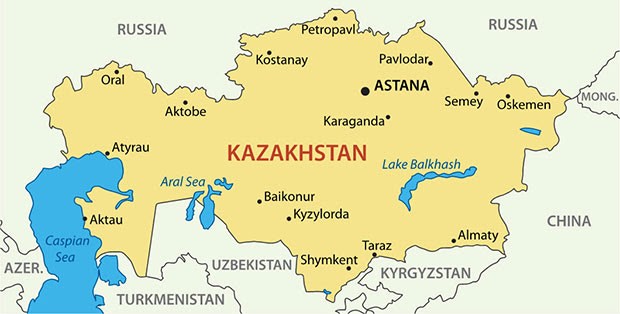
This has been a good year for Kazakhstan’s National Fund, in large part due to the resurgence in the price of oil. Over the first nine months of 2018, payments to the government’s rainy-day piggy bank rose by 52 percent year-on-year in local currency terms, the Kazakhstan Finance Association reported on October 4, citing Finance Ministry data.

Without accounting for returns on investments, more than 2 trillion tenge ($5.8 billion) had been deposited on the National Fund.

It is not only oil prices that have been growing. Natural gas is generating considerable revenue too. In the first seven months of 2018, Kazakhstan earned $1 billion from gas sales, a rise of 25 percent year-on-year, according to the Energyprom monitoring agency, which uses data from the National Economy Ministry.

The main importer was China, who bought five times the amount of Kazakh gas over this seven-month period as it had the year before. The revenue generated increased eight-fold — an indication of the ways in which prices have increased.

Kazakhstan is expecting more of the same in the coming years.

On October 1, the Energy Ministry announced that the settlement of a long-standing dispute with partners in the production-sharing agreement on the Karachaganak gas condensate project will see the government receive $1.1 billion upfront and earn a greater portion of the profits in future.

Some of the good news is sleight of hand, however. The nominal rise in income to the National Fund was made possible by the 15 percent devaluation of the tenge since the beginning of 2018.

And the socio-economic data also slightly spoils this rosy picture.

Household gas has become 9 percent more expensive over this past year — an unpleasant surprise for the large section of the population that has seen little personal benefit from the headline news on economic growth. The International Monetary Fund has forecast 3.7 percent growth in Kazakhstan’s economy this year, followed by 3.1 percent growth in 2019.

And yet, the devaluation of the tenge and the concomitant rise in prices has diminished buying power by 1 percent, while 2.4 percent of the population has incomes below the $78 subsistence minimum, Finprom think tank has reported, citing National Economy Ministry figures.

The private sector is feeling the pain from diminished buying power. Halyk Finance, an investment bank, recently noted that “the occasional devaluations are pushing businesses back by years, leading to a surge in bankruptcies or causing a freeze in business activity because of a high level of macroeconomic uncertainty. Ultimately, problems are mounting at banks in the form of bad credit.”

The bigger picture suggests the government needs to work harder on ensuring the renewed good times are spread broadly and evenly. Failure on this front will sour moods further.

Kazakhstan: President outlines new tasks for the government

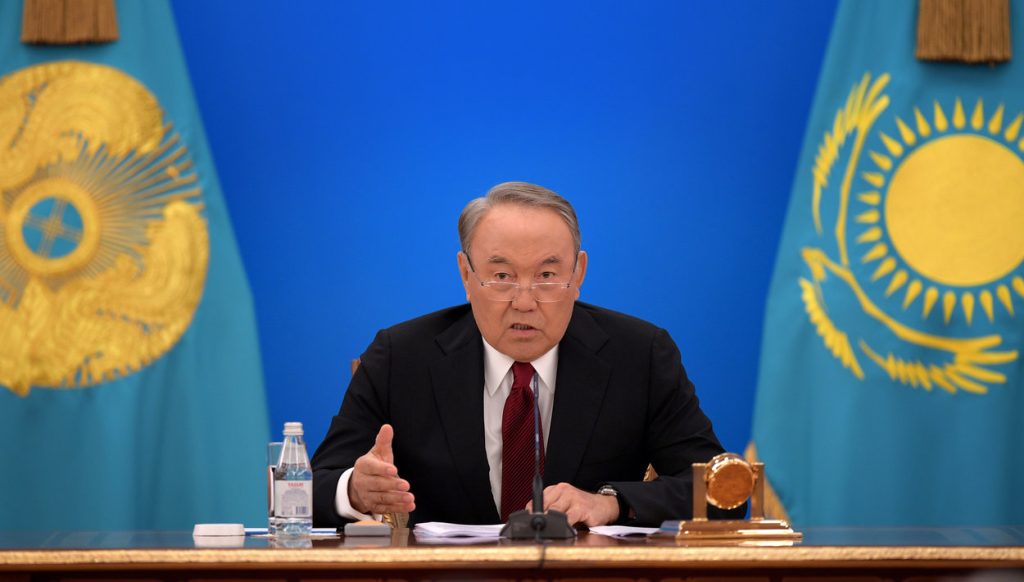
ASTANA (TCA) — Kazakhstan’s strategic goal is to join the club of 30 developed countries of the world by 2050, President of Kazakhstan Nursultan Nazarbayev said in his State of the Nation Address on October 5.

The President also said that over the past 20 years, the country has raised $300 billion of direct foreign investment.

“The Government, each and every head of a state agency or state company needs to reconsider their work approaches. The growing welfare of Kazakh citizens must be the highest priority,” Nazarbayev said.

He instructed the Government to raise the minimal salary in the country 1.5-fold — from 28 thousand to 42 thousand tenge ($112) from January 1, 2019. This will directly cover 1.3 million people, who work in enterprises of different types of ownership in all industries. The increase will apply to 275 thousand workers of state-funded organizations, whose salaries will grow on average by 35%.

“I hope this initiative will be supported by large companies in terms of increasing the salaries of low-paid workers,” Nazarbayev said.

He also said that Kazakhstan needs to create stable sources for business growth and foster private investment and facilitate freedom of the market, as it is business that creates new jobs and provides higher income to the majority of Kazakh citizens.

The President spoke for enhancing the protection of business from unlawful administrative pressure and criminal prosecution threats, as well as for moving towards a cashless economy. “Here we have to be guided by not only repressive tools but also incentives, for example, by encouraging business to use cashless transactions,” he said.

The Government also needs to take effective measures to reduce the shadow economy by at least 40% within three years.

“To give business an opportunity for a fresh start, I instruct to launch a tax amnesty for SMEs starting from January 1, 2019 by cancelling fines and penalties provided the principal tax amount is paid,” Nazarbayev said.

Export-oriented industrialisation should be a central element of economic policy, and the Government must focus on supporting exporters in the manufacturing sector, the President said.

“Our trade policy needs to stop being passive. We need to make it vigorous in order to effectively promote our goods at regional and global markets.

“I instruct the Government to allocate additional 500 billion tenge to support the manufacturing industry and non-commodity export in the next three years,” Nazarbayev said.

The President also spoke for developing the agricultural sector.

“The main objective is to increase labour productivity and export of processed agricultural products 2.5-fold by 2022. All state support measures should be focused on the large-scale attraction of modern agricultural technology to the country,” Nazarbayev said.