• KGS/USD = 0.01144 0%
  • KZT/USD = 0.00192 -0%
  • TJS/USD = 0.10849 0.37%
  • UZS/USD = 0.00008 0%
  • TMT/USD = 0.28571 0.28%
  • KGS/USD = 0.01144 0%
  • KZT/USD = 0.00192 -0%
  • TJS/USD = 0.10849 0.37%
  • UZS/USD = 0.00008 0%
  • TMT/USD = 0.28571 0.28%
  • KGS/USD = 0.01144 0%
  • KZT/USD = 0.00192 -0%
  • TJS/USD = 0.10849 0.37%
  • UZS/USD = 0.00008 0%
  • TMT/USD = 0.28571 0.28%
  • KGS/USD = 0.01144 0%
  • KZT/USD = 0.00192 -0%
  • TJS/USD = 0.10849 0.37%
  • UZS/USD = 0.00008 0%
  • TMT/USD = 0.28571 0.28%
  • KGS/USD = 0.01144 0%
  • KZT/USD = 0.00192 -0%
  • TJS/USD = 0.10849 0.37%
  • UZS/USD = 0.00008 0%
  • TMT/USD = 0.28571 0.28%
  • KGS/USD = 0.01144 0%
  • KZT/USD = 0.00192 -0%
  • TJS/USD = 0.10849 0.37%
  • UZS/USD = 0.00008 0%
  • TMT/USD = 0.28571 0.28%
  • KGS/USD = 0.01144 0%
  • KZT/USD = 0.00192 -0%
  • TJS/USD = 0.10849 0.37%
  • UZS/USD = 0.00008 0%
  • TMT/USD = 0.28571 0.28%
  • KGS/USD = 0.01144 0%
  • KZT/USD = 0.00192 -0%
  • TJS/USD = 0.10849 0.37%
  • UZS/USD = 0.00008 0%
  • TMT/USD = 0.28571 0.28%
11 December 2025

Uzbekistan president visits India

TASHKENT (TCA) — During his state visit to India on October 1, the President of Uzbekistan Shavkat Mirziyoyev held talks with the Prime Minister of India Narendra Modi.

During the visit, 20 Uzbekistan-India documents were signed on development of cooperation in tourism, pharmaceuticals, science, technologies and innovations, justice, healthcare and medical science, agriculture, and using outer space for peaceful purposes, the official Uzbek information agency Jahon reported.

Agreements were signed on establishing the Uzbekistan–India Business Council, cooperation between Uzbekistan’s Andijan region and India’s Gujarat state, between the cities of Samarkand and Agra, and organization of a free pharmaceutical zone in Andijan city (Uzbekistan).

At the meeting with the media after the talks, Shavkat Mirziyoyev and Narendra Modi noted that the negotiations were held in the spirit of mutual understanding and respect, concrete results have been achieved on the discussed issues, and the reached agreements will help bring cooperation between Uzbekistan and India to a new, historic level.

On the eve of the visit, the Ministry for Foreign Trade, the State Investment Committee of Uzbekistan, the Chamber of Commerce and Industry of Uzbekistan, the country’s Embassy in Delhi and the Confederation of Indian Industry held an Uzbekistan–India business forum in New Delhi.

Uzbekistan’s delegation was represented by heads of ministries and state agencies, regional and city administrations, large companies, as well as private business representatives. More than 150 representatives of large industrial enterprises, small and medium-sized business entities of India attended the event.

It was said that there are 145 enterprises with Indian capital in Uzbekistan today.

Bilateral trade in 2017 amounted to more than 320 million USD. Metal, mineral fertilizers, balms, silk, beans and other goods are exported from Uzbekistan to India. Pharmaceutical and medical products, as well as black metal, technological equipment, spare parts for cars are exported from India to Uzbekistan.

At the forum, agreements were reached on implementation of 30 export contracts worth more than 95 million USD, as well as over 50 investment projects worth 3 billion USD.

Tajikistan: Leaders introduced to president-to-be?

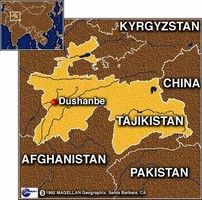
DUSHANBE (TCA) — The most recent developments suggest that Tajikistan has opted for a father-to-son power succession scheme. We are republishing this article on the issue, originally published by Eurasianet:

In a gesture profound in symbolism, Rustam Emomali, the mayor of Tajikistan’s capital and son of the president, last week met with the heads of state visiting Dushanbe to attend a Commonwealth of Independent States summit.

In Tajikistan, greeting arriving presidents is typically the purview of the prime minister, making this a noteworthy departure from convention.

Thirty-year-old Emomali was captured in photographs as he met in Dushanbe international airport with Russian President Vladimir Putin, Kazakhstan’s Nursultan Nazarbayev, Alexander Lukashenko of Belarus, and others.

The received wisdom is that this marks an important stage in a widely mooted succession strategy as incumbent leader Emomali Rahmon, who turns 66 on October 5, introduces his son to the leaders of some of Tajikistan’s main international partners.

Speculation from Akhbor, an often well-informed news website based in Prague, is that Rahmon may even be bracing to announce the holding of elections in 2019 in mid-November. This announcement could be made after the first two turbines of the all-important and politically existential Roghun hydropower dam are put into operation, the website said.

The next presidential election, which takes place every seven years, is in theory scheduled for 2020, but that year is also due to see parliamentary elections. The thinking is that the presidential vote may be brought forward to avoid two major political dates falling in the same year.

Akhbor’s reasoning is that Rahmon intends to make the start of operations at Roghun the crowning development of his more than 25 years of rule. The dam, which is slated to cost at least $3.9 billion to complete, has been elevated to the status of a be-all and end-all project — an undertaking to pull the country out struggling indigence. The commissioning of two turbines is only the beginning, however. The end product will, if ever finished, comprise six turbines and produce enough power to generate hundreds of millions in electricity export revenue.

Another factor mentioned by rumor-mongers is Rahmon’s supposedly shaky health. But such speculation is a perennial feature of succession forecasters in Central Asia and there is no evidence that Rahmon is indeed ailing in any meaningful fashion.

The notion of an imminent transition at the top is supported by the decision to hold a referendum in 2016 that amended the constitution to reduce the minimum age of eligibility for presidential office from 35 to 30 years. At a cursory glance, this appeared tailor-made to allow for Emomali to take the job. He turns 31 in December.

Even if Rahmon were to formally surrender his title as head of state, he would retain significant — arguably still paramount — rank by virtue of his lifelong Leader of the Nation status. The president was bestowed with this title by lawmakers in 2015.

The bespoke post allows Rahmon to address the nation and state officials on matters of security, as well as domestic and foreign policy. He can also attend government meetings, National Security Council gatherings and parliament sessions. Crucially, Rahmon will enjoy veto authority over all important state decisions.