• KGS/USD = 0.01144 0%
  • KZT/USD = 0.00192 -0%
  • TJS/USD = 0.10876 0.55%
  • UZS/USD = 0.00008 0%
  • TMT/USD = 0.28490 0%
  • KGS/USD = 0.01144 0%
  • KZT/USD = 0.00192 -0%
  • TJS/USD = 0.10876 0.55%
  • UZS/USD = 0.00008 0%
  • TMT/USD = 0.28490 0%
  • KGS/USD = 0.01144 0%
  • KZT/USD = 0.00192 -0%
  • TJS/USD = 0.10876 0.55%
  • UZS/USD = 0.00008 0%
  • TMT/USD = 0.28490 0%
  • KGS/USD = 0.01144 0%
  • KZT/USD = 0.00192 -0%
  • TJS/USD = 0.10876 0.55%
  • UZS/USD = 0.00008 0%
  • TMT/USD = 0.28490 0%
  • KGS/USD = 0.01144 0%
  • KZT/USD = 0.00192 -0%
  • TJS/USD = 0.10876 0.55%
  • UZS/USD = 0.00008 0%
  • TMT/USD = 0.28490 0%
  • KGS/USD = 0.01144 0%
  • KZT/USD = 0.00192 -0%
  • TJS/USD = 0.10876 0.55%
  • UZS/USD = 0.00008 0%
  • TMT/USD = 0.28490 0%
  • KGS/USD = 0.01144 0%
  • KZT/USD = 0.00192 -0%
  • TJS/USD = 0.10876 0.55%
  • UZS/USD = 0.00008 0%
  • TMT/USD = 0.28490 0%
  • KGS/USD = 0.01144 0%
  • KZT/USD = 0.00192 -0%
  • TJS/USD = 0.10876 0.55%
  • UZS/USD = 0.00008 0%
  • TMT/USD = 0.28490 0%
11 December 2025

First Kazakhstan-France Investment Forum held in Paris

ASTANA (TCA) — The Kazakhstan-France Investment Forum was held in Paris on May 28, with the support of the Embassy of Kazakhstan in France and Kazakh Invest National Company for Investment Support and Promotion. The forum featured a discussion of Kazakhstan’s investment opportunities and signing of a number of cooperation documents, Kazakh Invest said.

The Forum was attended by the Minister of State attached to the Minister for Europe and Foreign Affairs Jean-Baptiste Lemoyne, Chairman of the Investment Committee of the Kazakh Ministry of Investment and Development Yerlan Khairov, Ambassador of Kazakhstan to France Zhan Galiyev, Ambassador of France to Kazakhstan Philippe Martine, Chairman of the Board of Kazakh Invest Saparbek Tuyakbayev and representatives of the French and Kazakh business communities.

At the opening of the forum, the participants noted that French companies are interested in investing in Kazakhstan, which is a strategic corridor linking the Eurasian continent.

The Chairman of the Investment Committee Yerlan Khairov said that last year about 25% of foreign investments in Kazakhstan were allocated to the manufacturing industry. “This shows that Kazakhstan is becoming attractive not only in the oil industry. We comply with the international standards, and last year Kazakhstan joined the OECD Investment Committee,” Khairov said.

Mr. Lemoyne also stressed the importance of strategic partnership with Kazakhstan, “I can say that strategic partnership with Kazakhstan is a great reality. We need to breathe a new life into this partnership and strengthen it, taking into account the economic and political peculiarities. Kazakhstan’s privatization program is very interesting. I think France has the expertise and competence to contribute to establishment of the proposed cooperation with Kazakhstan.”

The Chairman of the Board of Kazakh Invest Saparbek Tuyakbayev noted that about 2/3 of GDP investments of the Central Asian countries are in Kazakhstan, which ranks first among the CIS countries in terms of attracted investments per capita.

Tuyakbayev also spoke about the current support measures for foreign investors in Kazakhstan.

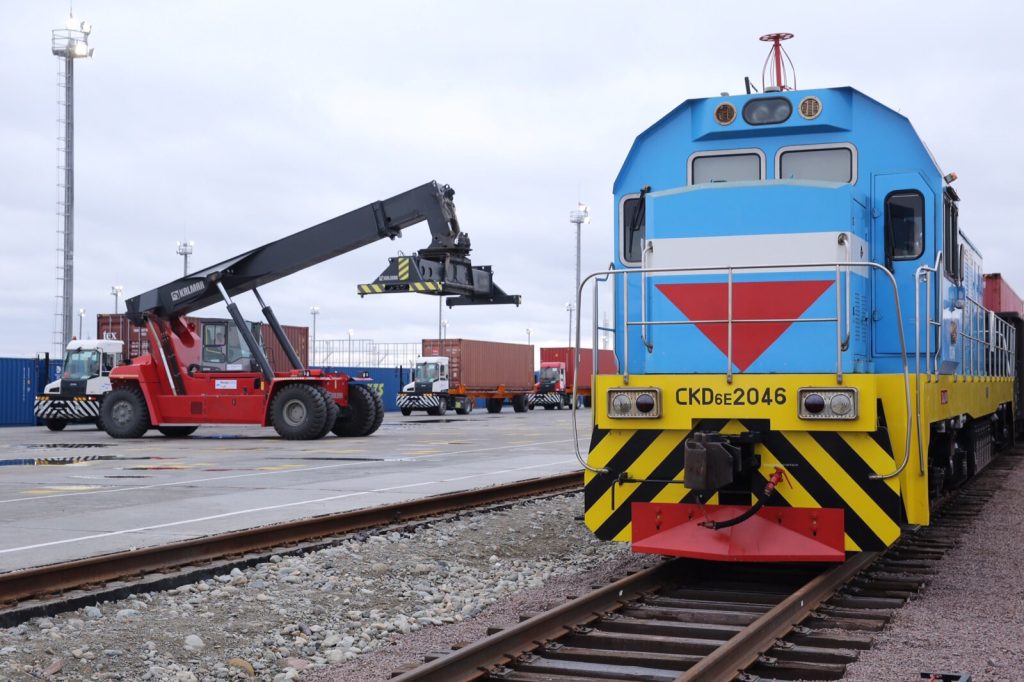
According to Kazakh Invest, world companies operating in Kazakhstan have access to a market of more than 500 million people. The multi-modal Eurasian transport corridor passes through Kazakhstan, including 5 railway and 6 automobile international routes, as well as the modern transcontinental motor road “Western Europe – Western China”.

“Our transport corridors allow delivering cargo from Asia (Lianyungang port, China) to Europe (Duisburg port, Germany) or back in 10-15 days, which is 2-3 times faster than by sea. I can say that container transportation volume has grown 2-fold,” Tyuakbayev said.

50 niche projects in priority sectors of economy in accordance with the Kazakh National Investment Strategy were presented to French businessmen. These investment proposals were developed jointly with Deloitte.

The forum also included discussions at such sessions as “Kazakhstan as a platform for investment and export on the New Silk Road”, “Tools for attracting foreign investment in Kazakhstan” and “Digitization of the economy”.

Toxic Aral Sea salt storm hits Uzbekistan, Turkmenistan

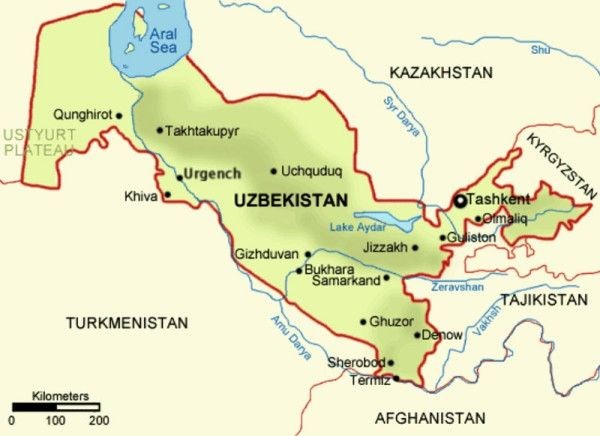
TASHKENT (TCA) — Large parts of western Uzbekistan and northern Turkmenistan are recovering from a severe salt storm that has damaged agriculture and livestock herds, RFE/RL’s Uzbek Service reported.

The three-day storm hit Uzbekistan’s Karakalpakstan and Khorezm regions, as well as Turkmenistan’s Dashoguz Province, beginning on May 26.

The salt — lifted from dried-out former parts of the Aral Sea — left a white dust on farmers’ fields and fruit trees that is expected to ruin many crops.

The storm also caused flights at the Urgench airport to be canceled, made driving hazardous, and caused breathing difficulties for many people.

Particularly hard hit by the storm, which reached speeds of more than 20 meters per second, were the Uzbek regions of Khorezm, Navoi, and Bukhara.

Remnants of the storm were also reported as far south as Ashgabat, the capital of Turkmenistan.

Temirbek Bobo, 80, told RFE/RL’s Uzbek Service that it was the first time he had seen such a harsh storm.

“I’ve seen the wind bring sand before, but this was the first time I saw salt. This event can be called a catastrophe,” said Bobo, who lives in the Takhiatash district of Karakalpakstan. “The whole day there was nothing but salt rain [coming down]. The sun was not visible.”

He added: “Nature began to take revenge on us for [what we have done] to the Aral Sea.”

A representative of the Karakalpakstan’s Council of Ministers, who spoke on condition of anonymity, said the council had not received any instructions regarding the situation, but suggested that the region’s Agricultural Ministry may have.

Salt storms are common in areas near the Aral Sea, but this one carried salt over a much wider area.

The Aral Sea once was one of the four largest seas on Earth, but intensive irrigation projects set up by the Soviet Union in the 1960s led to its desiccation.

The runoff from nearby agricultural fields has polluted the remaining parts of the Aral Sea with pesticides and fertilizers, which have crystallized with the salt.

Inhalation of the salt can cause severe throat and lung problems. The salt also can poison farmers’ produce and cause chemical damage to buildings.