• KGS/USD = 0.01144 0%
  • KZT/USD = 0.00196 -0%
  • TJS/USD = 0.10904 0%
  • UZS/USD = 0.00008 0%
  • TMT/USD = 0.28490 0%
  • KGS/USD = 0.01144 0%
  • KZT/USD = 0.00196 -0%
  • TJS/USD = 0.10904 0%
  • UZS/USD = 0.00008 0%
  • TMT/USD = 0.28490 0%
  • KGS/USD = 0.01144 0%
  • KZT/USD = 0.00196 -0%
  • TJS/USD = 0.10904 0%
  • UZS/USD = 0.00008 0%
  • TMT/USD = 0.28490 0%
  • KGS/USD = 0.01144 0%
  • KZT/USD = 0.00196 -0%
  • TJS/USD = 0.10904 0%
  • UZS/USD = 0.00008 0%
  • TMT/USD = 0.28490 0%
  • KGS/USD = 0.01144 0%
  • KZT/USD = 0.00196 -0%
  • TJS/USD = 0.10904 0%
  • UZS/USD = 0.00008 0%
  • TMT/USD = 0.28490 0%
  • KGS/USD = 0.01144 0%
  • KZT/USD = 0.00196 -0%
  • TJS/USD = 0.10904 0%
  • UZS/USD = 0.00008 0%
  • TMT/USD = 0.28490 0%
  • KGS/USD = 0.01144 0%
  • KZT/USD = 0.00196 -0%
  • TJS/USD = 0.10904 0%
  • UZS/USD = 0.00008 0%
  • TMT/USD = 0.28490 0%
  • KGS/USD = 0.01144 0%
  • KZT/USD = 0.00196 -0%
  • TJS/USD = 0.10904 0%
  • UZS/USD = 0.00008 0%
  • TMT/USD = 0.28490 0%
08 December 2025

Tajikistan’s Gorno-Badakhshan at nexus of security problems of Central Asia, China, Afghanistan and Russia

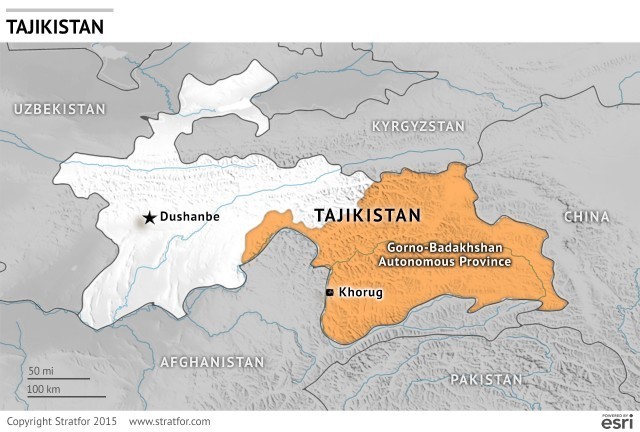
BISHKEK (TCA) — The prevailing calm in Gorno-Badakhshan in Tajikistan’s remote east does not rule out the prospect of a clash between local powerbrokers and Dushanbe authorities. To mitigate the risks of a local flare-up and regional power rivalry, China and Russia should communicate with each other and nudge Tajik President Emomali Rahmon toward a smooth transition of power, according to new findings presented at International Crisis Group’s briefing, Rivals for Authority in Tajikistan’s Gorno-Badakhshan, on March 14.

Following a 10-day research trip, Crisis Group has found Tajikistan’s little known and remote eastern territory of Gorno-Badakhshan Autonomous Oblast (GBAO) to be at the nexus of significant security problems, including Uighur unrest in China’s Xinjiang region, Afghanistan’s war and opium trafficking, and jihadists’ potential return from Iraq and Syria to China, Central Asia or Russia.

Gorno-Badakhshan is one of the most strategically sensitive areas in Central Asia. Situated high in the Pamir mountains, this autonomous region (or oblast) of eastern Tajikistan is bordered to the south and west by Afghanistan and to the east by China’s Xinjiang Uighur Autonomous Region. Beijing’s security presence in the region appears to be increasing, likely motivated by concerns about Uighur militants operating across the border in Afghanistan or returning from the Middle East. Since the 1990s, Gorno-Badakhshan has sought to strengthen its self-rule, including through armed struggle. For now, it is relatively quiet, but that could change without warning. At some point soon, perhaps as early as 2020, Tajik President Emomali Rahmon is expected to hand over power to a younger family member. A rocky transition could lead Gorno-Badakhshan powerbrokers to seek a more influential role in the new dispensation. Their track record suggests they may be willing to use force to achieve their ends.

Complicating matters is that the Tajik government’s control of Gorno-Badakhshan is tenuous at best. Irregulars loyal to local powerbrokers known as “the Authorities” have clashed with government forces in the past and may do so again if challenged, particularly in the event of a disorderly political transition in Dushanbe, Crisis Group says.

Meanwhile, Beijing appears to have established a security presence in GBAO. Local officials and residents say China has built an installation in a remote corner of the oblast, near both Xinjiang and the Afghan border. The location is not surprising, given China’s concern about Uighurs fighting in Iraq and Syria, some of whom could return through Afghanistan or Central Asia. Yet Beijing’s presence has provoked some local concern, and increasing Chinese influence in the region could needle Russia, which traditionally has stronger ties to Tajikistan.

Officials in GBAO and Dushanbe confirmed Beijing’s security presence in the oblast. “There are quite a lot of Chinese soldiers here”, one said, adding that they keep a low profile. Another spoke of some form of Chinese security installation in the settlement of Shaimak, near the border with Xinjiang and the Wakhan corridor, a high mountain valley in Afghanistan separating Tajikistan and Pakistan. He described the installation as “a joint counter-terrorism centre” housing Tajik forces as well. Neither the Tajik government nor the Chinese Embassy in Dushanbe responded to further inquiries by Crisis Group.

Crisis Group has found that Rahmon’s government resists outside advice, but Moscow and Beijing, which have some influence and fear upheaval in Tajikistan, could perhaps nudge the president toward a transition that minimizes risks of violence. China also should communicate more clearly its concerns and interests in the region, to both Russia and local inhabitants.

Kazakhstan and Uzbekistan to boost economic cooperation, trade

ASTANA (TCA) — On March 14 Astana hosted the 17th meeting of the Joint Intergovernmental Commission on Bilateral Cooperation between Kazakhstan and Uzbekistan, co-chaired by First Deputy Prime Minister of Kazakhstan Askar Mamin and First Deputy Prime Minister of Uzbekistan Ochilboy Ramatov, the official website of the Prime Minister of Kazakhstan reported.

The parties noted the high dynamics of mutual trade growth. The trade turnover between Kazakhstan and Uzbekistan in 2017 amounted to $2 billion, which is 31.2% higher compared to 2016. Exports from Kazakhstan to Uzbekistan in 2017 grew by 35% to $1.3 billion. Imports to Kazakhstan from Uzbekistan increased by 25.1% to $735.2 million.

The parties agreed to take further coordinated measures to ensure the growth of trade turnover to $3 billion in 2018 and to $5 billion by 2020.

The interaction of business circles and investments plays an important role in bilateral cooperation. Over the past year alone, two large business forums have been held, and commercial agreements worth more than $1 billion have been signed. Joint ventures (four trading houses) operate in the areas of food supplies, petrochemicals and chemistry. The constituent documents on a trading house of the pharmaceutical industry have been approved.

Within the framework of the Agreement on long-term cooperation between Uzbek automobile producer Uzavtosanoat SC and Kazakh carmaker SaryarkaAvtoProm LLP, a joint project is being implemented to export products to foreign markets, including the EEU market.

The meeting paid particular attention to the Year of Uzbekistan in Kazakhstan. It is planned to hold more than 200 events in the sphere of economy, tourism, cultural and humanitarian area.

“The decision of the Heads of our States to hold the Year of Uzbekistan in Kazakhstan in 2018 and the Year of Kazakhstan in Uzbekistan in 2019 is a clear indication of the unprecedentedly high level of trust and partnership relations between our countries,” First Deputy Prime Minister of Kazakhstan Askar Mamin emphasized.

The parties agreed to consider building an international Cross-Border Cooperation Center, a transport and logistics center (Dry Port) in the border areas of Kazakhstan and Uzbekistan.

Following the 2017 results, the growth of mutual volumes of rail transportation by 8% was recorded, amounting to more than 20.5 million tons. During the first two months of 2018, traffic volumes increased by 44% compared to the same period of 2017.

The parties also agreed that regular railway passenger trains along the Samarkand—Astana route will start operation in April this year.

Kyrgyzstan: agrifood exporters learn about entering European, Chinese markets

BISHKEK (TCA) — Supporting the Kyrgyzstan government’s pursuit to unleash the country’s export potential, the UN Food and Agriculture Organization (FAO) conducted a one-day workshop on March 14 in Bishkek to discuss with participants how to diversify agrifood exports and to enter the European and Chinese agricultural markets.

The broad range of participants could have a large positive effect on Kyrgyz exports. The workshop was attended by representatives of government authorities, such as the Ministry of Economy and the Ministry of Agriculture, Food Industry and Melioration, and various exporters and commercial and agricultural associations.

The workshop was aimed to facilitate the exchange of information among national and international experts, government agencies, and the private sector that might lead to joint action in the future.

Participants worked to identify further actions for the successful implementation of policies and programs to promote the export of agricultural products in Kyrgyzstan.

“Serving as a baseline for today’s workshop are guidelines that FAO developed for Kyrgyzstan in 2017 on its priority export products to the European market and an analytical overview from FAO of the specifics of accessing the Chinese agrifood market,” said Iryna Kobuta, FAO economist.

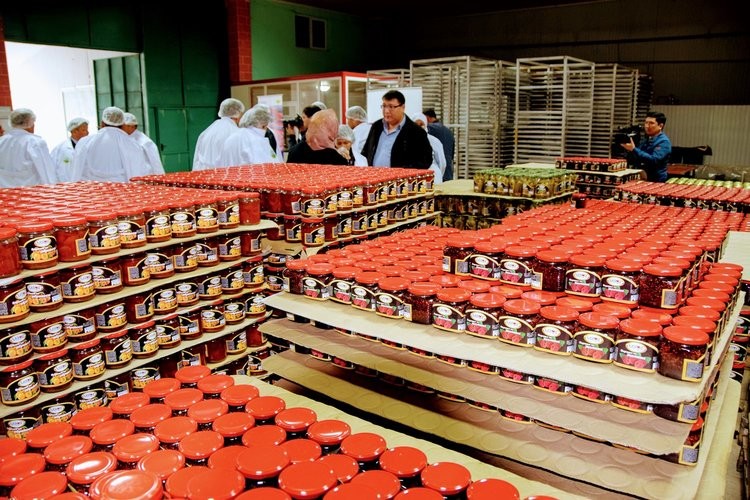
A number of products from Kyrgyzstan are attractive to consumers in the European Union, including dried fruits, honey, walnuts, and kidney beans. Requirements for the export of these products, along with information about the EU’s agrifood market structure, served as additional topics for discussion.

Participants also learned about the specifics of entering China’s market, especially for animal products, and recommendations will be provided on authorizing national production capacities as exporters of agricultural goods to China.

In 2015, Kyrgyzstan adopted its first plan to improve its competitiveness and realize the country’s export potential for a sustainable economic growth. Since then, FAO and other international partners have been supporting the government in this area. The main concerns are the competitiveness of agrifood products, export support measures, and food quality.

Cooperation between Uzbekistan and EU discussed in Tashkent

TASHKENT (TCA) — A round table discussion on “Cooperation between Uzbekistan and the European Union: Vision to the Future” was held on March 14 in Tashkent. The event was organized by the Institute for Strategic and Regional Studies under the President of Uzbekistan, the European Union and the Friedrich Ebert Foundation in Uzbekistan with the support of the Ministry of Internal Affairs, the Delegation of the European Union to Uzbekistan said.

Continue reading