• KGS/USD = 0.01144 0%
  • KZT/USD = 0.00194 0%
  • TJS/USD = 0.10879 -0.18%
  • UZS/USD = 0.00008 0%
  • TMT/USD = 0.28490 0%
  • KGS/USD = 0.01144 0%
  • KZT/USD = 0.00194 0%
  • TJS/USD = 0.10879 -0.18%
  • UZS/USD = 0.00008 0%
  • TMT/USD = 0.28490 0%
  • KGS/USD = 0.01144 0%
  • KZT/USD = 0.00194 0%
  • TJS/USD = 0.10879 -0.18%
  • UZS/USD = 0.00008 0%
  • TMT/USD = 0.28490 0%
  • KGS/USD = 0.01144 0%
  • KZT/USD = 0.00194 0%
  • TJS/USD = 0.10879 -0.18%
  • UZS/USD = 0.00008 0%
  • TMT/USD = 0.28490 0%
  • KGS/USD = 0.01144 0%
  • KZT/USD = 0.00194 0%
  • TJS/USD = 0.10879 -0.18%
  • UZS/USD = 0.00008 0%
  • TMT/USD = 0.28490 0%
  • KGS/USD = 0.01144 0%
  • KZT/USD = 0.00194 0%
  • TJS/USD = 0.10879 -0.18%
  • UZS/USD = 0.00008 0%
  • TMT/USD = 0.28490 0%
  • KGS/USD = 0.01144 0%
  • KZT/USD = 0.00194 0%
  • TJS/USD = 0.10879 -0.18%
  • UZS/USD = 0.00008 0%
  • TMT/USD = 0.28490 0%
  • KGS/USD = 0.01144 0%
  • KZT/USD = 0.00194 0%
  • TJS/USD = 0.10879 -0.18%
  • UZS/USD = 0.00008 0%
  • TMT/USD = 0.28490 0%
15 December 2025

Work starts on Afghan part of Turkmenistan-Afghanistan-Pakistan-India pipeline

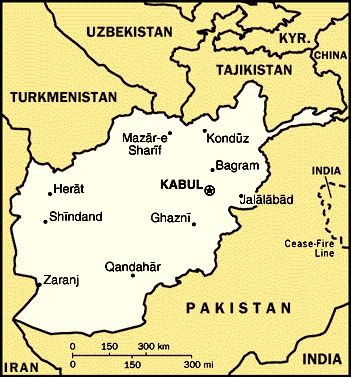
KABUL (TCA) — Leaders of Afghanistan, Turkmenistan, Pakistan, and India have inaugurated the start of work on the Afghan section of a multibillion-dollar natural-gas pipeline project aimed to diversify Turkmenistan’s gas-export routes, help Afghanistan earn by gas transit, and meet the energy needs of South Asian nations.

The Afghan and Turkmen presidents, Ashraf Ghani and Gurbanguly Berdymukhammedov, were joined by Pakistani Prime Minister Shahid Khaqan Abbasi and India’s Minister of State for External Affairs M.J. Akbar on February 23 in Afghanistan’s western city of Herat for the groundbreaking ceremony for the Afghan section of the TAPI (Turkmenistan-Afghanistan-Pakistan-India) natural-gas pipeline, RFE/RL’s Radio Free Afghanistan reported.

“Galkynysh, the world’s second-biggest gas field, will feed the TAPI pipeline,” Berdymukhamedov told reporters gathered in a town near the Turkmen-Afghan border via a video link from Herat.

Turkmenistan holds the world’s fourth-largest natural gas reserves but has been heavily dependent on gas exports to China after Russia cut back on gas imports in the last few years.

The planned 1,800-kilometer pipeline connecting Central Asia with South Asia is to carry 33 billion cubic meters of Turkmen natural gas annually for 30 years.

The total cost of the project, which is expected to take two years to complete, is estimated at $10 billion.

“A new chapter of economic growth and regional connectivity starts right here in the economic and cultural hub of #Afghanistan,” Ghani wrote on Twitter after arriving in Herat on February 22.

Heavy security will guard the pipeline construction through Afghanistan, said Jelani Farhad, a spokesman for the Herat provincial governor’s office, on February 23.

“It’s a golden day for Afghanistan today. It will help our economy and create thousands of jobs,” Farhad said.

Backers of the TAPI pipeline say it will ease energy deficits in South Asia and help reduce tensions in the divided region.

Afghan officials say Kabul should earn some $500 million annually in transit duties and that the project should help create thousands of jobs.

The planned underground pipeline is intended to carry 33 billion cubic meters of gas annually alongside Afghanistan’s Herat-Kandahar highway, then through Quetta and Multan in Pakistan and ending up at the India-Pakistan border town of Fazilka.

It would start from the Galkynysh Gas Field near the town of Yoloten in Turkmenistan’s eastern province of Mary.

Officials say 5 billion cubic meters would go to Afghanistan and India, and Pakistan would buy around 14 billion.

The pipeline would mostly run through parts of Afghanistan where the Taliban have a strong presence. However, the main Taliban organization in the country has declared its support for TAPI, calling it an “important project” for the country.

Kazakhstan FM calls on European Union to expand presence in Central Asia

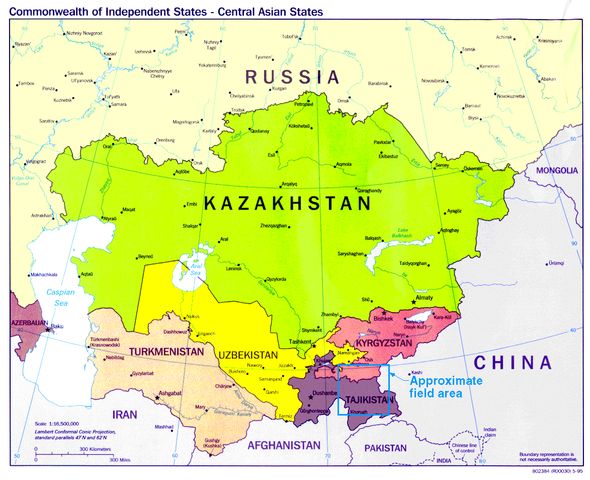
ASTANA (TCA) — The goals outlined in the Address of Kazakhstan President Nursultan Nazarbayev to the people of Kazakhstan, entitled “New Opportunities Under the Fourth Industrial Revolution”, and the ongoing three-pronged modernization of the country’s political, economic and social life open up new frontiers of cooperation with the European Union in spheres such as economic digitalization, energy efficiency, and improved education, Kazakh Foreign Minister Kairat Abdrakhmanov said on February 22 at the opening of the international conference “25 Years of European Union – Central Asia Relations: From the Past to the Future” in Astana, the Kazakh Foreign Ministry reported.

Mr. Peter Burian, the European Union Special Representative for Central Asia, together with a delegation from the European External Action Service, public sector representatives, non-governmental organizations, the diplomatic corps, and experts from research centers and universities from Kazakhstan, Central Asia and Europe were among the conference attendees, which was organized as part of the process to update the EU Strategy for Central Asia first adopted in 2007.

In his address to the conference the Minister of Foreign Affairs of Kazakhstan, Kairat Abdrakhmanov, noted that “Kazakhstan supports the decision of the European Union to update the EU Strategy for Central Asia and is ready to make concrete proposals on its actualization”.

It is expected that this program document will be published by the middle of 2019. It will define the main priorities for further cooperation.

Kazakhstan proposes to focus on increasing the practical impact of the new EU Strategy for Central Asia by hinging the program document’s development on prioritizing the needs of the regional countries. In this regard, the development of private entrepreneurship, small and medium business, and transport and logistics infrastructure were identified as priority areas for cooperation.

“We suggest for the EU to develop new mechanisms that will help attract private European capital to various projects in Central Asia. This will open up new opportunities for European companies to enter the regional market and strengthen the position of the EU in the region,” the Foreign Minister said.

Other promising fields of cooperation are energy efficiency, educational cooperation, environmental protection, rational use of water resources and climate change. Taking into account the latest global developments, digitalization was also named as a special priority for cooperation.

Speaking about the development of the region’s transit and transport potential, the Kazakh Foreign Minister noted that Central Asia should not remain simply a transit hub. He called for using the experience and assistance of the European Union to achieve effective economic diversification in Central Asian countries and the creation of highly-demanded high-tech industries.

Kazakhstan believes that strengthening security and stability should remain an important priority for cooperation between Central Asia and the European Union.

The Foreign Minister appealed to the European Union to be more ambitious and expand its presence in Central Asia in order to increase the practical impact of interregional cooperation.

US donates $1.3 million living quarters complex to Tajikistan defense ministry

DUSHANBE (TCA) — United States Chargé d’Affaires Kevin Covert, Secretary of the Security Council of Tajikistan Colonel General Abdurahim Kahhorov, Adviser to the President of Tajikistan Colonel General Sherali Khayrulloev, Minister of Defense Colonel General Sherali Mirzo, and other high-ranking security officials on February 22 attended the handover ceremony of a US $1.3 million living quarters complex in Fakhrobod to the Mobile Forces under the Ministry of Defense of the Republic of Tajikistan. The state-of-the-art complex for over 200 servicemen consists of three buildings that include classrooms, dining and cooking facilities, dormitories, and hygiene facilities, the US Embassy in Dushanbe reported.

Continue reading

UNDP launches initiative to prevent violent extremism in Central Asia

ASTANA (TCA) — The United Nations Development Programme (UNDP) and Ambassador of Japan to Kazakhstan, Mr. Ichiro Kawabata, on February 22 signed the Exchange of Note with which the Government of Japan committed to finance US $6,145,853 for the regional project entitled “Strengthening Community Resilience and Regional Cooperation for Prevention of Violent Extremism in Central Asia” to be implemented by UNDP. The Project Document was also signed between the Deputy Minister of Foreign Affairs of Kazakhstan, Yerzhan Ashikbayev, and UNDP Resident Representative in Kazakhstan, Mr. Norimasa Shimomura.

Continue reading