• KGS/USD = 0.01144 0%
  • KZT/USD = 0.00213 0%
  • TJS/USD = 0.10456 0.19%
  • UZS/USD = 0.00008 0%
  • TMT/USD = 0.28490 0%
  • KGS/USD = 0.01144 0%
  • KZT/USD = 0.00213 0%
  • TJS/USD = 0.10456 0.19%
  • UZS/USD = 0.00008 0%
  • TMT/USD = 0.28490 0%
  • KGS/USD = 0.01144 0%
  • KZT/USD = 0.00213 0%
  • TJS/USD = 0.10456 0.19%
  • UZS/USD = 0.00008 0%
  • TMT/USD = 0.28490 0%
  • KGS/USD = 0.01144 0%
  • KZT/USD = 0.00213 0%
  • TJS/USD = 0.10456 0.19%
  • UZS/USD = 0.00008 0%
  • TMT/USD = 0.28490 0%
  • KGS/USD = 0.01144 0%
  • KZT/USD = 0.00213 0%
  • TJS/USD = 0.10456 0.19%
  • UZS/USD = 0.00008 0%
  • TMT/USD = 0.28490 0%
  • KGS/USD = 0.01144 0%
  • KZT/USD = 0.00213 0%
  • TJS/USD = 0.10456 0.19%
  • UZS/USD = 0.00008 0%
  • TMT/USD = 0.28490 0%
  • KGS/USD = 0.01144 0%
  • KZT/USD = 0.00213 0%
  • TJS/USD = 0.10456 0.19%
  • UZS/USD = 0.00008 0%
  • TMT/USD = 0.28490 0%
  • KGS/USD = 0.01144 0%
  • KZT/USD = 0.00213 0%
  • TJS/USD = 0.10456 0.19%
  • UZS/USD = 0.00008 0%
  • TMT/USD = 0.28490 0%

Iran’s president visits Turkmenistan to enhance cooperation

ASHGABAT (TCA) — Iran’s President Hassan Rouhani arrived in Turkmenistan’s capital Ashgabat on March 27 on a state visit to enhance bilateral ties. President Rouhani held talks with his Turkmen counterpart, Gurbanguly Berdymukhamedov, to discuss bilateral and regional issues.

Speaking at the meeting of the high-ranking delegations of Iran and Turkmenistan, President Rouhani spoke about cooperation between the Islamic Republic of Iran and Turkmenistan in different fields, especially energy, transit and transportation, Mehr News Agency reported.

Rouhani said that “beginning of the project of the third line of power transport from Iran to Turkmenistan, new cooperation in the field of oil and gas in Caspian Sea and providing loans for the development of transport between the two countries can be new steps in economic relations between the two countries.”

Stressing that Iranian road companies are ready to provide services to and carry out projects in Turkmenistan, he said “it was decided that we will soon witness bus export from Iran to Turkmenistan.”

On the need to establish close ties between border provinces of Iran and Turkmenistan, Iran’s President said “Iran and Turkmenistan have ample cultural and historical commonalities, through taking advantage of which we must further grow cooperation in various fields such as science, research and technology, communications and tourism.”

He then referred to the importance of establishing direct Tehran-Ashgabat flight.

President of Turkmenistan Gurbanguly Berdymukhamedov, in turn, expressed happiness over President Rouhani’s visit to the country during Nowruz and said “relations between Iran and Turkmenistan have always been brotherly and amicable for many years.”

“Today, Tehran-Ashgabat relations in various political, economic, trade and cultural fields are at a high level,” he continued.

Turkmenistan’s president described Caspian Sea as the sea of peace and security and added that “cooperation between Iran and Turkmenistan at the shores and waters of the Caspian, as well as special economic zones must further develop.”

President Rouhani was on the first leg of a two-day tour that will also take him to Azerbaijan.

As President Rouhani began his visit to the two countries on Tuesday, he said there existed “enormous capacities for an all-embracing development of relations” between Tehran, Baku and Ashgabat which would be on the agenda of talks, PressTV reported.

“One of the goals of the (Iranian) administration is proximity with the neighboring countries. In this trip, besides developing traditional trade and economic relations with Turkmenistan and Azerbaijan, the issue of the regional transit and connecting southern waters to the Central Asian region and the Caucasus is important,” he told reporters.

Rouhani said two railway projects linking Chabahar port in southeast Iran to Central Asia and Rasht in northern Iran to Astara in Azerbaijan are currently in progress.

Uzbekistan: Tashkent conference backs Afghan government’s peace offer

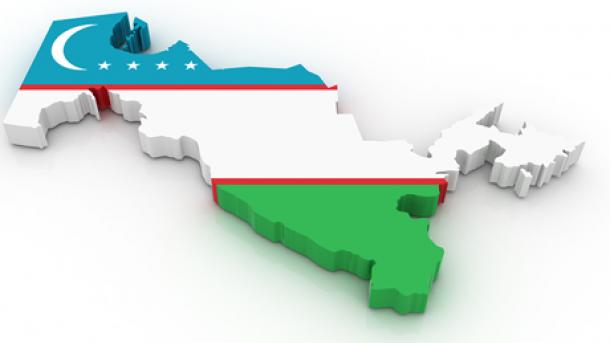
TASHKENT (TCA) — Following talks in Uzbekistan on March 27, more than 20 countries and organizations declared their support for direct talks between the Kabul government and the Taliban to end the 16-year conflict in Afghanistan, RFE/RL’s Uzbek Service reported.

A joint declaration issued at the end of the conference in the Uzbek capital, Tashkent, noted the signatories’ “strong backing for the National Unity Government’s offer to launch direct talks with the Taliban, without any preconditions.”

They also called upon the Taliban to “accept this offer for a peace process that is Afghan-led and Afghan-owned.”

The conference was attended by Afghan President Ashraf Ghani, European Union foreign-policy chief Federica Mogherini, and a number of foreign ministers, including Sergei Lavrov of Russia, Wang Yi of China, and Turkey’s Mevlut Cavusoglu. The United States was represented by Undersecretary of State for Political Affairs Thomas Shannon.

Earlier this month, Ghani offered to allow the Taliban to establish itself as a political party and said he would work to remove sanctions on the militant group, among other incentives, if it joined the government in peace negotiations.

In return, the militants would have to recognize the Kabul government and respect the rule of law.

But the Taliban has so far ruled out direct talks with Kabul and insisted it would only negotiate with the United States, which it calls a “foreign occupying force.” The Taliban also says that NATO forces must withdraw before negotiations can begin.

The United States has refused to withdraw troops and insisted that the Afghan government must play a lead role in peace negotiations.

While the Tashkent meeting did not lead to any breakthrough, it highlighted the potential reemergence of Uzbekistan as a diplomatic player in the region.

During the conference, Uzbek President Shavkat Mirziyoev offered to host peace negotiations between Afghanistan’s government and the Taliban.

“We stand ready to create all necessary conditions, at any stage of the peace process, to arrange on the territory of Uzbekistan direct talks between the government of Afghanistan and the Taliban movement,” he said.

According to the declaration adopted at the Tashkent conference, delegates “recognize that terrorism, narcotics and organized crime are interlinked global threats and require a common strategy based on the UN Global Counter Terrorism Strategy,” TOLOnews reported.

As item 20 of the declaration states, delegates “affirm that all security assistance to Afghanistan should be provided through the Afghan government and strongly oppose any provision of financial support, material assistance or arms to the Taliban and ISIS/Daesh, which only serves to destabilize Afghanistan and prolong the conflict.”

The declaration was adopted by Afghanistan, China, France, Germany, India, Iran, Italy, Japan, Kazakhstan, Kyrgyzstan, Pakistan, Qatar, Russia, Saudi Arabia, Tajikistan, Turkey, Turkmenistan, United Arab Emirates, United Kingdom, United States, Uzbekistan, EU and UN.

EU foreign policy chief meets with Central Asia foreign ministers in Tashkent

TASHKENT (TCA) — High Representative for Foreign Affairs and Security Policy/Vice-President of the European Commission Federica Mogherini on March 26 met with the Foreign Ministers of Kazakhstan, Kyrgyzstan, Tajikistan and Uzbekistan, and the Deputy Foreign Minister of Turkmenistan, ahead of the Tashkent Conference on Afghanistan “Peace process, security cooperation and regional connectivity”, which is taking place on March 27.

Continue reading

Central Asia strengthens climate and weather services

BISHKEK (TCA) — Extreme weather risk is rampant across Central Asia. In Tajikistan, as much as 36 percent of the country’s territory is under threat from landslides. In Kyrgyzstan, avalanches pose a growing threat to communities, with more than 330 recorded avalanches occurring between 1990 and 2009. In remote areas, the threats from mountain hazards are exacerbated by existing conditions of poverty, insufficient infrastructure, and poor resources, the World Bank reported on its website.

Continue reading