• KGS/USD = 0.01144 0%
  • KZT/USD = 0.00211 0%
  • TJS/USD = 0.10432 -0.29%
  • UZS/USD = 0.00008 0%
  • TMT/USD = 0.28571 0.28%
  • KGS/USD = 0.01144 0%
  • KZT/USD = 0.00211 0%
  • TJS/USD = 0.10432 -0.29%
  • UZS/USD = 0.00008 0%
  • TMT/USD = 0.28571 0.28%
  • KGS/USD = 0.01144 0%
  • KZT/USD = 0.00211 0%
  • TJS/USD = 0.10432 -0.29%
  • UZS/USD = 0.00008 0%
  • TMT/USD = 0.28571 0.28%
  • KGS/USD = 0.01144 0%
  • KZT/USD = 0.00211 0%
  • TJS/USD = 0.10432 -0.29%
  • UZS/USD = 0.00008 0%
  • TMT/USD = 0.28571 0.28%
  • KGS/USD = 0.01144 0%
  • KZT/USD = 0.00211 0%
  • TJS/USD = 0.10432 -0.29%
  • UZS/USD = 0.00008 0%
  • TMT/USD = 0.28571 0.28%
  • KGS/USD = 0.01144 0%
  • KZT/USD = 0.00211 0%
  • TJS/USD = 0.10432 -0.29%
  • UZS/USD = 0.00008 0%
  • TMT/USD = 0.28571 0.28%
  • KGS/USD = 0.01144 0%
  • KZT/USD = 0.00211 0%
  • TJS/USD = 0.10432 -0.29%
  • UZS/USD = 0.00008 0%
  • TMT/USD = 0.28571 0.28%
  • KGS/USD = 0.01144 0%
  • KZT/USD = 0.00211 0%
  • TJS/USD = 0.10432 -0.29%
  • UZS/USD = 0.00008 0%
  • TMT/USD = 0.28571 0.28%

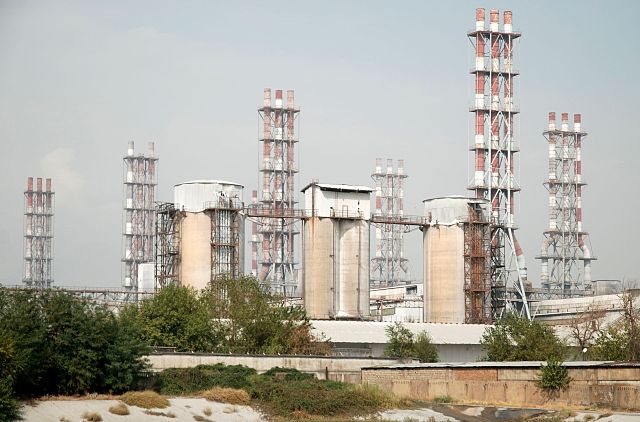
Tajikistan: aluminum production declines due to outdated equipment

DUSHANBE (TCA) — Over the past six years Tajikistan has seen decreasing production of primary aluminum, Avesta news agency reported citing Tajik Deputy Minister of Economic Development and Trade Gulru Jabborzoda.

In her words, in 2017 Tajikistan produced 103 thousand tons of aluminum, 175 thousand tons less than in 2012.

The reasons for the decrease were outdated technology and delayed supplies of fuel from Turkmenistan.

“In 2012, high-quality aluminum of A-7 grade accounted for 70 percent of the total output of the Tajik Aluminum Company (TALCO). At the world’s commodity exchanges, the price of aluminum is determined based on A-7 grade aluminum. For other aluminum grades, prices are $200-$300 lower. Today, the Tajik Aluminum Company does not produce A-7 grade aluminum due to its outdated equipment,” the deputy minister said.

According to the ministry, last year Tajikistan exported 101 thousand tons of primary aluminum for $270 million, 3.2 percent less than in 2016.

In November, Avesta reported that a new aluminum plant will be built on the grounds of the existing aluminum company in Tajikistan.

Igor Sattarov, spokesman of Tajik Aluminum Company state unitary enterprise, then said that in 2018, Tajik Aluminum Company (TALCO) will start a program of phased modernization of its aluminum production with the introduction of the latest technology.

“The modernization program will allow in the near future replacing the outdated equipment with modern energy-saving equipment, which will help to greatly increase our aluminum production,” Sattarov said.

The company plans to use Chinese aluminum production technology, which has proven energy efficient.

During the visit of Tajik President Emomali Rahmon to China last year, Tajik Aluminum Company and China’s Yunnan Construction and Investment Holding Group signed a memorandum of cooperation on joint construction of a new aluminum plant on the grounds of TALCO.

The new plant is to produce 503 thousand tons of aluminum per year and will create 1,100 new jobs.

Construction will start in 2018 and should be completed in 1.5 years.

The project is estimated to cost $1.6 billion.

Aluminum is the largest export item of Tajikistan today.
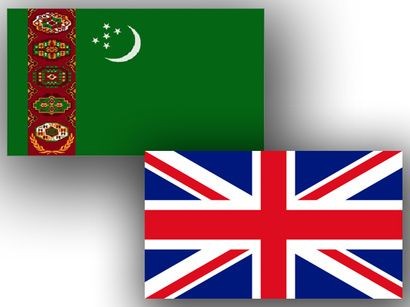
Turkmenistan and Great Britain hold Trade and Industrial Council meeting

ASHGABAT (TCA) — The 6th session of the Turkmen–British Trade and Industrial Council was held in London. A delegation of Turkmenistan took part in the event, organized by the Governments of the two countries and aimed at expansion of bilateral cooperation and establishing business contacts with British companies willing to enter the Turkmen market, the State News Agency of Turkmenistan reported on January 23.

The forum was opened by Co-chairman of the Council, Ambassador Ronald Nash, who spoke about the dynamics of Turkmen-British cooperation, and highlighted the role of the Turkmen leader in the comprehensive intensification of Turkmen-British dialog.

British business circles were represented by top managers of such companies as Shell, BP, Rolls-Royce, De La Rue, Aggreko, as well as London Stock Exchange.

The representatives of Turkmenistan introduced the priorities of the country’s economic policy, its modernization and diversification plans.

It was mentioned that cooperation between Turkmenistan and Great Britain is steadily developing. Fuel and energy sector, trade, economic and banking spheres, transport and communications, agriculture and education were highlighted among the leading spheres of cooperation.

The sides highlighted the presence of big potential for considerable increase in trade between the two states. In this context, important role is given to the Turkmen–British Trade and Industrial Council, which serves as an efficient platform for discussion of ideas and development of efficient partnership mechanisms.

Today, 24 companies with the participation of British capital and 174 investment projects with the participation of British companies to the total amount of 1.5 billion US dollars are registered in Turkmenistan.

Uzbekistan & Tajikistan: catalysts for a regional water solution?

BISHKEK (TCA) — The use and management of water has always been a complicated and very sensitive issue in Central Asia. An important power generation and irrigation resource, water can be both a source of conflict and an area for cooperation between countries of the region. We are republishing this article by William Persing* on the issue, originally published by Eurasianet:

Continue reading