• KGS/USD = 0.01144 0%
  • KZT/USD = 0.00211 0%
  • TJS/USD = 0.10460 0.19%
  • UZS/USD = 0.00008 0%
  • TMT/USD = 0.28490 0%
  • KGS/USD = 0.01144 0%
  • KZT/USD = 0.00211 0%
  • TJS/USD = 0.10460 0.19%
  • UZS/USD = 0.00008 0%
  • TMT/USD = 0.28490 0%
  • KGS/USD = 0.01144 0%
  • KZT/USD = 0.00211 0%
  • TJS/USD = 0.10460 0.19%
  • UZS/USD = 0.00008 0%
  • TMT/USD = 0.28490 0%
  • KGS/USD = 0.01144 0%
  • KZT/USD = 0.00211 0%
  • TJS/USD = 0.10460 0.19%
  • UZS/USD = 0.00008 0%
  • TMT/USD = 0.28490 0%
  • KGS/USD = 0.01144 0%
  • KZT/USD = 0.00211 0%
  • TJS/USD = 0.10460 0.19%
  • UZS/USD = 0.00008 0%
  • TMT/USD = 0.28490 0%
  • KGS/USD = 0.01144 0%
  • KZT/USD = 0.00211 0%
  • TJS/USD = 0.10460 0.19%
  • UZS/USD = 0.00008 0%
  • TMT/USD = 0.28490 0%
  • KGS/USD = 0.01144 0%
  • KZT/USD = 0.00211 0%
  • TJS/USD = 0.10460 0.19%
  • UZS/USD = 0.00008 0%
  • TMT/USD = 0.28490 0%
  • KGS/USD = 0.01144 0%
  • KZT/USD = 0.00211 0%
  • TJS/USD = 0.10460 0.19%
  • UZS/USD = 0.00008 0%
  • TMT/USD = 0.28490 0%

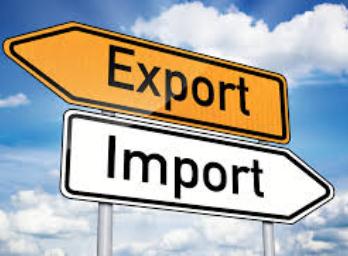
Uzbekistan: abandoning import substitution policy?

TASHKENT (TCA) — From 1 April 2018 Uzbekistan will cancel preferences for enterprises included in the country’s production localization program. The measure is provided by the president’s decree dated 29 December 2017, Novosti Uzbekistana news agency reports.

Uzbekistan has been implementing the policy of production localization of import-substituting products for more than 15 years.

Import substitution has been enjoying extensive state support in the form of tax and customs preferences. Participants of the localization program producing import-substituting products have been exempted for three years from customs duties for imported technological equipment and spare parts for it, as well as from property and profit tax.

According to the Economy Ministry, during 15 years Uzbekistan has implemented over 2.8 thousand production localization projects worth a total of US $5.5 billion. The country has launched production of over 4.8 thousand new types of products that were previously imported.

However, analysts believe that the import-substituting production model has some shortcomings, such as self-isolation from the world’s new economic trends and lagging behind developed countries in terms of technology and competitiveness.

Localized production often becomes noncompetitive and enjoys no demand in foreign markets.

According to official figures, Uzbekistan’s localized production is not as export-oriented as it should be. Only 112 out of 972 Uzbek enterprises included in the production localization program export their products.

Moreover, foreign capital reluctantly invests in Uzbek enterprises producing localized products.

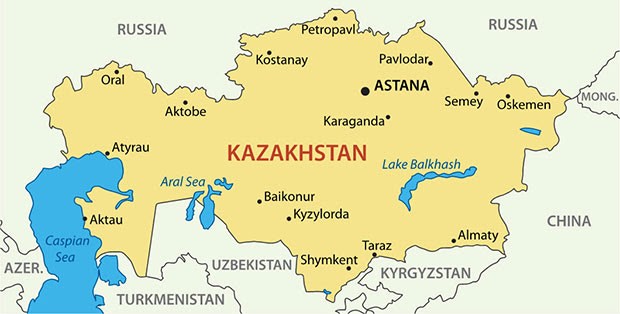
Kazakhstan: new campaign to develop charity, social responsibility of business

ASTANA (TCA) — The National Chamber of Entrepreneurs of Kazakhstan Atameken has launched the nationwide campaign “Atamekenym”, aimed at developing the culture of charity and social responsibility in the country, the Chamber reported on its website.

The National Chamber of Entrepreneurs, which is carrying out the campaign, intends to update the discussion on the role of business, the manifestation of its social responsibility for the development of rural areas, and the provision of targeted charitable assistance.

The National Chamber developed a number of proposals to support entrepreneurial initiatives in this direction.

The first proposal is to register social problems. The register will allow Kazakhstanis who need support and help to leave an application online. Entrepreneurs will be able to respond to requests. The website will have a special button for feedback for those who leave the application, and for the entrepreneurs who want to provide support and assistance.

The second proposal is strengthening business motivation through moral incentives. It is proposed to establish a state award “Paryz” for the promotion of charity, implementation of charity programs and social projects, social entrepreneurship, and introduction of social responsibility principles.

Third, economic incentives for charity. Currently in Kazakhstan, certain tax incentives are used to motivate businesses to socially responsible activities, in accordance with the Tax Code. It is necessary to monitor and evaluate the effectiveness of existing mechanisms for using benefits, as well as how charity affects the development of society. The campaign will become a platform where the business will be able to voice its proposals and recommendations on this issue.

And the fourth is large-scale entrepreneurship training, with simultaneous growth of entrepreneurial consciousness. In 2017-2021, Atameken plans to train 15,000 unemployed and self-employed entrepreneurs, and at least 3,000 of them are expected to open their business.