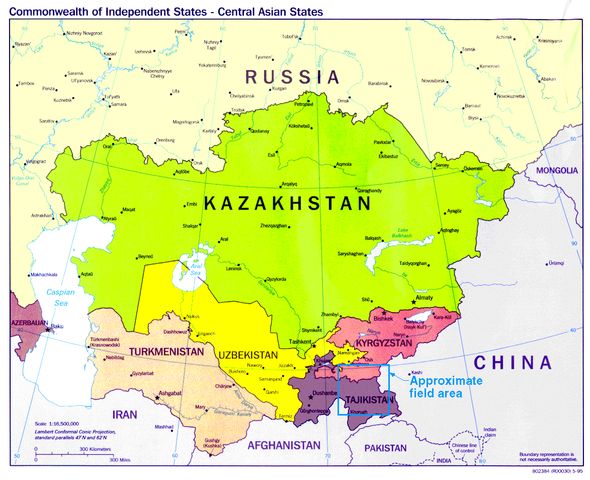
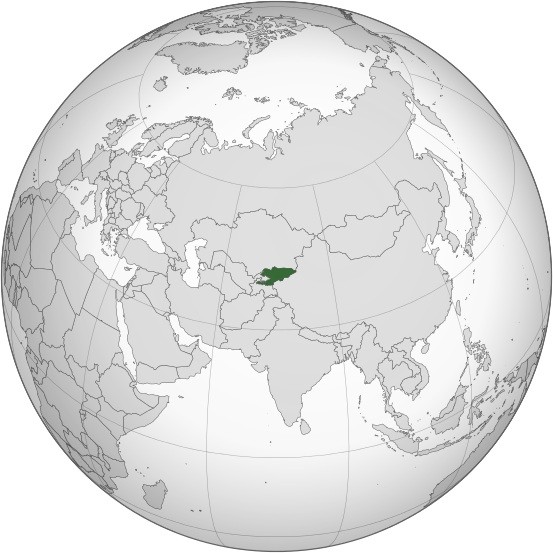
BISHKEK (TCA) — According to UNAIDS, today 8,500 people live with HIV in Kyrgyzstan, but the overwhelming majority of them are fearful to reveal their HIV/AIDS status or go to the doctor.
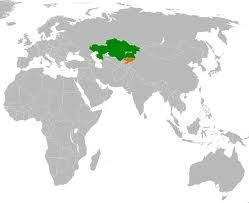
A UNAIDS report mentioned that 20% of HIV positive people in Asia, Africa, and Eastern Europe are scared of going to the doctor because of stigma and discrimination. Experts of UNAIDS came to such conclusion after analyzing the data from 19 countries which also included Kyrgyzstan, Kazakhstan, and Tajikistan.
The report mentioned that every fourth HIV patient has come across discrimination at medical institutions.
Evgeniy Yuldashev, one of the three patients in Kyrgyzstan who have revealed their HIV status, says that HIV patients encounter discrimination at medical establishments and at law-enforcement bodies. “If you need a surgery, you have to go from door to door a lot. It is really difficult to live with our society’s mentality,” he said.
Evgeniy said that before he revealed his status it was incredibly hard to live hiding his status from everyone. “Now that I have told everyone that I am HIV positive, I am happy and it is a challenge for other patients too not to hide it and live in fear. Whether they acquired HIV due to their irresponsibility like I did or due to doctors’ carelessness as it happened in the south of Kyrgyzstan a decade ago where nearly 300 children were infected with HIV, they should not be scared. Those children are teenagers now. I want to tell them that the HIV patients receive antiretroviral therapy, can live a long life and can have healthy children,” said Evgeniy.
He also mentioned that he is happy to have this status since it was a turning point in his life. He doesn’t use drugs anymore. Instead, he visits prisons, consults and supports drug abusers and HIV patients. “I have been there (prison) four times, I know that life and I like what I’m doing now. I found myself due to HIV,” he said.
Stigma in Central Asian society towards HIV positive people remains strong. People, especially in the countryside, do not have enough knowledge or adequate information about HIV/AIDS. Many people think it is a disease of inappropriate behaviour and that one can catch it like a flu or by sharing the same dishes.
Families of children who have been infected in the south of Kyrgyzstan always appear on media wearing masks. They are scared to be discriminated at schools, in their villages.
Currently there are hundreds of NGOs in Central Asian countries which are working on informing population about HIV/AIDS. People like Evgeniy hope that international organisations’ help, such as from UNAIDS and Global Fund, will help to overcome the stigma.
“There are talks that one day the international organizations will stop helping us, leaving patients just to our government. That would be bad. I don’t know what we will do then,” Evgeniy shared his concern.
According to WHO, HIV/AIDS continues to be a major health issue in the world. The 1st of December is the World AIDS Day. Currently there is a program created by the world leaders in the health sphere aiming to eliminate HIV/AIDS by 2030.
According to UNAIDS, in 2016 the number of HIV patients in Kyrgyzstan was 8,500, in Kazakhstan 26,000, and in Tajikistan 14,000. In Uzbekistan, there were 32,872 people with HIV, according to the European AIDS Clinical Society. The only “recent” statistics on HIV/AIDS for Turkmenistan are from 2010 from the Turkmen Initiative for Human Rights, which indicated 68 cases.



 TCA
TCA