• KGS/USD = 0.01144 0%
  • KZT/USD = 0.00210 0%
  • TJS/USD = 0.10438 0%
  • UZS/USD = 0.00008 0%
  • TMT/USD = 0.28490 0%
  • KGS/USD = 0.01144 0%
  • KZT/USD = 0.00210 0%
  • TJS/USD = 0.10438 0%
  • UZS/USD = 0.00008 0%
  • TMT/USD = 0.28490 0%
  • KGS/USD = 0.01144 0%
  • KZT/USD = 0.00210 0%
  • TJS/USD = 0.10438 0%
  • UZS/USD = 0.00008 0%
  • TMT/USD = 0.28490 0%
  • KGS/USD = 0.01144 0%
  • KZT/USD = 0.00210 0%
  • TJS/USD = 0.10438 0%
  • UZS/USD = 0.00008 0%
  • TMT/USD = 0.28490 0%
  • KGS/USD = 0.01144 0%
  • KZT/USD = 0.00210 0%
  • TJS/USD = 0.10438 0%
  • UZS/USD = 0.00008 0%
  • TMT/USD = 0.28490 0%
  • KGS/USD = 0.01144 0%
  • KZT/USD = 0.00210 0%
  • TJS/USD = 0.10438 0%
  • UZS/USD = 0.00008 0%
  • TMT/USD = 0.28490 0%
  • KGS/USD = 0.01144 0%
  • KZT/USD = 0.00210 0%
  • TJS/USD = 0.10438 0%
  • UZS/USD = 0.00008 0%
  • TMT/USD = 0.28490 0%
  • KGS/USD = 0.01144 0%
  • KZT/USD = 0.00210 0%
  • TJS/USD = 0.10438 0%
  • UZS/USD = 0.00008 0%
  • TMT/USD = 0.28490 0%

Uzbekistan a global top improver for third time — Doing Business report

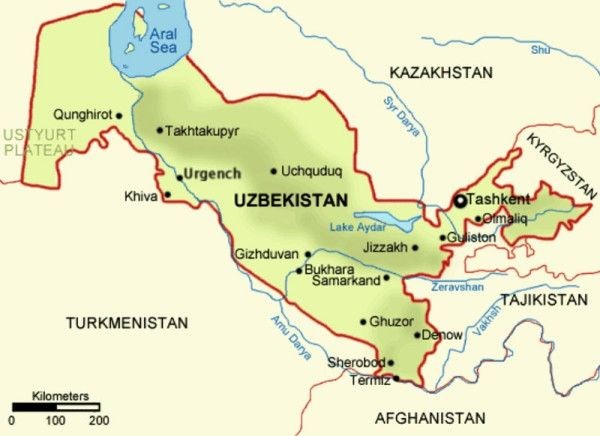
TASHKENT (TCA) — Uzbekistan undertook five business reforms in the past year, earning the country a spot in the top 10 global improvers for a third time, says the World Bank Group’s latest Doing Business 2018: Reforming to Create Jobs report.

Having been named a top improver previously in 2015 and 2012, Uzbekistan has continued its strong reform agenda. With its five business reforms during the past year, the country carried out the most reforms in the Europe and Central Asia region. As a result, it moves up to 74th place in this year’s ease of doing business global rankings.

“Uzbekistan has much to celebrate this year as the Government has taken decisive steps forward in its reform agenda. The World Bank commends the Government’s efforts to improve the overall business and investment climate in the country. As the reform momentum continues, it will be important to focus on areas where entrepreneurs still face difficulties,” said Lilia Burunciuc, the World Bank Regional Director for Central Asia, at the official presentation of the report in Tashkent on November 1.

The improvements of the past year were adopted in the following five areas: Starting a Business, Dealing with Construction Permits, Protecting Minority Investors, Paying Taxes and Getting Electricity. Details of the implemented reforms are:

– Starting a business was made easier by rolling out a new platform for business registration, reducing the number of procedures from four to three.
– The process for obtaining an electricity connection was streamlined by introducing a turnkey service at the utility that fulfills all connection-related services, including the design and completion of the external connection. With this reform, Uzbekistan has significantly reduced the cost for an entrepreneur to connect to the electricity grid from 1232 percent of the income per capita to 883 percent. On the Getting Electricity indicator, Uzbekistan moves up 59 places to a global ranking of 27.
– Uzbekistan strengthened minority investor protections by increasing corporate transparency requirements.
– Paying Taxes was made easier and less costly by introducing an electronic system. As a result, the number of payments have been reduced from 58 to 10 and the time taken to prepare, file and pay the taxes from 202 to 181 hours. However, increases in land tax rates made paying taxes more costly.
– Uzbekistan made dealing with construction permits easier by streamlining the process of obtaining approvals of land plot allocations from various agencies.

Marking its 15th anniversary, the Doing Business report notes that Uzbekistan has implemented 32 business reforms over the past 15 years. More than two-thirds of these reforms have been implemented in the last six years. The majority of these reforms were implemented in the areas of Starting a Business and Paying Taxes (six each), and Getting Credit and Registering Property (four each).

Starting a Business is an area where Uzbekistan performs best, with a global ranking of 11. Over the years, reforms in this area have included abolishing the paid-in minimum capital requirement and eliminating the requirement for substantive review at the registry. The requirements to start a new business have also been significantly reduced from 10 procedures, 28 days and just over 14 percent of income per capita 15 years ago, to three procedures, five days and 3 percent of the income per capita today.

In the area of Paying Taxes, reforms have included the adoption of a new tax code that combines corporate income tax provisions and the elimination of some small taxes, as well as the reduction of the unified social payment rate paid by employers and the corporate income tax rate. As a result, the number of payments required to comply with tax requirements have been significantly reduced from 70 five years ago to 10 now, which surpasses the average of 11 payments in OECD high-income economies.

However, Uzbekistan underperforms in the areas of Trading Across Borders and Dealing with Construction Permits. Despite this year’s reform that made dealing with construction permits easier, it still takes 17 different procedures and 246 days to obtain the building permits for a warehouse, compared to 12.5 procedures and 154.5 days on average in the OECD high-income area.

In Trading Across Borders, the cost of $292 for complying with the documentary requirements when exporting and importing is significantly higher than the average across OECD high-income economies, where it costs $35 to comply with export documentary requirements and $25 for imports.
Japan looks to investment opportunities in Kazakhstan regions

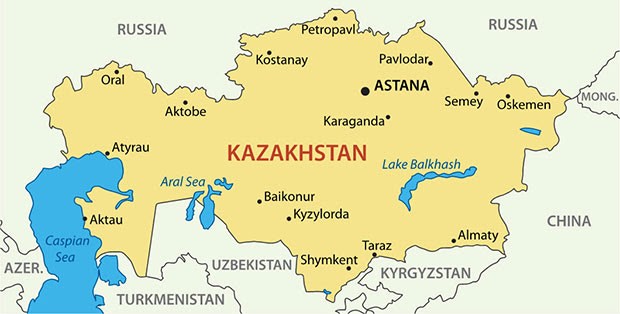
ASTANA (TCA) — A Kazakh-Japanese business forum on the topic “Regions of Kazakhstan: prospects for Japanese investments” was held in Tokyo on October 31 under the auspices of the Ministry of Foreign Affairs and the Embassy of Kazakhstan in Japan, the official website of the Prime Minister of Kazakhstan reported.

The Kazakh delegation was headed by the Vice Minister for Investment and Development Yerlan Khairov. The Forum was attended by representatives of the Government of Kazakhstan, regional administrations, and entrepreneurs of Kazakhstan. From the Japanese side, political and public figures, diplomats, experts, heads of more than 150 large Japanese companies such as Marubeni Corp, METI, NEC, JOGMEC, Tokyo Rope, NYK Group, and JETRO attended the Forum.

The Forum participants discussed achievements in the Kazakh-Japanese business relations, investment opportunities in the regions of Kazakhstan, issues of Kazakhstan’s investment policy and prospects for developing economic relations with Japan.

Yerlan Khairov noted in his speech that Japan is one of Kazakhstan’s key strategic partners in East Asia. “We have an intergovernmental commission for trade and economic cooperation and a business council. Since 2015, there is an agreement on the promotion and mutual protection of investments. Moreover, a visa-free regime has been introduced for Japanese citizens in Kazakhstan. A regulatory and legal framework has been created to open direct flights between the Republic of Kazakhstan and the cities of Tokyo, Osaka. All these measures help activating business contacts and promoting trade, economic and social ties between our countries. Japan is one of the largest investors in Kazakhstan. Over the past 10 years, the inflow of direct investment from Japan was $5.5 billion,” Khairov said.

Deputy Chairman of Kazakh Invest national investment promotion agency, Zhandos Nurlanov, delivering a presentation on “A New Approach to Attracting Foreign Investors”, said: “Japan is one of the most technologically advanced nations in the world. And Kazakhstan is interested in cooperation with Japanese companies, attracting the latest technologies and investments in its economy. I hope that today’s business forum will give a new impetus to the direct investment interaction of Japanese companies with the regions of Kazakhstan.”

From 2005 to early 2016, the gross inflow of direct investment from Japan to Kazakhstan was $5.1 billion. In 2015, trade between the two countries amounted to $1.4 billion.

Russian business to invest in Afghanistan

KABUL (TCA) — A delegation of 20 Russian businessmen visited Afghanistan on October 30 to discuss investment opportunities and said they want to invest in the agricultural, transportation and manufacturing sectors in the country, TOLOnews reported.

Officials from the Russian Chamber of Commerce and Industry said despite the current problems and insecurity in Afghanistan, Russian businessmen are ready to invest in the country.

“This time a large number of Russian businessmen visited Kabul to investigate opportunities to start companies in this country and most of the businessmen are interested in transport, agriculture and manufacturing plants in this country,” said Dmitry Antonov, the chairman of Russia’s chamber of commerce and industry.

In addition, Antonov said Russians have already invested in the field of construction and manufacturing in Afghanistan, but they also want to invest in the areas of electricity production, railways, and road construction.

“Establishing a home trade for Afghanistan and Russia will provide a platform for the development of trade and investment between the two countries and we are trying to increase our efforts in this regard,” said Atiqullah Nasrat, the Chief Executive Officer of Afghanistan Chamber of Commerce and Industry (ACCI).

Currently Russia’s investment in Afghanistan is nominal but the trade volume between Afghanistan and Russia is around $200 million USD a year.

Officials at ACCI said trade between Afghanistan and Russia will increase as trade and transit relations improve between Central Asian countries and Russia.