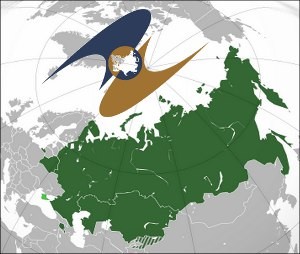
BISHKEK (TCA) — Eurasian Economic Union (EEU) elites, general population, and business community perceive Eurasian integration in a generally positive light, but their attitude towards that phenomenon is becoming increasingly restrained. When contemplating their countries’ involvement in the EEU, politicians, businessmen, and individual citizens are often inclined to expect that integration will quickly produce a positive impact on the wellbeing of their countries, companies, and families. But economic integration is not a panacea for all of the EEU member states’ structural problems. It is a set of tools, and those who are going to use those tools need to master specific competencies, according to a monograph prepared by the Eurasian Development Bank’s Centre for Integration Studies.
Continue reading




 TCA
TCA