• KGS/USD = 0.01144 0%
  • KZT/USD = 0.00211 0%
  • TJS/USD = 0.10460 0.19%
  • UZS/USD = 0.00008 0%
  • TMT/USD = 0.28490 0%
  • KGS/USD = 0.01144 0%
  • KZT/USD = 0.00211 0%
  • TJS/USD = 0.10460 0.19%
  • UZS/USD = 0.00008 0%
  • TMT/USD = 0.28490 0%
  • KGS/USD = 0.01144 0%
  • KZT/USD = 0.00211 0%
  • TJS/USD = 0.10460 0.19%
  • UZS/USD = 0.00008 0%
  • TMT/USD = 0.28490 0%
  • KGS/USD = 0.01144 0%
  • KZT/USD = 0.00211 0%
  • TJS/USD = 0.10460 0.19%
  • UZS/USD = 0.00008 0%
  • TMT/USD = 0.28490 0%
  • KGS/USD = 0.01144 0%
  • KZT/USD = 0.00211 0%
  • TJS/USD = 0.10460 0.19%
  • UZS/USD = 0.00008 0%
  • TMT/USD = 0.28490 0%
  • KGS/USD = 0.01144 0%
  • KZT/USD = 0.00211 0%
  • TJS/USD = 0.10460 0.19%
  • UZS/USD = 0.00008 0%
  • TMT/USD = 0.28490 0%
  • KGS/USD = 0.01144 0%
  • KZT/USD = 0.00211 0%
  • TJS/USD = 0.10460 0.19%
  • UZS/USD = 0.00008 0%
  • TMT/USD = 0.28490 0%
  • KGS/USD = 0.01144 0%
  • KZT/USD = 0.00211 0%
  • TJS/USD = 0.10460 0.19%
  • UZS/USD = 0.00008 0%
  • TMT/USD = 0.28490 0%

Kazakhstan presents privatization plans at Hong Kong Investor Day

ASTANA (TCA) — Kazakhstan’s national wealth fund Samruk-Kazyna said it presented the investment opportunities in Kazakhstan and the investment case of the Fund’s portfolio companies at Kazakhstan Investor Day in Hong Kong on October 16. The event participants included Timur Suleimenov, Minister of National Economy of Kazakhstan; Shakhrat Nuryshev, Ambassador of Kazakhstan to China; and Nurlan Kussainov, CEO of Astana International Financial Centre.

Continue reading

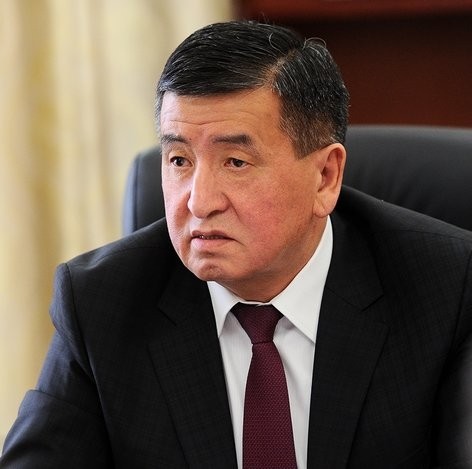
Kyrgyzstan’s thorny road: Sooronbay Zheenbekov inherits burdensome legacy from his predecessor

BISHKEK (TCA) — The newly elected president of Kyrgyzstan is facing many challenges: from restoring good neighborly relations with Kazakhstan to building better relations with EEU partners on an equal footing to, most importantly, completing economic reforms in his country. We are republishing this article by Farkhad Sharip on the issue, originally published by The Jamestown Foundation’s Eurasia Daily Monitor:

Continue reading

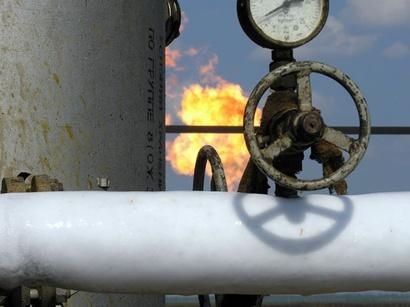
EBRD to fund Trans-Anatolian gas pipeline to supply Caspian gas to Europe

BISHKEK (TCA) — The European Bank for Reconstruction and Development (EBRD) on October 18 said its Board of Directors has approved a US $500 million regional project that will help finance the delivery of crucial energy supplies from the Caspian Sea to Europe along the Southern Gas Corridor (SGC).

Potentially, Turkmenistan may join the project by transporting its natural gas across the Caspian Sea to Azerbaijan.

The EBRD said its financing will fund the completion of the Trans-Anatolian Natural Gas Pipeline (TANAP) that passes through Turkey. TANAP is a key part of the SGC which will strengthen Europe’s energy security, promote interconnectivity and open gas markets. It will also help provide a better energy supply mix for consumers in the Balkans and south-eastern Europe as well as achieve significant CO2 reductions through the substitution of obsolete coal-fired power plants.

The Bank’s engagement in the project will ensure adherence to the highest environmental standards and allow continuing extensive dialogue with all stakeholders of SGC.

The Southern Gas Corridor includes gas infrastructure investments into a 3,500-kilometre pipeline running through six countries with a total cost of US $40 billion.
The key components are the Shah Deniz offshore gas field in Azerbaijan, the Southern Caucasus Pipeline in Azerbaijan and Georgia, TANAP in Turkey and the Trans Adriatic Pipeline (TAP) through Greece, Albania and Italy. The initial annual throughput capacity will be up to 16 billion cubic metres, which is equivalent to the annual energy consumption of more than 10 million households in the region.

Uzbekistan seeks to buy crude oil from Iran

TASHKENT (TCA) — Iran says it is considering a request by Uzbekistan to export crude oil to the Central Asian country, Iran’s PressTV news agency reported on October 18.

Iran’s Petroleum Minister Bijan Zanganeh was quoted by local media in Tehran as saying that high-ranking Uzbek oil officials were already discussing imports from Iran with the National Iranian Oil Company (NIOC).

“Uzbekistan’s oil production is limited. Therefore, it needs to import this strategic product,” Zanganeh was quoted as saying by Iran’s IRNA news agency. “Given that Uzbekistan has no access to sea, exports to the country need to be carried out through land and probably by rail,” he said after meeting the visiting Uzbek Foreign Minister Abdulaziz Kamilov in Tehran.

The Iranian minister further emphasized that Tehran still needed to study the technicalities involved in exports of oil to Uzbekistan, stressing that the Islamic Republic supports the move as it could help strengthen relations between the countries.

During the years of US-led sanctions, Iran’s oil clients were limited to only five nations such as China, India, Japan, South Korea and Turkey. However, the list expanded after the sanctions that had been imposed against the country as a result of disputes over its nuclear energy program were lifted in 2016.

Iran’s current oil export capacity stands at around 2.6 million barrels per day, most of which is shipped to Asia and a quarter to Europe.