• KGS/USD = 0.01144 0%
  • KZT/USD = 0.00204 0%
  • TJS/USD = 0.10722 0%
  • UZS/USD = 0.00008 0%
  • TMT/USD = 0.28490 0%
  • KGS/USD = 0.01144 0%
  • KZT/USD = 0.00204 0%
  • TJS/USD = 0.10722 0%
  • UZS/USD = 0.00008 0%
  • TMT/USD = 0.28490 0%
  • KGS/USD = 0.01144 0%
  • KZT/USD = 0.00204 0%
  • TJS/USD = 0.10722 0%
  • UZS/USD = 0.00008 0%
  • TMT/USD = 0.28490 0%
  • KGS/USD = 0.01144 0%
  • KZT/USD = 0.00204 0%
  • TJS/USD = 0.10722 0%
  • UZS/USD = 0.00008 0%
  • TMT/USD = 0.28490 0%
  • KGS/USD = 0.01144 0%
  • KZT/USD = 0.00204 0%
  • TJS/USD = 0.10722 0%
  • UZS/USD = 0.00008 0%
  • TMT/USD = 0.28490 0%
  • KGS/USD = 0.01144 0%
  • KZT/USD = 0.00204 0%
  • TJS/USD = 0.10722 0%
  • UZS/USD = 0.00008 0%
  • TMT/USD = 0.28490 0%
  • KGS/USD = 0.01144 0%
  • KZT/USD = 0.00204 0%
  • TJS/USD = 0.10722 0%
  • UZS/USD = 0.00008 0%
  • TMT/USD = 0.28490 0%
  • KGS/USD = 0.01144 0%
  • KZT/USD = 0.00204 0%
  • TJS/USD = 0.10722 0%
  • UZS/USD = 0.00008 0%
  • TMT/USD = 0.28490 0%

Viewing results 1 - 6 of 6

Kazakhstan Navigates a Fragmented Global Space Race

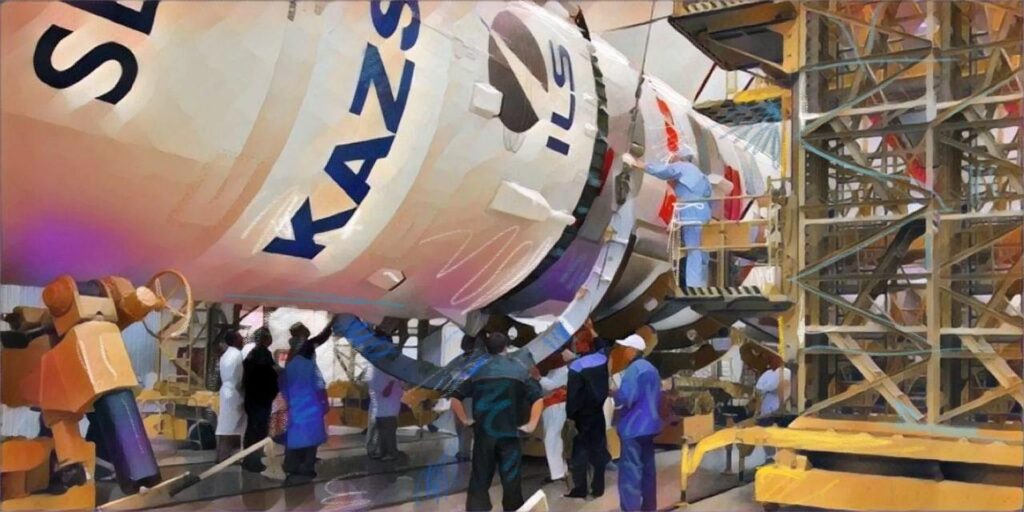
The United States, China, Russia, and Europe are pursuing different models of space strategy, ranging from institutional leadership to technological autonomy. At the same time, the number of middle powers that view space as a tool for economic development and the strengthening of sovereignty is growing. In this context, a multi-level system is emerging in which the architecture of near-Earth space is becoming an element of the global balance of power. For Kazakhstan, these changes are of direct importance. The country possesses a unique infrastructure asset, the Baikonur Cosmodrome, and is gradually developing its own satellite and manufacturing capabilities. However, amid the fragmentation of the global space order, the question of strategic choice is becoming increasingly pressing. Will Kazakhstan remain primarily an infrastructure hub, or will it build a sustainable national model for participation in the evolving space architecture? Models of Space Strategies The United States remains the world’s leading space power in terms of funding and launch frequency. Total government space spending, including allocations for NASA, the U.S. Space Force, and intelligence programmes, reached a record $79.7 billion in 2024 out of approximately $135 billion in global government space spending. A defining feature of the U.S. model is the close integration between government institutions and the private sector. Companies such as SpaceX and Blue Origin have become integral to national strategy, helping to reduce launch costs and accelerate innovation. A central component of the current phase is the Artemis lunar programme. The Artemis II mission is planned to conduct a crewed flyby of the Moon, while Artemis III is intended to return humans to the lunar surface using a landing system being developed by SpaceX. China’s space strategy is built on the concept of long-term technological sovereignty and the phased expansion of its presence in space. Deployment began in 2021, and the three-module Tiangong space station was completed in 2022. Chinese astronauts now conduct scientific experiments and test technologies for long-duration missions in low Earth orbit. In lunar exploration, China is implementing a step-by-step research programme that includes returning soil samples and advancing plans for an international lunar research station. The Tianwen-1 Mars mission, which included the landing of the Zhurong rover, demonstrated the country’s capacity to carry out complex interplanetary operations independently. Amid sanctions pressure and reduced international cooperation, Russia’s space strategy is focused on ensuring independent access to space, maintaining orbital infrastructure, and preserving key capabilities in human spaceflight. Despite ongoing uncertainty over its long-term involvement, Russia continues to participate in the International Space Station programme, conducting regular crewed launches and sending Progress cargo spacecraft. At the same time, work is underway on the planned Russian Orbital Station (ROS), with initial deployment planned for the late 2020s. The project is viewed as an important step in preparing for future missions, including potential lunar initiatives. Europe’s space strategy emphasises strategic autonomy alongside broad international cooperation. In addition to traditional Ariane and Vega launch vehicles, European countries are investing in commercial startups such as Isar Aerospace and Orbex, which...

Kazakhstan Expands Airbus Ties and Strengthens French Aviation Cooperation

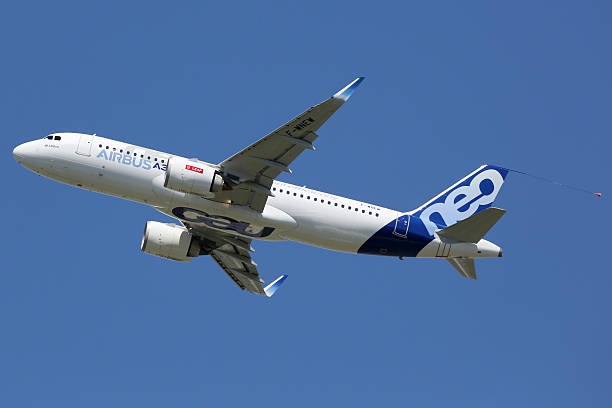
Kazakhstan is strengthening its cooperation with European aerospace firms and preparing to modernize its civil aviation fleet. In Paris, during the Kazakh-French Business Council and the 16th Intergovernmental Commission on Economic Cooperation, a memorandum was signed for the delivery of Airbus A320neo aircraft. The document was signed by Talgat Lastayev, Kazakhstan’s Deputy Minister of Transport. The agreement provides for the delivery of 25 A320neo aircraft, with an option to expand the order by another 25 units. The A320neo is an upgraded version of the widely used narrow-body Airbus A320. The abbreviation “neo” (New Engine Option) refers to its modern engines, which reduce fuel consumption by 15% and operating costs by 8%. The aircraft also offers a 10% reduction in emissions and lower noise levels compared to the classic A320 series. “During the meeting between Talgat Lastayev and Airbus Vice President Charbel Youzkatli, the delivery schedule, currently set for 2031 and the possibility of acceleration were discussed. In addition,. In addition, the Deputy Minister raised the issue of establishing a joint aviation training center and expanding aircraft leasing cooperation,” the Ministry of Transport said in a statement. Additional areas of cooperation with international partners were also discussed. These included airport infrastructure upgrades with TAV Airports and expanded industrial collaboration with Alstom. The delegation also raised the restoration of direct flights between Paris and Astana and the potential launch of a new route between Shymkent and Nice. The Kazakh delegation, led by Lastayev, also met with the leadership of the French National Civil Aviation School (ENAC), including Director-General Olivier Chansou and Deputy Director General Nicolas Cazalis. Talks centered on creating a European-level regional aviation training center in Astana, which is expected to become a key piece of infrastructure for training aviation professionals across Central Asia. “The presence of such a training center in Kazakhstan will reduce the sector’s dependence on foreign training institutions and ensure the development of skilled professionals domestically. Cooperation will focus on the systematic training of local personnel and the exchange of international experience,” the Ministry stated. According to the Ministry of Transport, Kazakhstan’s aviation industry needs 500-600 new specialists each year, including pilots, engineers, air traffic controllers, and ground handling personnel. However, the country’s current training institutions do not meet the European standards set by the European Union Aviation Safety Agency (EASA). ENAC is the only aviation education institution globally that meets the standards of the International Civil Aviation Organization (ICAO), EASA, the International Air Transport Association (IATA), and Airports Council International (ACI). Founded in 1946 in Toulouse, the school now partners with over 117 countries and offers more than 350 educational and professional development programs. As previously reported by The Times of Central Asia, Kazakhstan is actively expanding its international air routes. Following the C5+1 working group conference on civil aviation held in August this year, new international routes were launched and flight frequencies to China and Uzbekistan increased.