Viewing results 1 - 6 of 45
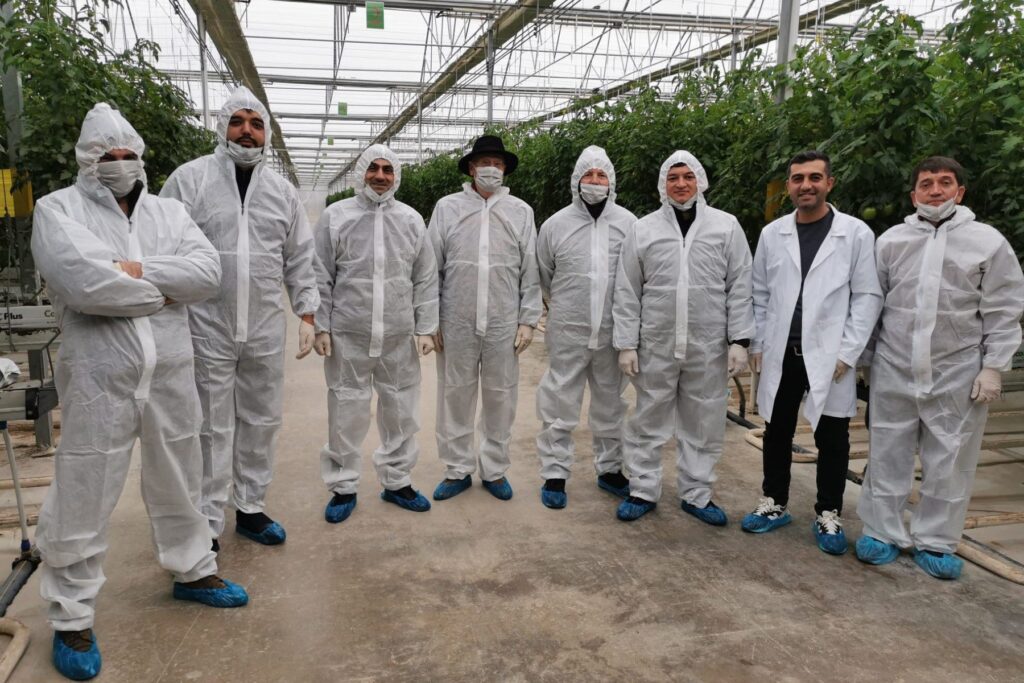
Dutch companies are expanding their presence in Turkmenistan's agricultural sector, exploring new business opportunities to modernize and enhance local farming practices. A delegation led by former Dutch Ambassador to Kyrgyzstan Peter van Leeuwen visited Ashgabat in early December to assess potential collaborations. The delegation included representatives from prominent Dutch firms such as Agrotech Didam, Dalsem, Geerlofs, HZPC, and Kubo. Discussions focused on key areas for joint efforts, including the construction of modern greenhouses, the implementation of drip irrigation systems, and advancements in seed production. Turkmen officials expressed a keen interest in adopting Dutch technologies to boost agricultural yields and efficiency. As part of their visit, the Dutch representatives toured greenhouse complexes near Ashgabat, where crops like tomatoes, strawberries, and bananas are cultivated. They also inspected potato farms and storage systems. The delegation highlighted the significant potential of Turkmenistan’s agriculture and affirmed their willingness to tailor Dutch innovations to suit the country’s specific conditions. This visit followed a Turkmen delegation's trip to the Netherlands in the summer of 2024. During that visit, representatives from Turkmenistan's private sector and the Ministry of Agriculture participated in the international Green Tech Amsterdam exhibition. The event allowed Turkmen officials to explore cutting-edge agricultural technologies and establish connections with global industry leaders. The exchange of delegations underscores growing cooperation between the two nations, with Dutch expertise poised to play a pivotal role in the modernization of Turkmenistan’s agricultural industry.
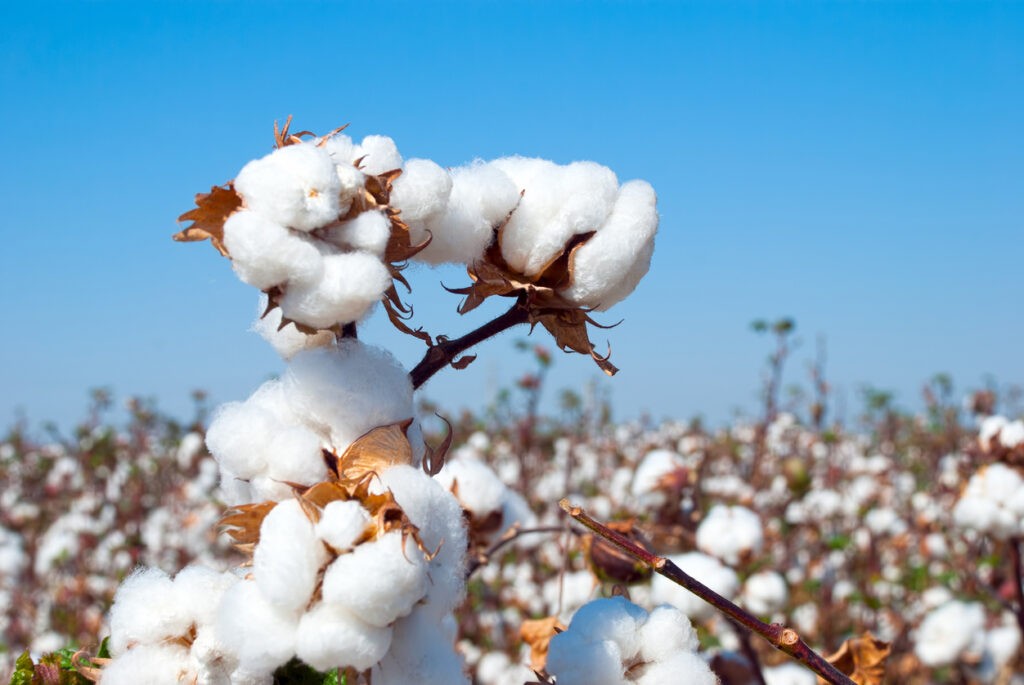
German companies, supported by the Federal Ministry for Economic Cooperation and Development and the German textile sector, are increasingly exploring Uzbekistan as a potential market. A report titled Relevant Human Rights Expertise: Risk Assessment for German Companies in the Textile Industry of Uzbekistan evaluates how these firms comply with supply chain laws and fulfill their human rights obligations. The report underscores ongoing challenges in Uzbekistan’s cotton industry, despite recent reforms. Key issues include risks of forced labor, government interference in cotton production, and poor working conditions. Farmers face coercive contracts, insecure land tenure, and restricted union rights. These problems persist even after Uzbekistan privatized its cotton industry and adopted the ‘cluster’ model, which integrates farming, processing, and manufacturing. Umida Niyazova, founder of the Uzbekistan Human Rights Forum, highlighted widespread violations, including illegal land seizures and forced production quotas. She emphasized the lack of protections for cotton workers. Additionally, the report warns that some Uzbek cotton may be entering German markets indirectly through suppliers in Turkey and other countries. The report stresses that effective human rights due diligence is essential for maintaining brand integrity. However, according to author Ben Vanpeperstraete, German companies are failing to adequately address risks associated with Uzbek cotton. Public communications by firms often lack tailored approaches to identifying and mitigating these risks. Forced labor risks in Uzbekistan’s cotton industry remain significant, the report states, despite ongoing reforms. Corporate disclosures frequently omit recognition of forced labor as a sourcing risk. The report calls on businesses to adopt due diligence practices that address Uzbekistan’s restrictions on unionizing and civil society activities. Companies are urged to map and disclose their supply chains to enhance compliance and traceability. Trade between Germany and Uzbekistan surpassed €1 billion in 2023, with German investments in Uzbekistan reaching €800 million by early 2024.
Kazakhstan is set to launch its first olive oil production plant by 2030, marking a significant step in introducing olive cultivation to the country. The Ministry of Agriculture announced that QVM Technology is spearheading the ambitious project in partnership with local and international collaborators. In 2023, QVM Technology joined forces with Ordabasy Group, Ervira (Kazakhstan), and Georgia's Olive Georgia to undertake experimental olive tree planting in the Zhetysu, Turkestan, and Mangistau regions of Kazakhstan. The initial planting involved 6,080 saplings, boasting a remarkable 99.7% survival rate. The first harvest from these trees is anticipated in five years. In the spring of 2024, additional saplings, sourced from Spain and Turkey, were planted. By the end of 2025, the project aims to expand olive cultivation to 1,000 hectares. The initiative is being carried out under the scientific guidance of Pablo Morello, a professor at the University of Córdoba in Spain. Soil, climate, and meteorological data are being meticulously collected and analyzed to ensure optimal conditions for olive cultivation. The project also draws on expertise from Georgian specialists, reflecting a broader effort to establish an olive oil industry in Kazakhstan. Previously, The Times of Central Asia reported on Georgia’s support in developing Kazakhstan’s olive production capabilities.
The World Bank has launched a project to establish an agro-logistics center in Tajikistan’s Sughd Special Economic Zone. The initiative, which began in 2021, aims to strengthen Tajikistan’s agricultural sector by increasing farm productivity and adding value to agricultural products. The center will serve as a critical element of efforts to enhance agricultural infrastructure and efficiency. The $5 million project, fully funded by the World Bank, is part of a broader six-year program titled “Enhancing the Sustainability of the Agricultural Sector,” running from June 2021 to June 2027. This program, with a total investment of $108 million, supports sustainable agricultural development through integrated activities. Construction of the Sughd Center is set to begin in 2025, with completion and commissioning expected by the end of 2026. The Sughd facility is one of five agro-logistics centers planned across Tajikistan as part of the World Bank’s initiative. These centers aim to reduce product losses and improve efficiency by introducing international standards for post-harvest handling of fruits and vegetables. Services provided will include sorting, packing, storage, and transportation, enabling Tajik producers to access new export markets and strengthen the national economy.
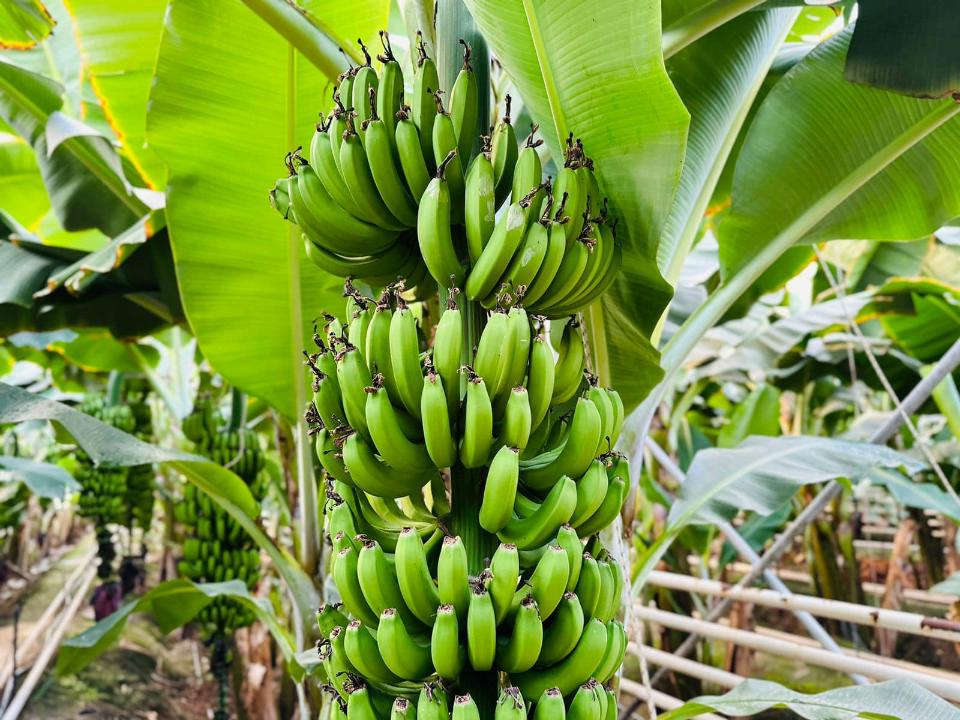
A pioneering greenhouse in Kazakhstan's Turkestan region has begun producing 1,000 tons of bananas annually, marking a significant milestone in the country's agricultural diversification efforts. The project, led by GenGroupKazakhstan, combines innovative technology and tropical crop expertise to make banana cultivation viable in the region. GenGroupKazakhstan, known for its modern greenhouse construction, launched its first banana greenhouse on a five-hectare plot in June 2023. Drawing on techniques used in Turkey, the company harvested its first crop in May 2024. Building on this success, the company plans to expand its operations significantly. A new greenhouse complex spanning six hectares will focus on producing 3,000 tons of tomatoes and 130 tons of strawberries annually. Construction of the facility is expected to be completed by the end of 2025. In addition, GenGroupKazakhstan aims to cultivate mangoes, avocados, and blueberries across 10 hectares of open ground, further diversifying its portfolio of high-value crops. Vice Minister of Agriculture Azat Sultanov noted that growing bananas in Kazakhstan, while potentially profitable, presents unique challenges. Unlike tropical countries like Ecuador or Brazil, where bananas grow naturally with minimal input costs, Kazakhstan’s climate necessitates substantial investments in greenhouses, electricity, heating, fertilizers, and plant protection products. These requirements make banana production here a more resource-intensive endeavor.
The potential of drones to transform agriculture in Kazakhstan was a key topic at a government meeting on November 26. Officials discussed the environmental and economic advantages of adopting agro-drones over traditional spraying equipment. International examples demonstrate that agro-drones can significantly reduce water usage, lower CO2 emissions, and access hard-to-reach areas more effectively. Sanzhar Nurgazinov, representing a company that operates agro-drones, highlighted their efficiency: while wheeled sprayers require 150 liters of water per hectare—amounting to 750,000 liters for 5,000 hectares—a drone uses just 50,000 liters for the same area, reducing water consumption more than 15-fold. Additionally, drones prevent the 6% crop loss caused by the tracks of wheeled sprayers, ensuring higher harvest yields. To advance drone adoption, Kazakhstan’s Ministry of Agriculture has partnered with the Chinese company Eavision to import 80 drones for pest and disease management. Furthermore, a joint venture, Sunkar Eavision International LLP, has been established to assemble drones locally in the Alatau Special Economic Zone near Almaty. The Ministry has been tasked with creating a roadmap by February 2025 for integrating agro-drones into the country’s agricultural practices. This plan includes establishing service centers, training specialists, and developing financial support programs to help farmers acquire this cutting-edge technology. By embracing agro-drones, Kazakhstan aims to modernize its agricultural sector, boosting efficiency and sustainability while addressing the challenges of water conservation and crop protection.