• KZT/USD = 0.00213
  • TJS/USD = 0.10800
  • UZS/USD = 0.00008
  • TMT/USD = 0.29850
  • KZT/USD = 0.00213
  • TJS/USD = 0.10800
  • UZS/USD = 0.00008
  • TMT/USD = 0.29850
  • KZT/USD = 0.00213
  • TJS/USD = 0.10800
  • UZS/USD = 0.00008
  • TMT/USD = 0.29850
  • KZT/USD = 0.00213
  • TJS/USD = 0.10800
  • UZS/USD = 0.00008
  • TMT/USD = 0.29850
  • KZT/USD = 0.00213
  • TJS/USD = 0.10800
  • UZS/USD = 0.00008
  • TMT/USD = 0.29850
  • KZT/USD = 0.00213
  • TJS/USD = 0.10800
  • UZS/USD = 0.00008
  • TMT/USD = 0.29850
  • KZT/USD = 0.00213
  • TJS/USD = 0.10800
  • UZS/USD = 0.00008
  • TMT/USD = 0.29850
  • KZT/USD = 0.00213
  • TJS/USD = 0.10800
  • UZS/USD = 0.00008
  • TMT/USD = 0.29850

Viewing results 1 - 6 of 44

Kazakhstan Explores Agro-Drones to Revolutionize Agriculture

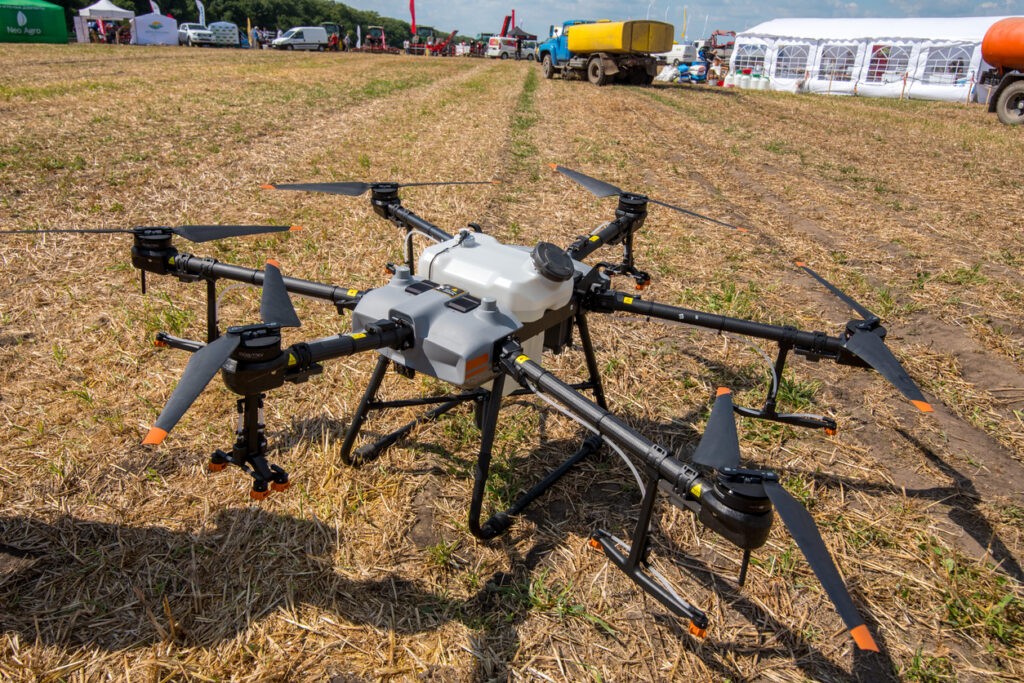
The potential of drones to transform agriculture in Kazakhstan was a key topic at a government meeting on November 26. Officials discussed the environmental and economic advantages of adopting agro-drones over traditional spraying equipment. International examples demonstrate that agro-drones can significantly reduce water usage, lower CO2 emissions, and access hard-to-reach areas more effectively. Sanzhar Nurgazinov, representing a company that operates agro-drones, highlighted their efficiency: while wheeled sprayers require 150 liters of water per hectare—amounting to 750,000 liters for 5,000 hectares—a drone uses just 50,000 liters for the same area, reducing water consumption more than 15-fold. Additionally, drones prevent the 6% crop loss caused by the tracks of wheeled sprayers, ensuring higher harvest yields. To advance drone adoption, Kazakhstan’s Ministry of Agriculture has partnered with the Chinese company Eavision to import 80 drones for pest and disease management. Furthermore, a joint venture, Sunkar Eavision International LLP, has been established to assemble drones locally in the Alatau Special Economic Zone near Almaty. The Ministry has been tasked with creating a roadmap by February 2025 for integrating agro-drones into the country’s agricultural practices. This plan includes establishing service centers, training specialists, and developing financial support programs to help farmers acquire this cutting-edge technology. By embracing agro-drones, Kazakhstan aims to modernize its agricultural sector, boosting efficiency and sustainability while addressing the challenges of water conservation and crop protection.

China Constructs Vital Fertilizer Plant to Boost Agriculture in Kyrgyzstan

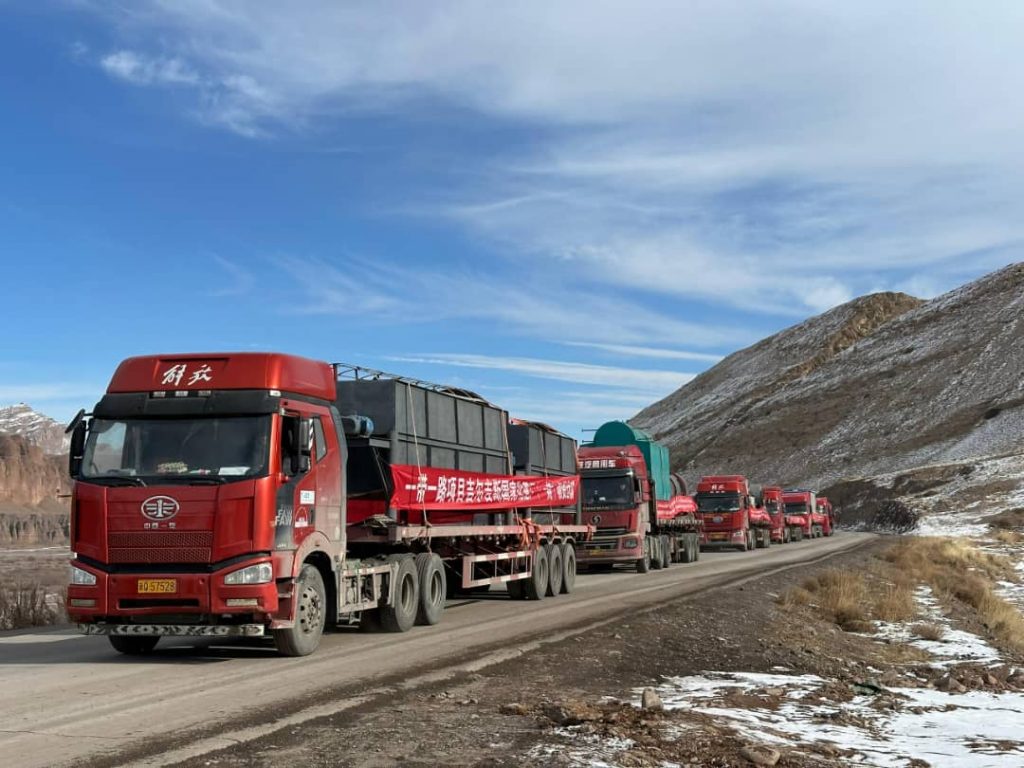
Construction has started on a Kyrgyz-Chinese mineral fertilizer plant in the Nookat district of southern Kyrgyzstan's Osh region. On November 25, equipment worth $15 million arrived from China to advance the project. The $260 million investment agreement for the plant was signed in May 2023 between Kyrgyzstan's Ministry of Agriculture and China’s Hebei Bai Dou Jia LLC during President Sadyr Japarov’s visit to China. The project will be executed in phases, with the first phase set for completion by 2025. This initial phase aims to produce 100,000 tons of fertilizer annually. Future phases include plans for an agricultural machinery assembly plant and expanding production capacity to 500,000 tons per year. Once fully operational, the facility is expected to generate around 2,000 jobs. The plant is a strategic move to reduce Kyrgyzstan’s dependency on imported mineral fertilizers. Currently, the country imports most of its 286,000-ton annual demand from Uzbekistan and Russia. The new facility is poised to meet and exceed domestic needs, boosting agricultural productivity and supporting the country’s economy.

Farmers’ Support Centers Open in Kyrgyzstan

Kyrgyzstan has opened city support centers for farmers to get up-to-date information from agricultural specialists, from how to plant seeds to how to get subsidies. Experts say that Kyrgyz farmers are often unable to use modern technology, which increases production costs. Five centers have been opened across the country. The project's primary goal is to create an information platform for farmers. The most common questions are what products are best to produce in specific areas, what seeds are needed, and how best to market finished products. Farmers are also interested in leasing agricultural equipment and obtaining loans from state banks. Mirkasym Alakhveranov, a long-time farmer and owner of a beet farm in Chui region, told The Times of Central Asia about the problems of Kyrgyz farmers. “We need farmer schools or advisory centers. Not everyone is ready to grow food according to all the rules. Besides, something new is emerging daily: science is moving forward, mechanization is improving, and chemistry is improving. And the country needs specialists who would follow all this and could explain it to the peasant,” Alakhveranov said. He said many non-professionals in Kyrgyz agriculture today need more knowledge. However, they desire to improve farming. In addition, farmers need more technical knowledge: most need to understand modern equipment. “There is a lack of modern agricultural machinery; farmers suffer losses. They cannot pay the loan for leasing, so they go bankrupt. Most companies selling special equipment do not train buyers to work with the equipment. We need to teach young people how to use modern machines, so they learn to use them confidently,” Alakhveranov said. Another problem plaguing Kyrgyzstan's agricultural sector is small-scale farming. Importers from Russia and Kazakhstan, where most agricultural products go, need large volumes of goods. The new support centers could raise awareness of Alakhveranov's beliefs on this issue and persuade farmers to join cooperatives.

Kazakhstan Begins Export of New Harvest Grain

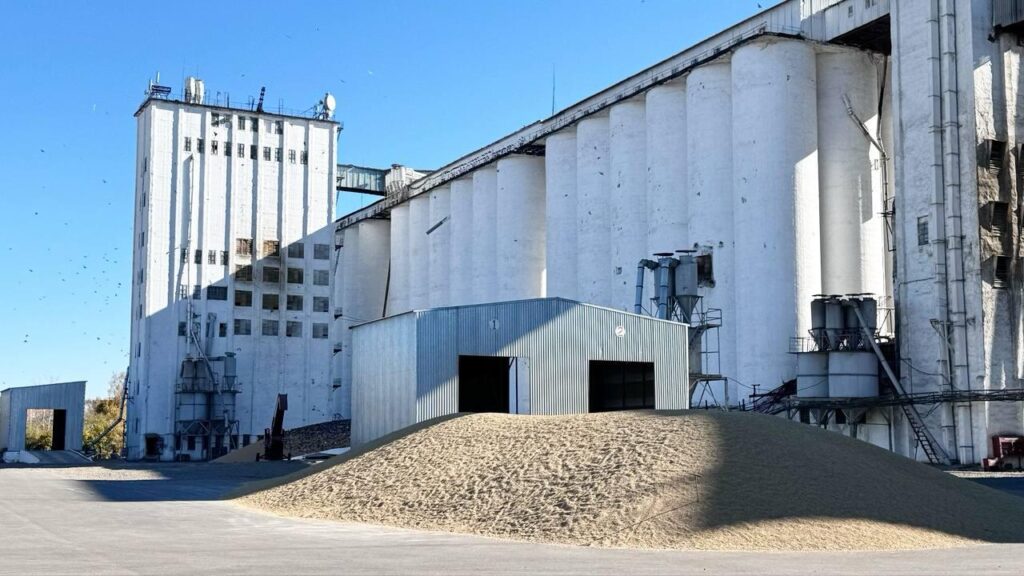
Kazakhstan has begun exporting grain from the new harvest, which totaled 26.6 million tons this year, 56% higher than in 2023. In September-October, Kazakhstan’s national railway company, Kazakhstan Temir Zholy (KTZ), transported 1.8 million tons of grain for export, 48% more than in the same period last year (1.2 million tons). During the two months, grain exports to Uzbekistan amounted to 738,000 tons (49% more than in September-October 2023), and 298,000 tons were shipped to Tajikistan (a 48% increase). Increasing grain exports were also reported to China, Afghanistan, Iran, and Kyrgyzstan. The Kazakh Ministry of Agriculture expects a significant increase in grain exports in the first half of 2025. According to KTZ, Afghanistan is ready to import about 200,000 tons of Kazakh grain, which will be transported via Turkmenistan. According to the Ministry of Agriculture, Kazakhstan plans to export about 12 million tons of the new harvest grain to traditional markets—Central Asia and Afghanistan—and new ones, such as Pakistan, Indonesia, Brazil, and Malaysia. Uzbekistan remains the primary importer of Kazakh grain, followed by Tajikistan, Afghanistan, Turkmenistan, and China.

Kazakhstan Develops Program to Revive Famous Aport Apple Variety

Kazakhstan's Ministry of Agriculture in cooperation with the National Agrarian Scientific and Educational Center have launched a program to revive the legendary Kazakh apple variety - aport. Aport is a capricious variety that requires special cultivation conditions. Quality apples can only be produced in orchards growing 850-1,250 meters above sea level. There are few such areas in the foothills of Almaty and the nearby region. Unlike other apple varieties, which begin to bear fruit in 4-6 years, aport needs 8-9 years to give a first harvest. Nevertheless, aport apples, distinguished by their large size, distinct smell, and succulent nature, are in great demand. The aport revival program, designed for 2024-2028, involves private investors and specialized nurseries. The program will grow the required number of saplings to begin the full-scale commercial cultivation of apple orchards. In the first stage, in 2024, the seeds of the Sievers apple tree were collected, and the development of national standards for growing Kazakhstan's aport began. In 2025, seedlings will be planted on ten hectares to become a mother garden supplying saplings for nurseries. During the next two years, it is planned to grow a sufficient number of saplings to plant an orchard on 100 hectares. Later, aport saplings will be offered to private gardeners for commercial cultivation. In 1970, there were 3.8 million aport trees in Kazakhstan, but by 1984, only 1.4 million remained. In 2012, scientific research began on the revival and rejuvenation of the variety, including establishing an experimental garden of aport grafted onto Sievers apple trees. In 2023, Kazakh scholars harvested the first large fruits weighing 400-500 g. Kazakhstan is the birthplace of apples — particularly the famous aport apples, which grow in the Almaty region. Translated from Kazakh, Almaty roughly means “place of abundance of apples.” One of Almaty's main landmarks, the first sight to greet visitors to Mount Kok-Tobe, which looms over the city, is a granite statue of an apple with water gushing from its core.

Kazakhstan to Increase Grain and Wheat Exports

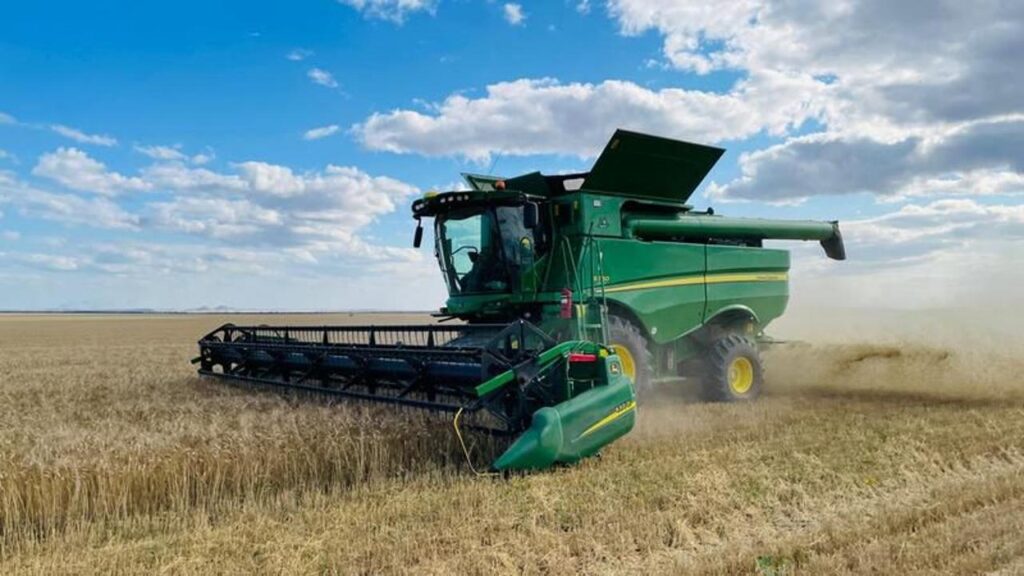
According to Kazakhstan's Ministry of Agriculture, Aidarbek Saparov, 16.7 million hectares of cereals were sown in Kazakhstan this year. Harvesting is 99.7% complete, and 26.5 million tons of grain have been threshed. Kazakhstan plans to export about 12 million tons of the new harvest to traditional markets—the countries of Central Asia and Afghanistan—and new ones, such as Pakistan, Indonesia, Brazil, and Malaysia. At a government meeting on October 23, Deputy Minister of Trade and Integration Kairat Torebayev reported that Kazakhstan's export potential for cereals is estimated at 12 million tons, including 7-7.5 million tons of wheat, 1.4 million tons of barley, and 300,000 tons of corn.Torebayev stated that in 2023, Kazakhstan exported 1.43 million tons of cereals to China, marking a 5.5-fold increase over the previous year. Wheat exports alone surged to 538,800 tons, representing nearly a 15-fold increase compared to 2022. Torebayev said Kazakhstan could increase its wheat exports to China and other Asian countries to 1.6 million tons, adding that its export potential to Turkey and Middle Eastern countries is almost 1 million tons. Preliminary agreements have been reached on the export of 600,000 tons of wheat to Armenia and 1 million tons to Italy. Negotiations on exporting 200,000 tons of grain to North African countries are underway. According to APK-Inform, in the 2022/23 grain season, Kazakhstan exported more than 7.3 million tons of wheat, a record-high volume for the last few seasons. Uzbekistan remained the primary importer of Kazakh grain, followed by Tajikistan, Afghanistan, Turkmenistan, and China. In 2022, Kazakhstan's wheat exports totaled $1.91 billion, making it the 11th largest wheat exporter globally.