
• KGS/USD = 0.01144 0%
  • KZT/USD = 0.00213 0%
  • TJS/USD = 0.10874 0.37%
  • UZS/USD = 0.00008 0%
  • TMT/USD = 0.28571 0%
  • KGS/USD = 0.01144 0%
  • KZT/USD = 0.00213 0%
  • TJS/USD = 0.10874 0.37%
  • UZS/USD = 0.00008 0%
  • TMT/USD = 0.28571 0%
  • KGS/USD = 0.01144 0%
  • KZT/USD = 0.00213 0%
  • TJS/USD = 0.10874 0.37%
  • UZS/USD = 0.00008 0%
  • TMT/USD = 0.28571 0%
  • KGS/USD = 0.01144 0%
  • KZT/USD = 0.00213 0%
  • TJS/USD = 0.10874 0.37%
  • UZS/USD = 0.00008 0%
  • TMT/USD = 0.28571 0%
  • KGS/USD = 0.01144 0%
  • KZT/USD = 0.00213 0%
  • TJS/USD = 0.10874 0.37%
  • UZS/USD = 0.00008 0%
  • TMT/USD = 0.28571 0%
  • KGS/USD = 0.01144 0%
  • KZT/USD = 0.00213 0%
  • TJS/USD = 0.10874 0.37%
  • UZS/USD = 0.00008 0%
  • TMT/USD = 0.28571 0%
  • KGS/USD = 0.01144 0%
  • KZT/USD = 0.00213 0%
  • TJS/USD = 0.10874 0.37%
  • UZS/USD = 0.00008 0%
  • TMT/USD = 0.28571 0%
  • KGS/USD = 0.01144 0%
  • KZT/USD = 0.00213 0%
  • TJS/USD = 0.10874 0.37%
  • UZS/USD = 0.00008 0%
  • TMT/USD = 0.28571 0%

Viewing results 1 - 6 of 3

Kazakhstan AI Farming Pitch Faces Wheat Crop Scrutiny

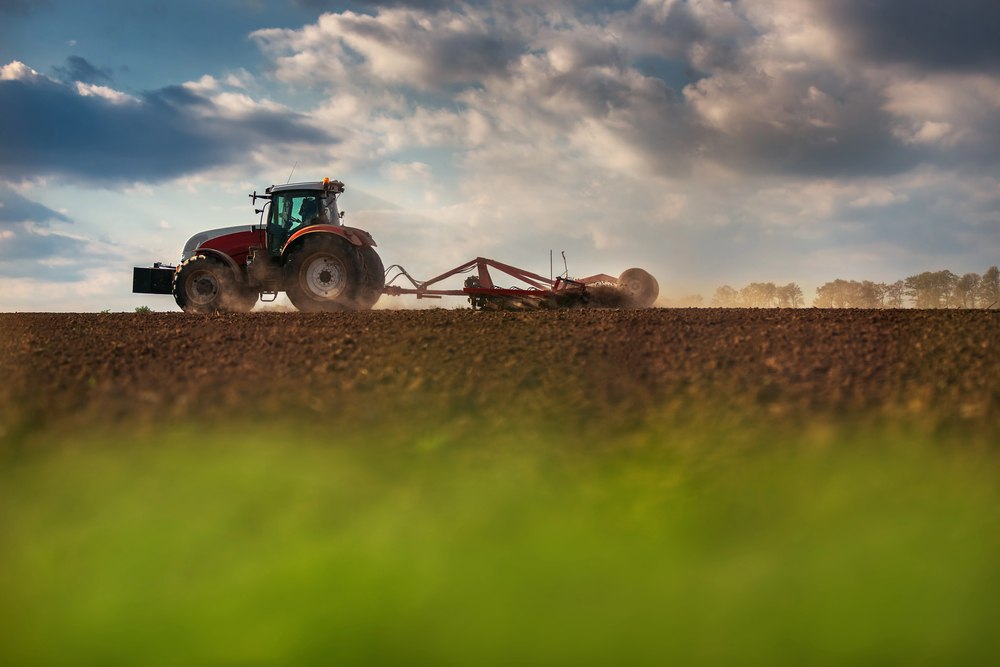
After two consecutive strong harvests, Kazakhstan is trying to lure more investors into its agricultural sector, which it is presenting as a testing ground for digital and AI-supported farming. President Kassym-Jomart Tokayev made the case at the 38th plenary session of the Foreign Investors’ Council in Astana on July 2, where agriculture formed part of a wider pitch for Kazakhstan as an investment-friendly, technology-driven economy. The message was straightforward: Kazakhstan wants its recent harvests to be seen not only as the result of favorable weather or state support, but as evidence that the country is moving toward precision agriculture. That claim is more complicated than the presidential framing suggests. Kazakhstan has reported record or near-record grain output for two years in a row, but U.S. analysts have questioned the scale of the latest wheat crop, while Kazakhstan’s own data point to other explanations, including expanded financing, crop diversification, and a reduction in wheat acreage. According to the Ministry of Agriculture, Kazakhstan harvested 26.7 million tons of grain and legumes in 2024, the highest figure in 13 years. The ministry also said concessional lending to the sector rose to 580 billion tenge at 5% annually, compared with no more than 160 billion tenge in previous years. In 2025, the ministry initially reported 27.1 million tons of grain in initial weight, including 20.3 million tons of wheat. Later figures cited by Deputy Minister of Agriculture Yerbol Taszhurekov put the harvest at 25.9 million tons in net weight, including 19.3 million tons of wheat. Those distinctions sit behind Tokayev’s simpler public figure of two consecutive harvests averaging around 27 million tons. There is also a wider caveat. World-Grain reported, citing the Foreign Agricultural Service of the U.S. Department of Agriculture, that U.S. analysts expected Kazakhstan’s 2025-26 wheat production to reach 18 million tons. That was below the 19.3 million-ton figure published by Kazakhstan’s Bureau of National Statistics, which the FAS believed was overstated based on field yields. The FAS pointed to a more conventional explanation for the shift in output: farmers had cut wheat plantings and moved into more profitable oilseed crops, particularly sunflowers and rapeseed. Favorable weather during much of the growing and harvesting season helped offset the smaller wheat area. Kazakhstan’s own figures show the same shift. Wheat acreage fell by nearly 900,000 hectares in 2025, while oilseed acreage expanded by more than 1 million hectares and legume acreage by 275,000 hectares. The country also recorded more than 1 million tons of legumes and a record oilseed harvest of 4.8 million tons. Tokayev, however, placed the emphasis on technology. He said artificial intelligence and automation were becoming the basis of a new agricultural revolution, helping producers raise yields, use water more efficiently, and reduce environmental damage. The president said the government is now working on the full digitalization of agricultural land. State support and subsidy programs are also being moved online, a step officials say will simplify applications and reduce paperwork. In livestock farming, Tokayev said integrated digital platforms had been...
Chinese Firm Eyes Virus-Free Potato Production in Kazakhstan

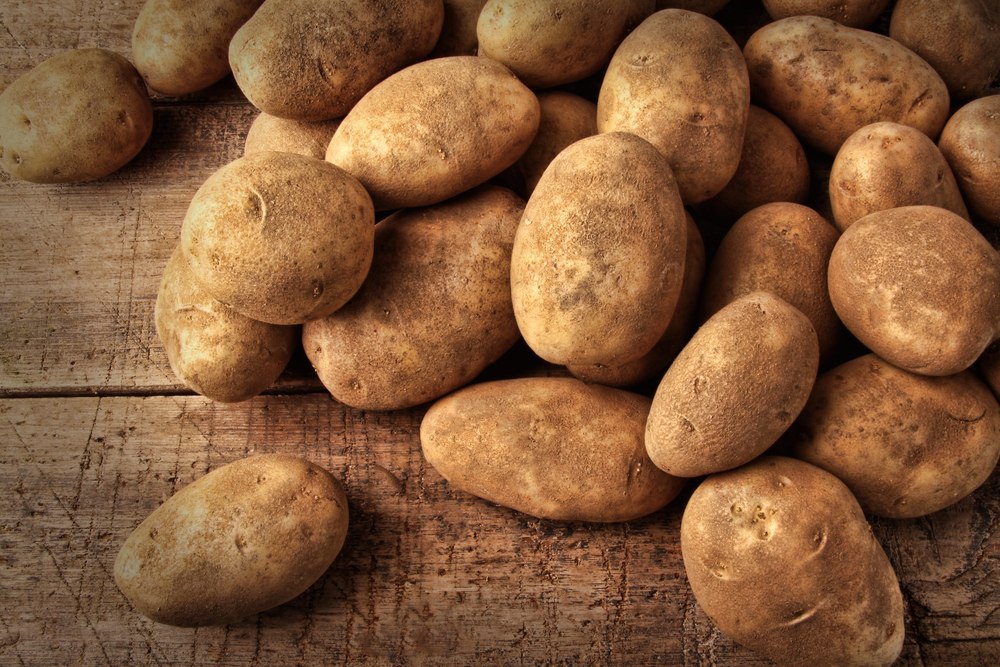
Kazakhstan is in discussions with China’s Inner Mongolia Muland Agricultural Technology Co., Ltd over the establishment of a high-tech facility to produce virus-free seed potatoes, according to the Ministry of Agriculture. The proposal was reviewed during a meeting between Agriculture Minister Aidarbek Saparov and the company’s CEO, Wei Jinglong. Virus-free seed potatoes are cultivated using in vitro techniques that eliminate pathogens and diseases, improving varietal purity and significantly boosting yields. Specialists estimate that such methods can increase output by 30-50% compared with conventional seed tubers. Saparov said potato farming remains a strategically important sector of Kazakhstan’s agricultural industry. In 2025, potatoes were planted on 131,000 hectares, with total production reaching 2.8 million tons. “Developing a technologically advanced domestic seed production system is a key priority for the sector. It is about building a sustainable foundation for food security,” Saparov said. He added that expanding biotechnology and scaling up the production of virus-free planting material would help reduce dependence on imports and enhance the competitiveness of Kazakhstan’s domestic breeding programs. At present, 22 specialized farms in Kazakhstan produce original and elite seed potatoes. Biotechnological laboratories, including the Kazakh Research Institute of Fruit and Vegetable Growing, play a crucial role. The Chinese company has expressed interest in building a laboratory and greenhouse complex using advanced technologies to produce micro- and mini-tubers, drawing on its experience implementing similar projects. “The project envisions launching industrial-scale production of high-quality seed material and developing export potential targeting Central Asian markets,” the ministry said. Company representatives indicated they plan to begin implementation in the near term, with the first batch of seed material expected within a year. The Times of Central Asia previously reported that another Chinese firm, Snow Valley Agricultural Group Co. Ltd, is planning to build a deep-processing potato facility in Kazakhstan’s Pavlodar region.

Kyrgyzstan Temporarily Bans Import of Fruit and Berry Seedlings from Non-EAEU Countries

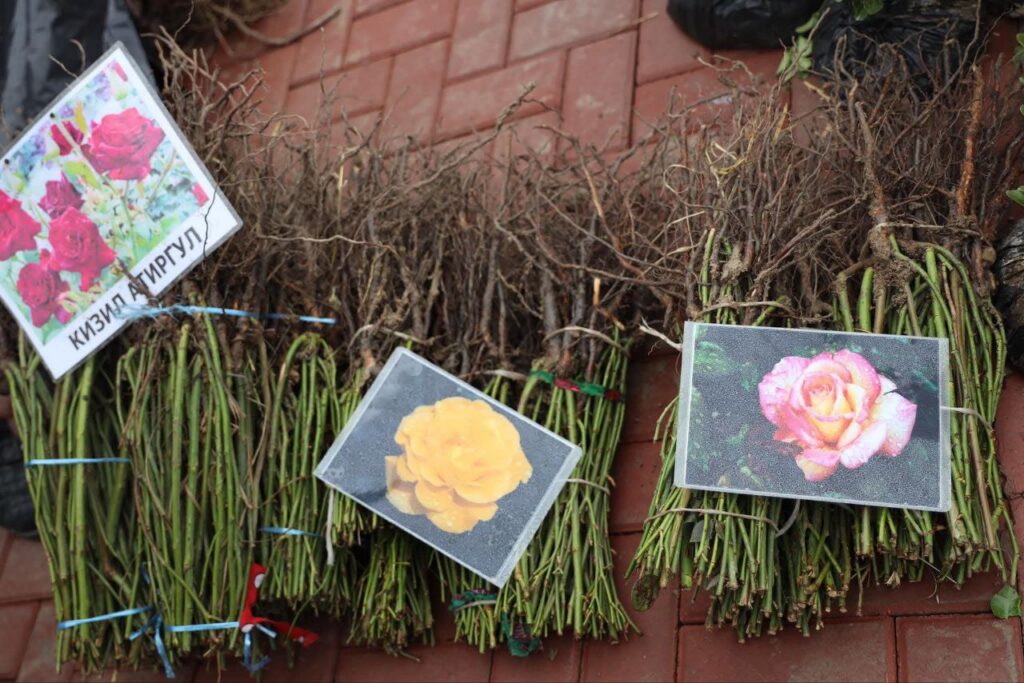
From March 1, Kyrgyzstan will introduce a temporary ban on the import of fruit and berry seedlings from countries outside the Eurasian Economic Union (EAEU). The restriction will remain in effect for six months and will not apply to re-export or transit operations, according to a resolution adopted by the Cabinet of Ministers. The government states that the measure is intended to ensure food security, improve the efficiency of agricultural production, and strengthen quality control over imported planting materials. The Ministry of Agriculture of Kyrgyzstan notes that the range of fruit and berry crops cultivated in the country has expanded significantly in recent years, necessitating clearer market regulation and the development of modern varieties that meet export standards as well as domestic demand. Officials expect the temporary ban to reduce import dependence and stimulate the development of domestic nurseries. According to government estimates, the measure will improve farmers’ access to high-quality locally produced seedlings and support the long-term development of the sector. Ahead of the announcement, Prime Minister Adylbek Kasymaliev stated that funding for the agricultural sector in 2026 will increase to $468.6 million, representing a $114 million rise compared to the previous year. Priority areas include product processing, value-added production, and food security. The authorities emphasize that temporary restrictions on the import and export of agricultural products are viewed as policy instruments to advance these strategic objectives.
