Agrobank Venture Fund Launches With $6.1 Million to Support Startups in Uzbekistan
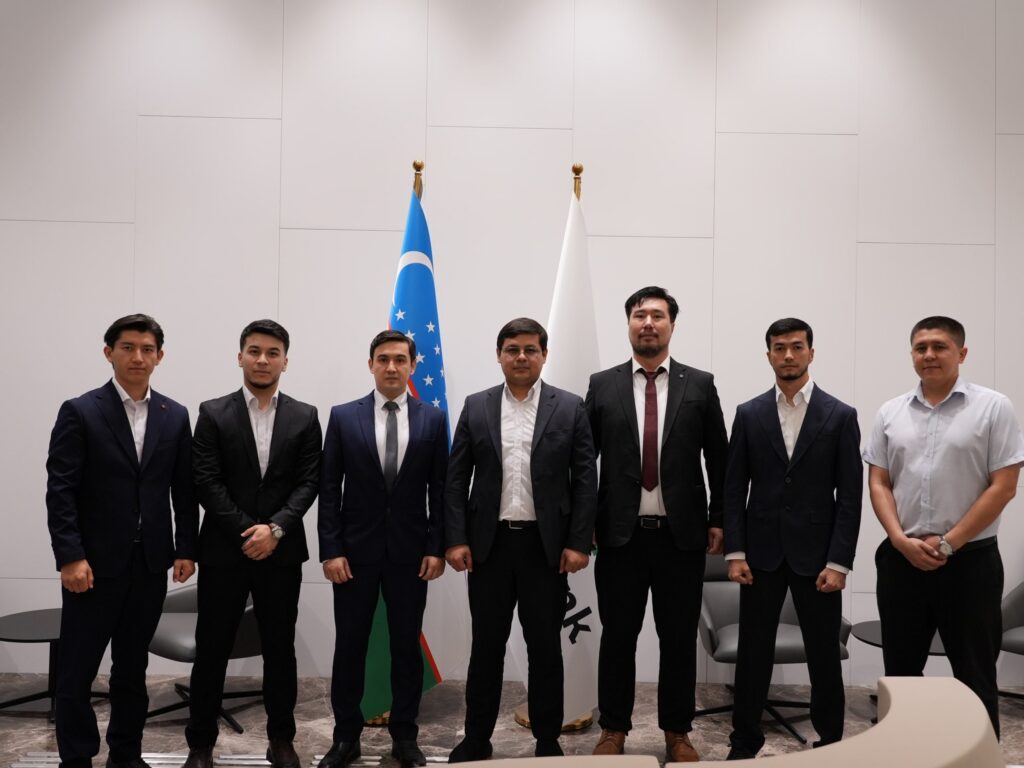
Uzbekistan’s Agrobank has launched a $6.1 million venture fund that plans to invest in up to 75 startups, with agricultural technology and artificial intelligence among its main targets. AgroVentures was presented on September 23 during ICT Week Uzbekistan 2026, held from September 22–25 at CAEx in Tashkent. The fund plans to invest between $25,000 and $500,000 in 60–75 companies. Its main focus will be agricultural technology and artificial intelligence, although it will also consider startups in areas including fintech, healthcare, education, and logistics. AgroVentures is aiming to more than double the value of its investments and eventually exit between eight and 12 companies, with those exits projected to be worth a combined $15–18 million. Zohidjon Yusupov, a venture capital specialist at Agrobank, told The Times of Central Asia that the fund would look at the strength of a startup’s team, the problem it was trying to solve, the size of its potential market, and whether its business model could be expanded. Agriculture will be a particular focus, with AgroVentures looking at technologies that could help farmers monitor crops to predict yields and use water more efficiently, as well as gain better access to markets and financing. “For example, AI-based monitoring can help farmers identify crop stress or diseases earlier, while smart irrigation technologies can help reduce water consumption,” Yusupov said. The fund’s first initiative is the Agrobank Corporate Accelerator, developed with Tashkent-based AI Station under a partnership signed on September 15. The 12-week program will select up to 20 startups to test their products with Agrobank and its business clients, with successful participants potentially securing investment or commercial partnerships. Applications are open until October 23 through the accelerator’s website.