• KGS/USD = 0.01144 0%
  • KZT/USD = 0.00206 0%
  • TJS/USD = 0.10415 -0.19%
  • UZS/USD = 0.00008 0%
  • TMT/USD = 0.28571 0%
  • KGS/USD = 0.01144 0%
  • KZT/USD = 0.00206 0%
  • TJS/USD = 0.10415 -0.19%
  • UZS/USD = 0.00008 0%
  • TMT/USD = 0.28571 0%
  • KGS/USD = 0.01144 0%
  • KZT/USD = 0.00206 0%
  • TJS/USD = 0.10415 -0.19%
  • UZS/USD = 0.00008 0%
  • TMT/USD = 0.28571 0%
  • KGS/USD = 0.01144 0%
  • KZT/USD = 0.00206 0%
  • TJS/USD = 0.10415 -0.19%
  • UZS/USD = 0.00008 0%
  • TMT/USD = 0.28571 0%
  • KGS/USD = 0.01144 0%
  • KZT/USD = 0.00206 0%
  • TJS/USD = 0.10415 -0.19%
  • UZS/USD = 0.00008 0%
  • TMT/USD = 0.28571 0%
  • KGS/USD = 0.01144 0%
  • KZT/USD = 0.00206 0%
  • TJS/USD = 0.10415 -0.19%
  • UZS/USD = 0.00008 0%
  • TMT/USD = 0.28571 0%
  • KGS/USD = 0.01144 0%
  • KZT/USD = 0.00206 0%
  • TJS/USD = 0.10415 -0.19%
  • UZS/USD = 0.00008 0%
  • TMT/USD = 0.28571 0%
  • KGS/USD = 0.01144 0%
  • KZT/USD = 0.00206 0%
  • TJS/USD = 0.10415 -0.19%
  • UZS/USD = 0.00008 0%
  • TMT/USD = 0.28571 0%

Viewing results 1 - 6 of 18

Insider’s View: Uzbekistan–U.S. – A New Era of Environmentally Friendly and Energy-Efficient Investment

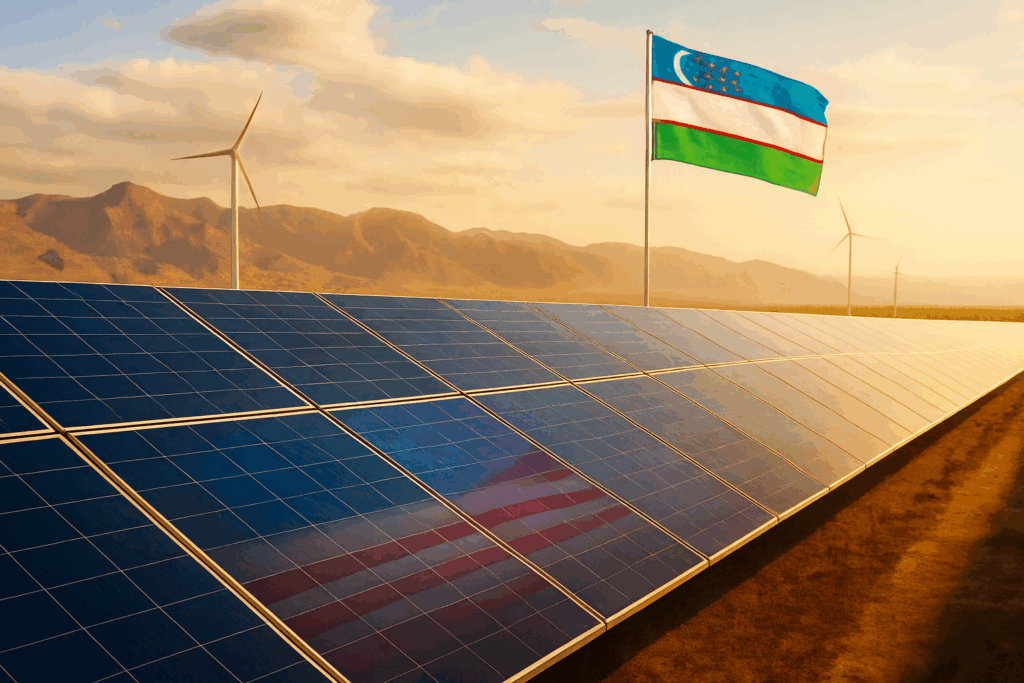
Today, environmentally friendly and energy-efficient projects are no longer just a fashionable trend but a factor of global competitiveness. Uzbekistan, once regarded as a country with a resource-based energy system and limited opportunities for the adoption of modern technologies, is now becoming a hub for “green” investment and innovation. A strategic partnership with the United States plays a special role in this process, encompassing key areas ranging from energy and ecology to finance, education, and culture. Clean and innovative projects are becoming the hallmark of Uzbek-American relations, shaping a new model of cooperation in the 21st century. Green Energy and Strategic Partnership Uzbekistan is moving confidently toward a “green” future. While in 2018 renewable energy sources accounted for less than one percent of electricity generation, from January to July 2025, renewables already provided 20.3% of the country’s total electricity. More than 11 billion kWh of “green” energy were produced, including 6.4 billion kWh from solar power plants and 3.6 billion kWh from wind farms. This volume saved 3.6 billion cubic meters of natural gas and prevented over 2.2 million tons of harmful emissions. Every day, renewables now generate about 26.7 million kWh – enough to cover the needs of 7.28 million households for half a year, or 3.64 million homes for an entire year. Currently, 10 solar and 4 wind plants with a combined capacity of more than 4.5 GW operate across 10 regions of the country. A key focus of Uzbek-American cooperation has become “green” energy. In 2025, Allied Green Ammonia (AGA), together with the U.S. company Plug Power, announced a major project for the production of sustainable aviation fuel, green diesel, and urea. The plan includes the supply of electrolyzers with a capacity of up to 2 GW for the future complex. A final investment decision is expected by the end of 2025, and the project has already been recognized as one of the flagship initiatives for Central Asia. Air Products – A Flagship of American Presence Air Products, a global leader in industrial gases and hydrogen energy, occupies a special place in Uzbek-American cooperation. In the Kashkadarya region, the company participates in a large-scale gas-to-liquids (GTL) project worth around $1 billion. The complex is designed to produce about 1.5 million tons of synthetic fuels per year, including diesel, jet kerosene, and naphtha. Its structure includes air separation units, autothermal reformers, and hydrogen production facilities. This project has become a landmark example of how U.S. technologies are transforming Uzbekistan’s energy sector. In addition to GTL, Air Products is actively developing industrial gas production in Uzbekistan. The company participates in oxygen, nitrogen, and hydrogen production projects, introduces the latest PSA units, as well as freezing and storage technologies that reduce food losses and enhance economic resilience. Furthermore, the company has implemented a “green financing” system that links investments to sustainability principles. These projects not only strengthen the country’s industrial potential but also pave the way for positioning Uzbekistan as a regional hub for “green” energy. The company’s future plans...

Kyrgyzstan Launches New Agro-Industrial Zone with $24 Million Investment

Kyrgyzstan has begun construction of a new agro-industrial zone in the Chui region as part of a broader effort to modernize agriculture, boost food production, and attract foreign investment. The facility is being developed by Kyrgyz Agroholding JSC in the village of Nurmanbet, just east of the capital Bishkek. Speaking at the capsule-laying ceremony on July 12, Deputy Prime Minister and Minister of Agriculture Bakyt Torobaev described the initiative as a critical step toward enhancing the country’s agricultural resilience and food sovereignty. “This is a large-scale initiative that will strengthen our agricultural sector, create jobs, and help ensure food security,” Torobaev said. The event also marked the signing of two major investment agreements totaling $24 million: A $12 million deal with South Korea’s DOD Company to support joint projects in meat livestock farming, logistics, and modern agricultural technologies. A separate $12 million agreement with Asyl Teri LLC to construct a tannery capable of processing up to 24 tons of animal hides per day. The Chui agro-industrial zone is expected to significantly increase the value of Kyrgyz agricultural products while drawing additional investment into a sector that already contributes nearly 18% of the nation’s GDP and employs almost half of its workforce. Government officials emphasize that the new zone will offer improved infrastructure, greater market access, and cutting-edge technologies to farmers and agribusinesses, enhancing Kyrgyzstan’s competitiveness in regional food production.

Uzbekistan and Mongolia Sign Joint Declaration to Deepen Bilateral Ties

President of Uzbekistan Shavkat Mirziyoyev arrived in Mongolia on June 24 for a historic state visit at the invitation of President Ukhnaagiin Khurelsukh. This marks the first official visit by a Uzbek head of state to Mongolia, signaling a significant step forward in bilateral relations. The official welcoming ceremony took place at Sukhbaatar Square in central Ulaanbaatar, where the two leaders reviewed an honor guard and greeted members of their respective delegations as national anthems were performed. In formal talks, both presidents reaffirmed their countries’ commitment to deepening cooperation. President Mirziyoyev expressed gratitude for Mongolia’s warm reception, and extended congratulations in advance of the country’s upcoming People’s Revolution Day celebrations. Expanding Economic Cooperation Discussions focused on strengthening economic ties, including cooperation in healthcare, education, e-commerce, agriculture, and construction materials. A recent Uzbek-Mongolian business forum held in Ulaanbaatar highlighted growing commercial engagement, while the opening of a Trade House for Uzbek goods in the Mongolian capital further cemented trade ties. The two presidents emphasized the importance of expanding trade in high value-added products, and expressed readiness to finalize agreements on preferential trade and investment protection. Areas such as mining, technology transfer, and vocational training were also on the agenda. To support these initiatives, Uzbekistan’s Ministry of Geology has opened a representative office in Ulaanbaatar. Agro-Industrial Development and Connectivity Agro-industrial collaboration will be advanced through the creation of joint clusters in meat, dairy, wool, and leather processing. Both sides are also exploring the possibility of launching direct flights between Tashkent and Ulaanbaatar by the end of 2025 to facilitate business and tourism. Humanitarian and Educational Exchange Humanitarian cooperation featured prominently in the dialogue. The leaders agreed to resume educational exchange programs, enabling Mongolian students to study at universities in Uzbekistan, thereby strengthening cultural and academic ties. Formalizing a Comprehensive Partnership The visit concluded with the signing of a joint declaration establishing a comprehensive partnership, outlining key areas for long-term cooperation and reaffirming mutual commitment to deeper ties. President Mirziyoyev also invited President Khurelsukh for a reciprocal visit to Uzbekistan.

$85 Million Breeding Farm Project to Boost Kazakhstan’s Poultry Industry

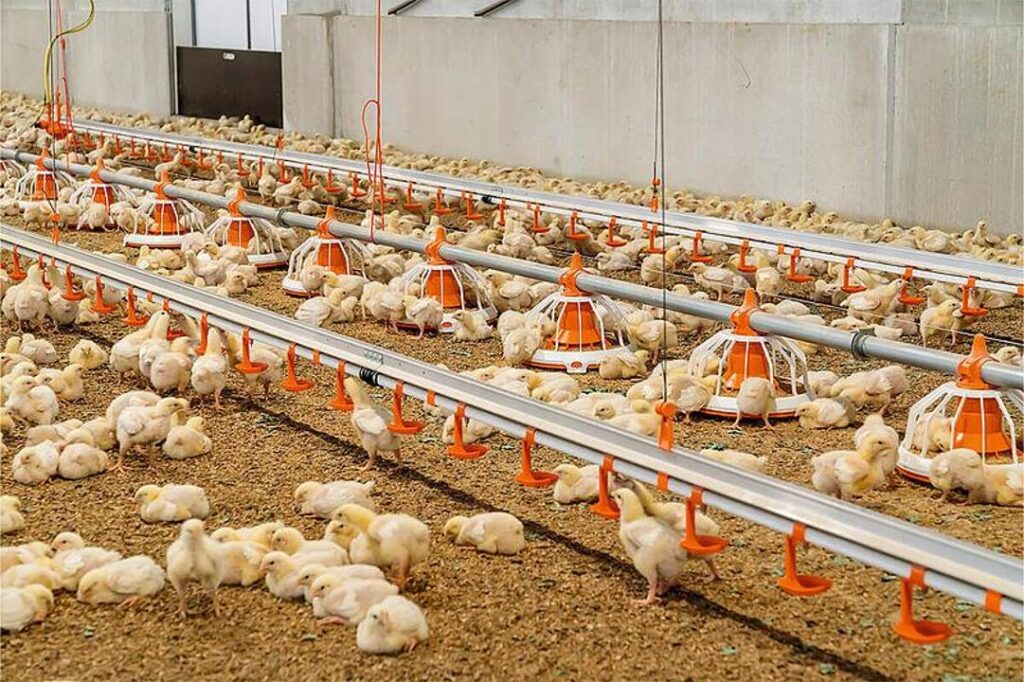
Jordan’s Alhusaini Group has announced plans to invest $85 million in the construction of a state-of-the-art breeding poultry farm in Kazakhstan. With a projected production capacity of up to 100 million hatching eggs per year, the facility will significantly enhance the country’s poultry sector. Construction is scheduled to begin in 2025 and will be completed in stages through 2029. The project was discussed during an April 16 meeting between Kazakhstan’s Minister of Agriculture, Aidarbek Saparov, and representatives of Alhusaini Group, according to a government statement. A Strategic Boost for Agro-Industry The new facility is expected to play a key role in strengthening Kazakhstan’s food security and export potential. Approximately 70% of the farm’s production will be allocated for the domestic market, with the remaining 30% designated for export. Minister Saparov highlighted the strategic importance of the project for Kazakhstan’s agro-industrial development and reaffirmed the government’s commitment to supporting its successful implementation. Alhusaini Group, known for its ownership of Al Jazeera Agricultural Company and Al Sidra — both major players in poultry production — will partner with Kazakhstan’s Aitas KZ holding company to bring the project to fruition. Kazakhstan's Poultry Powerhouse Aitas KZ is one of Kazakhstan’s leading poultry producers, supplying around 43% of the domestic market. Its assets include Makinskaya Poultry Farm, the largest in Central Asia, and the Ust-Kamenogorsk Poultry Farm, the oldest in the country, with a combined capacity of 150,000 tons per year. Aitas KZ also operates the Almaty-based Nauryz Agro Breeding Poultry Farm, the largest in the Commonwealth of Independent States (CIS), which produces up to 80 million hatching eggs annually for broiler chickens. This new investment is poised to elevate Kazakhstan’s standing in the regional poultry market and promote technological advancement in its agricultural sector.