


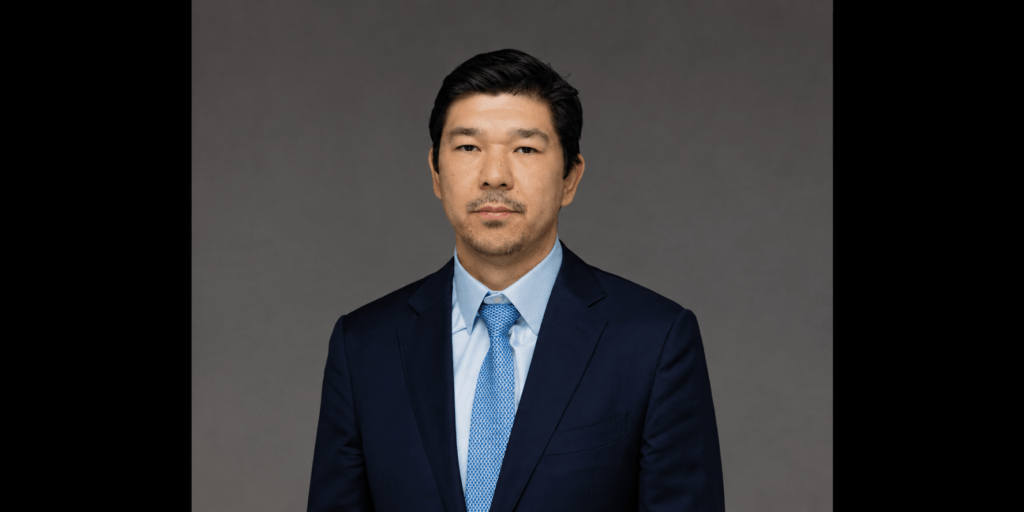
AIFC Interview: Central Asia Investment, Middle Corridor and ESG
The Astana International Financial Centre (AIFC) positions itself as a platform for international investment in Kazakhstan and across Central Asia. In an interview with The Times of Central Asia, Zhanbolat Kakishev, Chief Product Officer at the AIFC Authority, discussed competition for investment, financing for the Middle Corridor, investor protection, ESG, and currency risks. Kakishev said the AIFC ecosystem has attracted $26.3 billion in investment to Kazakhstan and registered more than 6,000 companies from 90 countries. TCA: How does the AIFC assess the current investment climate in Central Asia amid the fragmentation of global markets, and what share of foreign direct investment into the region does the centre aim to attract in the coming years? Zhanbolat Kakishev: We assess Central Asia’s investment climate as resilient and gradually strengthening despite the fragmentation of global markets. Moreover, the restructuring of global supply chains and investors’ search for new sources of growth are creating additional opportunities for the region. International investor interest in Central Asia already rests on a solid foundation. According to UNCTAD, by the end of 2025, the stock of foreign direct investment in the region had reached approximately $235.5 billion, of which $156.4 billion was in Kazakhstan. The region combines a substantial resource base, a growing domestic market, and a strategic position between Europe and Asia. It also has significant investment potential in areas including transport and logistics, energy, critical minerals, digitalisation, and financial services. The AIFC does not set a target in the form of a fixed share of total FDI flowing into Central Asia. Our task today is to continue improving the AIFC ecosystem, its infrastructure, and the conditions that allow international capital to enter Kazakhstan effectively, as well as to participate in regional projects. To date, $26.3 billion in investment has been attracted to Kazakhstan through the AIFC ecosystem. More than 6,000 companies from 90 countries are registered in the Centre’s jurisdiction. For us, however, it is not only the volume of capital attracted that matters, but also its quality — long-term investment that contributes to economic diversification, private-sector development, and the further integration of Kazakhstan and Central Asia into global capital markets. TCA: Given the growing interest in the Middle Corridor, or Trans-Caspian International Transport Route, what investment instruments does the AIFC offer to finance major infrastructure and logistics projects in the region? Zhanbolat Kakishev: The AIFC provides comprehensive legal and financial infrastructure for structuring and attracting financing for major infrastructure and logistics projects, including those along the Middle Corridor. Depending on the structure of a project, special-purpose vehicles or companies (SPVs/SPCs), joint ventures, and investment funds can be used to pool capital from strategic, institutional, and private investors. Through the Astana International Exchange (AIX), projects can also raise debt and equity financing, including through conventional, green, and sustainability bonds, as well as Islamic finance instruments such as sukuk. For large infrastructure projects, the ability to combine different sources of capital is particularly important. These can include financing from international financial institutions and banks, funds from strategic...
