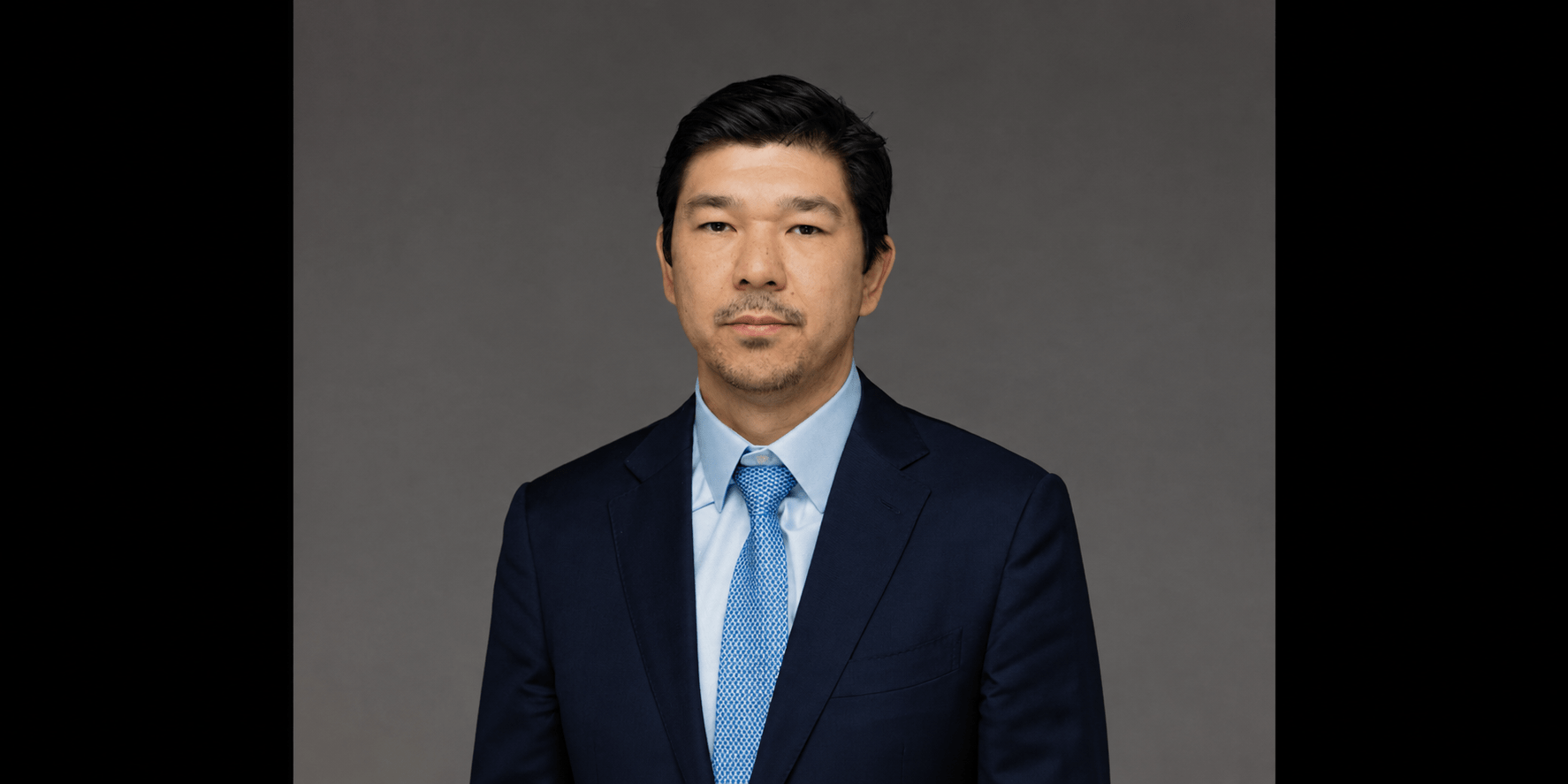
The Astana International Financial Centre (AIFC) positions itself as a platform for international investment in Kazakhstan and across Central Asia. In an interview with The Times of Central Asia, Zhanbolat Kakishev, Chief Product Officer at the AIFC Authority, discussed competition for investment, financing for the Middle Corridor, investor protection, ESG, and currency risks. Kakishev said the AIFC ecosystem has attracted $26.3 billion in investment to Kazakhstan and registered more than 6,000 companies from 90 countries.
TCA: How does the AIFC assess the current investment climate in Central Asia amid the fragmentation of global markets, and what share of foreign direct investment into the region does the centre aim to attract in the coming years?
Zhanbolat Kakishev: We assess Central Asia’s investment climate as resilient and gradually strengthening despite the fragmentation of global markets. Moreover, the restructuring of global supply chains and investors’ search for new sources of growth are creating additional opportunities for the region.
International investor interest in Central Asia already rests on a solid foundation. According to UNCTAD, by the end of 2025, the stock of foreign direct investment in the region had reached approximately $235.5 billion, of which $156.4 billion was in Kazakhstan.
The region combines a substantial resource base, a growing domestic market, and a strategic position between Europe and Asia. It also has significant investment potential in areas including transport and logistics, energy, critical minerals, digitalisation, and financial services.
The AIFC does not set a target in the form of a fixed share of total FDI flowing into Central Asia. Our task today is to continue improving the AIFC ecosystem, its infrastructure, and the conditions that allow international capital to enter Kazakhstan effectively, as well as to participate in regional projects. To date, $26.3 billion in investment has been attracted to Kazakhstan through the AIFC ecosystem. More than 6,000 companies from 90 countries are registered in the Centre’s jurisdiction.
For us, however, it is not only the volume of capital attracted that matters, but also its quality — long-term investment that contributes to economic diversification, private-sector development, and the further integration of Kazakhstan and Central Asia into global capital markets.
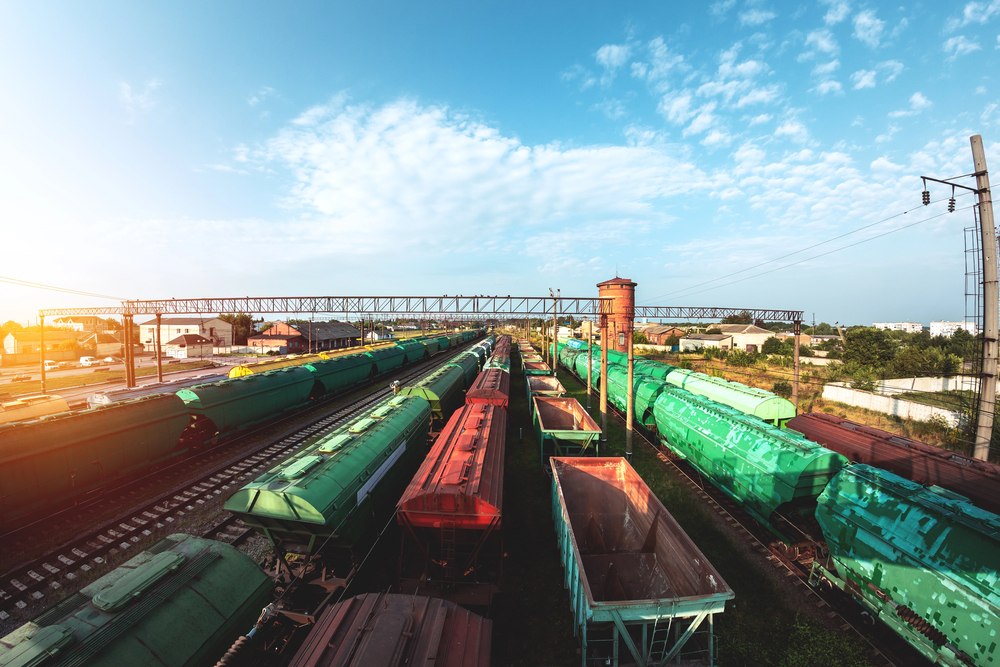
TCA: Given the growing interest in the Middle Corridor, or Trans-Caspian International Transport Route, what investment instruments does the AIFC offer to finance major infrastructure and logistics projects in the region?
Zhanbolat Kakishev: The AIFC provides comprehensive legal and financial infrastructure for structuring and attracting financing for major infrastructure and logistics projects, including those along the Middle Corridor.
Depending on the structure of a project, special-purpose vehicles or companies (SPVs/SPCs), joint ventures, and investment funds can be used to pool capital from strategic, institutional, and private investors. Through the Astana International Exchange (AIX), projects can also raise debt and equity financing, including through conventional, green, and sustainability bonds, as well as Islamic finance instruments such as sukuk.
For large infrastructure projects, the ability to combine different sources of capital is particularly important. These can include financing from international financial institutions and banks, funds from strategic and institutional investors, and capital-market instruments. This approach makes it possible to create more flexible financing structures and distribute risks among different categories of investors.
The AIFC jurisdiction is already being used for initiatives related to the Middle Corridor. Middle Corridor Multimodal Ltd., established by the railway companies of Kazakhstan, Azerbaijan, and Georgia, is developing multimodal transportation and helping improve transport and logistics processes along the Trans-Caspian International Transport Route. KPMC, a joint venture between Kazakhstan Temir Zholy and PSA International, is developing logistics and digital solutions for the Middle Corridor. Caspian Integrated Maritime Solutions, a joint venture between KazMunayGas and AD Ports Group that provides maritime freight services across the Caspian Sea, is also registered with the AIFC. These projects are also listed in the AIFC’s own materials on the development of Kazakhstan’s transport and logistics sector.
Another example of an investment mechanism is SK-AIH Investment Fund Ltd., established on the AIFC platform by Samruk-Kazyna and Azerbaijan Investment Holding. The $300 million fund is focused on investments in projects in Kazakhstan and Azerbaijan, including those related to the development of the Trans-Caspian International Transport Route and transport and logistics infrastructure. The AIFC has previously confirmed the fund’s role as an investment vehicle for Middle Corridor projects.
TCA: English common law and the AIFC’s independent court are often cited as the centre’s main advantages. How does this system protect investors’ rights in practice when cross-border disputes arise in Central Asia?
Zhanbolat Kakishev: The AIFC Court and International Arbitration Centre (IAC) have operated since January 1, 2018, and are independent of the judicial system of the Republic of Kazakhstan. The AIFC Court applies the principles and rules of English common law, and proceedings are conducted in English, with interpretation into Kazakh and Russian available. Where the relevant agreement allows, the parties can choose the applicable law themselves, providing additional flexibility when structuring cross-border transactions involving partners from different jurisdictions.
In practice, investor rights are protected through a number of procedural safeguards. Decisions of the AIFC Court are final under applicable law, providing a high degree of legal certainty and avoiding lengthy appeal proceedings. Since February 2019, the eJustice system has also allowed documents to be filed and proceedings to be conducted remotely. Depending on the nature of a dispute, parties can choose litigation before the AIFC Court or alternative mechanisms — arbitration and mediation — through the IAC.
The statistics demonstrate the use of these mechanisms. As of August 19, 2026, the AIFC Court and IAC had completed and enforced 5,415 cases, including 289 court judgments, 1,155 arbitration awards, and 3,971 mediation agreements.
For Central Asia, this system has particular practical significance. Since not all foreign investors and their representatives are able to travel to Kazakhstan in person, the AIFC Court and IAC have established specially equipped facilities for in-person hearings in cooperation with leading law schools and universities in eight Eurasian countries — Armenia, Azerbaijan, Georgia, Kyrgyzstan, Tajikistan, Turkey, Turkmenistan, and Uzbekistan – as well as in China and in Almaty. The initiative is based on mutually beneficial cooperation and does not require funding from Kazakhstan’s national budget, while allowing parties to cross-border disputes in the region to hold full hearings without travelling to Astana.
The system’s international recognition is also growing. The AIFC Court and IAC participate in major international dispute-resolution events, including Paris, London, and Istanbul Arbitration Weeks. In 2026, the IAC was nominated for a Global Arbitration Review (GAR) award, one of the best-known professional awards in international arbitration. Further development is aimed at expanding the system’s international presence and strengthening the position of the AIFC Court and IAC as a venue for resolving commercial disputes in Central Asia and beyond.
TCA: What are the key incentives for developing ESG investment within the AIFC, and how strong is actual institutional investor demand for green and social bonds in Kazakhstan and neighbouring countries?
Zhanbolat Kakishev: The key driver of ESG investment within the AIFC is the combination of regulatory infrastructure, the economy’s growing need to finance the energy transition, and the opportunity to attract a broader range of international investors.
First, Kazakhstan has already established the basic infrastructure for sustainable finance: a national green taxonomy is in place, while AIX has dedicated rules for ESG-labelled bonds based on the international principles of ICMA and the Climate Bonds Initiative.
Rules for issuing sovereign green bonds were also approved in 2025. Within the AIFC, this infrastructure is complemented by its independent jurisdiction and the AIX exchange. AIX offers listing-fee incentives for ESG bonds, significantly reducing costs for issuers of labelled instruments.
The AIFC Green Finance Centre plays a key role in developing this market. It assists issuers in structuring green, social, and other sustainable-finance instruments, provides independent external assessments and verification, and supports transactions in accordance with ICMA and Climate Bonds Initiative standards. In this way, the Centre effectively lowers barriers to entry for new issuers and increases investor confidence in the quality and transparency of ESG issuances in Kazakhstan and Central Asia.
At the same time, the range of projects using sustainable finance is expanding. It now extends beyond renewable energy to energy efficiency, modernisation of energy infrastructure, transport, social infrastructure, and other sectors.
AIX, for example, has expanded its product range from conventional green bonds to social, sustainability-linked, transition, and other ESG instruments.
As for institutional demand, we see it as growing, although the market cannot yet be described as deep or fully developed. Interest comes from development banks, international financial institutions, quasi-state organisations, and investors with ESG mandates. For most institutional investors, however, the decisive factors remain the issuer’s credit quality, yield, issue size, liquidity, and the quality of the underlying project. ESG status broadens the potential investor base and increases confidence in how proceeds are used, but it does not in itself guarantee demand. The most successful issuances today are therefore those in which the ESG component is combined with a strong credit profile and high-quality external verification.
The market has nevertheless already reached a significant scale. According to the AIFC Green Finance Centre, by the end of 2025 the total volume of registered sustainable-finance instruments in Kazakhstan had reached approximately $2.86 billion, and around $5.59 billion across Central Asia and Azerbaijan. According to the latest figures, from the market’s launch in 2020 through July 2026, the volume of thematic green, social, and sustainability bonds together with labelled loans in Kazakhstan exceeded $3.5 billion. This shows that the market has moved beyond isolated pilot issuances, although it remains relatively concentrated.
Institutional demand in the region therefore already exists and is gradually expanding. One of the main constraints, however, remains the supply of high-quality, sufficiently large, and liquid ESG instruments. The next stage of market development should be a shift from individual flagship transactions towards more regular issuance by banks, corporations, the quasi-state sector, and, potentially, sovereign and municipal issuers. In this process, the AIFC can serve as a regional platform that lowers barriers for issuers and makes such instruments more transparent and comparable for international investors.
TCA: Many investors see currency volatility in Central Asian markets as a risk. What hedging mechanisms and conditions for profit repatriation are available within the AIFC to help minimize these concerns for foreign investors?
Zhanbolat Kakishev: Currency risks remain an important factor for international investors operating in emerging markets. Currency risk cannot be eliminated entirely, but international investors need confidence in the free movement of capital and investment income, as well as the ability to conduct their activities in accordance with applicable AIFC law.
The AIFC is developing a regulated infrastructure and legal environment in which investors can manage currency risk through financial instruments while benefiting from clear conditions for the cross-border movement of capital.
For example, the AIFC has a regulatory framework for derivatives such as forwards, futures, options, and swaps. These instruments allow investors to hedge their currency positions and reduce the impact of adverse exchange-rate movements on the value of investments and future cash flows.
The movement of capital is equally important. The AIFC operates under a special currency regime that allows transactions in both tenge and foreign currencies, subject to applicable currency legislation and banking procedures. The AIFC’s currency regulation rules separately set out the procedures governing foreign-exchange transactions involving Centre participants, AIFC banks, residents, and non-residents.
Astana International Exchange, the AIFC’s regulated exchange, plays an important role in this infrastructure by providing international investors with access to local and international markets. AIX supports multicurrency trading and settlement, including settlement in currencies different from those of the underlying financial instruments. This allows investors to structure transactions more flexibly and reduces the need to assume additional currency risk where that risk is not part of the investment strategy itself.
For foreign investors, the AIFC’s appeal therefore lies in the combination of three elements: risk-management instruments, a predictable currency regime, and regulated infrastructure for cross-border transactions. This makes it possible to structure investments not only for entry into the Kazakh market, but also with future exit and the receipt of investment income in mind.
For example, a foreign investor can structure an investment through an AIFC participant company, gain access to investment instruments through AIX infrastructure, receive project income in accordance with the chosen structure, use currency instruments to manage foreign-exchange risk, and subsequently transfer that income across borders subject to applicable currency, tax, AML/CFT, and banking procedures.
It is precisely this combination of a clear legal environment based on English common law principles, a regulated financial market, and special currency arrangements that makes the AIFC a convenient platform for international capital operating in Kazakhstan and Central Asia more broadly.