• KZT/USD = 0.00223
  • TJS/USD = 0.10860
  • UZS/USD = 0.00008
  • TMT/USD = 0.29850
  • KZT/USD = 0.00223
  • TJS/USD = 0.10860
  • UZS/USD = 0.00008
  • TMT/USD = 0.29850
  • KZT/USD = 0.00223
  • TJS/USD = 0.10860
  • UZS/USD = 0.00008
  • TMT/USD = 0.29850
  • KZT/USD = 0.00223
  • TJS/USD = 0.10860
  • UZS/USD = 0.00008
  • TMT/USD = 0.29850
  • KZT/USD = 0.00223
  • TJS/USD = 0.10860
  • UZS/USD = 0.00008
  • TMT/USD = 0.29850
  • KZT/USD = 0.00223
  • TJS/USD = 0.10860
  • UZS/USD = 0.00008
  • TMT/USD = 0.29850
  • KZT/USD = 0.00223
  • TJS/USD = 0.10860
  • UZS/USD = 0.00008
  • TMT/USD = 0.29850
  • KZT/USD = 0.00223
  • TJS/USD = 0.10860
  • UZS/USD = 0.00008
  • TMT/USD = 0.29850
11 November 2026

Viewing results 1 - 6 of 4

Kyrgyzstan Plans to Open New Jalal-Abad Airport in Fall 2027

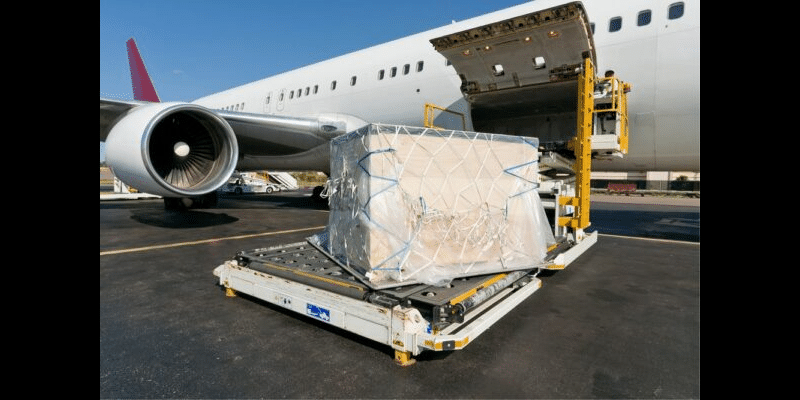
Kyrgyzstan plans to expand its air cargo capacity with a new international airport in the Jalal-Abad region and a cargo terminal near Bishkek. The new airport is expected to open in fall 2027 near the route of the China-Kyrgyzstan-Uzbekistan railway. The cargo terminal would handle goods arriving by road from China for onward flights to Europe and the Middle East. Jalal-Abad International Airport is under construction in the Bagysh area of Suzak District, near the city of Manas, formerly Jalal-Abad. On November 11, Manasbek Samidinov, chairman of the management board of Airports of Kyrgyzstan, put the preliminary construction cost at $60 million. The contractor is Kyrgyzstroyservis, a state enterprise under the Presidential Property Management Department. The project includes a 3,600-meter runway, two taxiways, an apron with room for four aircraft, and a 12,000-square-meter passenger terminal. The airport is designed to handle aircraft in the Airbus A320 and Boeing 737 families, including freighter versions. Domestic passenger flights are planned initially. The operator then intends to hold talks with foreign airlines about international routes. Samidinov said the railway could help the airport develop as a cargo hub. The line, designed to carry up to 15 million metric tons of freight a year, will connect Kashgar in China with Andijan in Uzbekistan. Construction formally began in December 2024, and the Kyrgyz section is estimated to cost $4.7 billion. At the planned Makmal transshipment hub, containers would be transferred between trains that run on tracks of different widths. At Manas International Airport near Bishkek, the operator plans to use its own funds to build a 40,000-square-meter cargo terminal. The facility would include bonded warehouses, where goods can be stored before customs duties are paid, and specialized storage for pharmaceuticals, perishable foods, plants, and hazardous cargo. Samidinov said Chinese partners and international logistics operators had expressed interest in the project. Kyrgyzstan will have to compete for this traffic with airports in Kazakhstan and Uzbekistan that already have cargo facilities. Air freight costs considerably more than rail or road transport, so the most likely customers are shippers of time-sensitive or high-value goods and products that require specialized storage.

China–Central Asia Flights Expand as Aviation Booms

Passenger and cargo links between Central Asia and China are expanding, with 117 scheduled weekly flights now connecting Kazakhstan and China, up 52% from a year earlier. Aviation officials from China and the five Central Asian countries are meeting in Tashkent on November 3–5 to discuss opening the market further. Trade between China and Central Asia reached $106.3 billion in 2025, up 12% from the previous year. The expansion of aviation has coincided with rising tourism and the gradual easing of restrictions on airlines across the region. Kazakhstan introduced an "open skies" policy at major airports in 2019, relaxing limits on foreign carriers, while Uzbekistan has also eased access to its market. A Decade of Aviation Growth According to a Eurasian Development Bank (EDB) study published on October 13, Central Asian airlines carried 31.7 million passengers in 2025, almost twice as many as in 2019. Between 2015 and 2025, the number of airline seats available in the region grew by an average of 7.7% annually, nearly three times the global rate. Low-cost airlines accounted for 21% of the region's available seats in 2025, with Kazakhstan's FlyArystan the largest operator in this segment. Air cargo carried by the region's airlines more than quadrupled between 2023 and 2025, reaching 335,700 metric tons. Uzbek operators accounted for approximately 67% of the total. Kazakhstan Leads the Passenger Market Kazakhstan accounted for 48.7% of Central Asia's airline passenger traffic in 2025, the largest share in the region, according to the EDB. By late October 2026, airlines were operating 21 routes between Kazakhstan and China and had carried more than one million passengers between the two countries since the beginning of the year, according to Kazakhstan's Ministry of Transport. In July, the two countries' aviation authorities agreed to increase the permitted number of weekly flights from 124 to 152. The list of approved destinations in China expanded to 11 cities, including Chongqing. The negotiations also addressed the possibility of opening a third air corridor across their shared border to accommodate additional flights. New routes launched this year include FlyArystan's services from Almaty to Xi'an in June and Chongqing in September. Air Astana also began flying between Astana and Guangzhou in June. On October 30, Air Astana and China Southern Airlines signed a strategic partnership agreement intended to make connecting flights between their networks easier. It builds on their existing codeshare arrangements, which allow the airlines to sell tickets on one another's flights. Uzbekistan Expands Passenger and Cargo Flights Uzbekistan has Central Asia's second-largest passenger aviation market. Its airports handled 12.66 million passengers in the first nine months of 2026, up 13% year over year, according to Uzbekistan Airports. Uzbekistan's Ministry of Transport reported in August 2025 that 61 passenger flights and more than 120 cargo and transit flights were operating weekly between Uzbekistan and China. The expansion followed agreements that increased the number of airlines permitted to operate between the two countries and gave carriers greater rights to transport freight through third countries. China Eastern Airlines...

Turkmenistan Airlines Increases International Flights

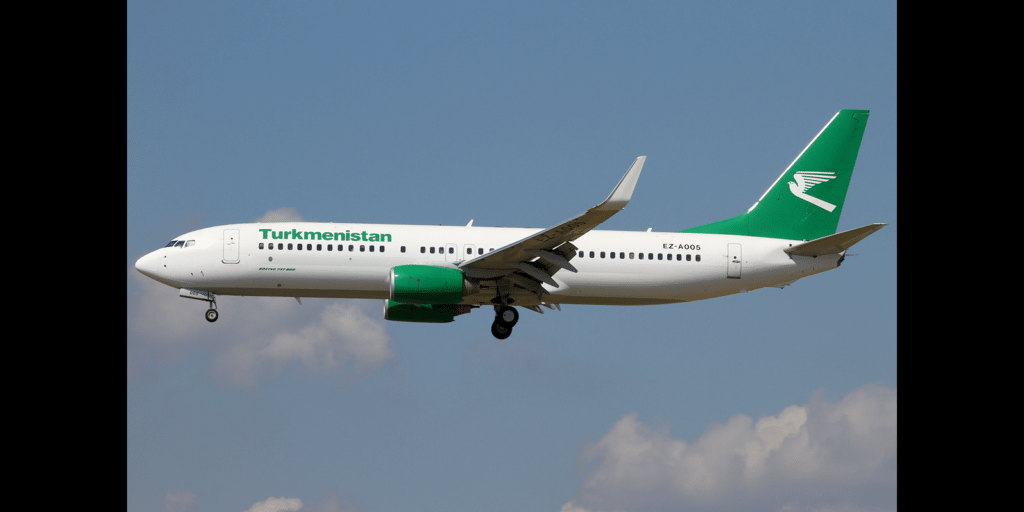
Turkmenistan Airlines is increasing the frequency of several international flights under a revised schedule that took effect on October 25. “Direct flights from the capital to Seoul will double from one to two flights per week. On the Italian route to Milan, flight frequency will increase from two to three flights per week,” the state-run Turkmenistan News Portal said before the new schedule took effect. “Regular flights on the Ashgabat–Kazan route will increase from four to six flights per week. Additionally, air service to Istanbul will be expanded, with total flight frequency reaching 13 flights per week compared to the previous 12,” the news site reported. It said the updated schedule, which includes return flights to Ashgabat International Airport, is aimed at meeting growing demand for air travel and is another step “in integrating the country's civil aviation infrastructure into the global transport network.” At the same time, the number of flights to New Delhi was scheduled to be reduced from three to two per week, according to Turkmen media. The flight frequency on other routes, including Beijing, Bangkok, Kuala Lumpur, London, and Frankfurt, is unchanged under the new schedule. Turkmenistan has invested in airport infrastructure and seeks to attract more international carriers. In August, Air Belgium made its first cargo flight to Ashgabat International Airport as Turkmenistan aims to establish itself as an air cargo hub between Asia and Europe. Elsewhere in Central Asia, Kazakhstan and Uzbekistan have taken particularly robust steps to develop their international profiles in civil aviation. Early this month, the lower house of Tajikistan’s parliament ratified an air transport agreement between the Tajik government and the United Arab Emirates that would allow more flights between the two countries and help develop Tajikistan’s role in international aviation.

Turkmenistan Says Air Belgium Will Launch Cargo Flights via Ashgabat

Air Belgium will start cargo flights through Ashgabat International Airport in early August, reflecting Turkmenistan’s hopes of becoming an air cargo hub between Asia and Europe despite its traditional restrictions on the aviation market. Sapar Palvanov, Turkmenistan’s ambassador in Brussels, discussed the plan with Air Belgium CEO Georges Chachati during a recent visit to the headquarters of the Belgian carrier, which focuses on cargo operations through aircraft charter and leasing operations. “Special attention was paid to the practical aspects of the upcoming launch of cargo flights, as well as to technical details related to the organization of this process,” the Turkmen embassy in Belgium said on Friday. “The parties also discussed the possibility of holding a symbolic ceremony to mark the first launch of cargo flights, which is expected to take place in early August of this year.” The embassy said that Chachati, who had met transport leaders during a visit to Turkmenistan, noted the “attractive conditions” at Ashgabat International Airport, including refueling services and technical support. Palvanov said “the development of air logistics is an important part of the country’s broader strategy to expand international transport connectivity and diversify cargo transportation routes,” according to the embassy. Air Belgium’s fleet includes Boeing B747-8F and Airbus A330-243F freighters, according to the Belgian Air Transport Association. The carrier originally served passengers but ran into financial trouble in the early 2020s and shifted its focus to cargo traffic. After entering bankruptcy last year, Air Belgium was rescued when CMA CGM, a French multinational that is one of the world’s top shipping groups, took over the carrier’s cargo operations. Relatively few foreign carriers fly to Turkmenistan compared with other Central Asian countries, including Kazakhstan and Uzbekistan, which have taken more robust steps to welcome competition and visitors. Although Turkmenistan tightly regulates aviation and favors its national carrier, the country has invested in airport infrastructure and says it hopes to attract more international cargo carriers. Central Asia has become more important as a regional hub for air traffic because many carriers are seeking alternative routes between Europe and Asia amid Russia’s war in Ukraine and periodic conflict in the Middle East.