• KGS/USD = 0.01144 0%
  • KZT/USD = 0.00205 0%
  • TJS/USD = 0.10722 0%
  • UZS/USD = 0.00008 0%
  • TMT/USD = 0.28490 0%
  • KGS/USD = 0.01144 0%
  • KZT/USD = 0.00205 0%
  • TJS/USD = 0.10722 0%
  • UZS/USD = 0.00008 0%
  • TMT/USD = 0.28490 0%
  • KGS/USD = 0.01144 0%
  • KZT/USD = 0.00205 0%
  • TJS/USD = 0.10722 0%
  • UZS/USD = 0.00008 0%
  • TMT/USD = 0.28490 0%
  • KGS/USD = 0.01144 0%
  • KZT/USD = 0.00205 0%
  • TJS/USD = 0.10722 0%
  • UZS/USD = 0.00008 0%
  • TMT/USD = 0.28490 0%
  • KGS/USD = 0.01144 0%
  • KZT/USD = 0.00205 0%
  • TJS/USD = 0.10722 0%
  • UZS/USD = 0.00008 0%
  • TMT/USD = 0.28490 0%
  • KGS/USD = 0.01144 0%
  • KZT/USD = 0.00205 0%
  • TJS/USD = 0.10722 0%
  • UZS/USD = 0.00008 0%
  • TMT/USD = 0.28490 0%
  • KGS/USD = 0.01144 0%
  • KZT/USD = 0.00205 0%
  • TJS/USD = 0.10722 0%
  • UZS/USD = 0.00008 0%
  • TMT/USD = 0.28490 0%
  • KGS/USD = 0.01144 0%
  • KZT/USD = 0.00205 0%
  • TJS/USD = 0.10722 0%
  • UZS/USD = 0.00008 0%
  • TMT/USD = 0.28490 0%

Viewing results 1 - 6 of 5

Somon Air Awaits Boeing Delivery as Tajikistan´s Aviation Sector Grows

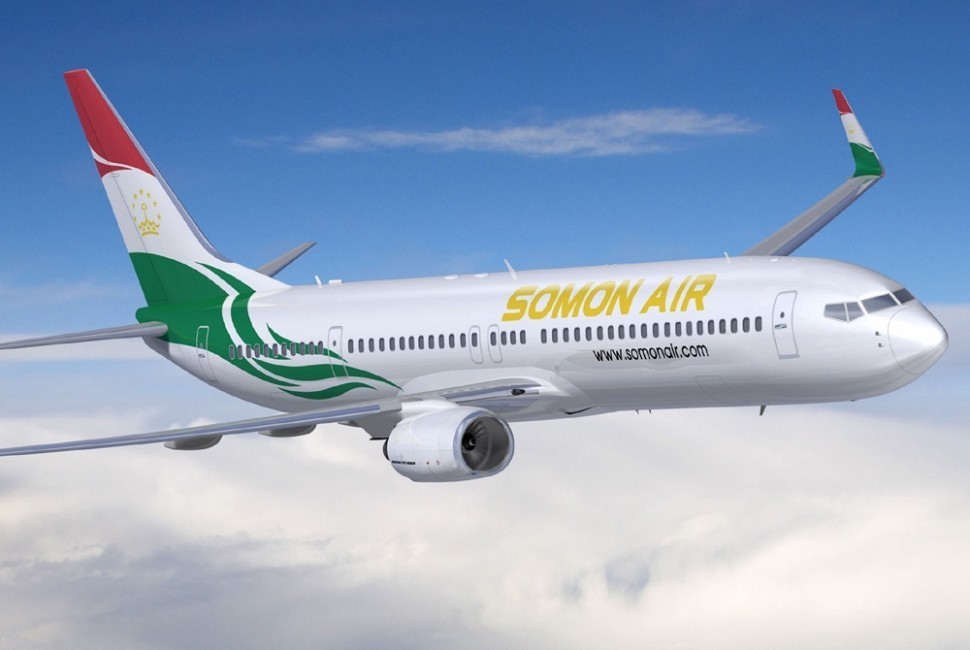
Tajikistan’s Somon Air expects the delivery of new Boeing 737 MAX 8 aircraft in the next few months, in a fleet expansion designed to strengthen the airline as a growing player in Central Asia's aviation sector. The national carrier, which aims to offer new intercontinental routes, said its management met a Boeing delegation this month to build on an agreement late last year in which Somon Air selected up to 14 Boeing 787 Dreamliner and 737 MAX aircraft. During the May 15 meeting, “the parties discussed key issues related to the introduction into service of the new Boeing 737 MAX 8 aircraft, whose delivery to Tajikistan is scheduled for July–August 2026,” Dushanbe-based Somon Air said. “The expansion of the fleet with modern aircraft will enable Somon Air to improve the quality of passenger service, expand its route network, and strengthen its position in the regional civil aviation market,” the airline said. Established in 2008, Somon Air currently operates six Boeing 737 Next Generation airplanes on routes to Germany, the United Arab Emirates, Turkey, China, India, Iran, Saudi Arabia, Russia, Kazakhstan and Uzbekistan. It has a total of 25 destinations. Tajikistan’s international routes traditionally focused on Russia, the destination for many migrants from Central Asia. According to Boeing, the new aircraft for Somon Air will deliver a 20–25% fuel-use improvement compared to the airplanes they replace and enable lower seat and maintenance costs. In another sign of commercial aviation growth in Tajikistan, Shohin Airlines, a new private airline registered in the country, said in April that it was in the final stage of acquiring four planes from the Airbus A320neo line of aircraft. Shohin Airlines, which operates helicopters for specialized flights, wants to make a significant expansion into commercial passenger traffic. It had announced a $200 million investment from a European investment fund. In 2025, Tajikistan introduced an Open Skies policy in which civil aviation authorities lifted many market restrictions. The move came two years after a 2023 study in which the World Bank said airport charges in Tajikistan were very high and that refueling costs were among the most expensive in Central Asia. The agency recommended market deregulation as a way to encourage competition, leading to better prices for passengers, more efficient service and route diversification.

Kazakhstan Acts Swiftly on Middle East Crisis: Citizens Evacuated, Flights Suspended

In the wake of escalating hostilities in the Middle East, Kazakhstan has undertaken swift measures to safeguard its citizens and adapt its aviation policies. On the night of June 13, Israel launched “Operation Lion’s Roar,” targeting military and strategic sites in Iran, citing concerns over Tehran’s nuclear capabilities. The offensive triggered international concern and widespread flight restrictions, which affected Kazakhstani citizens in the UAE, Iran, and Israel. Stranded Tourists and Initial Evacuations In its immediate response, Kazakhstan’s Aviation Administration imposed a full ban on flights through the airspace of Iran, Israel, Syria, Jordan, Iraq, and Lebanon. The directive applied to all Kazakh carriers, both commercial and charter, requiring them to halt operations across the affected regions. As a result, around 300 Kazakh nationals, primarily tourists, were unable to return home. Despite prior warnings, flights to the UAE continued to depart with full passenger loads, according to Foreign Ministry spokesman Aibek Smadiyarov. Evacuations began the following day. On June 14, six Kazakh citizens were evacuated from Iran via Azerbaijan. By June 15, another 68 individuals, including diplomats and their families, crossed into Turkmenistan. Kazakhstan’s Ministry of Foreign Affairs expressed its gratitude to Iran, Turkmenistan, Azerbaijan, and other partner countries for facilitating the evacuations. Further operations saw 332 Kazakh tourists repatriated from the UAE to Almaty on two FlyDubai flights on June 15, with support from the Turistik Kamkor Foundation and the Ministry of Foreign Affairs. As of June 20, an additional 66 citizens had been evacuated from Israel via Egypt, while 78 others left Iran through Armenia, Azerbaijan, and Turkmenistan. “Thanks to joint efforts, more and more citizens are able to return home safely,” the Foreign Ministry noted. Ministry Advisories and Air Travel Disruptions On June 23, the Foreign Ministry issued an official advisory urging Kazakh citizens to refrain from traveling to the Middle East. Those already in the region were instructed to stay alert, avoid large gatherings, monitor official updates, and maintain contact with Kazakh embassies. Airlines also took precautionary measures. Air Astana extended its suspension of flights to Dubai and Doha through June 24, offering passengers the option of free rebooking or a full refund. SCAT Airlines announced delays to flights bound for Sharm el-Sheikh and Antalya, citing bird strikes and the volatile security environment. The airline also cancelled a flight from Astana to Doha. By June 24, Dubai’s Al Maktoum and Dubai International airports had resumed full operations. The airspace over Qatar, Bahrain, and Kuwait also reopened. UAE authorities have urged travelers to confirm flight details with their airlines and arrive early at airports.

Kyrgyzstan and Tajikistan Restore Flights Following Landmark Border Agreement

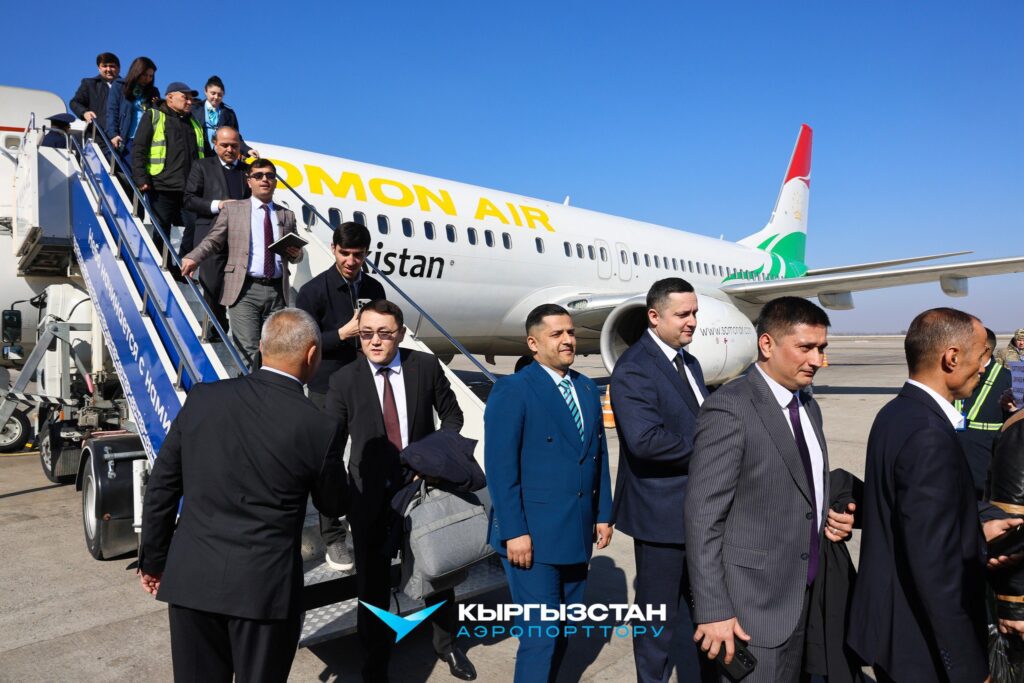
Regular flights between Kyrgyzstan and Tajikistan will resume in April 2025, marking a significant step in restoring air connectivity between the two countries​. A test flight on the Bishkek-Khujand-Bishkek route was successfully conducted by Kyrgyz airline Asman Airlines. Regular operations on this route will begin on April 8, with flights scheduled once a week. The approximate cost of a one-way ticket is expected to be around $90​. Additionally, Tajikistan's national carrier, Somon Air, has resumed regular flights between Dushanbe and Bishkek after nearly four years. The first flight was made possible following an agreement between the two governments to restore air service​. “This important development significantly strengthens air connectivity between Kyrgyzstan and Tajikistan, creating new opportunities for passengers and businesses. With the support of the presidents of both countries, regular flights between the capitals will become more accessible, contributing to the growth of economic and cultural ties,” said Manasbek Samidinov, Chairman of the Board of Manas International Airport Company​. As previously reported by The Times of Central Asia, the resumption of air travel comes shortly after a historic border demarcation agreement between Kyrgyzstan and Tajikistan. On March 13, Presidents Sadyr Japarov and Emomali Rahmon signed a treaty finalizing all border sections. The landmark deal was the result of three years of negotiations, mutual concessions, and land swaps.