
• KGS/USD = 0.01144 0%
  • KZT/USD = 0.00204 0%
  • TJS/USD = 0.10396 0%
  • UZS/USD = 0.00008 0%
  • TMT/USD = 0.28490 0%
  • KGS/USD = 0.01144 0%
  • KZT/USD = 0.00204 0%
  • TJS/USD = 0.10396 0%
  • UZS/USD = 0.00008 0%
  • TMT/USD = 0.28490 0%
  • KGS/USD = 0.01144 0%
  • KZT/USD = 0.00204 0%
  • TJS/USD = 0.10396 0%
  • UZS/USD = 0.00008 0%
  • TMT/USD = 0.28490 0%
  • KGS/USD = 0.01144 0%
  • KZT/USD = 0.00204 0%
  • TJS/USD = 0.10396 0%
  • UZS/USD = 0.00008 0%
  • TMT/USD = 0.28490 0%
  • KGS/USD = 0.01144 0%
  • KZT/USD = 0.00204 0%
  • TJS/USD = 0.10396 0%
  • UZS/USD = 0.00008 0%
  • TMT/USD = 0.28490 0%
  • KGS/USD = 0.01144 0%
  • KZT/USD = 0.00204 0%
  • TJS/USD = 0.10396 0%
  • UZS/USD = 0.00008 0%
  • TMT/USD = 0.28490 0%
  • KGS/USD = 0.01144 0%
  • KZT/USD = 0.00204 0%
  • TJS/USD = 0.10396 0%
  • UZS/USD = 0.00008 0%
  • TMT/USD = 0.28490 0%
  • KGS/USD = 0.01144 0%
  • KZT/USD = 0.00204 0%
  • TJS/USD = 0.10396 0%
  • UZS/USD = 0.00008 0%
  • TMT/USD = 0.28490 0%

Viewing results 1 - 6 of 6

Kyrgyzstan Signs Deal to Acquire Two Airbus A321 Aircraft

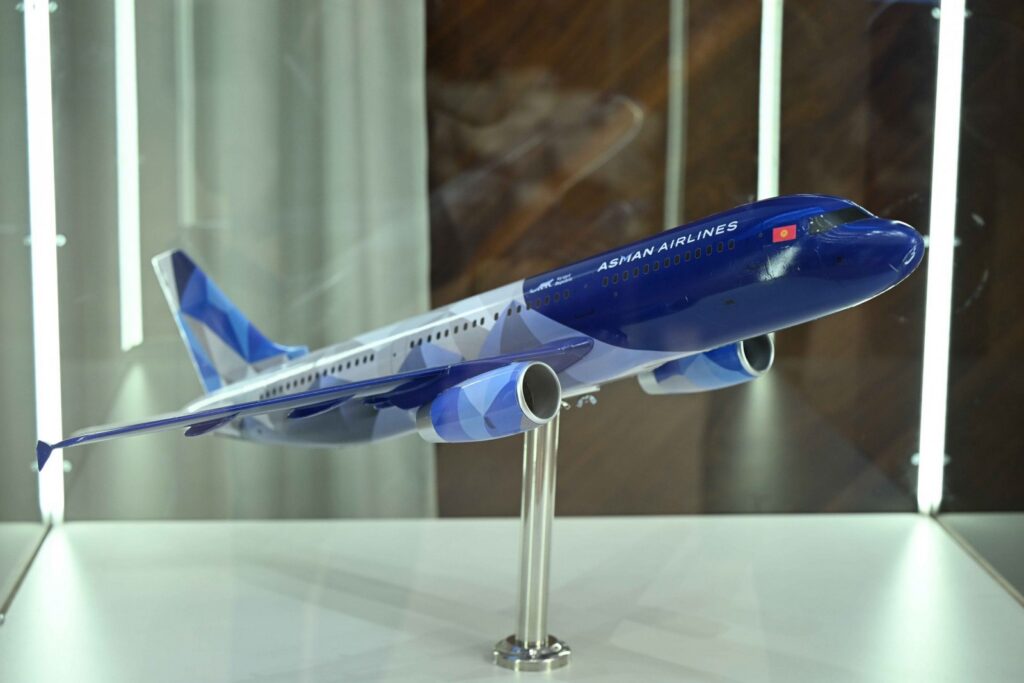
Kyrgyzstan has signed an agreement to acquire two Airbus A321ceo aircraft as part of efforts to expand the country’s civil aviation sector and launch new international routes. The signing ceremony took place on March 5 in Bishkek, where the agreement was signed by Manasbek Samidinov, chairman of the board of Airports of Kyrgyzstan OJSC, and Maurice Prendergast, senior vice president of BBAM Aircraft Leasing & Management. The event was attended by Johan Pelissier, president of Airbus Europe, and Kyrgyz Prime Minister Adylbek Kasymaliev. According to the agreement, the aircraft will be delivered to Kyrgyzstan by the end of 2026. They are intended for the state-owned carrier Asman Airlines, a subsidiary of Airports of Kyrgyzstan. The new aircraft are expected to support the launch of international flights and improve operational capacity. Asman Airlines currently operates three Dash 8 Q400 aircraft, Canadian-made short-haul turboprop planes capable of carrying up to 80 passengers over distances of up to 2,000 kilometers. These aircraft serve domestic routes across Kyrgyzstan after the airline recently restored air connections between Bishkek and several remote regional centers. Speaking at the ceremony, Kasymaliev said that the acquisition of modern and efficient aircraft would help raise Kyrgyzstan’s civil aviation sector to a new level of development. He added that between 2021 and 2025 the number of passengers served at Kyrgyzstan’s airports on domestic and international routes increased by 52%, while the number of flights rose by 53%. Kasymaliev also noted that audits conducted by the International Civil Aviation Organization (ICAO) in 2023-2024 confirmed that Kyrgyzstan’s aviation system complies with international standards. According to the latest audit, the aviation security compliance rate reached 85.76%, a significant improvement compared with previous results. “These achievements create the necessary conditions for Kyrgyzstan to be removed from the European Union’s aviation safety blacklist,” the prime minister said, adding that the final audit by the European Commission is expected in the coming days. Later the same day, President Sadyr Japarov met with Johan Pelissier and Maurice Prendergast to discuss the development of Kyrgyzstan’s aviation sector. During the meeting, Japarov highlighted the rapid modernization of airport infrastructure and the expansion of domestic air routes. While previously only four airports in the country were fully operational, all 11 airports in Kyrgyzstan are now functioning. Construction of a new international airport in Jalal-Abad is also underway. The president also confirmed that Kyrgyzstan is in the final stage of the process to be removed from the European Union’s aviation safety blacklist, with the final inspection expected later this month.

Kazakhstan Expands Airbus Ties and Strengthens French Aviation Cooperation

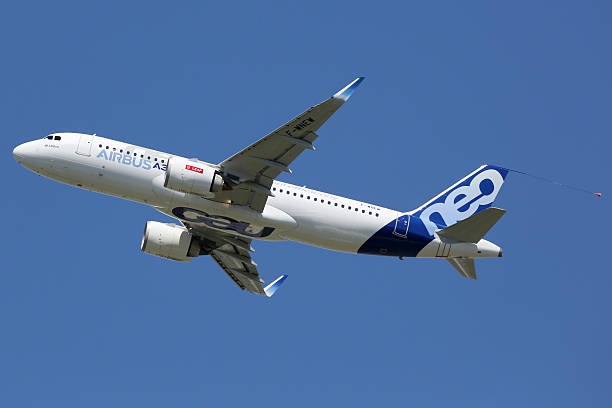
Kazakhstan is strengthening its cooperation with European aerospace firms and preparing to modernize its civil aviation fleet. In Paris, during the Kazakh-French Business Council and the 16th Intergovernmental Commission on Economic Cooperation, a memorandum was signed for the delivery of Airbus A320neo aircraft. The document was signed by Talgat Lastayev, Kazakhstan’s Deputy Minister of Transport. The agreement provides for the delivery of 25 A320neo aircraft, with an option to expand the order by another 25 units. The A320neo is an upgraded version of the widely used narrow-body Airbus A320. The abbreviation “neo” (New Engine Option) refers to its modern engines, which reduce fuel consumption by 15% and operating costs by 8%. The aircraft also offers a 10% reduction in emissions and lower noise levels compared to the classic A320 series. “During the meeting between Talgat Lastayev and Airbus Vice President Charbel Youzkatli, the delivery schedule, currently set for 2031 and the possibility of acceleration were discussed. In addition,. In addition, the Deputy Minister raised the issue of establishing a joint aviation training center and expanding aircraft leasing cooperation,” the Ministry of Transport said in a statement. Additional areas of cooperation with international partners were also discussed. These included airport infrastructure upgrades with TAV Airports and expanded industrial collaboration with Alstom. The delegation also raised the restoration of direct flights between Paris and Astana and the potential launch of a new route between Shymkent and Nice. The Kazakh delegation, led by Lastayev, also met with the leadership of the French National Civil Aviation School (ENAC), including Director-General Olivier Chansou and Deputy Director General Nicolas Cazalis. Talks centered on creating a European-level regional aviation training center in Astana, which is expected to become a key piece of infrastructure for training aviation professionals across Central Asia. “The presence of such a training center in Kazakhstan will reduce the sector’s dependence on foreign training institutions and ensure the development of skilled professionals domestically. Cooperation will focus on the systematic training of local personnel and the exchange of international experience,” the Ministry stated. According to the Ministry of Transport, Kazakhstan’s aviation industry needs 500-600 new specialists each year, including pilots, engineers, air traffic controllers, and ground handling personnel. However, the country’s current training institutions do not meet the European standards set by the European Union Aviation Safety Agency (EASA). ENAC is the only aviation education institution globally that meets the standards of the International Civil Aviation Organization (ICAO), EASA, the International Air Transport Association (IATA), and Airports Council International (ACI). Founded in 1946 in Toulouse, the school now partners with over 117 countries and offers more than 350 educational and professional development programs. As previously reported by The Times of Central Asia, Kazakhstan is actively expanding its international air routes. Following the C5+1 working group conference on civil aviation held in August this year, new international routes were launched and flight frequencies to China and Uzbekistan increased.