Kazakhstan Plans to Power New Alatau City With Gas and Renewable Energy
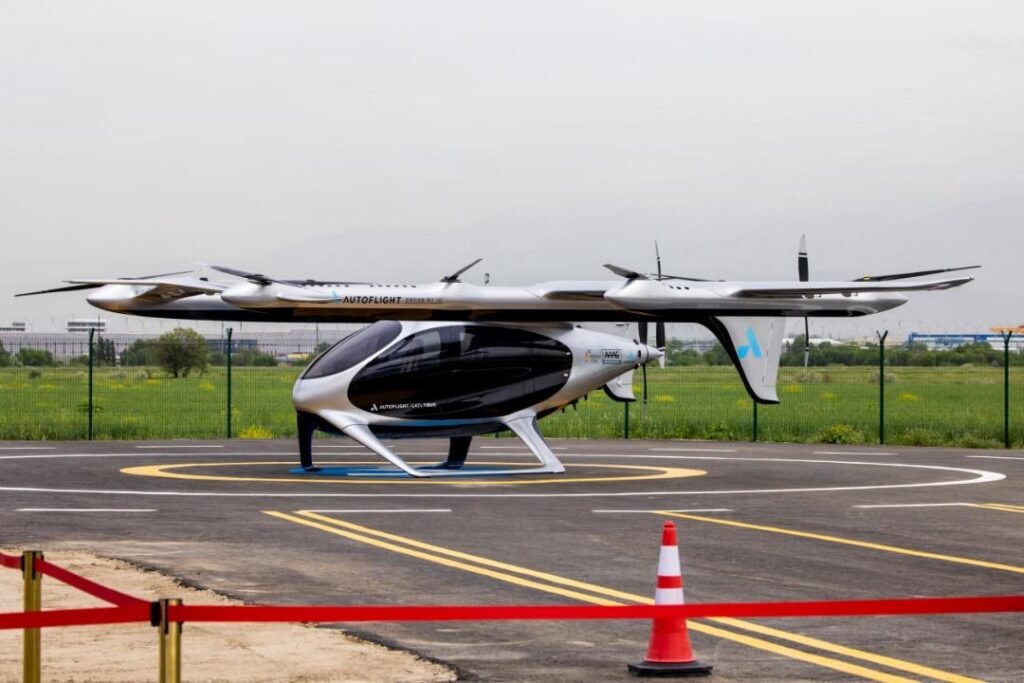
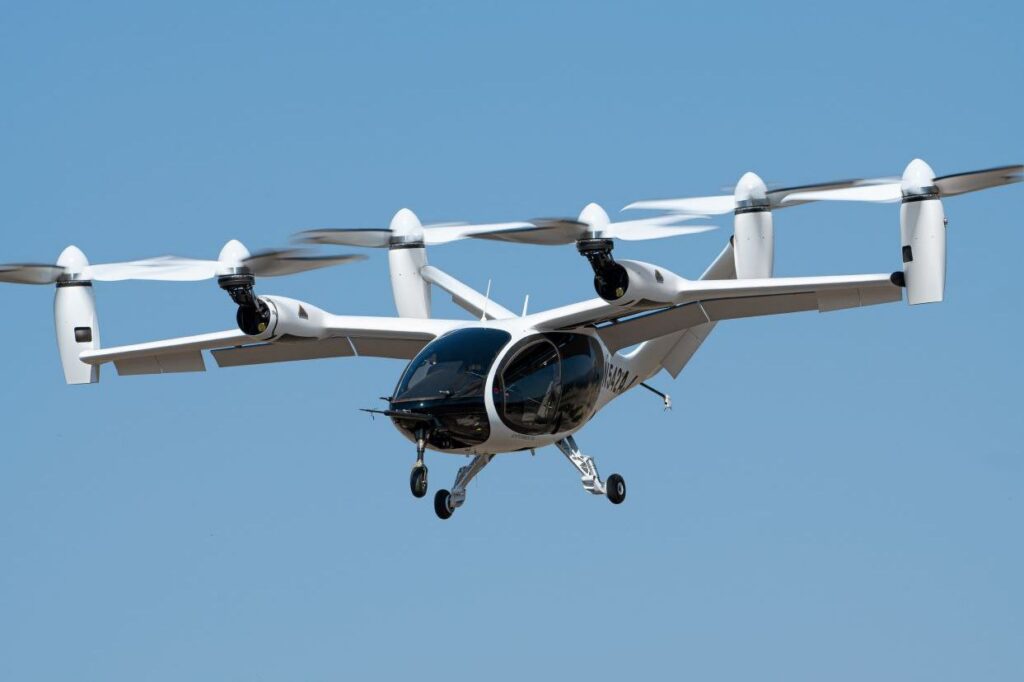
Kazakhstan plans to power the future megacity of Alatau City near Almaty through a combination of gas-fired generation and renewable sources, as authorities seek to address chronic electricity shortages in the country’s south while creating a low-carbon “smart city” model. Deputy Prime Minister Kanat Bozumbayev outlined the government’s energy strategy for the project during a briefing in Astana. According to him, Alatau City’s population could reach between 2.8 million and 3 million people by 2050, roughly equivalent to the current population of Almaty. “We expect that Alatau City will rely primarily on gas generation, given the area’s relatively low population density, along with renewable energy facilities,” Bozumbayev said. The new city is being developed on the site of the village of Zhetygen, approximately 50 kilometers from Almaty. The project will also encompass the settlements of Enbek, Zhanaarna and Kuigan, as well as parts of Konaev and the Talgar district in the Almaty Region. Authorities envision Alatau City as a future hub for technology companies, logistics and export-oriented industry. Under the current concept, the city will be divided into four functional districts: the financial and business-oriented Gate District, the educational and medical Golden District, the industrial Growing District, and the entertainment-focused Green District. The government expects rapid growth in both population and industrial activity to drive a sharp increase in electricity consumption. According to official estimates, electricity demand in Alatau City could reach 1.45 gigawatts by 2030 and rise further to 1.7 gigawatts by 2040. For comparison, Almaty’s electricity consumption in 2024 stood at approximately 982 megawatts. During the initial phase over the next three years, the city is expected to require around 50-100 megawatts of electricity. However, once industrial facilities become operational, demand could rise to between 500 and 1,000 megawatts, Bozumbayev said. Authorities have already prepared an infrastructure plan that includes the construction of transmission lines, substations, and new generating facilities. The government’s emphasis on gas-fired power generation is aimed at reducing southern Kazakhstan’s dependence on electricity transfers from northern Kazakhstan and neighboring countries. According to Bozumbayev, the launch of new power plants in Kyzylorda, Turkestan, and other southern regions should eventually create an electricity surplus in southern Kazakhstan, which currently remains energy deficient. The development of Alatau City is also part of Kazakhstan’s effort to modernize its power system and gradually increase the share of renewable energy in the national mix. In recent years, the country has expanded solar and wind power projects while remaining heavily dependent on coal-fired generation. Alongside energy infrastructure, authorities are promoting Alatau City as a testing ground for advanced transportation technologies. Bozumbayev said preliminary estimates suggest that air taxi rides in the city could cost around $1 per kilometer. “As competition develops in the market, prices could decrease,” the deputy prime minister said. He added that the testing of the air taxi system is expected to be completed by 2026, with commercial services potentially launching in 2027. However, Almaty Region Governor Marat Sultangaziev previously stated that full commercial operation of air taxi services...