• KGS/USD = 0.01144 0%
  • KZT/USD = 0.00212 0%
  • TJS/USD = 0.10841 -0.46%
  • UZS/USD = 0.00008 0%
  • TMT/USD = 0.28490 0%
  • KGS/USD = 0.01144 0%
  • KZT/USD = 0.00212 0%
  • TJS/USD = 0.10841 -0.46%
  • UZS/USD = 0.00008 0%
  • TMT/USD = 0.28490 0%
  • KGS/USD = 0.01144 0%
  • KZT/USD = 0.00212 0%
  • TJS/USD = 0.10841 -0.46%
  • UZS/USD = 0.00008 0%
  • TMT/USD = 0.28490 0%
  • KGS/USD = 0.01144 0%
  • KZT/USD = 0.00212 0%
  • TJS/USD = 0.10841 -0.46%
  • UZS/USD = 0.00008 0%
  • TMT/USD = 0.28490 0%
  • KGS/USD = 0.01144 0%
  • KZT/USD = 0.00212 0%
  • TJS/USD = 0.10841 -0.46%
  • UZS/USD = 0.00008 0%
  • TMT/USD = 0.28490 0%
  • KGS/USD = 0.01144 0%
  • KZT/USD = 0.00212 0%
  • TJS/USD = 0.10841 -0.46%
  • UZS/USD = 0.00008 0%
  • TMT/USD = 0.28490 0%
  • KGS/USD = 0.01144 0%
  • KZT/USD = 0.00212 0%
  • TJS/USD = 0.10841 -0.46%
  • UZS/USD = 0.00008 0%
  • TMT/USD = 0.28490 0%
  • KGS/USD = 0.01144 0%
  • KZT/USD = 0.00212 0%
  • TJS/USD = 0.10841 -0.46%
  • UZS/USD = 0.00008 0%
  • TMT/USD = 0.28490 0%

Viewing results 1 - 6 of 4

Allied Biofuels Advances $6.1 Billion Sustainable Aviation Fuel Project in Uzbekistan

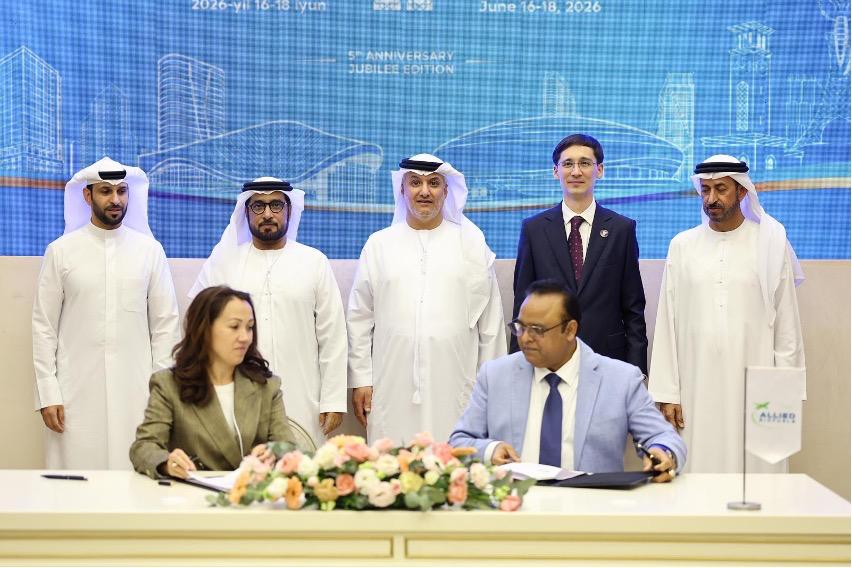
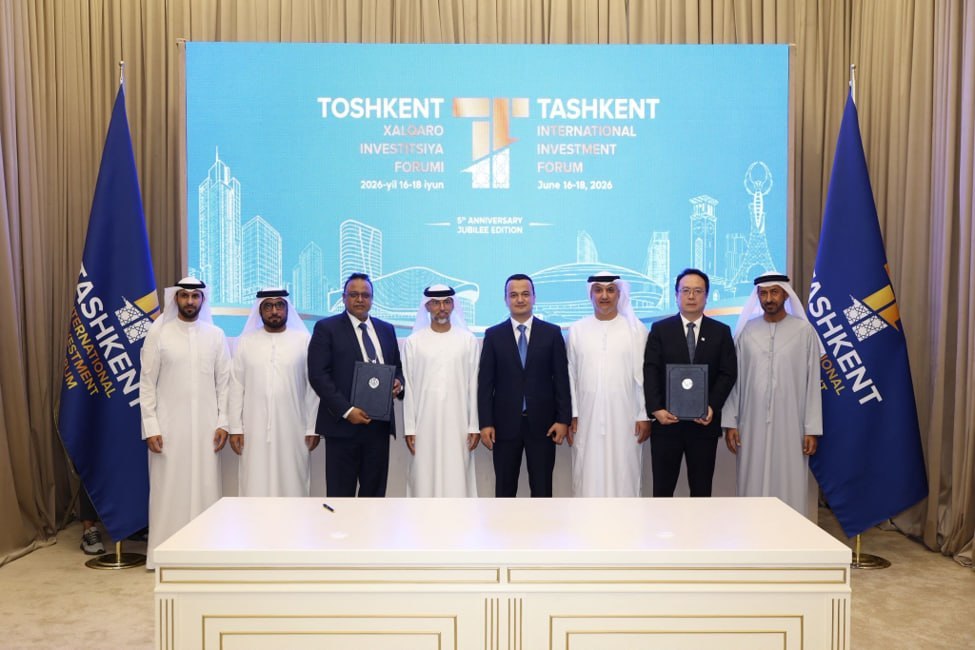
Allied Biofuels has signed a key engineering agreement with Sinopec Engineering Group Co., Ltd. for its planned sustainable aviation fuel (SAF) and electro-synthetic sustainable aviation fuel (e-SAF) project in Uzbekistan, marking another step forward for one of Central Asia’s largest clean energy developments. The agreement was signed during the 5th Tashkent International Investment Forum. Under the front-end engineering design and detailed engineering contract, Sinopec Engineering Group will undertake front-end engineering and design, detailed engineering, systems integration, and cost development work for the project, laying the groundwork for a future engineering, procurement, and construction (EPC) contract. The project, valued at approximately $6.1 billion, is expected to become Central Asia’s first large-scale integrated bio-aviation fuel complex. According to Allied Biofuels, the facility will combine biomass processing, advanced refining technologies, renewable energy systems, green hydrogen production, and power-to-liquid fuel technologies within a single industrial platform. Once operational, the complex is expected to supply sustainable aviation fuels to both domestic and international markets at a time when airlines worldwide are seeking lower-carbon alternatives to conventional jet fuel. The signing comes amid growing global investment in SAF production as governments and aviation companies work to reduce emissions from air transport. The project is expected to reinforce Uzbekistan’s ambitions to become a regional center for sustainable aviation and clean fuel production. “This agreement marks a key step in advancing our SAF and e-SAF project in Uzbekistan from development into engineering and execution readiness,” said Alfred Benedict, managing director of Allied Biofuels. “Sinopec Engineering Group’s technical capability will help strengthen the project’s delivery pathway as we progress one of Central Asia’s most important clean fuels infrastructure developments.” Gong Yu, regional business development manager at Sinopec Engineering Group, said the company was pleased to support the project and contribute its engineering expertise to the next phase of development. Sinopec Engineering Group, headquartered in Beijing, is one of China’s leading engineering companies, with experience in refining, biofuels, green hydrogen, and large-scale industrial infrastructure projects. Under the contract, the company will provide engineering design, systems integration, and estimating services for the Uzbekistan facility. The latest agreement follows another milestone announced in May, when Uzbekistan Airports and Allied Biofuels FE LLC signed a memorandum of understanding on the future supply of SAF and e-SAF in Uzbekistan. The agreement outlined plans to begin supplying cleaner aviation fuels from 2030 and included cooperation on developing the necessary infrastructure and supply chains. According to Allied Biofuels, the refinery is expected to produce approximately 160,400 tonnes of SAF, 257,000 tonnes of e-SAF, and 5,040 tonnes of green diesel annually. The facility is also planned to operate using a 4.45-gigawatt renewable energy system supported by battery storage and green hydrogen infrastructure, making it one of the most ambitious clean fuel projects currently under development in the region.

Uzbekistan Airports Signs Sustainable Aviation Fuel Deal Tied to $6 Billion Biofuel Project

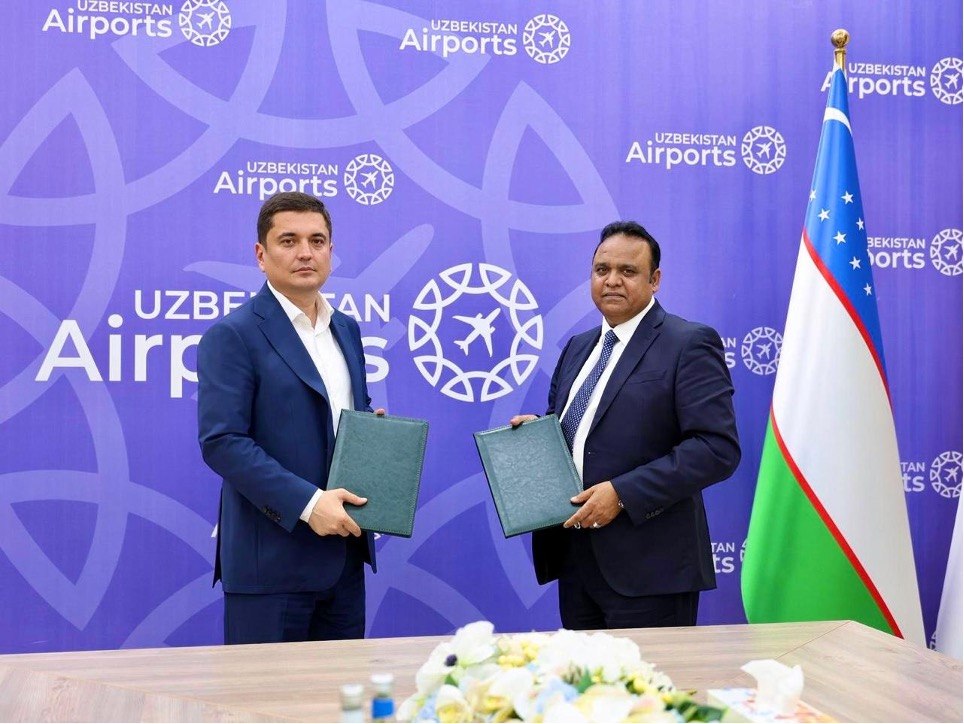
Uzbekistan Airports and Allied Biofuels FE LLC have signed a memorandum of understanding on the supply of sustainable aviation fuel (SAF) and electro-synthetic sustainable aviation fuel (e-SAF) in Uzbekistan. The agreement outlines plans for cooperation on the supply of cleaner aviation fuel beginning in 2030. The move is part of Uzbekistan’s broader effort to position itself as a regional hub for sustainable aviation and low-carbon transport infrastructure. Under the memorandum, the two sides will work together to develop supply chains and infrastructure for SAF and e-SAF, which are intended to help reduce aviation emissions. Allied Biofuels is developing what it describes as Central Asia’s first integrated large-scale biorefinery. Once fully operational, the facility is expected to produce around 160,400 tonnes of SAF, 257,000 tonnes of e-SAF, and 5,040 tonnes of green diesel annually. The project, estimated at $6.1 billion, is among the largest clean energy infrastructure initiatives announced in the region. According to the company, the refinery will operate using a 4.45-gigawatt renewable energy system supported by battery storage and green hydrogen production infrastructure. U.S.-based Plug Power has been selected as the preferred supplier of electrolyzer technology for the project. Javlonbek Umarkhodjaev, chairman of the board of Uzbekistan Airports JSC, said the partnership represents an important step toward modernizing the country’s aviation sector and exploring sustainable fuel alternatives. Alfred Benedict, general director of Allied Biofuels, described the memorandum as a major milestone for the company and said the cooperation could support the future development of cleaner air transport across Central Asia. Allied Biofuels said the project continues to receive support from Uzbekistan’s Ministry of Investment and Foreign Trade and the country’s Investment Promotion Agency. The memorandum follows an earlier announcement reported by The Times of Central Asia in April, when Uzbekistan signed a binding implementation agreement for the same $6.08 billion biofuel project in the Khorezm Region. The agreement was concluded in Perth, Australia, between Khorezm regional authorities and Allied Biofuels.

Uzbekistan Moves Forward with $6 Billion Biofuel Project in Khorezm

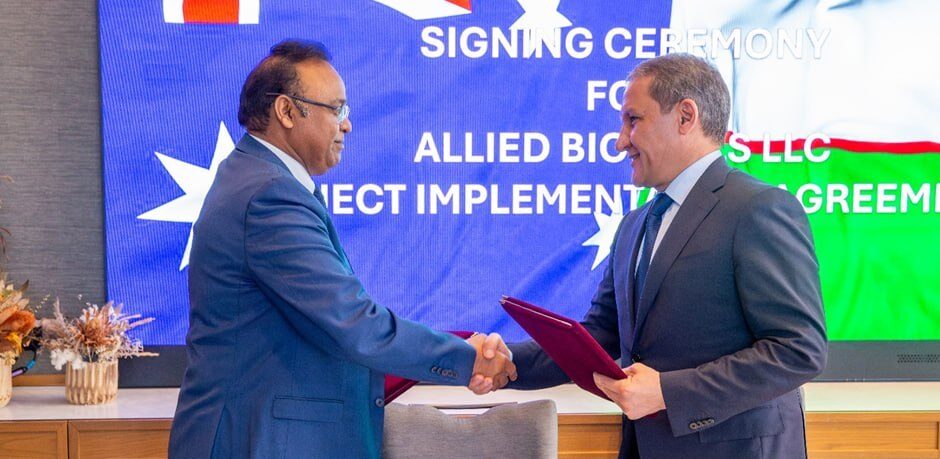
Uzbekistan has announced a major step toward developing large-scale clean energy infrastructure with the signing of a binding implementation agreement for a $6.08 billion biofuel project in the Khorezm region. The Project Implementation Agreement (PIA) was signed between Allied Biofuels FE LLC and the regional government of Khorezm, formalizing plans to build what the developers describe as Central Asia’s first integrated biofuel refinery. The agreement was concluded on April 2 in Perth, Australia, by Khorezm regional governor Jurabek Rakhimov and Alfred Benedict, chairman and general director of Allied Biofuels. According to Allied Biofuels, the project has been granted special economic zone status under a presidential decree, providing tax exemptions and customs incentives aimed at ensuring long-term financial stability and investor confidence. Once completed, the facility is expected to produce sustainable aviation fuel (SAF), electro-synthetic SAF (e-SAF), and green diesel at an industrial scale. Annual output is projected to reach approximately 160,400 tonnes of SAF, 257,000 tonnes of e-SAF, and 5,040 tonnes of green diesel. The refinery will be supported by a large renewable energy system, including battery storage and hydrogen production capacity. The project also incorporates a closed-loop model that converts biogenic carbon dioxide into fuel while using agricultural feedstock as a primary input. Officials say the initiative is designed not only to produce fuel but also to strengthen industrial capacity and introduce advanced technologies. The construction phase alone is expected to generate around 2,000 direct and indirect jobs. Speaking at the signing, Rakhimov said the project would help build a “high value-added industrial chain” in the region and expand export potential. He added that cooperation with Allied Biofuels would support the transfer of advanced green technologies and position Khorezm as “an emerging international hub for green industry.” Benedict described the agreement as “a defining moment” for both the company and the broader clean energy sector. “This project sends an unambiguous message to the global investment community, Uzbekistan is not merely open for business; it is ready to lead,” he said. The project is being developed in partnership with international technology providers, including hydrogen systems supplied by Plug Power. Advisory support for the transaction was provided by Affinity Capital Group.

Uzbekistan to Build Central Asia’s Largest Ethanol Refinery

Allied Biofuels FE LLC and India’s Praj Industries Ltd have signed a Memorandum of Understanding (MOU) to construct what is set to become Central Asia’s largest ethanol refinery in Uzbekistan’s Khorezm region, the companies announced on November 17. Praj will provide first-generation ethanol technology, proprietary equipment, and full-spectrum support, including design, engineering, procurement, and commissioning. The planned facility will produce 890 tonnes of 95% ethanol per day, or approximately 293,700 tonnes annually, using sorghum as the primary feedstock. The plant will also capture biogenic CO₂ generated during the production process. Allied Biofuels intends to convert this ethanol into 160,400 tonnes of Sustainable Aviation Fuel (SAF) and 5,040 tonnes of green diesel each year. Biogenic CO₂ will also be combined with synthesis gas and green hydrogen, produced from 2,000 MW of PEM electrolysers, to generate 257,000 tonnes of Electro-Sustainable Aviation Fuel (e-SAF) annually. The project represents the first phase in establishing Central Asia’s first integrated refinery for SAF, e-SAF, and green diesel. According to the companies, the initiative supports Uzbekistan’s climate objectives and aligns with the goals of the national Net Zero Emissions Office. “This MOU is a landmark moment for Uzbekistan and for Central Asia’s clean-energy future,” said Alfred Benedict, Chairman and Managing Director of Allied Biofuels. “This project will strengthen energy security, reduce emissions, and create long-term economic opportunities for the region.” Praj Industries Chairman Dr. Pramod Chaudhari added, “With our proven expertise and advanced technologies, Praj will help develop the ethanol facility and support Uzbekistan in advancing its sustainability targets.” The investment is expected to generate hundreds of skilled jobs and position Uzbekistan as a regional leader in advanced biofuels. The Times of Central Asia has previously reported on Uzbekistan’s increased emphasis on renewable energy and efforts to attract international clean-technology partnerships.