Central Asia Came to Antalya With a Clearer Voice and a Wider Agenda
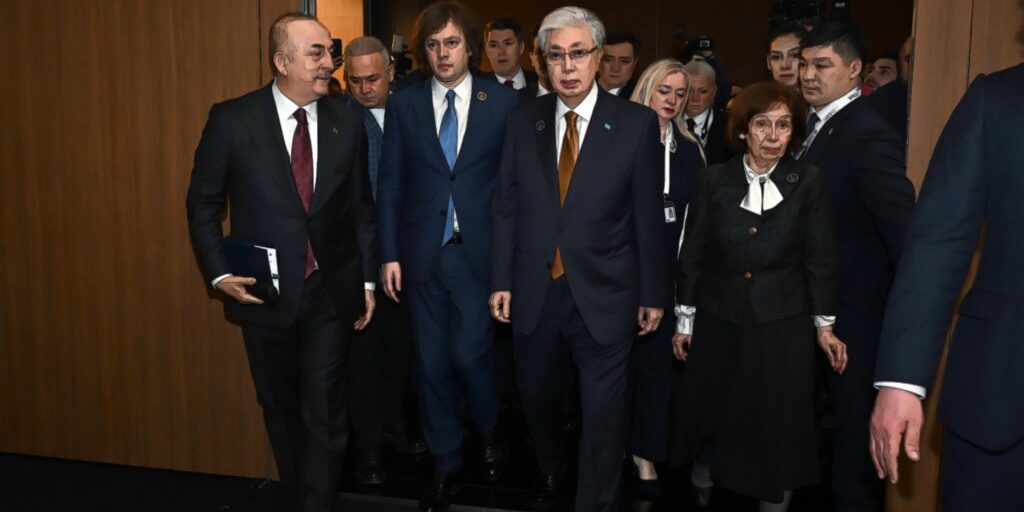
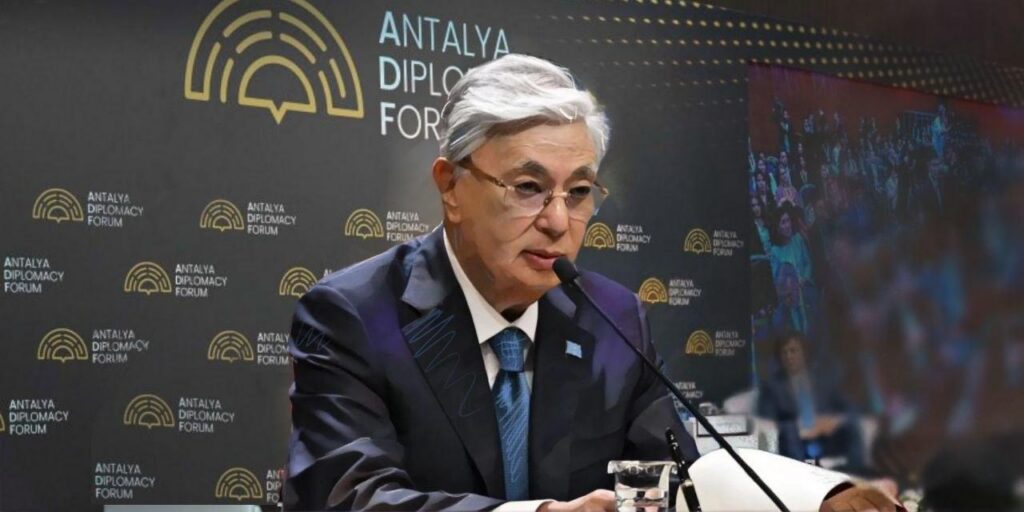
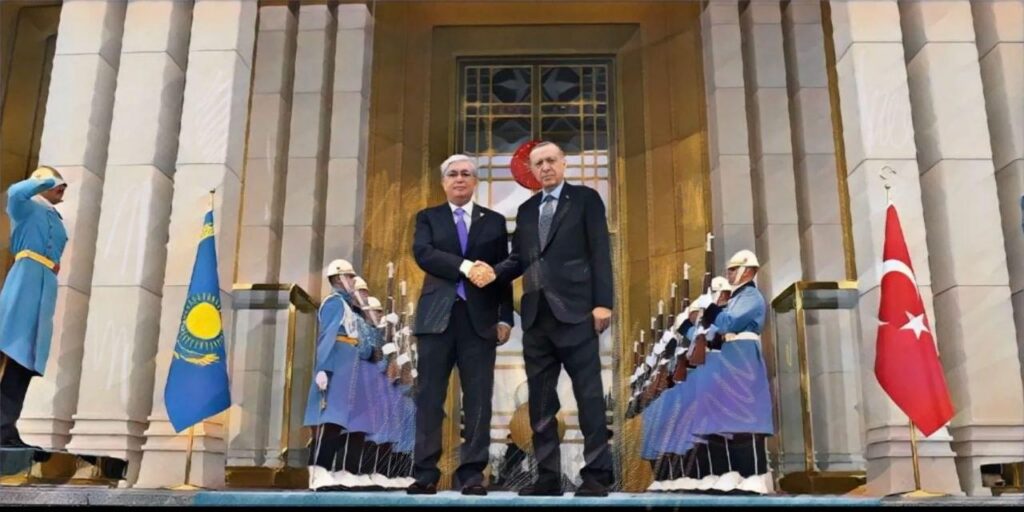
The Antalya Diplomacy Forum, from April 17 to 19, brought together heads of state, foreign ministers, and senior officials at a tense moment in international politics. The official theme, “Mapping Tomorrow, Managing Uncertainties,” reflected the backdrop: war in the Middle East, pressure on trade, and growing doubts about the strength of international institutions. Central Asia did not dominate the gathering, but the region was visible across the program and in the meetings around it. Kazakhstan’s President Kassym-Jomart Tokayev was the highest-profile regional figure in attendance, while Kyrgyzstan sent Foreign Minister Jeenbek Kulubaev, Turkmenistan sent Foreign Minister Rashid Meredov, and Tajikistan sent Deputy Foreign Minister Farrukh Sharifzoda. Uzbekistan was also active through Foreign Minister Bakhtiyor Saidov in meetings held during the forum dates. The strongest Central Asian intervention came from Tokayev. Speaking at a panel session, he said the United Nations remains indispensable, but also made clear that its present structure is failing to keep up with current crises. “We must honestly acknowledge that the Security Council is the central element in the reform of the United Nations,” he said. He also warned that many key negotiations now take place outside the UN system, in separate capitals and closed rooms, rather than through the institution that was built for that purpose. Tokayev framed the problem in practical terms rather than abstract ones. He said global leaders must approach peace and security “with a strong sense of responsibility,” adding that “we must act more responsibly and exercise restraint.” Tokayev also said Kazakhstan calls on all countries involved in the Iran conflict to cease hostilities while keeping the focus on the core issue of nuclear proliferation. His language matched the line Astana has tried to hold for years: avoid escalation, preserve room for dialogue, and keep diplomatic channels open. Tokayev went further when he turned to the role of what he called “middle powers,” naming Kazakhstan and Türkiye among the states that, in his view, show a high degree of responsibility in both diplomacy and practice. He said it would “not be an exaggeration to say that today middle powers often demonstrate a greater degree of responsibility than major powers represented in the Security Council, which, regrettably, often obstruct the resolution of key global issues.” That was one of the sharper lines delivered at the summit. It also showed how Kazakhstan now wants to place itself in the world: not as a passive actor caught between larger powers, but as a state that can help steady an increasingly unstable system. Türkiye was central to that framing. At the start of his remarks, Tokayev praised President Recep Tayyip Erdoğan’s role in the region and said Kazakhstan was looking forward to Erdoğan’s state visit next month. That also reflects a broader trend of closer coordination between Kazakhstan and Türkiye, including in the Trans-Caspian transport route (Middle Corridor) and shifting Caspian dynamics. Uzbekistan approached the summit in Antalya differently. Tashkent did not have a presidential intervention on the main stage, but it used the gathering for...