
• KGS/USD = 0.01144 0%
  • KZT/USD = 0.00204 0%
  • TJS/USD = 0.10585 0%
  • UZS/USD = 0.00008 0%
  • TMT/USD = 0.28490 0%
  • KGS/USD = 0.01144 0%
  • KZT/USD = 0.00204 0%
  • TJS/USD = 0.10585 0%
  • UZS/USD = 0.00008 0%
  • TMT/USD = 0.28490 0%
  • KGS/USD = 0.01144 0%
  • KZT/USD = 0.00204 0%
  • TJS/USD = 0.10585 0%
  • UZS/USD = 0.00008 0%
  • TMT/USD = 0.28490 0%
  • KGS/USD = 0.01144 0%
  • KZT/USD = 0.00204 0%
  • TJS/USD = 0.10585 0%
  • UZS/USD = 0.00008 0%
  • TMT/USD = 0.28490 0%
  • KGS/USD = 0.01144 0%
  • KZT/USD = 0.00204 0%
  • TJS/USD = 0.10585 0%
  • UZS/USD = 0.00008 0%
  • TMT/USD = 0.28490 0%
  • KGS/USD = 0.01144 0%
  • KZT/USD = 0.00204 0%
  • TJS/USD = 0.10585 0%
  • UZS/USD = 0.00008 0%
  • TMT/USD = 0.28490 0%
  • KGS/USD = 0.01144 0%
  • KZT/USD = 0.00204 0%
  • TJS/USD = 0.10585 0%
  • UZS/USD = 0.00008 0%
  • TMT/USD = 0.28490 0%
  • KGS/USD = 0.01144 0%
  • KZT/USD = 0.00204 0%
  • TJS/USD = 0.10585 0%
  • UZS/USD = 0.00008 0%
  • TMT/USD = 0.28490 0%
18 February 2026

Viewing results 1 - 6 of 5

Kazakh Science Ministry Expands Strategic Partnership with AstraZeneca

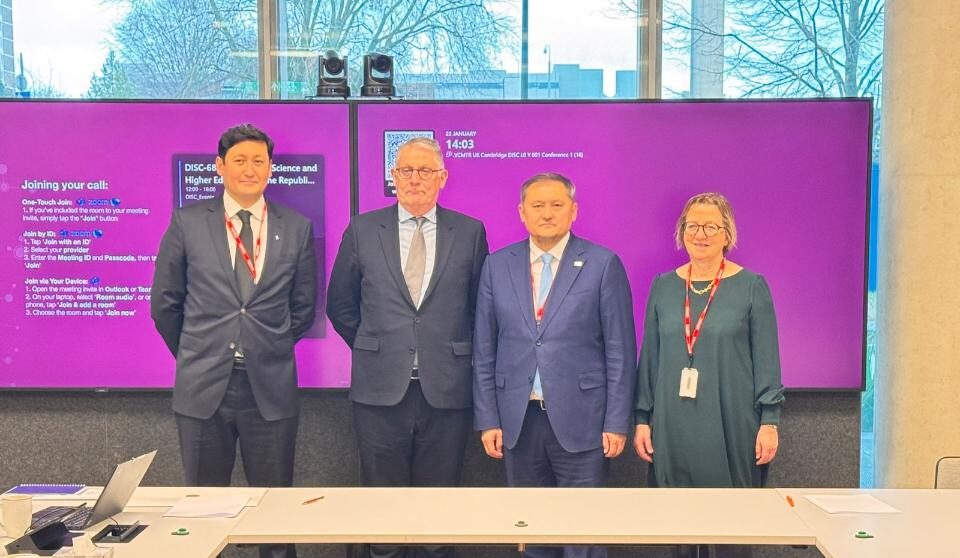
Kazakhstan has entered a new phase of cooperation with British-Swedish pharmaceutical giant AstraZeneca, expanding the partnership beyond healthcare into science, education, and innovation. On January 26, Minister of Science and Higher Education Sayasat Nurbek visited AstraZeneca’s Discovery Centre in Cambridge, the company’s largest global research and innovation hub, where a memorandum of understanding was signed with AstraZeneca Kazakhstan. According to the ministry, the agreement paves the way for new areas of collaboration aimed at strengthening national scientific capacity, introducing advanced medical technologies, and enhancing the long-term sustainability of Kazakhstan’s healthcare system. The partnership will focus on several strategic areas: Real-World Data (RWD) and Real-World Evidence (RWE): Development of advanced data analytics tools to support scientific research, clinical decision-making, and evidence-based healthcare policy. Expansion of the Young Health Program: Prevention of non-communicable diseases among youth and the promotion of responsible health behaviors. Sustainable Development and Economic Diversification: Joint initiatives in environmental protection, green technologies, and sustainable business practices. Early Diagnosis and Healthcare Resilience: Implementation of modern screening methods, specialist training, and development of diagnostic infrastructure. Nurbek highlighted that the memorandum creates new opportunities to integrate research, education, and real-world clinical practice. “It is important not only to develop fundamental science, but also to ensure the transfer of advanced technologies and data into everyday medical practice. This partnership strengthens Kazakhstan’s scientific and biomedical potential,” he said. AstraZeneca has steadily expanded its operations in Kazakhstan in recent years. In April 2024, the Ministry of Healthcare, the Almaty city administration, national investment agency Kazakh Invest, and AstraZeneca signed an agreement on the contract manufacturing of biotechnological products. The initiative supports Kazakhstan’s strategic goal of increasing the share of domestically produced medicines to 50%. In July 2024, AstraZeneca and the state pharmaceutical distributor SK-Pharmacy signed a long-term agreement on local production and technology transfer. According to Maria Shipuleva, CEO of AstraZeneca Kazakhstan, the company’s innovative medicines will be produced at the Nobel Almaty Pharmaceutical Factory. The production portfolio includes treatments for diabetes, chronic heart failure, chronic kidney disease, multiple forms of leukemia, and cancer therapies for breast, ovarian, prostate, and pancreatic cancers.

Kazakhstan Attracts British Agricultural Technologies

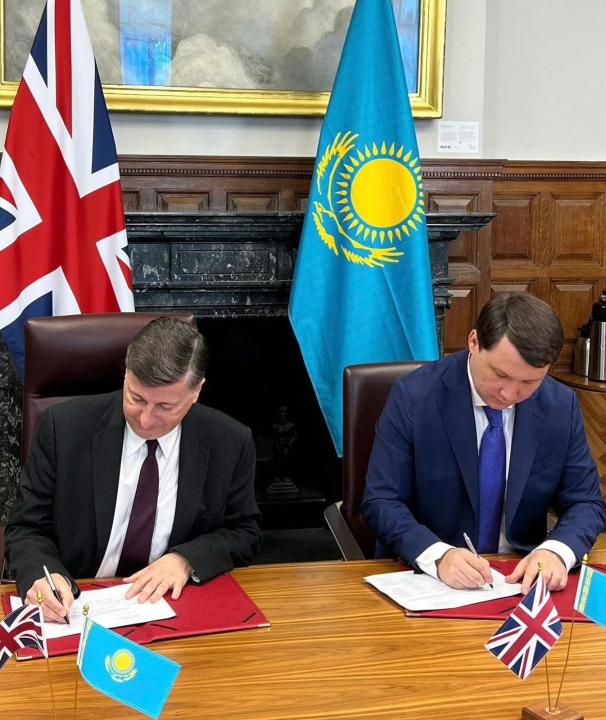
Kazakhstan and the United Kingdom have signed a roadmap for cooperation in agriculture, paving the way for partnerships in agricultural science, the export and processing of agricultural products, and the transfer of British agricultural technologies. According to the Kazakh Ministry of Agriculture, the two countries also signed memorandums of understanding on collaboration in water resource management and the production of biopharmaceuticals in Kazakhstan in partnership with AstraZeneca. These agreements were concluded during the 11th meeting of the Kazakhstan-UK Intergovernmental Commission on Trade and Economic Cooperation, held in London last week. Deputy Minister of Agriculture Ermek Kenzhekhanuly stated that the introduction of British technologies and investment would enhance the competitiveness of Kazakhstan’s agro-industrial sector and improve its resilience to climate change. "In 2024, agricultural trade between Kazakhstan and the UK totaled $50 million. We intend to significantly increase this figure," he said. At the meeting, Deputy Minister of Foreign Affairs Alibek Kuantyrov, who headed the Kazakh delegation, emphasized the UK's strategic role: “The UK is one of Kazakhstan’s key trading partners and top investors, with total FDI (Foreign Direct Investment) exceeding $22 billion. We greatly value the UK’s contribution to the development of Kazakhstan’s key industries and are committed to building a next-level partnership, focused on investment, technology, and knowledge transfer.” The Strategic Partnership and Cooperation Agreement signed between the two countries last year has opened new avenues for collaboration in critical minerals, green energy and climate initiatives, transport and logistics, pharmaceuticals and healthcare, education, and financial services.

AstraZeneca Manufacture of Medicines in Kazakhstan

On July 2, the British-Swedish pharmaceutical giant AstraZeneca and Kazakhstan’s SK-Pharmacy signed a long-term contract for the establishment of production and technology transfer in Kazakhstan, and the direct supply of original patented medicines manufactured in Kazakhstan by SK Pharmacy. "Today, SK-Pharmacy and I signed an important agreement that reflects our company's plans to produce medicines in Kazakhstan,” said Maria Shipuleva, CEO of AstraZeneca in Kazakhstan. “AstraZeneca's innovative drugs will be produced at the site of a domestic manufacturer, Nobel Almaty Pharmaceutical Factory JSC. In particular, it is planned to contract the production of drugs for the treatment of diabetes mellitus, chronic heart failure, chronic kidney disease, for the treatment of chronic lymphocytic leukemia and mantle cell lymphoma, for the treatment of ovarian cancer, breast cancer, prostate cancer, pancreatic cancer, as well as for the treatment of non-small cell lung cancer. We hope that our activities within the framework of a long-term agreement with SK–Pharmacy will help further develop the country's healthcare system and, most importantly, improve the quality of life of our Kazakhstani patients.” Yerzhan Yelekeyev, Chairman of the Management Board of Kazakh Invest, commented that the long-term agreement between AstraZeneca and SK-Pharmacy LLP will provide a positive impetus to implementing an investment project for the contract production of biotechnological drugs in Kazakhstan.
