Viewing results 1 - 6 of 31
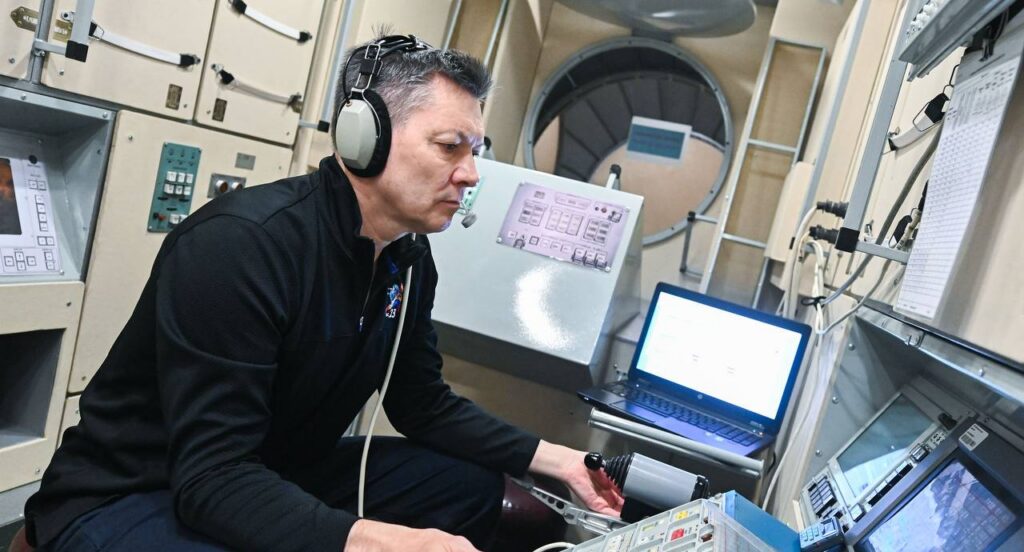
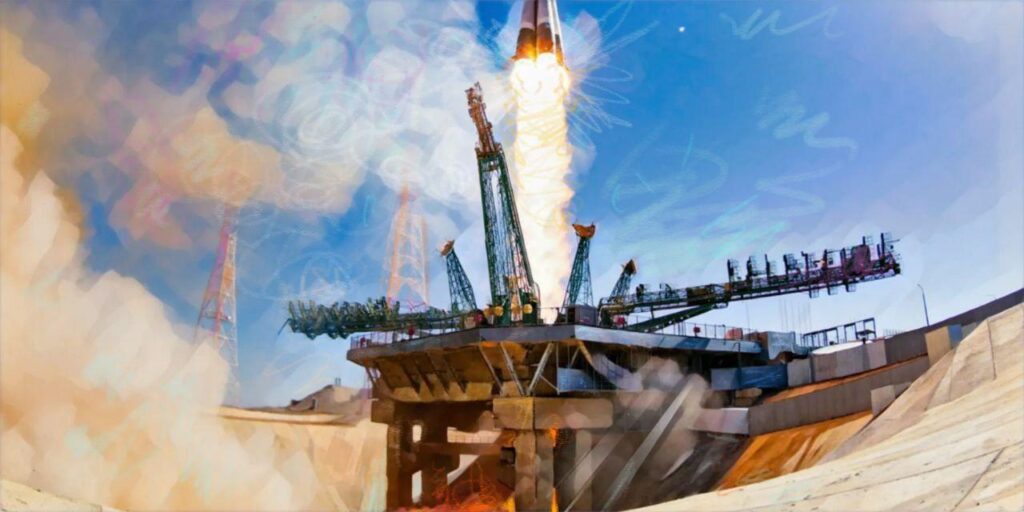
A Russian cosmonaut on the International Space Station conducted a manual docking of an arriving cargo spacecraft on Tuesday, two days after the craft lifted off from the Baikonur Cosmodrome in Kazakhstan. The docking would normally be an automatic process, but the Russian space agency Roscosmos had said that an antenna used in that process remained unfolded after the uncrewed Progress MS-33 cargo ship launched on a Soyuz-2.1a rocket on Sunday. Troubleshooting efforts during the journey to the space station, or ISS, failed to fix the problem. On board the space station, cosmonaut Sergey Kud-Sverchkov used a joystick during the manual docking. A live video feed on the NASA website showed that the procedure went smoothly as the cargo ship slowed down and approached its docking port on the Russian segment of the ISS. “Well done, congratulations on your successful work!” Roscosmos said on Telegram. A NASA commentator said the docking process occurred as the space station and cargo spacecraft flew about 400 kilometers over the border between Kazakhstan and Mongolia. The Progress MS-33 had launched from a key Baikonur launch pad that was repaired and used for the first time since it was damaged in a lift-off in November. It carried about 2.7 tons of food, fuel and other supplies to the International Space Station.
An unmanned spacecraft has launched from the Baikonur Cosmodrome in Kazakhstan, marking the first take-off from a key launch pad that was damaged in November. The Progress MS-33 spacecraft is carrying nearly three tons of food, fuel and other supplies for the International Space Station, where docking is scheduled to occur on Tuesday. An antenna used to ensure automatic docking with the space station remained unfolded after the cargo ship launched on a Soyuz-2.1a rocket on Sunday, according to Roscosmos, the Russian space agency. As a result, cosmonaut Sergei Kud-Svichkov, who is on board the space station, will conduct a manual docking of the approaching spacecraft, it said. Cosmonauts regularly train for such manual approaches. Roscosmos had said the launch on Sunday would be the first from Baikonur’s “launch complex No. 31 after its reconstruction — the main platform for the Russian space program.” A spacecraft that launched in November with two Russian cosmonauts and one NASA astronaut safely reached the International Space Station, but damage to the launch pad raised concerns about delays in the resupply of the station. Supplies on the cargo ship currently heading to the space station include fuel, drinking water, food rations, equipment for repairs and maintenance, oxygen, and medical supplies. The craft will remain docked to the station for about six months “before departing for a destructive re-entry into Earth’s atmosphere to dispose of trash loaded by the crew,” NASA said. The U.S. space agency noted that another Russian spacecraft had undocked from the station on March 16, “re-entered Earth’s atmosphere, and burned up harmlessly over the Pacific Ocean.”
Russia’s space agency Roscosmos says a Baikonur Cosmodrome launch pad that was damaged during the lift-off of a crewed spacecraft in late November is being repaired and will be ready to resume operations at the end of February next year. “The manned program continues,” Roscosmos said following two weeks of speculation about the impact of delays on crewed flights from the leased Baikonur facility in Kazakhstan. If Russia meets its repair schedule, it would beat some predictions that said the launch pad might not back in operation for up to two years. More than 130 Roscosmos employees, working in two shifts from 8 a.m. to midnight, and 18 heavy vehicles are involved in replacing a service cabin that was damaged in the launch of the Soyuz MS-28 craft that took two Russian cosmonauts and one American astronaut to the International Space Station, the agency said on Monday. “Work has begun on priming and painting the cabin parts. As they become ready, they will be transported to the launch pad. Some of the equipment is already there,” Roscosmos said. “After priming and painting the parts, specialists will begin installing the cabin and conducting autonomous tests.” Space journalists and analysts said the previous mobile service platform was not properly secured during the November launch and collapsed into a flame duct below the launch pad. A cargo flight to the International Space Station had been scheduled for this month from Baikonur but was delayed after the mishap.
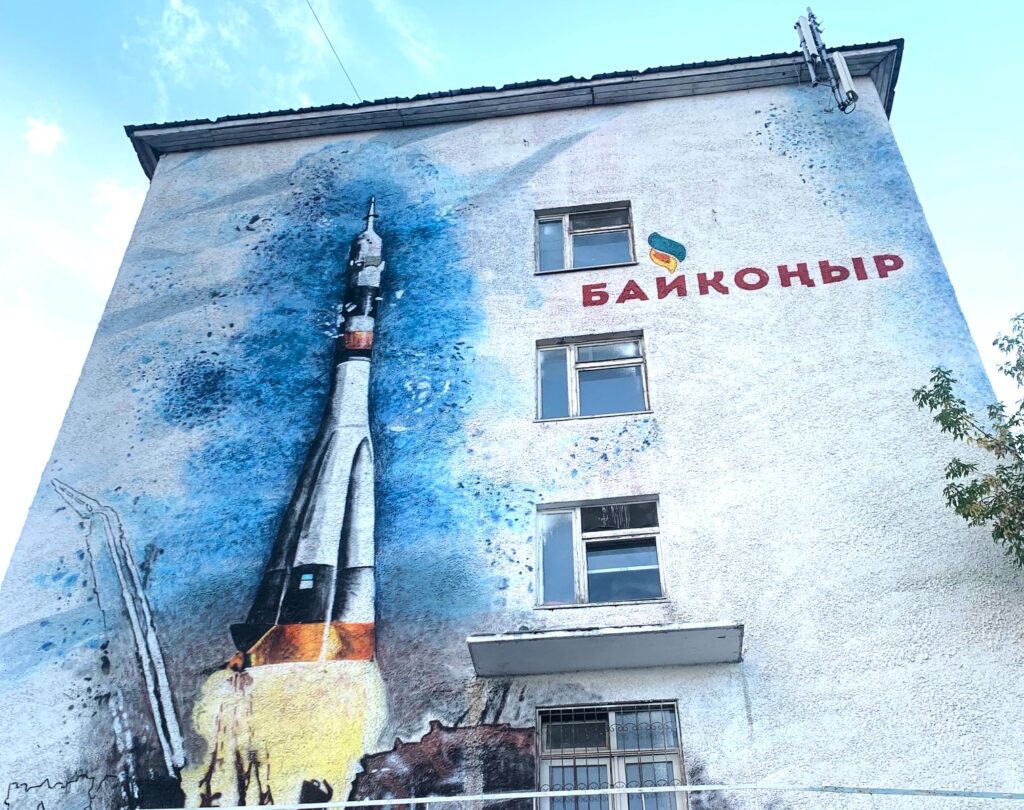
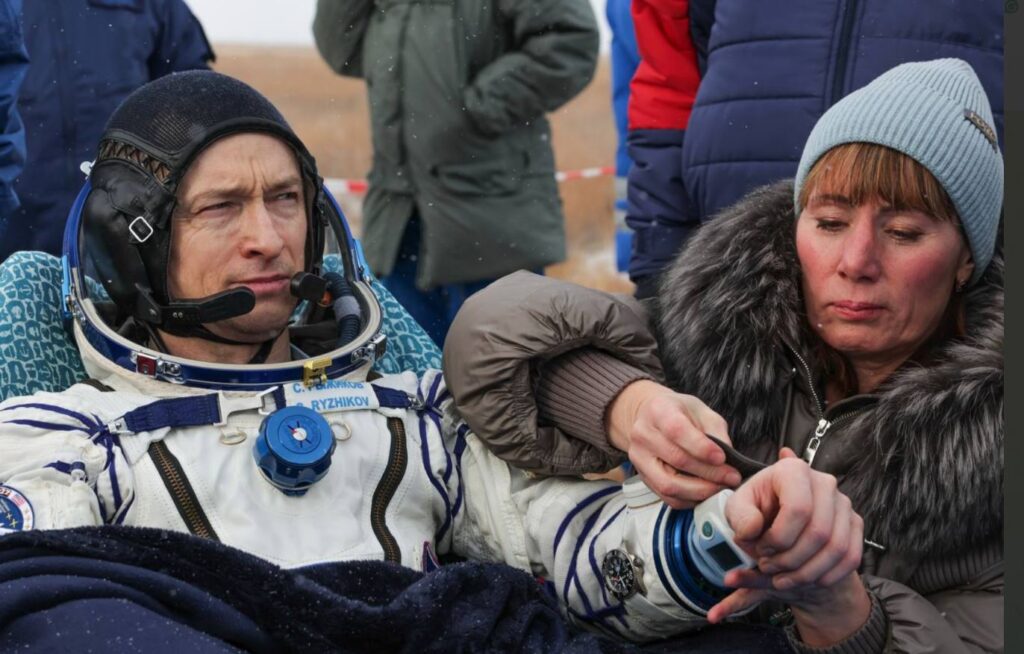
An American astronaut and two Russian cosmonauts landed in Kazakhstan on Tuesday after leaving the International Space Station, or ISS, in a Soyuz MS-27 spacecraft, ending an eight-month stay in space. NASA´s Jonny Kim and Sergey Ryzhikov and Alexey Zubritsky of Roscosmos, the Russian space agency, made the parachute-assisted landing in the steppes southeast of Zhezkazgan, in the central part of the country. “Early in the morning, they were on the ISS, and now they are on Earth,” Roscosmos said on Telegram. “Over the course of 245 days in space, the crew orbited Earth 3,920 times, traveling nearly 104 million miles,” NASA said. “They launched to the space station on April 8. This mission marked the first spaceflight for both Kim and Zubritsky, while Ryzhikov completed his third journey to space, logging a total of 603 days in space.” [caption id="attachment_40649" align="aligncenter" width="1307"] Image: Roscosmos[/caption] Kazakhstan’s Ministry of Foreign Affairs welcomed the safe landing and congratulated the three men on completing their mission aboard the International Space Station. The men conducted a number of scientific experiments on the station. “Kazakhstan remains a trusted partner in international space cooperation, providing essential infrastructure and conditions that support safe and successful human spaceflight,” the ministry said. The Baikonur Cosmodrome in Kazakhstan is a mainstay of the Russian space program.
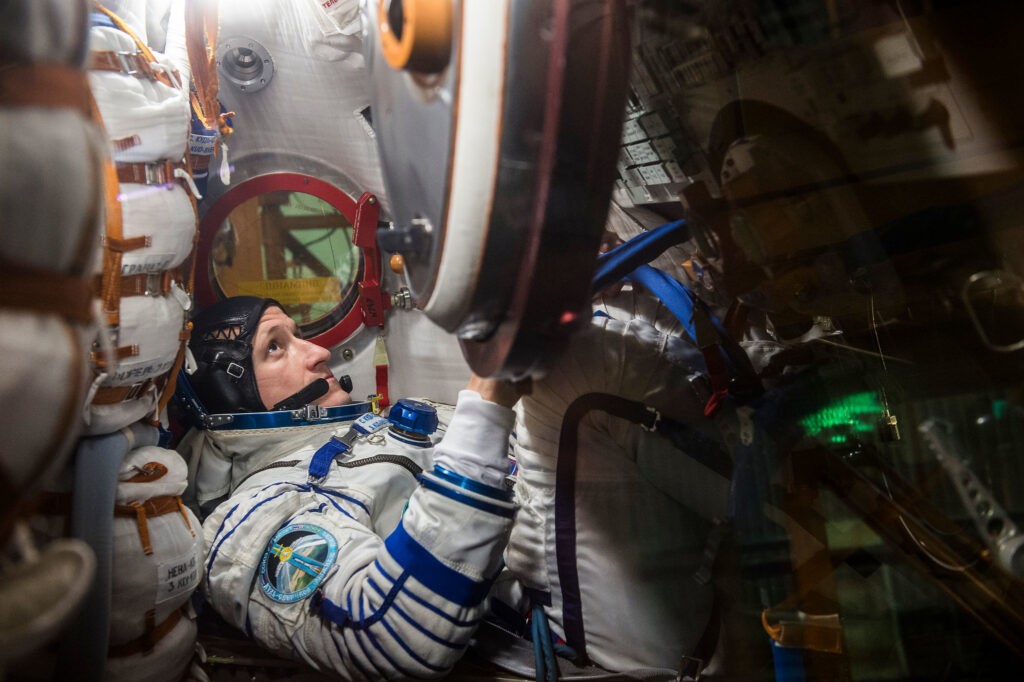
Russia’s space agency has confirmed that a launch pad at the Baikonur Cosmodrome in Kazakhstan was damaged during the liftoff of a Soyuz spacecraft that carried three crew to the International Space Station, raising questions about the near-term launch schedule at the site that Russia has relied on for more than six decades. Roscosmos reported that the Soyuz MS-28 mission lifted off from Baikonur on November 26 and reached orbit without problems. The spacecraft carried Russian cosmonauts Sergey Kud-Sverchkov and Sergey Mikayev, and NASA astronaut Christopher Williams. The crew docked with the station about three hours later. Roscosmos said in a statement on its official Telegram channel that the crew was healthy and the spacecraft worked as planned. Soon after the launch, engineers inspected Launch Pad 31/6, which served as the departure point for the flight. The agency said the inspection found damage to several structural elements on the pad and that repair work would start soon. Roscosmos said all required parts were on hand and the pad would be restored in the near future. Both The Moscow Times and Russian state media, including RIA Novosti, reported that the pad sustained damage but did not identify specific components. Roscosmos confirmed that “damage to several elements of the launch pad was detected.” Independent analysts have stated the damage might be more serious than Roscosmos has suggested, with Anatoly Zak, who publishes technical assessments of Russian space activity at RussiaSpaceWeb, reporting that a mobile service platform may have collapsed into the flame trench below the pad during or shortly after liftoff. Zak noted that the available launch pad for Russian crew missions might be unusable until engineers confirm the structure’s stability, and that it was unclear how soon crews or cargo could fly from Baikonur if the pad requires major work. Roscosmos has not confirmed a collapse of the platform, and it has not provided further details about the condition of the pad. The agency said the accident did not affect the MS-28 mission itself, which it described as nominal. But any impact on the pad is notable because Russia depends on Baikonur for its Soyuz crew launches. Russia leases the site from Kazakhstan through 2050 and continues to use its Soviet-era pads because Vostochny Cosmodrome in Russia’s Far East is not yet certified for crew flights. Russian outlets noted that future launches could face adjustments, but none reported a confirmed delay of a Progress mission. Roscosmos has neither confirmed the schedule nor said whether that mission will move to a later date. NASA has not issued a public statement about the status of joint operations after the incident. Russia and the United States continue to exchange seats on Soyuz and SpaceX vehicles under a 2022 agreement that allows both sides to maintain a sustained presence on the International Space Station. NASA has said the arrangement reduces risk because each side can reach the station even if one spacecraft type is grounded for technical reasons. The new damage at Baikonur highlights the...
Russia’s space agency says a launch pad at Baikonur Cosmodrome in Kazakhstan was damaged during the lift-off of a Soyuz spacecraft that ferried three people to the International Space Station on Thursday. The agency, Roscosmos, said the launch pad will soon be repaired. But some analysts say the incident could lead to launch delays at Baikonur, which Russia periodically uses to send its cosmonauts as well as American astronauts to the space station. In the latest mission from Baikonur, the Soyuz MS-28 craft safely delivered Russian cosmonauts Sergey Kud-Sverchkov and Sergey Mikayev, as well as Christopher Williams of NASA, to the station. “The space launch vehicle took off normally, without any issues. The spacecraft successfully docked with the International Space Station. The crew is on board and feeling well,” Roscosmos said on Telegram. “An inspection of the launch site was conducted, as is done every time after a rocket launch. Damage to several elements of the launch pad was identified,” the agency said. It added: “All necessary spare parts are available for restoration, and the damage will be repaired in the near future.” Quoting unidentified Russian sources, space writer Anatoly Zak said that a mobile service platform had collapsed into a flame duct below the launch pad, making the only facility for Russian orbital crew launches unusable for now. He said it was unclear whether a makeshift solution could be found to offset any delay in cargo and crew launches. A cargo flight had been scheduled for December. Crewed flights have long traveled from the United States to the International Space Station. But any significant disruption to Russia’s launch capabilities would be a setback for the station, which is scheduled to be decommissioned around 2030.