• KZT/USD = 0.00223
  • TJS/USD = 0.10800
  • UZS/USD = 0.00009
  • TMT/USD = 0.29760
  • KZT/USD = 0.00223
  • TJS/USD = 0.10800
  • UZS/USD = 0.00009
  • TMT/USD = 0.29760
  • KZT/USD = 0.00223
  • TJS/USD = 0.10800
  • UZS/USD = 0.00009
  • TMT/USD = 0.29760
  • KZT/USD = 0.00223
  • TJS/USD = 0.10800
  • UZS/USD = 0.00009
  • TMT/USD = 0.29760
  • KZT/USD = 0.00223
  • TJS/USD = 0.10800
  • UZS/USD = 0.00009
  • TMT/USD = 0.29760
  • KZT/USD = 0.00223
  • TJS/USD = 0.10800
  • UZS/USD = 0.00009
  • TMT/USD = 0.29760
  • KZT/USD = 0.00223
  • TJS/USD = 0.10800
  • UZS/USD = 0.00009
  • TMT/USD = 0.29760
  • KZT/USD = 0.00223
  • TJS/USD = 0.10800
  • UZS/USD = 0.00009
  • TMT/USD = 0.29760
20 September 2026

Viewing results 1 - 6 of 20

Security Risks Around Kazakhstan’s Oil Exports Ripple Through European Markets

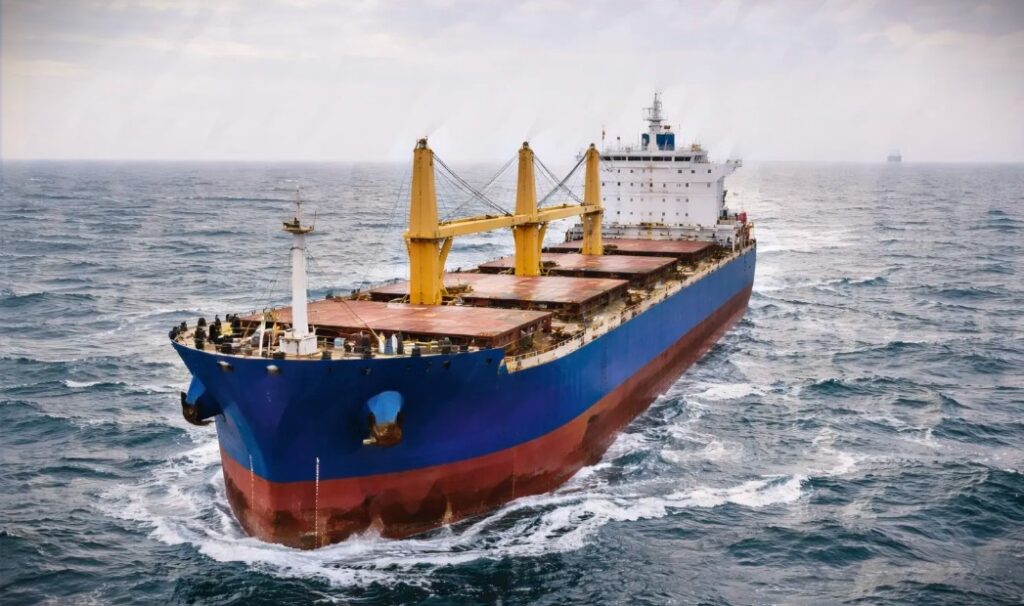
Europe’s oil market is becoming increasingly exposed to disruption as security risks rise along export routes used by Kazakhstan, which the European Union has long viewed as a reliable alternative to Russian supply. The risks extend far beyond Ukraine itself. “Russia continues escalating its attacks and targeting civilians and civilian infrastructures,” an EU spokesperson told The Times of Central Asia. “Russia’s brutal and unacceptable attacks have left people without hot water, heating and electricity in the current weather conditions. Russia’s war of aggression has also severely impacted Black Sea maritime security, including through its use of shadow fleet vessels to circumvent international sanctions, and the persistent attacks on civilian and port infrastructure in Ukraine. On the other hand, Ukraine has accepted an unconditional ceasefire in March 2025. It shows that Russia does not want peace. The EU and the entire international community need to put pressure on Russia to stop its war. “Kazakhstan plays a crucial role for Europe’s energy security and has been for years a reliable partner in diversifying energy sources and ensuring a stable supply for European markets. More than 12% of all the oil imported by the EU comes from Kazakhstan, contributing to the diversification of energy sources and reducing dependency on a limited number of suppliers. The continuous and safe functioning of the supply chain is hence key also for Europe. “Maritime safety and security in the Black Sea is a fundamental component of the new EU strategic approach to the region, adopted in May 2025. The Black Sea is a critical connector between Europe, the Southern Caucasus, Central Asia and the Eastern Mediterranean. Ensuring maritime security and safety in this region is vital not only for the littoral States but also for broader European interests and for many partner countries, as it supports trade flows, sustainable supply chains and enhanced connectivity.” Kazakhstan produced roughly 1.8 million barrels per day in 2024 and exported the bulk of that volume. More than 80% of its crude exports move through the Caspian Pipeline Consortium, or CPC, which links oil fields in western Kazakhstan to Russia’s Black Sea port of Novorossiysk. From there, tankers ship the oil mainly to European refiners. Under normal conditions, the pipeline carries roughly 1.3 million barrels per day, making it one of the most important single supply routes for non-Russian crude entering Europe. Recent events have shown how sensitive European markets are to any disruption along that corridor. On January 14, Bloomberg reported that oil prices in Europe strengthened after shipments of CPC Blend fell short of expectations. Traders cited reduced availability of the light, low-sulfur crude, which is favored by European refiners, forcing buyers to seek alternative grades at higher prices. Despite the recent tightening, traders say the market has so far absorbed disruptions without severe shortages, reflecting high inventories and flexible refinery operations, though that buffer could narrow if attacks persist. That supply pressure followed a series of security incidents in the Black Sea, where commercial shipping and port infrastructure have...

Attacks on Tankers in the Black Sea Raise Risks for Oil Markets and Kazakhstan’s Exports

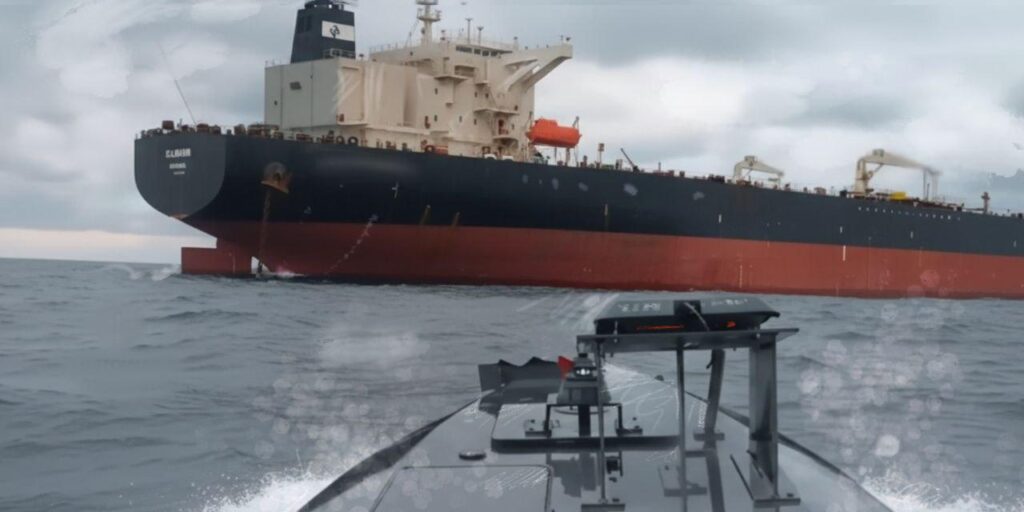
Recent drone attacks on the Delta Harmony and Matilda oil tankers in the Black Sea have added to the growing geopolitical risks facing the global oil market. Both tankers were awaiting loading to transport Kazakh crude via the Caspian Pipeline Consortium (CPC), which operates through the Novorossiysk port in southern Russia. The attacks have placed renewed attention on the exposure of Western energy majors operating in Kazakhstan, particularly Chevron, a key stakeholder in CPC-linked exports. “We are aware of reports of incidents involving vessels inbound to CPC loading facilities, including one Chevron-chartered tanker,” Chevron spokesperson Sally Jones told The Times of Central Asia. “All crew are safe, and the vessel has now reached a safe location. We are coordinating with the ship operator and relevant authorities. The safety of personnel and the protection of the environment remain our top priorities. There has been no impact on TCO operations or exports. Chevron continues to closely monitor the situation, and we refer all further inquiries to CPC.” According to Kazakhstan’s Ministry of Energy, export volumes were unaffected. The fact that attacks occurred near a key export hub has, however, deepened concerns among market participants over the security of regional oil infrastructure. The country's Ministry of Foreign Affairs added in a statement: "We emphasize that the Republic of Kazakhstan is not a party to any armed conflict, makes a significant contribution to strengthening global and European energy security, and ensures uninterrupted energy supplies in full compliance with established international standards." Reuters, citing unnamed sources, reported that up to three vessels may have been struck, suggesting a broader and potentially escalating threat to maritime safety in the area. The latest incidents follow a series of security-related disruptions in and around the Black Sea and Caspian regions that The Times of Central Asia has previously reported on, including attacks on energy and transport infrastructure linked to regional export routes. While earlier incidents did not result in prolonged outages, they have steadily heightened concerns among industry participants over the vulnerability of critical energy corridors. The CPC is a vital artery for Kazakhstan’s oil industry. More than 80% of the country’s crude exports, including output from major fields like Tengiz and Karachaganak, flow through this route. Disruptions in the Novorossiysk area could quickly affect shipping timetables, freight and insurance rates, and, ultimately, global oil prices. Some analysts warn that these repeated incidents near the CPC expose Kazakhstan’s strategic vulnerabilities, forcing markets to price in a “geopolitical premium.” More significantly, interruptions in oil product flows could have domestic political consequences, potentially prompting a reconfiguration of Kazakhstan’s political timetable. “The situation involving the CPC, the Orenburg Gas Processing Plant, and reported attempted attacks on the Central Asia-Center gas pipeline, used to transport Russian gas through Kazakhstan, could significantly destabilize the country’s economy,” wrote oil and gas analyst Olzhas Baidildinov on his personal Telegram channel. He added that, in his view, it could become politically rational either to accelerate elections in anticipation of further instability or to delay them until...