Kazakhstan Oil Output Falls 21% as CPC Halt More Than Halves Tengiz Production
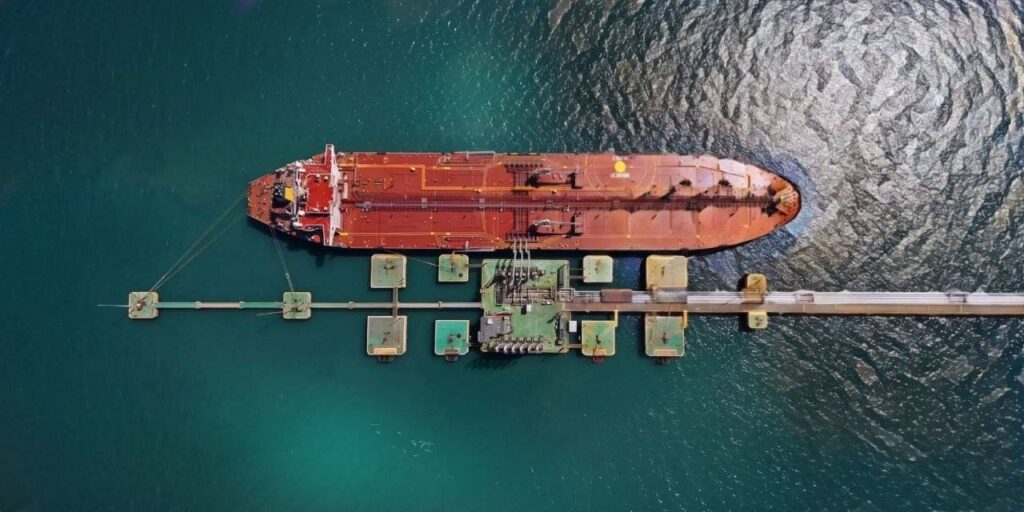
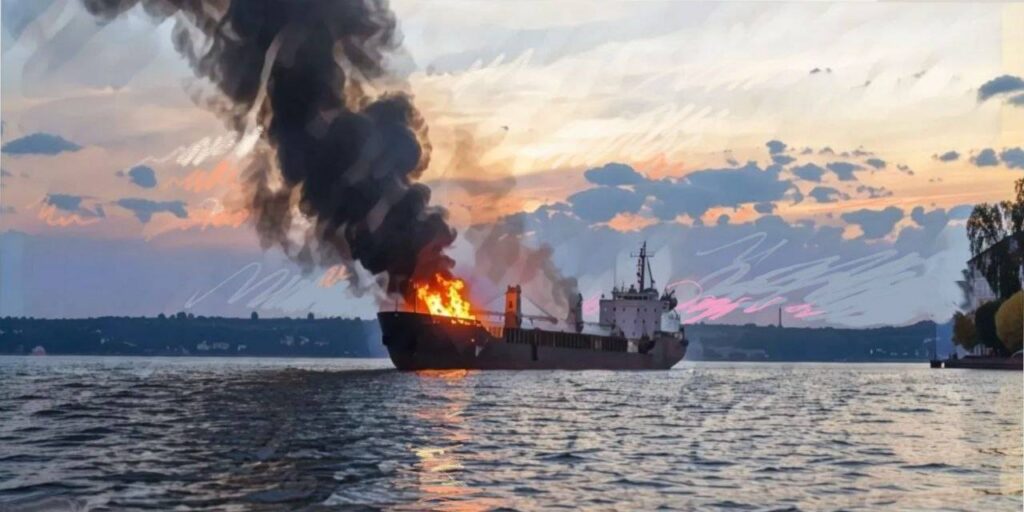
Kazakhstan's oil and gas condensate output fell by about 21% on July 22 after the Caspian Pipeline Consortium stopped receiving Kazakh crude and suspended loadings at its Black Sea terminal. Output dropped to 1.63 million barrels per day from a July average of 2.07 million, Reuters said, citing an industry source. The sharpest reduction came at Tengiz, Kazakhstan's largest oilfield. Production fell by 56%, from an average 925,000 barrels per day in July to about 406,000 on Wednesday, reflecting how quickly a halt at Novorossiysk can force cuts at a field more than 1,500 kilometres away. Kazakhstan's Energy Ministry confirmed the reduction, stating that producers had cut output because CPC had restricted intake and their storage tanks were nearing capacity. "The adjustment was a technical measure intended to keep production operations stable," the ministry said. It added that CPC’s production facilities remained operational and could resume shipments when conditions allowed. Consultations were continuing with the consortium, producers, shipowners, and state agencies. No timetable was given. Tengiz Bears the Brunt Chevron began production from the $48 billion Future Growth Project in January 2025. The expansion was designed to add 260,000 barrels of crude per day and raise total Tengiz output to about one million barrels of oil equivalent per day at full capacity. Chevron owns 50% of Tengizchevroil, while ExxonMobil holds 25%, KazMunayGas 20%, and Lukoil 5%. The field provides a large share of Kazakhstan's oil production and export income. After the tanker ASIA was struck on July 19, Chevron told The Times of Central Asia that the crew was safe and the vessel was stable. "There has been no impact to TCO operations or exports," the company said. However, by July 22, the export halt had forced cuts at Tengiz. Chevron did not immediately comment on the new production figures cited by Reuters. The cut compounds a difficult year for the sector. Kazakhstan produced 45.7 million tonnes of oil in the first half of 2026, down 8.4% from a year earlier. The Energy Ministry still expects 98 million tonnes for the full year, after lowering its previous target because of Tengiz outages and earlier CPC disruption. Kazakhstan's OPEC+ crude quota rose to 1.608 million barrels per day for July. The national output figure includes gas condensate and cannot be compared directly with the crude allocation. The latest reduction removes barrels Kazakhstan intended to export. The timing adds to the revenue loss. Brent rose above $100 on July 23 after attacks on Saudi tankers in the Red Sea added to disruption around the Strait of Hormuz. Tanker Attacks Halt CPC Loadings The production cuts followed a series of attacks on tankers near CPC's marine terminal. The Chevron-chartered Yasa Polaris was hit on July 7 while empty and waiting offshore. Its crew was safe, and no pollution or major hull damage was reported. Nordic Zenith was struck on July 17 while empty and approaching the terminal. ASIA and NISSOS IOS were hit on July 19 while loading Kazakhstan-produced crude. Loading briefly resumed...