• KGS/USD = 0.01144 0%
  • KZT/USD = 0.00206 0%
  • TJS/USD = 0.10760 -0.46%
  • UZS/USD = 0.00008 0%
  • TMT/USD = 0.28571 0%
  • KGS/USD = 0.01144 0%
  • KZT/USD = 0.00206 0%
  • TJS/USD = 0.10760 -0.46%
  • UZS/USD = 0.00008 0%
  • TMT/USD = 0.28571 0%
  • KGS/USD = 0.01144 0%
  • KZT/USD = 0.00206 0%
  • TJS/USD = 0.10760 -0.46%
  • UZS/USD = 0.00008 0%
  • TMT/USD = 0.28571 0%
  • KGS/USD = 0.01144 0%
  • KZT/USD = 0.00206 0%
  • TJS/USD = 0.10760 -0.46%
  • UZS/USD = 0.00008 0%
  • TMT/USD = 0.28571 0%
  • KGS/USD = 0.01144 0%
  • KZT/USD = 0.00206 0%
  • TJS/USD = 0.10760 -0.46%
  • UZS/USD = 0.00008 0%
  • TMT/USD = 0.28571 0%
  • KGS/USD = 0.01144 0%
  • KZT/USD = 0.00206 0%
  • TJS/USD = 0.10760 -0.46%
  • UZS/USD = 0.00008 0%
  • TMT/USD = 0.28571 0%
  • KGS/USD = 0.01144 0%
  • KZT/USD = 0.00206 0%
  • TJS/USD = 0.10760 -0.46%
  • UZS/USD = 0.00008 0%
  • TMT/USD = 0.28571 0%
  • KGS/USD = 0.01144 0%
  • KZT/USD = 0.00206 0%
  • TJS/USD = 0.10760 -0.46%
  • UZS/USD = 0.00008 0%
  • TMT/USD = 0.28571 0%

Viewing results 1 - 6 of 4

Kyrgyzstan’s Armed Forces Double in Size Amid Rising Defense Spending

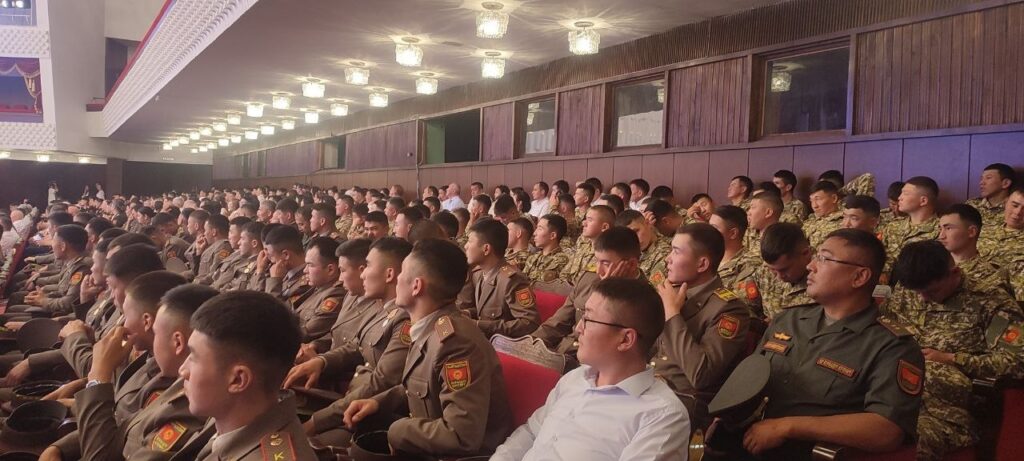
Kyrgyzstan’s armed forces have roughly doubled in size since 2018 amid a sharp increase in defense spending, military rearmament, and improved social benefits for service personnel, according to General Staff chief Tariel Otonbaev. On May 29, Kyrgyzstan marked the 34th anniversary of the establishment of its national armed forces. Speaking at the anniversary event, Chairman of the Cabinet of Ministers Adylbek Kasymaliev said the development of the country’s modern military had been shaped by the armed incursions in the Batken region in 1999-2000 and the border conflict with Tajikistan in 2022. In an interview with The Times of Central Asia, Otonbaev said today’s military differs significantly from the force that existed five or ten years ago. “Over the past five years, military funding has increased by 300%. Today, approximately 2% of the country’s GDP is allocated to defense. Most importantly, interest among young people in military service has grown,” he said. According to Otonbaev, some military units faced shortages of contract personnel of between 30% and 40% just a few years ago. Today, staffing levels among contract soldiers exceed 95%. Otonbaev also highlighted improvements in living conditions for military personnel. More than 900 service members are expected to receive housing this year, while others receive monthly government compensation for rental costs ranging from $170 to $205. Food standards have also improved, he said. The daily caloric intake provided to service members has increased from 1,800 to 4,800 calories, while the range of food products available has been expanded. “The state has begun fulfilling its social obligations. Arms procurement has become systematic, and today the military is fully supplied with the equipment and weapons it needs,” Otonbaev said. According to General Staff data, Kyrgyzstan’s armed forces now number approximately 23,000 personnel, compared with about 11,000 in 2018. In addition, roughly 300,000 citizens are registered as reservists. The country’s military budget has reached $654 million. Otonbaev said the armed forces are closely studying lessons from modern conflicts and adapting training programs to new forms of warfare. Specialized units within the military analyze emerging trends and oversee their incorporation into force development and training. Particular attention is being paid to unmanned systems. According to Otonbaev, modern warfare has been transformed by the widespread use of drones and artificial intelligence technologies. Kyrgyzstan acquired its first combat drones in late 2021, purchasing Turkish-made Bayraktar TB2 unmanned aerial vehicles. Since then, the country has purchased additional unmanned systems from other suppliers and has begun developing its own fixed-wing and rotary-wing military drones. The first domestically produced models were showcased during the Rubezh-2025 military exercises held by the Collective Security Treaty Organization, marking another step in the development of Kyrgyzstan’s domestic defense industry. The rapid expansion of the armed forces is part of Bishkek’s effort to build national defense capabilities following recent regional security challenges and adapt its military doctrine to the changing nature of modern warfare.

Kyrgyzstan Opens New Border Post Near Uzbekistan in Batken Region

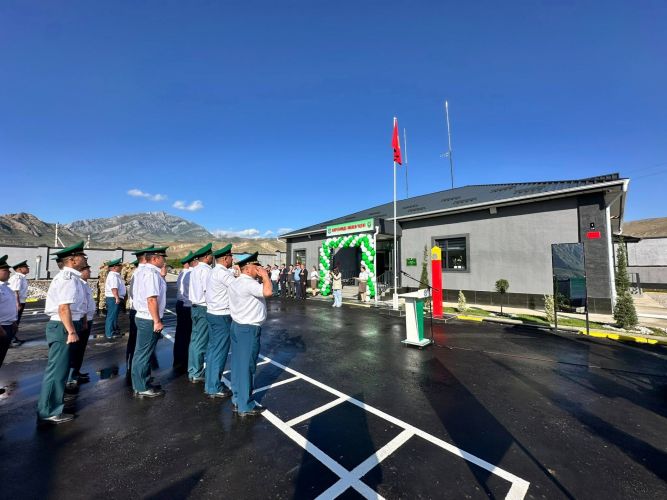
A new border post has opened in Kyrgyzstan’s Batken region near the border with Uzbekistan, as authorities continue efforts to improve security infrastructure in sensitive frontier areas, according to 24.kg news agency. The opening ceremony for the Sogment border post took place in the village of Sogment in Batken district. The facility is part of the Charbak border outpost under the Batken regional department of Kyrgyzstan’s State Border Service. The presidential representative’s office in Batken region said the ceremony was attended online by Abdikarim Alimbaev, chairman of Kyrgyzstan’s State Border Service, while local officials, border guards, and regional authorities gathered at the site. Among those present was Mamyrzhan Rakhimov, the presidential representative in Batken region. Officials congratulated border guards on Border Guards’ Day, which is marked in Kyrgyzstan on May 28, and described the opening of the new facility as an important step toward improving national security and maintaining stability in border areas. According to local authorities, the post includes modern barracks and other facilities designed to support border personnel stationed in the area. Border guards assigned to the sector are responsible for monitoring more than 12 kilometers of the Kyrgyzstan-Uzbekistan state border. The report noted that several additional border facilities were also inaugurated across Kyrgyzstan on the same day. The opening comes amid broader efforts by Central Asian states to improve border cooperation following years of tensions and unresolved territorial disputes in the region. On March 31, 2025, the presidents of Kyrgyzstan, Tajikistan, and Uzbekistan signed a landmark agreement defining the junction point of the three countries’ borders during a summit in Khujand, Tajikistan. The agreement was signed by Sadyr Japarov, Emomali Rahmon, and Shavkat Mirziyoyev. In May this year, Japarov also visited the newly established Dostuk, or Friendship, Stele in Batken region near the tri-border area. The monument symbolizes the settlement of long-standing border issues and a new phase of regional cooperation among the three neighboring states. During that visit, Kyrgyz authorities also presented plans for the proposed Dostuk International Trade and Economic Park, a cross-border development project intended to strengthen trade, logistics, and investment ties in the region.

Rising Border Insecurity Puts Chinese Interests at Risk in Tajikistan

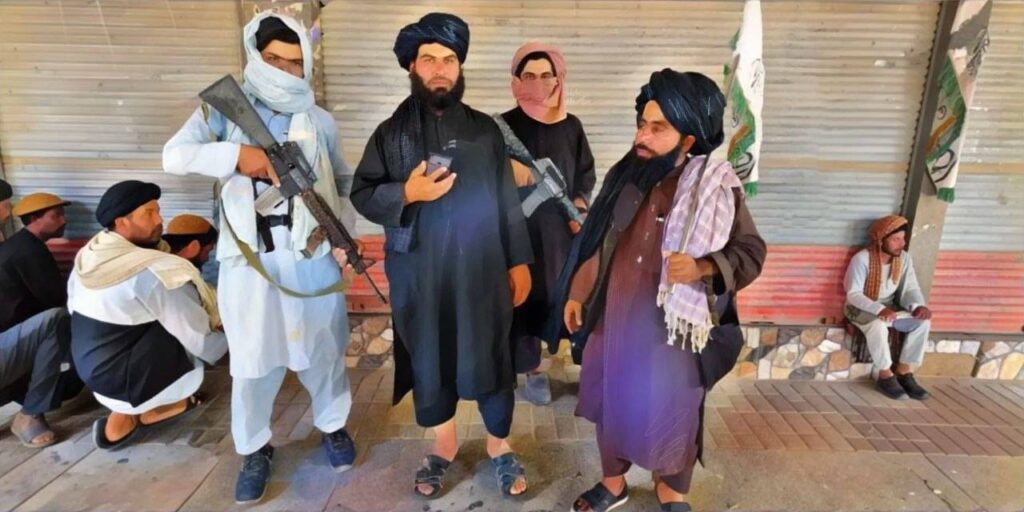
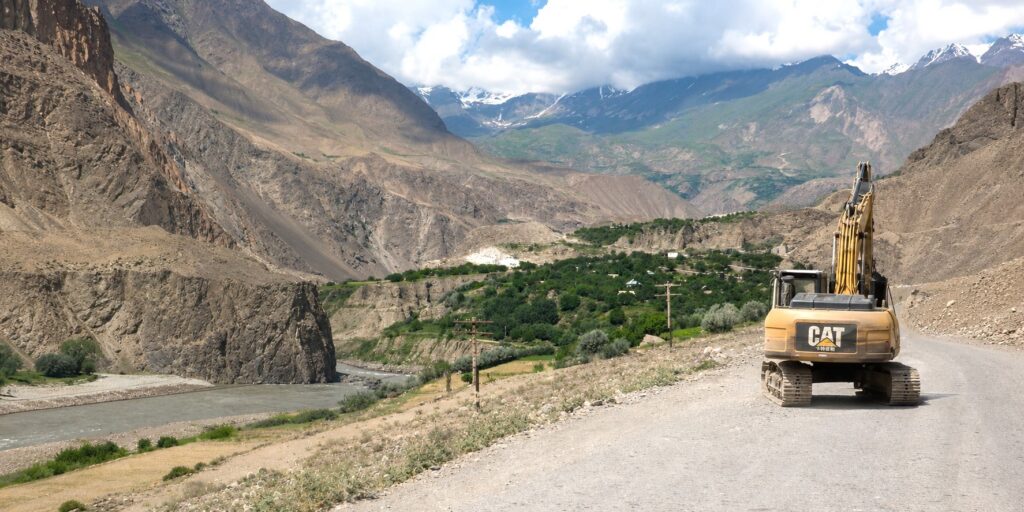
Mounting insecurity along the Tajikistan-Afghanistan border is increasingly threatening Chinese interests and heightening Beijing’s concerns about regional stability, Al Jazeera has reported, citing recent incidents and official statements from Dushanbe. According to the report, the Tajik authorities have recorded multiple armed infiltrations from Afghan territory in recent months, resulting in more than a dozen deaths. Among the victims were five Chinese nationals working on infrastructure and mining projects in remote areas of Tajikistan. The attacks reportedly targeted Chinese companies and personnel specifically, prompting alarm in Beijing. Al Jazeera noted that China is Tajikistan’s largest creditor and one of its most significant economic partners. Chinese firms have a major presence in road construction, infrastructure, and extractive industries, many of which are situated near the porous Afghan border. The growing threat of violence has raised serious concerns among Chinese officials about the safety of their citizens and investments. Tensions escalated dramatically on November 26, when a drone strike hit a Chinese-operated gold-mining facility, and gunfire targeted workers at a state-owned enterprise. Several Chinese nationals were reportedly killed in the coordinated attacks. In response, the Chinese embassy in Dushanbe advised Chinese citizens and enterprises to withdraw from border areas and called on Tajik authorities to take “all necessary measures” to protect Chinese nationals and assets. Citing regional analysts, Al Jazeera reported that although no group has claimed responsibility, the tactics are consistent with those used by Islamic State Khorasan Province (ISKP). Analysts believe ISKP is attempting to undermine the Taliban’s claims of providing security by deliberately targeting foreign nationals, particularly Chinese workers. Tajik officials described the incidents as evidence of the Taliban’s “irresponsibility” and repeated failure to deliver on its international commitments. Dushanbe has demanded an official apology and concrete guarantees regarding border security. Most of the recent attacks, according to Tajik authorities, have originated from Afghanistan’s Badakhshan province, a complex and fragile security zone. The Taliban’s crackdown on poppy cultivation, which has provoked resentment among local farmers, is believed to have further destabilized the area. The Taliban have expressed regret over the incidents, blamed unspecified non-state actors, and insisted that Afghanistan poses no threat to neighboring countries. They reaffirmed their commitment to the Doha Agreement and regional stability. In December, Tajikistan’s State Committee for National Security (SCNS) reported another armed incident on the southern frontier. According to the SCNS, three armed individuals crossed into Tajik territory late on December 23 and attempted to attack a border post in the Shamsiddin Shohin district. The intruders, who refused to surrender, were killed in a firefight. Two Tajik border guards also died in the clash, underscoring the persistent volatility along the border.

Two Tajik Border Guards Killed in Attack Along Afghan Border

Tajikistan’s border troops have reported an armed incident along the country’s southern border with Afghanistan. While the attackers were neutralized during the confrontation, Tajikistan suffered casualties among its personnel. According to the State Committee for National Security (SCNS) of the Republic of Tajikistan, the incident occurred late on December 23, 2025. Three armed individuals described as “members of a terrorist organization” attempted to launch an attack on border post No. 5 “Bo” of the 0341 “Sarchashma” detachment in the Shamsiddin Shohin district. The intruders illegally crossed the state border at approximately 11:30 p.m. and entered Tajik territory. The following morning, at 11:15 a.m., Tajik border guards located the suspects. According to the official statement published by the Khovar news agency, the attackers refused to surrender and opened fire. All three assailants were killed in the ensuing operation. Tajik security forces seized a significant cache of weaponry at the scene, including three M-16 rifles, a Kalashnikov assault rifle, three foreign-made pistols equipped with silencers, ten hand grenades, one pair of night vision goggles, explosives, and other combat gear. Two members of the Border Troops of the SCNS, Zirekhbon Navruzbekov and Ismatullo Kurbonov, were killed in the clash. Authorities extended their condolences to the families of the fallen officers. The SCNS noted that this was the third such incident in the past month involving armed incursions from Afghan territory. In a strongly worded statement, the border service criticized the Taliban authorities for failing to uphold their international obligations and repeated commitments to secure the border and prevent terrorist activity. “These facts confirm that the Taliban government is demonstrating a serious and repeated inability and irresponsibility, in fulfilling its international obligations and consistent promises to ensure security and stability on the state border with the Republic of Tajikistan,” the statement read. Tajikistan called on Afghan authorities to issue a formal apology and implement additional effective measures to secure the shared border. According to Tajik officials, the border area is now stable, and an investigation into the latest incident is ongoing. Two earlier attacks were reported on November 26 and 30, 2025, also originating from Afghan territory. In those incidents, five Chinese citizens were killed and three injured. The attacks targeted a mining company in the Shohin district and a construction company in the Darvaz district. Tajikistan condemned the attacks and demanded that the Taliban arrest those responsible. The Afghan Foreign Ministry responded by stating that the attacks were intended to “create instability and mistrust between countries in the region.” President Emomali Rahmon publicly condemned the incidents and ordered Tajik security forces to take decisive measures to restore stability and prevent further cross-border attacks.