
• KGS/USD = 0.01143 0%
  • KZT/USD = 0.00213 0%
  • TJS/USD = 0.10593 0.47%
  • UZS/USD = 0.00008 0%
  • TMT/USD = 0.28571 0%
  • KGS/USD = 0.01143 0%
  • KZT/USD = 0.00213 0%
  • TJS/USD = 0.10593 0.47%
  • UZS/USD = 0.00008 0%
  • TMT/USD = 0.28571 0%
  • KGS/USD = 0.01143 0%
  • KZT/USD = 0.00213 0%
  • TJS/USD = 0.10593 0.47%
  • UZS/USD = 0.00008 0%
  • TMT/USD = 0.28571 0%
  • KGS/USD = 0.01143 0%
  • KZT/USD = 0.00213 0%
  • TJS/USD = 0.10593 0.47%
  • UZS/USD = 0.00008 0%
  • TMT/USD = 0.28571 0%
  • KGS/USD = 0.01143 0%
  • KZT/USD = 0.00213 0%
  • TJS/USD = 0.10593 0.47%
  • UZS/USD = 0.00008 0%
  • TMT/USD = 0.28571 0%
  • KGS/USD = 0.01143 0%
  • KZT/USD = 0.00213 0%
  • TJS/USD = 0.10593 0.47%
  • UZS/USD = 0.00008 0%
  • TMT/USD = 0.28571 0%
  • KGS/USD = 0.01143 0%
  • KZT/USD = 0.00213 0%
  • TJS/USD = 0.10593 0.47%
  • UZS/USD = 0.00008 0%
  • TMT/USD = 0.28571 0%
  • KGS/USD = 0.01143 0%
  • KZT/USD = 0.00213 0%
  • TJS/USD = 0.10593 0.47%
  • UZS/USD = 0.00008 0%
  • TMT/USD = 0.28571 0%

Viewing results 1 - 6 of 6

Kyrgyzstan Seeks Chinese Cooperation to Develop EV Charging Infrastructure

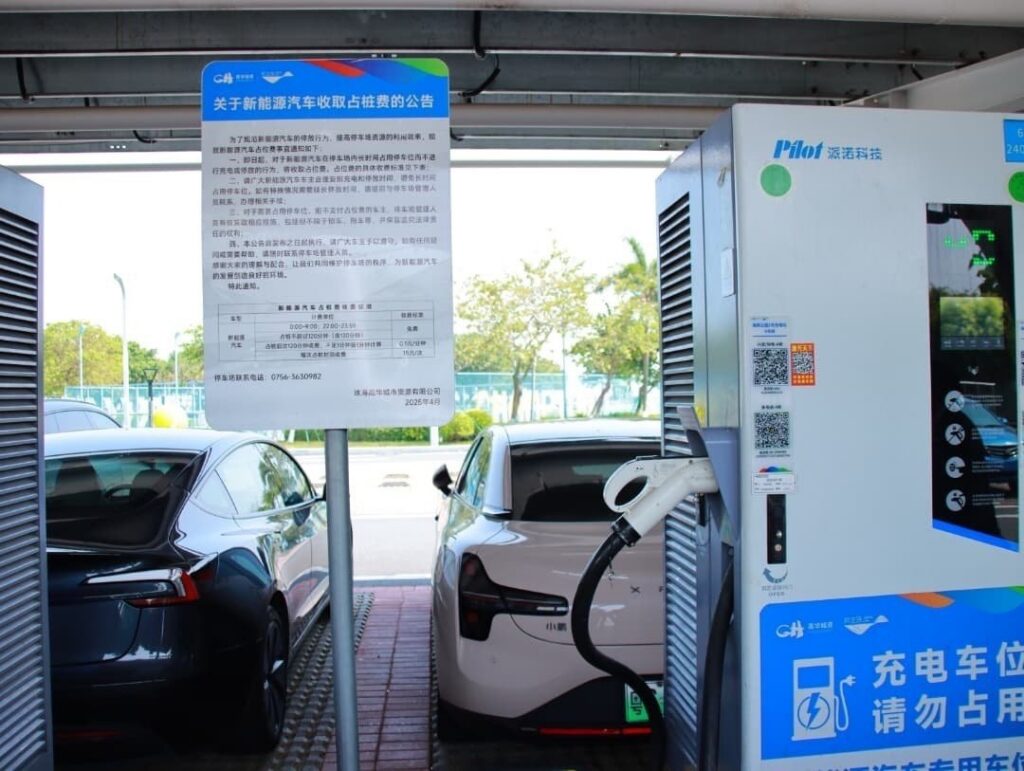
Kyrgyzstan is seeking to collaborate with Chinese companies to develop electric vehicle (EV) charging infrastructure as part of efforts to modernize its energy sector and promote sustainable transport. On March 25, Energy Minister Taalaibek Ibrayev visited China, where he held a series of meetings with energy and technology companies involved in EV infrastructure development. During the visit, Ibrayev toured a manufacturing facility operated by ShuiFa Group and signed a memorandum of understanding between the Kyrgyz Ministry of Energy and the company. The agreement involves cooperation in energy infrastructure, including the development of EV charging stations and energy storage systems. Officials said the memorandum represents a step toward modernizing Kyrgyzstan’s energy sector and supporting sustainable transport. Ibrayev also met with representatives of NUCL New Energy Technology (GD) Ltd to discuss potential cooperation on EV charging infrastructure and the introduction of modern technologies. The company expressed readiness to work with Kyrgyz authorities. In addition, talks were held with Zhejiang Anfu New Energy Technology Co., Ltd. regarding the possible supply of equipment and the localization of production in Kyrgyzstan These initiatives align with the government’s broader strategy to promote environmentally friendly transport and reduce air pollution in Bishkek and other major cities. The number of electric vehicles in Kyrgyzstan has been rising steadily. According to First Deputy Prime Minister Daniyar Amangeldiev, more than 200 electric vehicles are imported into the country daily under a value-added tax (VAT) exemption scheme. As a member of the Eurasian Economic Union (EAEU), Kyrgyzstan also benefits from an annual quota allowing the duty-free import of up to 15,000 electric vehicles. Despite this growth, EVs still account for a small share of the country’s total vehicle fleet. According to the Ministry of Natural Resources, Ecology, and Technical Supervision, Kyrgyzstan had more than 1.9 million registered vehicles as of early 2026, a 13% increase compared with 2024. Of these, 972,000 run on gasoline, 339,000 on diesel, 56,900 on gas, and 37,000 are hybrids. Electric vehicles make up about 0.8% of the total, or approximately 15,200 vehicles.

New Partnerships Aim to Turn Kyrgyz Students into Entrepreneurs

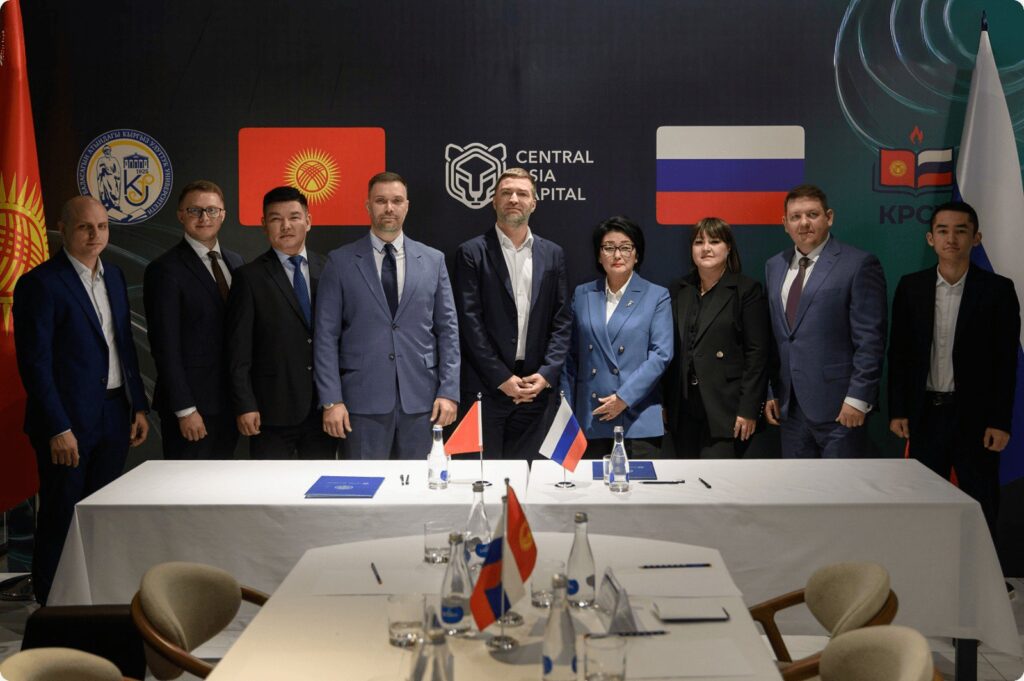
On October 20, the investment fund Central Asia Capital signed strategic cooperation agreements with Jusup Balasagyn Kyrgyz National University (KNU) and the Kyrgyz-Russian Slavic University (KRSU) to promote practice-oriented education, support student startups, and create new employment opportunities. The partnerships aim to bridge the gap between academia and industry by providing students with hands-on business experience, mentorship, and pathways to entrepreneurship. “Our agreements with KNU and KRSU are a major step toward creating conditions where students not only gain knowledge but also apply it in real business settings. This is a strategic investment in the future of Kyrgyzstan’s economy,” said Anton Sobin, Chairman of the Board of Directors at Central Asia Capital. A flagship initiative under the agreements will be the launch of an Acceleration School, where students can develop business projects, receive expert mentorship, and compete for investment grants. “We want young people to see that they can build successful businesses in Kyrgyzstan without going abroad,” Sobin emphasized. Under the agreement with KNU, the fund will support curriculum modernization, scholarship programs, and internship placements within its subsidiaries and partner firms. The KRSU partnership emphasizes innovation and startup support, along with infrastructure development. Planned upgrades include a new innovation lab, enhanced sports facilities, and improvements to the university campus. Central Asia Capital will also assist in the renovation of KRSU’s educational and recreational complex at Lake Issyk-Kul.