• KZT/USD = 0.00210
  • TJS/USD = 0.10820
  • UZS/USD = 0.00008
  • TMT/USD = 0.29760
  • KZT/USD = 0.00210
  • TJS/USD = 0.10820
  • UZS/USD = 0.00008
  • TMT/USD = 0.29760
  • KZT/USD = 0.00210
  • TJS/USD = 0.10820
  • UZS/USD = 0.00008
  • TMT/USD = 0.29760
  • KZT/USD = 0.00210
  • TJS/USD = 0.10820
  • UZS/USD = 0.00008
  • TMT/USD = 0.29760
  • KZT/USD = 0.00210
  • TJS/USD = 0.10820
  • UZS/USD = 0.00008
  • TMT/USD = 0.29760
  • KZT/USD = 0.00210
  • TJS/USD = 0.10820
  • UZS/USD = 0.00008
  • TMT/USD = 0.29760
  • KZT/USD = 0.00210
  • TJS/USD = 0.10820
  • UZS/USD = 0.00008
  • TMT/USD = 0.29760
  • KZT/USD = 0.00210
  • TJS/USD = 0.10820
  • UZS/USD = 0.00008
  • TMT/USD = 0.29760

Viewing results 1 - 6 of 22

Kazakhstan Plans BYD Assembly and New Domestic Vehicle Brands

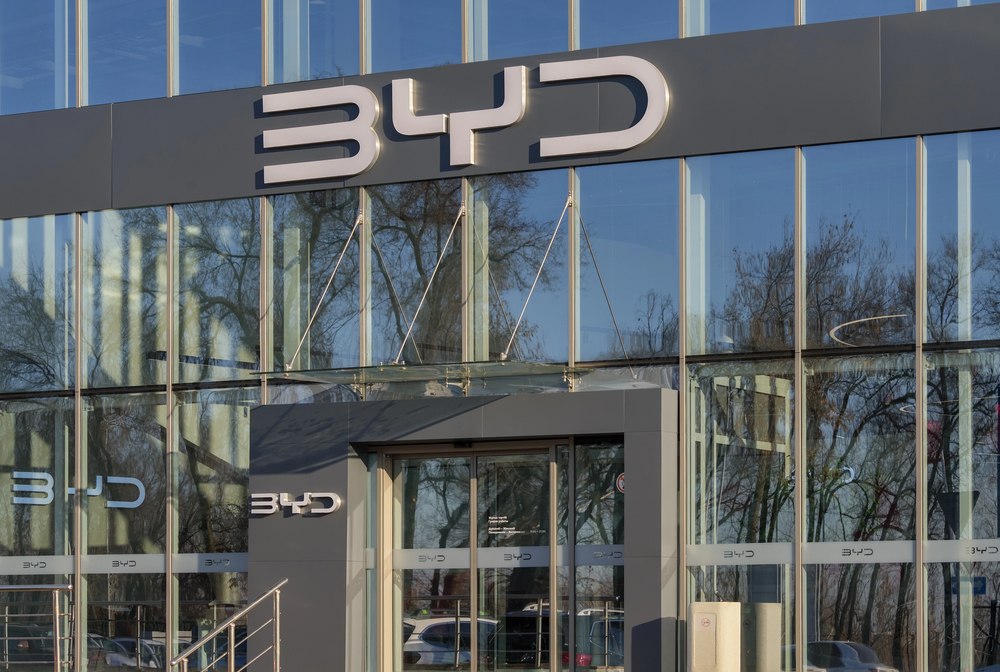
Kazakhstan plans to begin assembling passenger vehicles for Chinese electric vehicle manufacturer BYD next year and launch buses under a domestic brand as it expands local vehicle production and develops its electric mobility sector. The announcement came during a government meeting, where Astana Group chairman Nurlan Smagulov said the company had reached agreements with BYD following negotiations held in Shanghai earlier this month. Production of BYD passenger vehicles is expected to begin in 2027. “Next year we will begin producing BYD passenger cars. The company manufactures only hybrid and fully electric vehicles,” Smagulov said, noting that BYD already operates a production facility in neighboring Uzbekistan and is seeking to expand its presence in the Kazakh market. Prime Minister Olzhas Bektenov said the government would support the project and urged the company to accelerate implementation, describing domestic electric vehicle production as a priority for Kazakhstan’s industrial policy. Astana Group also plans to introduce a new bus brand, Astana, developed jointly by Kazakh and Chinese engineers. Assembly of diesel- and natural gas-powered buses is scheduled to begin in November, while production of electric buses is expected to start in March next year. Adil Shaikemelov, deputy director of SaryarkaAvtoProm, part of the Allur Group, said the company is developing a domestic passenger car brand with an undisclosed international partner. He said the first vehicle under the new brand could enter production within three to four years. The government is working with BYD to develop a nationwide network of high-speed charging stations, Industry and Construction Minister Yersaiyn Nagaspayev said. Kazakhstan is also expanding its automotive workforce. Science and Higher Education Minister Sayasat Nurbek said about 4,000 students are enrolled in automotive-related programs at 19 universities, while more than 3,000 government scholarships have been allocated this year. Additional specialists are training abroad through the Bolashak scholarship program. As previously reported by The Times of Central Asia, Kazakhstan is also preparing to manufacture autonomous SITRAK heavy trucks as part of broader efforts to localize vehicle production and deepen industrial cooperation with Chinese manufacturers.

Kyrgyzstan Nears Limit on Duty-Free Electric Vehicle Imports for 2026

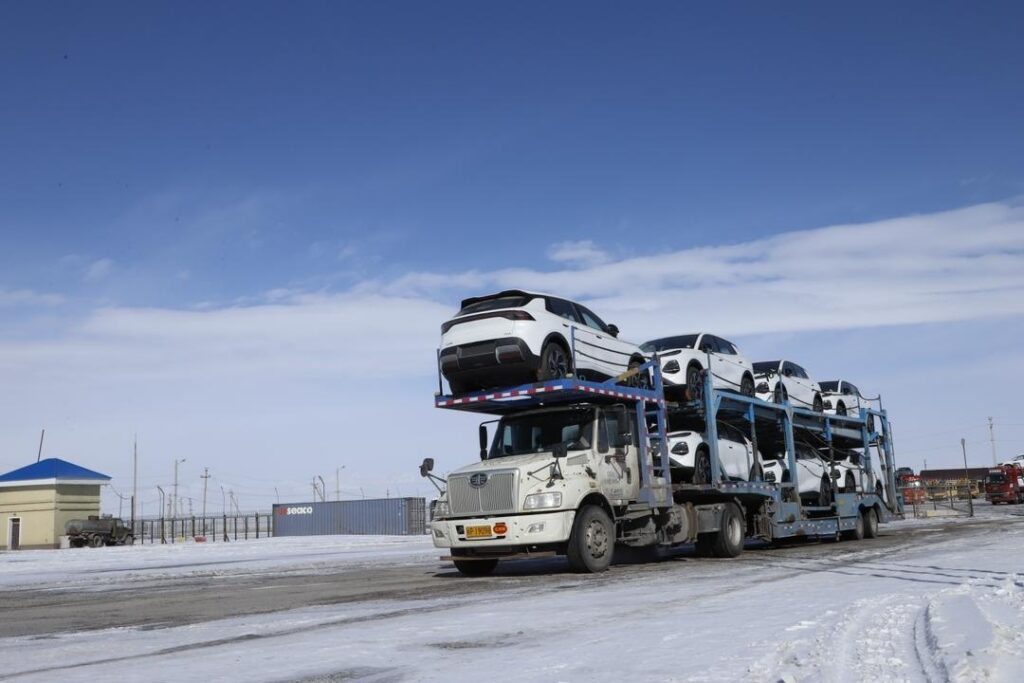
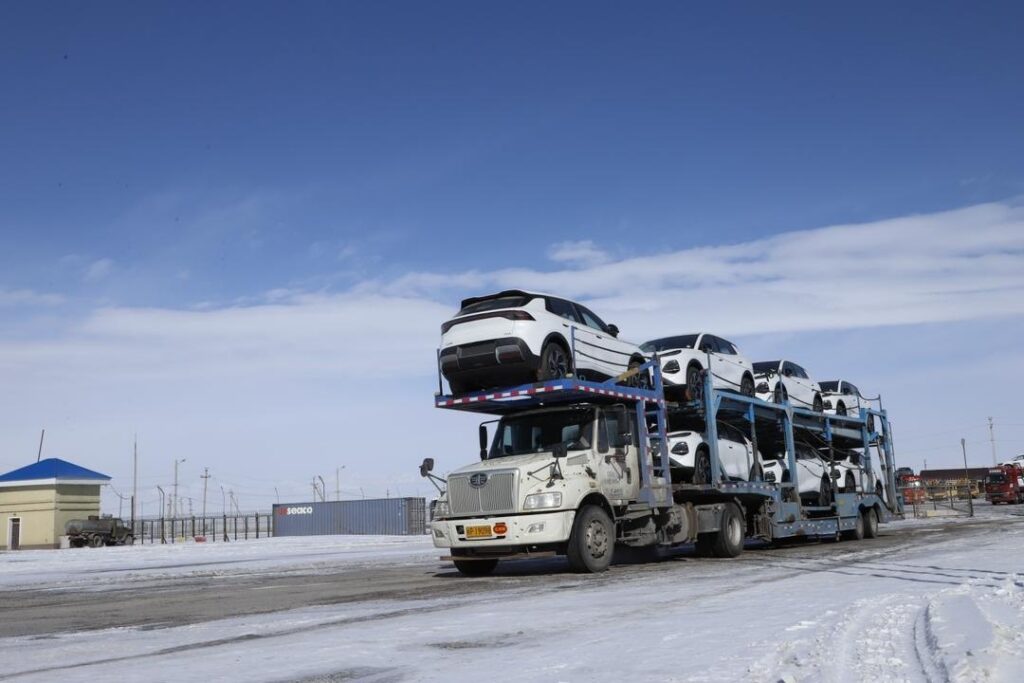
Kyrgyzstan has almost exhausted its 2026 quota for duty-free electric vehicle (EV) imports under the Eurasian Economic Union (EAEU), showing rapid growth in EV demand and re-export activity in the region. As of this week, 14,014 of the 15,000 vehicles allowed under this year’s quota had already been imported, leaving just 986 duty-free slots available, customs data showed. Kyrgyzstan, a member of the EAEU, benefits from an annual quota allowing duty-free imports of electric vehicles alongside fellow member states Armenia, Belarus, Kazakhstan, and Russia. The State Customs Service operates a real-time online counter showing quota use, which is updated automatically when EVs are cleared under the exemption scheme. Officials warned that once the quota is fully used, imported electric vehicles will face a 15% customs duty under the EAEU’s common external tariff. In 2025, Kyrgyzstan’s quota was set at 10,000 vehicles and was fully exhausted by September. The number of electric vehicles in Kyrgyzstan has risen steadily, supported by a separate value-added tax exemption. Official data show that more than 200 EVs are imported into the country each day. Even so, electric vehicles still account for only about 0.8% of Kyrgyzstan’s total vehicle fleet, or roughly 15,200 cars, according to the Ministry of Natural Resources, Ecology and Technical Supervision. China remains the main supplier of EVs to Kyrgyzstan. However, industry analysts say many Chinese-made vehicles imported into Kyrgyzstan are later re-exported to Russia. According to Sergey Tselikov, head of the Russian automotive analytics agency Autostat, Kyrgyzstan remains Russia’s second-largest channel for new passenger car imports after China. Tselikov said 84% of vehicles imported into Russia via Kyrgyzstan were manufactured in China, including Chinese, European, and Japanese brands. Autostat data show Kyrgyzstan was the largest supplier of new passenger cars to Russia among EAEU member states in 2025, with 53,600 vehicles, compared with 17,100 from Belarus, 11,000 from Kazakhstan, and 344 from Armenia. The figures show Kyrgyzstan’s growing role as a regional trade hub for Chinese-made vehicles entering the wider Eurasian market.

Kyrgyzstan to Establish National Taxi Aggregator With Chinese Support

A Chinese company will help Kyrgyzstan establish its own electric vehicle taxi aggregator in a market currently dominated by Russian ride-hailing platforms. The National Investment Fund of the Kyrgyz Republic and China’s Shenzhen Wuyou Technology Co., Ltd. have signed framework agreements on investment projects to establish a national taxi aggregator, a modern electric vehicle fleet, and a network of EV charging stations across Kyrgyzstan, according to the Ministry of Economy and Commerce. At the signing ceremony, Deputy Minister of Economy and Commerce Benazir Nurlanova said Kyrgyzstan attaches particular importance to developing its partnership with China. She said the new projects would contribute to the development of a green economy in Kyrgyzstan, the adoption of modern technologies, and investment cooperation between the two countries. The Chinese side expressed readiness for long-term cooperation, including the exchange of experience and technology, and noted the high potential of joint initiatives in electric transport and digital infrastructure. Kyrgyzstan’s taxi market is currently served through taxi aggregators: ride-hailing platforms that connect passengers with private drivers through a single digital system. The state-backed project involving the Chinese company could become an alternative to existing aggregators, including Russia’s Yandex Taxi, which currently dominates Kyrgyzstan’s taxi market, and Wildberries Taxi, which has entered the local market.

Chinese Brands Drive Fivefold Surge in Kazakhstan’s Electric and Hybrid Vehicle Sales

Sales of electric and hybrid vehicles in Kazakhstan rose nearly fivefold in the first four months of 2026, as Chinese brands expanded their presence and buyers turned to plug-in hybrids and extended-range models suited to the country’s long distances and harsh climate. According to the Kazakhstan Automobile Union, official dealers sold 2,122 passenger vehicles in the New Energy Vehicles, or NEV, segment between January and April, nearly five times more than during the same period last year. The NEV category includes fully electric vehicles, plug-in hybrids, or PHEVs, and extended-range electric vehicles, or EREVs, which combine electric and conventional power systems. Most sales came from hybrid and extended-range models, which accounted for 1,499 units, while fully electric vehicles represented 623 sales. Demand growth became particularly noticeable in March and April after a relatively moderate start to the year. Analysts say electric and hybrid vehicles are gradually moving beyond their status as a niche segment of the Kazakh automotive market. “Today, buyers are increasingly choosing plug-in hybrids and extended-range vehicles,” said Anar Makasheva, president of the Kazakhstan Automobile Union. According to Makasheva, such models offer many Kazakh consumers a compromise between fuel efficiency, driving range, and practicality. The pattern reflects a wider trend in Kazakhstan’s car market, where fully electric vehicles remain attractive but face practical limits linked to charging infrastructure, winter performance, and long intercity routes. Plug-in hybrids and extended-range models offer many buyers a lower-risk transition from conventional cars. Chinese automaker BYD became the clear market leader in Kazakhstan’s NEV segment, selling 1,181 vehicles, an increase of 432% compared with the same period last year. Li Auto ranked second with sales of 384 vehicles, while Geely Galaxy placed third with 367 units sold. The top five also included Zeekr and ROX. The best-selling model in the segment was the hybrid BYD Song Plus DM-i, with 413 vehicles sold during the first four months of the year. It was followed by the Geely Galaxy EX5 EM-i and the BYD Chazor. Other popular models included the Li Auto L6 and the fully electric BYD Yuan Up. In the traditional hybrid, or HEV, category, the Toyota Camry remained the market leader, with dealers selling 274 vehicles. For comparison, Kazakhstan sold a total of 4,242 NEV vehicles during all of 2025, while sales in 2024 amounted to only 1,083 units. The figures also come amid wider growth in Kazakhstan’s automotive sector. In February, the Kazakhstan Automobile Union projected that vehicle production could exceed 209,000 units in 2026, following output of 171,400 units in 2025. The growing popularity of electric and hybrid vehicles comes as the government looks for ways to make the segment more visible and easier to regulate. The Times of Central Asia previously reported that Kazakhstan plans to introduce green license plates for electric vehicles to simplify identification by traffic surveillance systems.

Kazakhstan to Introduce Green License Plates for Electric Vehicles

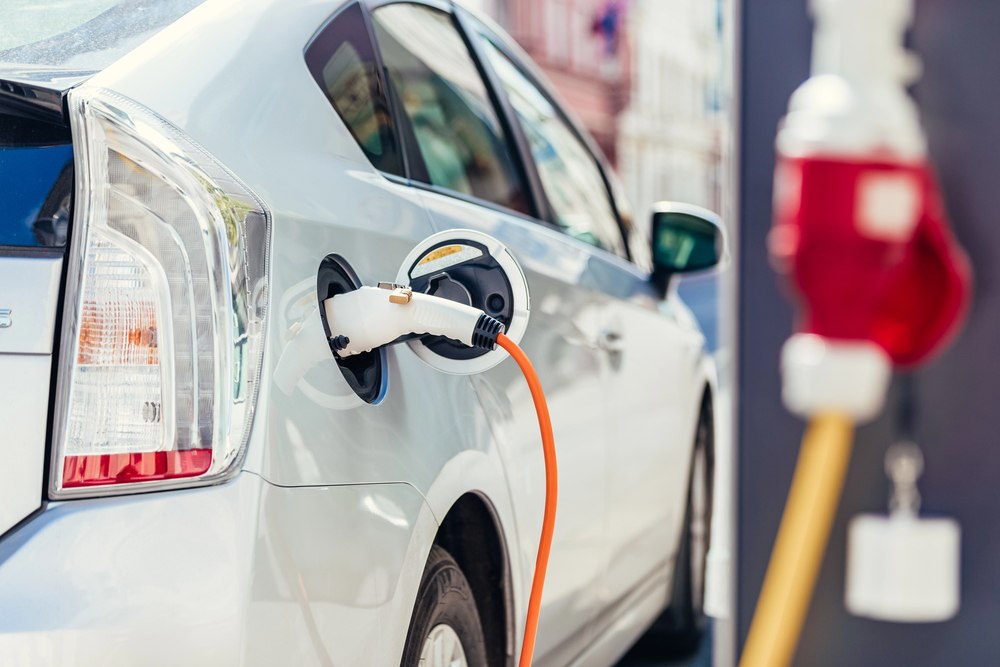
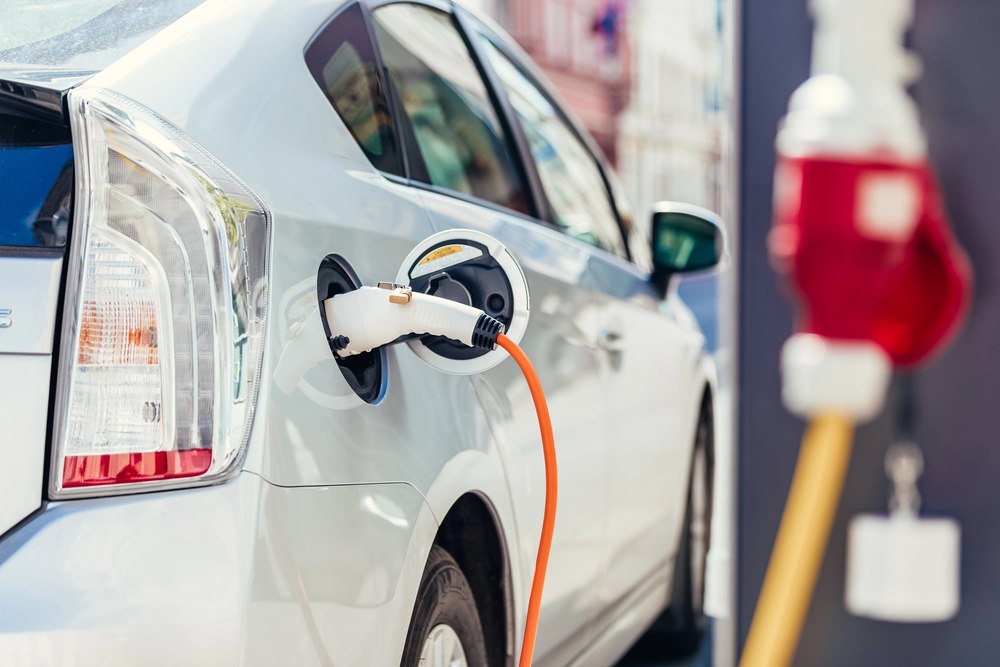
Kazakhstan’s Ministry of Internal Affairs has backed a proposal by Mazhilis deputy Arman Kalykov to introduce green license plates for electric vehicles (EVs). Kalykov, a member of the Mazhilis Committee on Ecology and Nature Management, said separate identification for EVs is needed for traffic monitoring, road police checks, and access control. According to Kalykov, the measure is particularly relevant in environmentally protected areas. In the Shymbulak area near Almaty, for example, vehicles with internal combustion engines face restrictions, while EVs and emergency transport are allowed to enter. EVs are also allowed to remain in residential zones while running, while conventional vehicles are prohibited from parking in spaces equipped with charging stations. “When entering specially protected natural areas, it is necessary to quickly identify an electric vehicle. Traffic police inspectors also face difficulties with this identification,” Kalykov said. Deputy Interior Minister Sanzhar Adilov said the ministry is already working on the necessary regulatory amendments. “There is an internationally recognized practice of using green-colored plates. We have reviewed this issue and support it. Once the law is adopted, we will approve the relevant regulations,” he said. During the discussion, Adilov also supported a proposal by lawmaker Bakytzhan Bazarbek to consider introducing criminal liability for the use of counterfeit license plates. Bazarbek noted that while current legislation already imposes criminal penalties for the production and sale of fake license plates, their use is punishable only by an administrative fine. “A person caught using fake license plates receives a fine of only 15 monthly calculation indexes, about $127. Perhaps it is time to elevate this offense to criminal liability,” the lawmaker said. Adilov acknowledged that the proposal merits further consideration. “A state vehicle registration plate is an important element of traffic regulation and road safety. Therefore, we are taking your proposal into consideration,” he said. The Times of Central Asia previously reported authorities in Kazakhstan are considering lowering speed limits in populated areas.

Kyrgyzstan Seeks to Increase Automobile Imports from China

On April 8, the National Investment Agency of Kyrgyzstan and A-CAR (Chuan Yi LLC) signed a memorandum on investment cooperation in the automotive industry, including the supply and sale of new Chinese cars in Kyrgyzstan and the development of service infrastructure. The Chinese company plans to establish a dealer network and open an official representative office for Central Asia. A-CAR supplies vehicles from leading Chinese and international brands and provides a full range of services, including technical maintenance, vehicle registration, and insurance. A significant portion of vehicles imported from China to Kyrgyzstan are re-exported to Russia rather than remaining in the local market. The duty-free regime for electric vehicles in Kyrgyzstan has significantly boosted imports of Chinese electric cars. As a member of the Eurasian Economic Union (EAEU), Kyrgyzstan benefits from an annual quota allowing the duty-free import of up to 15,000 electric vehicles. Sergey Tselikov, director of Russian automotive analytics agency Autostat, wrote on his Telegram channel that Kyrgyzstan remains the second-largest import channel for new passenger cars into Russia after China. He said 84% of the new passenger cars imported through Kyrgyzstan were manufactured in China, including Chinese, European, and Japanese brands. According to Autostat, Kyrgyzstan is the largest supplier of new passenger cars to Russia among EAEU member countries. In 2025, 53,600 new passenger cars were imported to Russia from Kyrgyzstan, followed by 17,100 cars from Belarus, 11,000 from Kazakhstan, and 344 from Armenia. Kyrgyzstan is also seeking to collaborate with Chinese companies to develop electric vehicle (EV) charging infrastructure. In late March, Energy Minister Taalaibek Ibrayev visited China, where he held a series of meetings with energy and technology companies involved in EV infrastructure development. Negotiations focused on cooperation in energy infrastructure, including the development of EV charging stations and energy storage systems in Kyrgyzstan. These initiatives align with government efforts to promote environmentally friendly transport and reduce air pollution in Bishkek and other major cities. The number of EVs in Kyrgyzstan has been rising steadily, with more than 200 electric vehicles imported into the country daily under a value-added tax (VAT) exemption scheme, according to official figures. Despite this growth, EVs still account for a small share of the country’s total vehicle fleet, about 0.8%, or approximately 15,200 vehicles, according to the Ministry of Natural Resources, Ecology, and Technical Supervision.