
• KGS/USD = 0.01143 0%
  • KZT/USD = 0.00213 0%
  • TJS/USD = 0.10593 0.47%
  • UZS/USD = 0.00008 0%
  • TMT/USD = 0.28571 0%
  • KGS/USD = 0.01143 0%
  • KZT/USD = 0.00213 0%
  • TJS/USD = 0.10593 0.47%
  • UZS/USD = 0.00008 0%
  • TMT/USD = 0.28571 0%
  • KGS/USD = 0.01143 0%
  • KZT/USD = 0.00213 0%
  • TJS/USD = 0.10593 0.47%
  • UZS/USD = 0.00008 0%
  • TMT/USD = 0.28571 0%
  • KGS/USD = 0.01143 0%
  • KZT/USD = 0.00213 0%
  • TJS/USD = 0.10593 0.47%
  • UZS/USD = 0.00008 0%
  • TMT/USD = 0.28571 0%
  • KGS/USD = 0.01143 0%
  • KZT/USD = 0.00213 0%
  • TJS/USD = 0.10593 0.47%
  • UZS/USD = 0.00008 0%
  • TMT/USD = 0.28571 0%
  • KGS/USD = 0.01143 0%
  • KZT/USD = 0.00213 0%
  • TJS/USD = 0.10593 0.47%
  • UZS/USD = 0.00008 0%
  • TMT/USD = 0.28571 0%
  • KGS/USD = 0.01143 0%
  • KZT/USD = 0.00213 0%
  • TJS/USD = 0.10593 0.47%
  • UZS/USD = 0.00008 0%
  • TMT/USD = 0.28571 0%
  • KGS/USD = 0.01143 0%
  • KZT/USD = 0.00213 0%
  • TJS/USD = 0.10593 0.47%
  • UZS/USD = 0.00008 0%
  • TMT/USD = 0.28571 0%

Viewing results 1 - 6 of 45

Kazakhstan to Join Abraham Accords

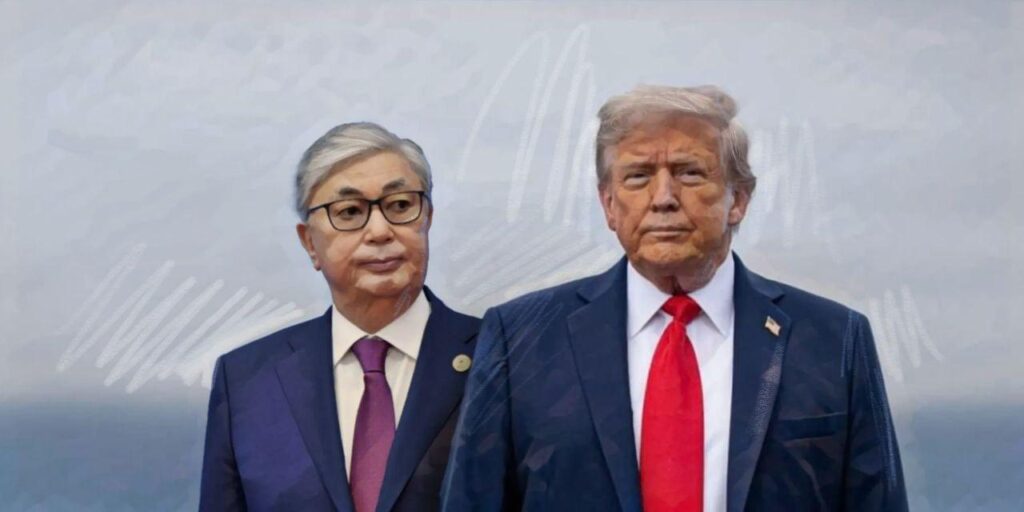
Washington D.C. - The Government of Kazakhstan announced its intention to join the Abraham Accords on Thursday, ahead of a scheduled meeting between President Kassym-Jomart Tokayev and U.S. President Donald Trump in Washington. The move was confirmed by President Trump in a post on Truth Social, where he described Kazakhstan’s decision as “a major step forward in building bridges across the world.” He added that a formal signing ceremony would be held soon to make the accession official. In doing so, Kazakhstan will join the United Arab Emirates, Bahrain, Morocco, Sudan, Israel, and the United States within the framework of the Abraham Accords. Its inclusion represents a significant diplomatic milestone, making it the first Central Asian nation — and the only non–Middle Eastern or North African member apart from the United States — to take part in the initiative. The expansion extends the Accords’ reach into Central Asia, highlighting their growing relevance beyond their original geographic and political context. Kazakhstan’s accession represents a powerful statement from a Muslim-majority nation in favor of peaceful normalization with Israel. By joining, Astana reinforces the framework’s legitimacy across the Islamic world and demonstrates that constructive engagement with Israel can coexist with respect for Islamic values and regional cooperation. As the first Central Asian signatory, Kazakhstan sets a precedent for its neighbors and broader Muslim communities, illustrating that pragmatic diplomacy and peace-building can transcend historical divisions. The move also strengthens U.S.-led efforts to expand the Accords’ vision of dialogue, stability, and coexistence beyond the Middle East — signaling a new chapter in regional diplomacy. The Tokayev administration’s decision carries political risks. The move may draw criticism from some pro-Palestinian factions and Iran-aligned groups that view normalization with Israel skeptically. To manage this, Astana will need careful messaging, emphasizing that engagement with Israel complements its continued support for Palestinian statehood and regional peace. Ultimately, the government’s calculation is that the benefits — including closer alignment with the United States and enhanced international influence — outweigh the potential political costs. Alignment with Washington Joining the Abraham Accords underscores President Tokayev’s continued alignment with President Trump’s foreign policy priorities. By joining a U.S.-led initiative promoting normalization with Israel, he reinforces support for the White House’s approach to Middle East diplomacy. The move builds on Tokayev’s earlier stance: on September 30, 2025, he publicly endorsed former U.S. President Donald Trump’s 20-point Gaza peace plan, calling it a “unique opportunity and a crucial step toward lasting peace in the Middle East.” As a Muslim-majority nation pursuing a balanced foreign policy, Kazakhstan’s support highlights its strategic effort to deepen ties with Washington and Israel while maintaining credibility across the Arab and Islamic world. The decision reflects Tokayev’s broader vision of positioning Kazakhstan as a diplomatic bridge between East and West. Expanding Regional Appeal and Continuity in Israel Ties Kazakhstan’s decision to join the Abraham Accords represents both a continuation of its long-standing relationship with Israel and a forward-looking step to broaden the framework’s regional reach. Since establishing diplomatic ties in 1992,...
U.S. Secretary of State Marco Rubio Plans Visit to Central Asia in 2026

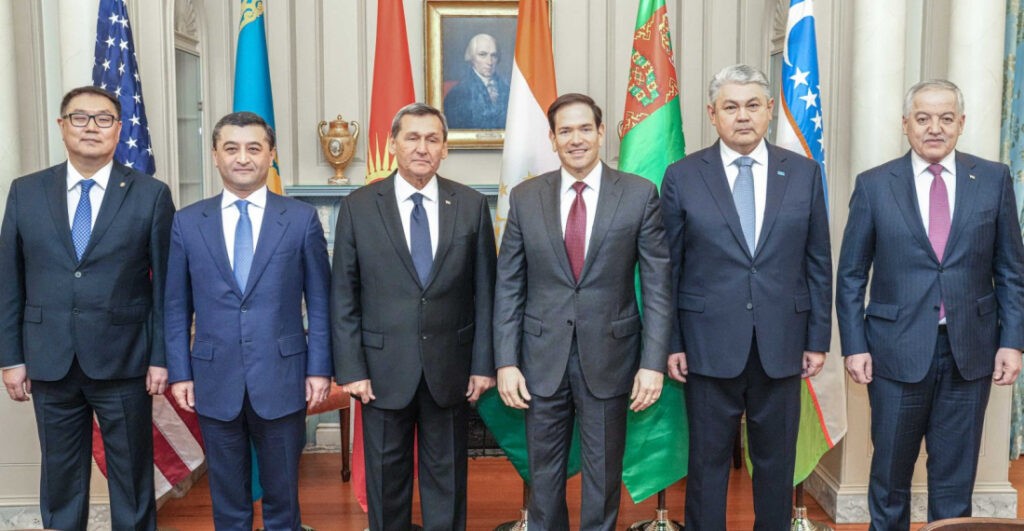
U.S. Secretary of State Marco Rubio announced on Wednesday his intention to visit all five Central Asian countries in 2026. Rubio made the statement during a meeting with the foreign ministers of Kazakhstan, Kyrgyzstan, Tajikistan, Turkmenistan, and Uzbekistan. The visit is part of a broader diplomatic initiative by U.S. President Donald Trump's administration to strengthen ties with the resource-rich region. Today, the presidents of the five Central Asian republics, Kassym-Jomart Tokayev (Kazakhstan), Sadyr Japarov (Kyrgyzstan), Emomali Rahmon (Tajikistan), Serdar Berdimuhamedov (Turkmenistan), and Shavkat Mirziyoyev (Uzbekistan), are scheduled to meet with President Trump in Washington. The summit is expected to focus on cooperation in the extraction of rare earth elements and other natural resources in Central Asia. Rubio emphasized the alignment of U.S. and Central Asian interests in promoting responsible and sustainable development of the extractive sector. “You are seeking to use the resources that God has blessed your countries with to create responsible development and diversify your economies,” he said at a reception hosted by the State Department. “I personally intend to visit in the coming year. All five [countries], so I know it would probably be a week-long trip. So we’ve got to work on that and make that happen together.” U.S. Deputy Secretary of State Christopher Landau stated that the invitation extended to Central Asian leaders is part of President Trump’s personal initiative to deepen engagement with the region. He highlighted broad opportunities for cooperation in business, investment, and strategic partnerships. Also speaking at the reception, Republican Senator James Risch said he intends to introduce legislation to repeal the Jackson-Vanik amendment, a Cold War-era law that restricts U.S. trade with non-market economies.

U.S. Envoys Hail Stronger Kazakhstan Partnership Ahead of C5+1 Summit

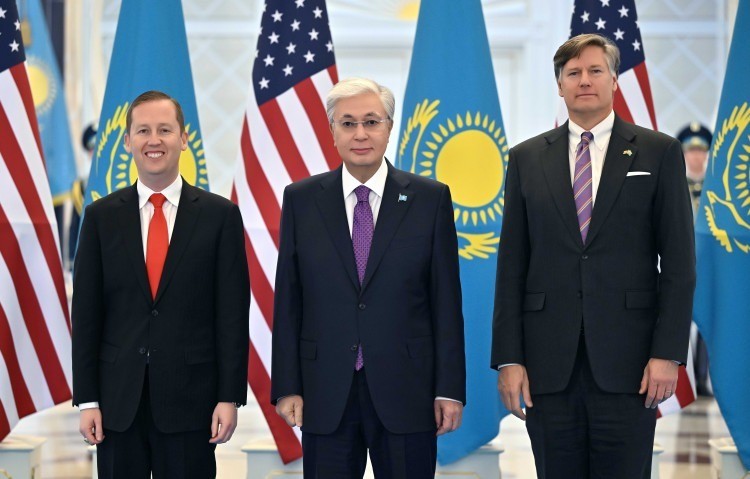
On October 29, Unites States Special Envoy for South and Central Asia Sergio Gor and Deputy Secretary of State Christopher Landau concluded their visit to Kazakhstan ahead of the upcoming C5+1 summit in Washington. During their trip, the U.S. envoys met with President Kassym-Jomart Tokayev and held discussions with representatives of Kazakhstan’s government and business community, which they described as highly productive. “We are concluding a memorable trip to Kazakhstan in the beautiful capital, Astana, which did not even exist 30 years ago and now boasts a population of more than 1.5 million,” Landau posted on social media. He also stated that bilateral relations between the U.S. and Kazakhstan “have never been so strong” and expressed gratitude for the hospitality.  Gor and Landau held talks with Prime Minister Olzhas Bektenov and key cabinet members, including Minister of Trade and Integration Arman Shakkaliev, Minister of Energy Yerlan Akkenzhenov, Minister of Transport Nurlan Sauranbayev, and Deputy Prime Minister and Minister of National Economy Serik Zhumangarin, to discuss Kazakhstan’s economic priorities and areas for expanding bilateral cooperation. According to the Kazakh government, the talks focused on expanding trade and investment cooperation between the two countries. Priority areas included transport and logistics, energy, agriculture, the digital economy, and artificial intelligence. During their visit, the U.S. envoys also met with Deputy Prime Minister Murat Nurtleu, who reaffirmed Kazakhstan’s readiness to cooperate on sustainable development and energy security. The meetings demonstrated Kazakhstan’s active engagement with the United States in the lead-up to the upcoming Central Asia–U.S. summit. Deputy Prime Minister and Minister of National Economy Serik Zhumangarin, who highlighted Kazakhstan’s economic strengths during talks with Gor and Landau, had recently returned from a high-level visit to the United States. His delegation, which included Deputy Head of the Presidential Administration Erbolat Dossaev and Chairperson of the Agency for Regulation and Development of the Financial Market Madina Abylkasymova, held meetings in New York and Washington with American business leaders and members of Congress. During the visit, the Kazakh delegation presented the country’s economic growth strategy, highlighted ongoing GDP expansion, and discussed the potential listing of government securities on the New York Stock Exchange. They also raised the possible repeal of the Jackson–Vanik Amendment, a long-standing priority for Kazakhstan’s diplomatic agenda. Against this backdrop, the White House’s decision to convene a summit between President Donald Trump and the leaders of the Central Asian republics may partly reflect Kazakhstan’s sustained diplomatic outreach. In that context, Gor and Landau’s remarks of appreciation as they departed Astana underscored recognition of Kazakhstan’s role in shaping this evolving partnership.
