Kazakhstan’s Middle Power Moment: From Balancer to Regional Organizer
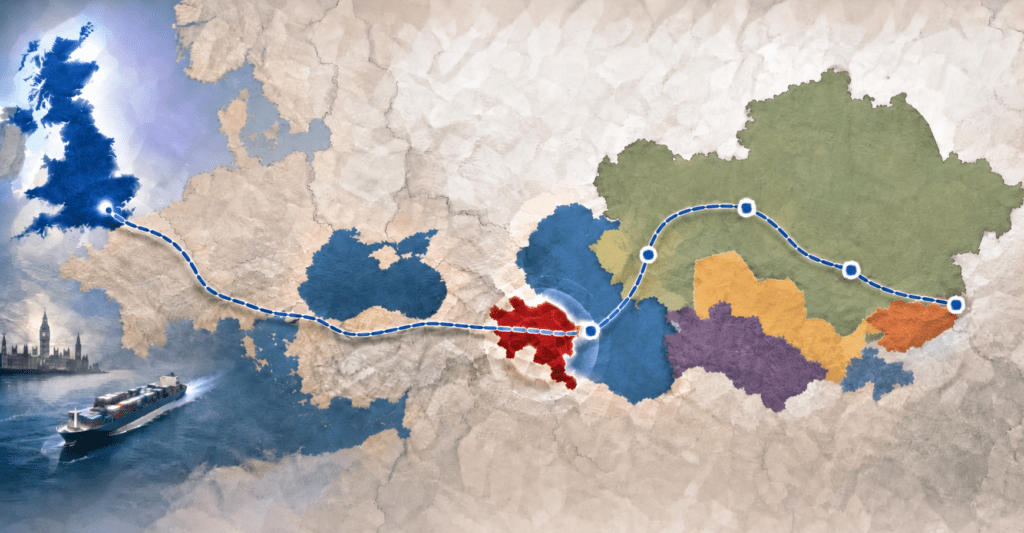
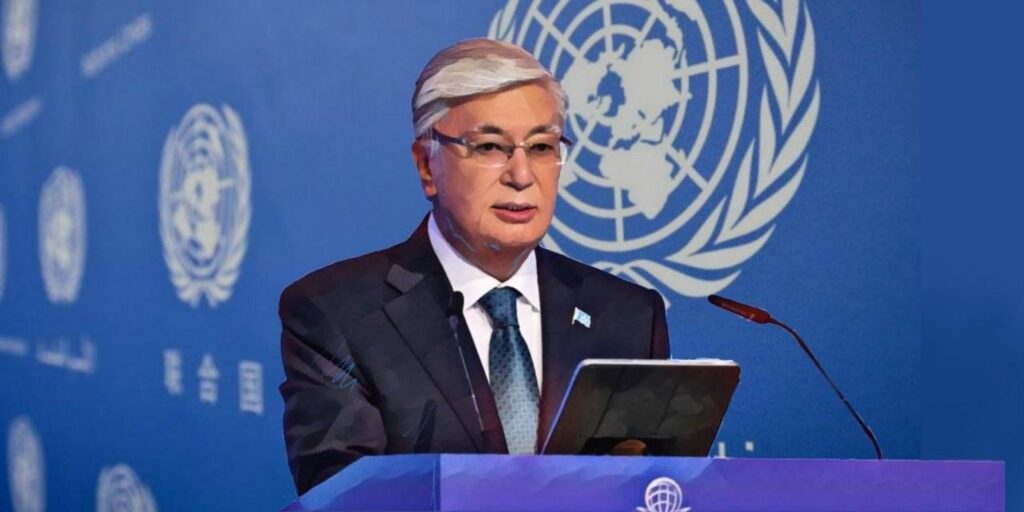
In “What Is the Status of Middle Powers?”, Michel Duclos of the Institut Montaigne presents Kazakhstan as a test case for whether middle powers can still influence outcomes in an era of intensifying great power rivalry. Writing after the Regional Ecological Summit in Astana, which brought together nine heads of state around President Kassym-Jomart Tokayev, Duclos notes that Kazakhstan “plays a leadership role” among states navigating pressures between China and Russia. He also argues that Tokayev, drawing on his experience as a former senior UN official, is seeking to elevate Kazakhstan into an intermediate power on multilateral issues. That is a useful lens for understanding Tokayev’s foreign policy. Rather than treating Kazakhstan’s position between larger powers as a liability, he has sought to turn geography, energy resources, logistics, diplomatic reliability, and convening power into regional agency. The result is an emerging model of middle power leadership rooted not in confrontation, but in coordination, credibility, and practical cooperation. That assessment places Tokayev’s foreign policy in a broader category than traditional balancing. Kazakhstan’s importance does not rest only on its raw assets — uranium, oil, minerals, logistics, or its position along Central Asian land routes. It also rests on how Astana uses those assets: as a convening state, a reliable partner, and a practical organizer of regional cooperation. Under Tokayev, multi-vector diplomacy has become less a defensive posture than an operating strategy, aimed at keeping Kazakhstan open to multiple partners while building platforms others have reason to use. In that sense, Kazakhstan is being presented not simply as a state located between great powers, but as one increasingly able to give structure to the space between them. Moving from “balancer” to “regional organizer” is only possible if Kazakhstan turns geography, resources, and diplomacy into practical systems others have reason to use. The clearest operational evidence of this shift is transport. Kazakhstan’s geography has often been described as a constraint. It is landlocked, vast, and positioned between larger powers. But the growth of the Trans-Caspian International Transport Route, or Middle Corridor, allows Astana to recast that geography as a strategic advantage. In the first quarter of 2026, 125 container trains transited Kazakhstan via the Middle Corridor, a 34.4% increase from the same period in 2025. The Times of Central Asia also reported that freight volumes along the route through Kazakhstan have grown more than fivefold over seven years, from 0.8 million tons to 4.5 million tons annually. These figures show that Kazakhstan is not simply selling potential; it is building operational value into the corridor. This is where the idea of Kazakhstan as a regional organizer becomes concrete. A balancing state tries to avoid overdependence on any single power. An organizing state builds systems that others have a reason to use. If Kazakhstan can make the Middle Corridor faster, more predictable, more digitalized, and more commercially reliable, it is not merely balancing Russia, China, Europe, Türkiye, and the South Caucasus. It is creating connective tissue between them. World Bank analysis suggests that infrastructure...