
• KZT/USD = 0.00215
  • TJS/USD = 0.10800
  • UZS/USD = 0.00008
  • TMT/USD = 0.29760
  • KZT/USD = 0.00215
  • TJS/USD = 0.10800
  • UZS/USD = 0.00008
  • TMT/USD = 0.29760
  • KZT/USD = 0.00215
  • TJS/USD = 0.10800
  • UZS/USD = 0.00008
  • TMT/USD = 0.29760
  • KZT/USD = 0.00215
  • TJS/USD = 0.10800
  • UZS/USD = 0.00008
  • TMT/USD = 0.29760
  • KZT/USD = 0.00215
  • TJS/USD = 0.10800
  • UZS/USD = 0.00008
  • TMT/USD = 0.29760
  • KZT/USD = 0.00215
  • TJS/USD = 0.10800
  • UZS/USD = 0.00008
  • TMT/USD = 0.29760
  • KZT/USD = 0.00215
  • TJS/USD = 0.10800
  • UZS/USD = 0.00008
  • TMT/USD = 0.29760
  • KZT/USD = 0.00215
  • TJS/USD = 0.10800
  • UZS/USD = 0.00008
  • TMT/USD = 0.29760
14 August 2026

Viewing results 1 - 6 of 2

EU Deepens Central Asia Ties as Rights Record Varies Across Region

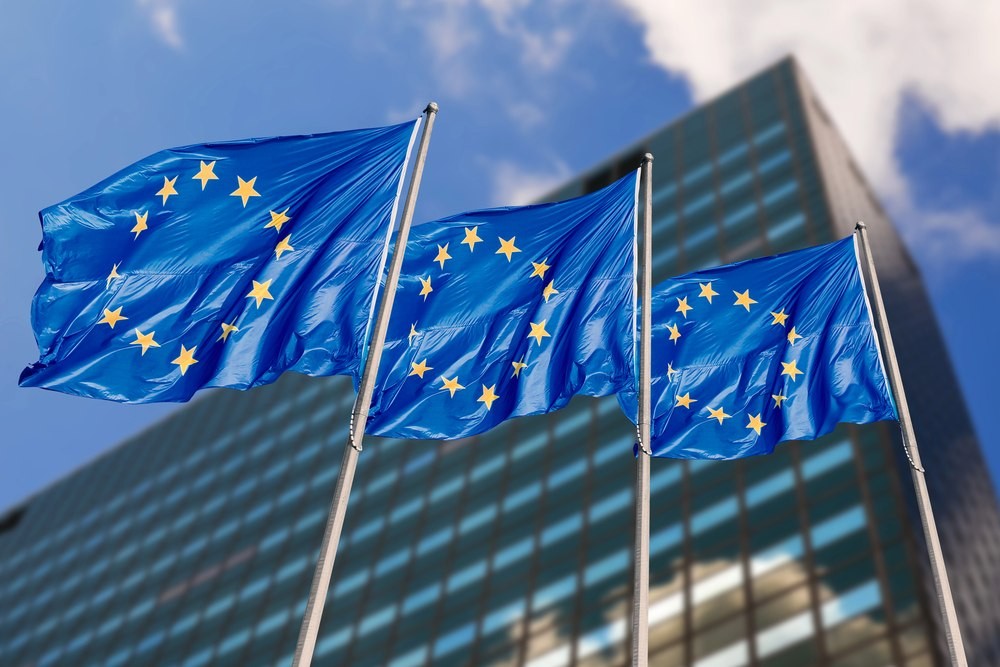
The European Union is rapidly deepening its trade, investment, and political ties with Central Asia, even as its latest assessment points to worsening human rights conditions across much of the region. The latest assessments are contained in the EU’s annual Human Rights and Democracy in the World country reports, which separately examine all five Central Asian states. In Kazakhstan, the EU notes judicial and political reforms, as well as continued implementation of measures aimed at strengthening protection against gender-based violence. Brussels also points to a shrinking space for civil society, growing pressure on journalists and independent media, increased oversight of NGOs, and continued restrictions on peaceful assembly. As part of the UN Universal Periodic Review, Kazakhstan accepted 259 of the 294 recommendations it received. The assessment of Kyrgyzstan is notably harsher. The EU says the human rights situation continued to deteriorate and highlights the new media law, mandatory registration for all media outlets, a 35% cap on foreign ownership, and prosecutions of media workers that it describes as seemingly politically motivated. Another source of concern was the closure of the National Center for the Prevention of Torture, whose functions were transferred to the Ombudsperson’s Office. In Tajikistan, the main concerns include pressure on independent media and human rights defenders, restrictions on freedom of expression and association, reports of torture and ill-treatment in detention, and the situation of Pamiri activists and journalists. Citing Human Rights Watch, the EU report says at least seven journalists were imprisoned on charges related to their reporting or coverage of protests. Turkmenistan remains subject to some of the region’s most extensive restrictions. Brussels points to continuing restrictions on freedom of movement, expression, the media, association, assembly, and religion, as well as reports of torture and ill-treatment in prisons. The EU also notes some improvements in detention conditions, gender equality and gender-based violence, and cooperation with the International Labour Organization on eliminating forced labor. The EU’s assessment of Uzbekistan is quite severe. According to the EU, the human rights and democracy situation continued to steadily deteriorate in 2025, with backsliding in nearly every area. Brussels points to legal action and imprisonment targeting journalists, bloggers, and human rights defenders, restrictions affecting NGOs, and worsening media freedom. The full report on the July 2022 protests in Karakalpakstan had still not been made public by the end of 2025. The EU nevertheless notes some positive developments, including new measures to protect children, changes to divorce law, and improved representation of women in parliament. The severity of these assessments contrasts with the pace at which Europe is expanding its relationship with the region. The first EU-Central Asia summit, held in Samarkand in April 2025, elevated relations to a strategic partnership. Brussels also announced a €12 billion Global Gateway investment package covering transport links, critical raw materials, digital connectivity, water, and energy. The Times of Central Asia has reported on efforts to move from political agreements toward specific projects. Human rights, however, remain part of the relationship with Brussels. This has been...

TRNC President Urges Central Asia to Tread Carefully on Cyprus in EU Deals

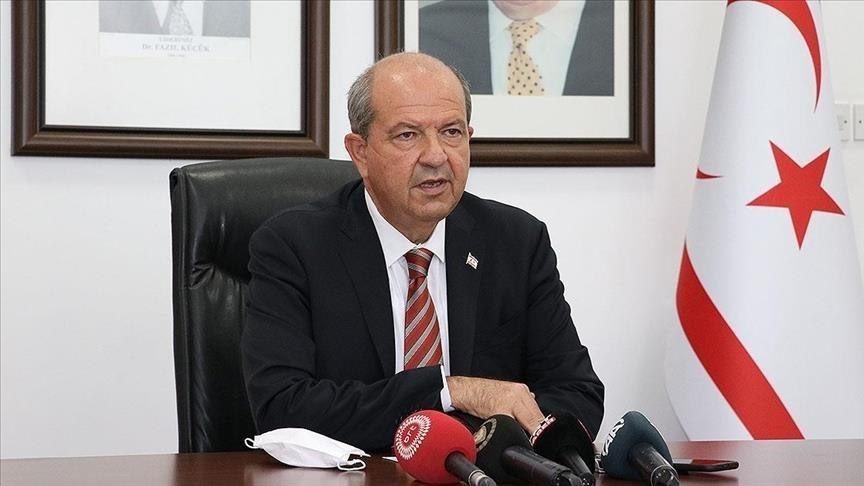
Ersin Tatar, President of the Turkish Republic of Northern Cyprus (TRNC), has urged Central Asian nations to exercise caution in their dealings with the European Union, particularly regarding the Cyprus issue. His remarks were reported by Anadolu Agency during a recent meeting with representatives of the Association of Turkish Travel Agencies (TÜRSAB). Tatar acknowledged that it is “understandable” for Central Asian countries to cooperate with the EU in pursuit of their national interests. “These countries have various projects and partnerships with the EU, especially in trade and development. That’s normal,” he said. “But I believe the Turkish states should be more careful in their relations with the Greek Cypriot side.” Turkic Solidarity and the Role of TRNC Highlighting the cultural and linguistic connections among Turkic nations, Tatar highlighted the importance of maintaining solidarity within the Organization of Turkic States (OTS), where the TRNC has held observer status since 2022. “The TRNC values its growing relationship with member states such as Kazakhstan, Uzbekistan, Kyrgyzstan, and Turkmenistan,” he said. Tatar expressed concern that recent EU overtures toward Central Asia could be aimed at limiting the TRNC’s engagement in the Turkic bloc. “The EU, which showed little interest in the region before, is now making deals. This raises questions,” he noted. Cyprus Issue and EU Documents Reaffirming the Turkish Cypriot stance on the Cyprus issue, Tatar reiterated support for a two-state solution and called on Turkic nations to extend the same diplomatic openness to Northern Cyprus as they do to the internationally recognized Greek Cypriot administration. “Our expectation is that they treat us with the same openness they show to the Greek Cypriots,” he said, warning that EU documents may contain references to UN resolutions on Cyprus that could be misinterpreted. “Do they really know what those articles mean and what consequences they might have?” he asked. Central Asia-EU Relations on the Rise Tatar’s comments follow the recent EU-Central Asia Summit in Samarkand, held on April 3-4, which marked a new chapter in regional cooperation. The summit culminated in the signing of the Samarkand Declaration, underscoring the intent to build a strategic partnership between the two regions. “Over the past seven years, the trade turnover between Central Asian countries and the EU has quadrupled, amounting to 54 billion euros,” said Uzbek President Shavkat Mirziyoyev in remarks to Euronews. European Commission President Ursula von der Leyen also welcomed the shift, stating, “The EU and Central Asia are becoming closer partners, and this summit marks the beginning of a new phase in our cooperation.”