Kyrgyzstan Hazardous Waste Cleanup Begins at Soviet Era Kristall Plant
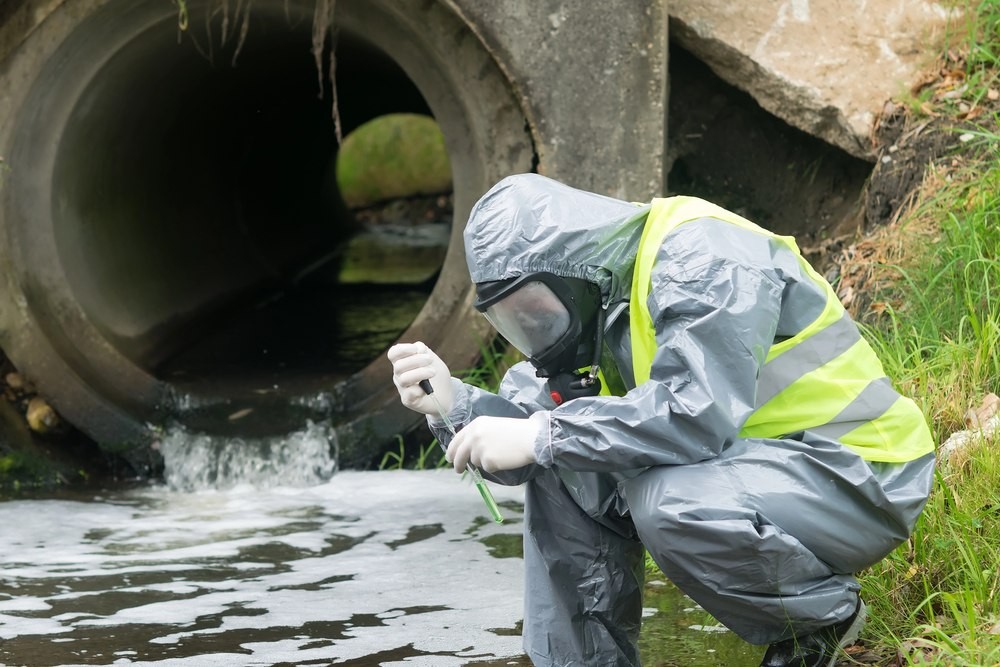
Kyrgyzstan has launched a project with Russia's state nuclear corporation Rosatom to eliminate hazardous chemical waste stored for decades at the former Kristall industrial plant, one of the country's most dangerous Soviet-era environmental sites. Located in Tash-Kumyr in Jalal-Abad Region, the Kristall plant was intended to become one of the Soviet Union’s largest producers of high-purity silicon, a material used in microchips and, more recently, solar panels. Construction began in 1982 and the site was commissioned in 1989, but was never completed at its planned scale. Rising energy costs and the economic disruption that followed the collapse of the Soviet Union left the plant uncompetitive. Several attempts were made to revive production, although it never returned to full industrial operation and was declared bankrupt in 2010. The Kyrgyz Ministry of Natural Resources estimates that around 80 metric tons of toxic chemicals remain at the site. A more detailed Rosatom audit identified as much as 155 metric tons of confirmed or suspected chemical residues. For more than 15 years, the stockpile has been regarded as a potential environmental and public health risk. Both chemicals react rapidly with water or moisture in the air, producing heat and corrosive hydrogen chloride fumes. Exposure to the substances or their vapors can cause severe burns to the skin and eyes, damage the respiratory system, and, at high concentrations, cause potentially fatal lung injuries. According to the Ministry of Natural Resources, the chemicals are stored in specially designed metal containers that have gradually deteriorated after years without maintenance, increasing the risk of leaks. A technical assessment conducted by specialists from Rosatom in October 2024 confirmed the advanced deterioration of the storage infrastructure. It found that natural corrosion and decades of inactivity had increased the risk of tanks losing their seals or collapsing. Practical disposal work is scheduled to begin in November 2026. The operation has been planned for the colder months because lower temperatures reduce the danger of uncontrolled evaporation, fire, or chemical releases when the tanks are opened. The authorities expect the hazardous chemicals to be fully neutralized and the site brought to an environmentally safe condition by 2027. The Kyrgyz Ministry of Emergency Situations has valued its contract with Rosatom at 321.6 million rubles (approximately US$4.1 million). Although Kyrgyz officials previously said they were discussing possible Russian financing, the ministry later stated that the work would be paid for through Kyrgyzstan’s state budget. The project forms part of Kyrgyzstan’s broader effort to address the country’s Soviet-era environmental legacy. Rosatom has also helped clean up five former uranium sites at Min-Kush and Kaji-Sai, relocating large volumes of radioactive waste and restoring contaminated land over a nine-year period. Russia covered approximately 75% of the cost of that separate program. The Times of Central Asia previously reported that Bishkek had begun developing a unified long-term monitoring system for former uranium mining and waste sites to oversee their condition after remediation work is completed. Kristall presents a different type of danger because its waste is chemical rather than radioactive. Its history nevertheless...